



Elephants: Elephants can detect ultrasound and seismic vibrations through their sensitive trunk and feet. This allows them to “hear” approaching tsunamis or thunderstorms from more than 100 miles away. During the 2004 Indian Ocean tsunami, many elephants escaped to higher ground.

Dogs: With a sense of smell that is 100,000 times sharper than humans, dogs can detect the “smell” of fear or illness. Even more impressive is that many can sense changes in atmospheric pressure or seismic shifts, and often bark or act anxious before earthquakes strike. (Image: X)
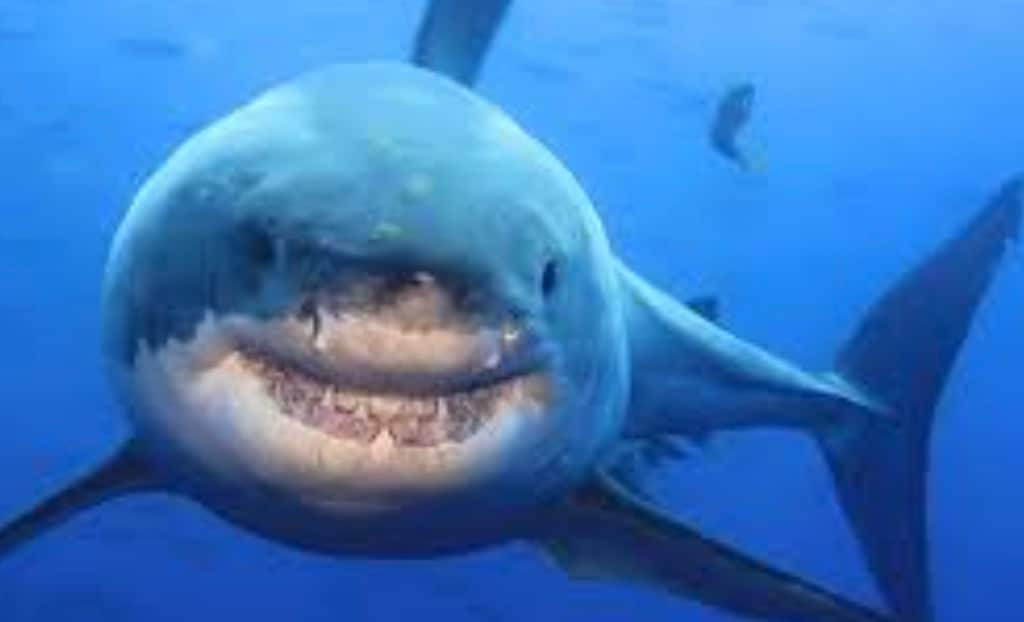
Sharks: Sharks use specialized organs called ampullae of Lorenzini to detect tiny electromagnetic fields. This “sixth sense” allows them to sense prey’s muscle contractions or even sense changes in water pressure that indicate an approaching storm or massive hurricane (Image: X)

Birds: Many migratory birds can sense infrasound from storms or volcanic eruptions long before they arrive. Research shows that some species, such as the golden-winged warbler, will vacate their nesting grounds days before a large “supercell” storm system arrives in the area. (Image: X)

Snakes: Snakes are incredibly sensitive to ground vibrations and can detect an earthquake from up to 75 miles away, up to five days before it happens. Upon sensing danger, they are known to emerge from hibernation even in freezing temperatures. (Image: X)

Bees: Bees are very sensitive to changes in atmospheric pressure and humidity. Before a heavy rainstorm or thunderstorm, bees will detect the shift in the air and return to their hives en masse to protect the colony and its honey stores. (Image: X)

Mice: Mice have an uncanny ability to sense structural weaknesses or impending geological shifts. History is full of stories of rats escaping from ships or mines shortly before they sank or collapsed, likely due to their sensitivity to high-frequency sounds and vibrations. (Image: X)
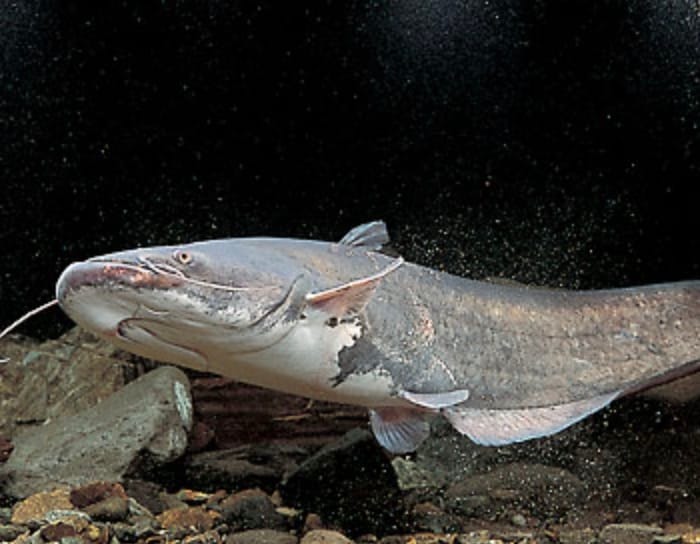
catfish: In Japan, both folklore and science acknowledge that catfish are sensitive to earthquakes. These fish react greatly to subtle electrical changes in the water that occur when tectonic plates move, often becoming hyperactive and jumping just before an earthquake occurs. (Image: X)