
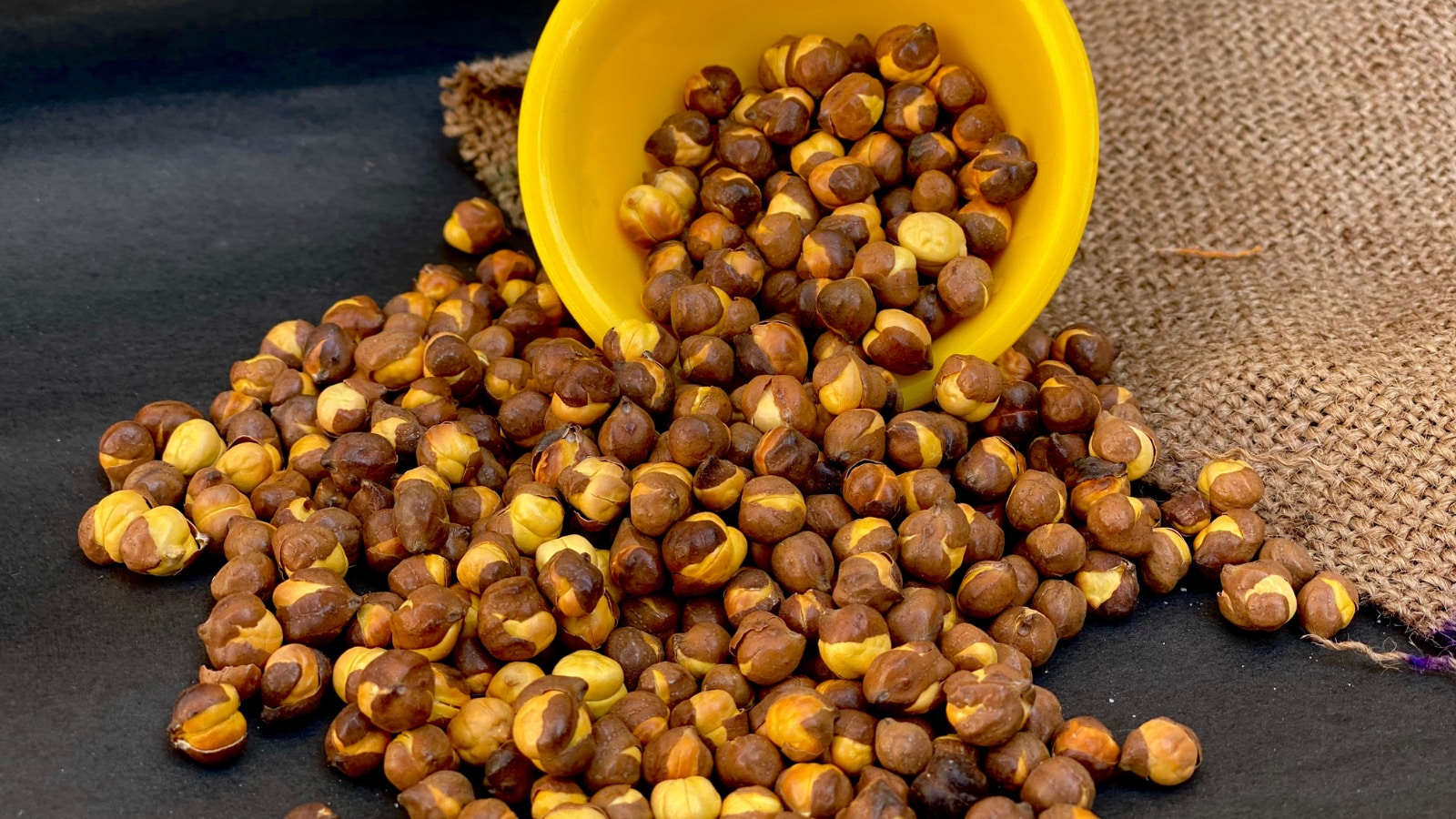
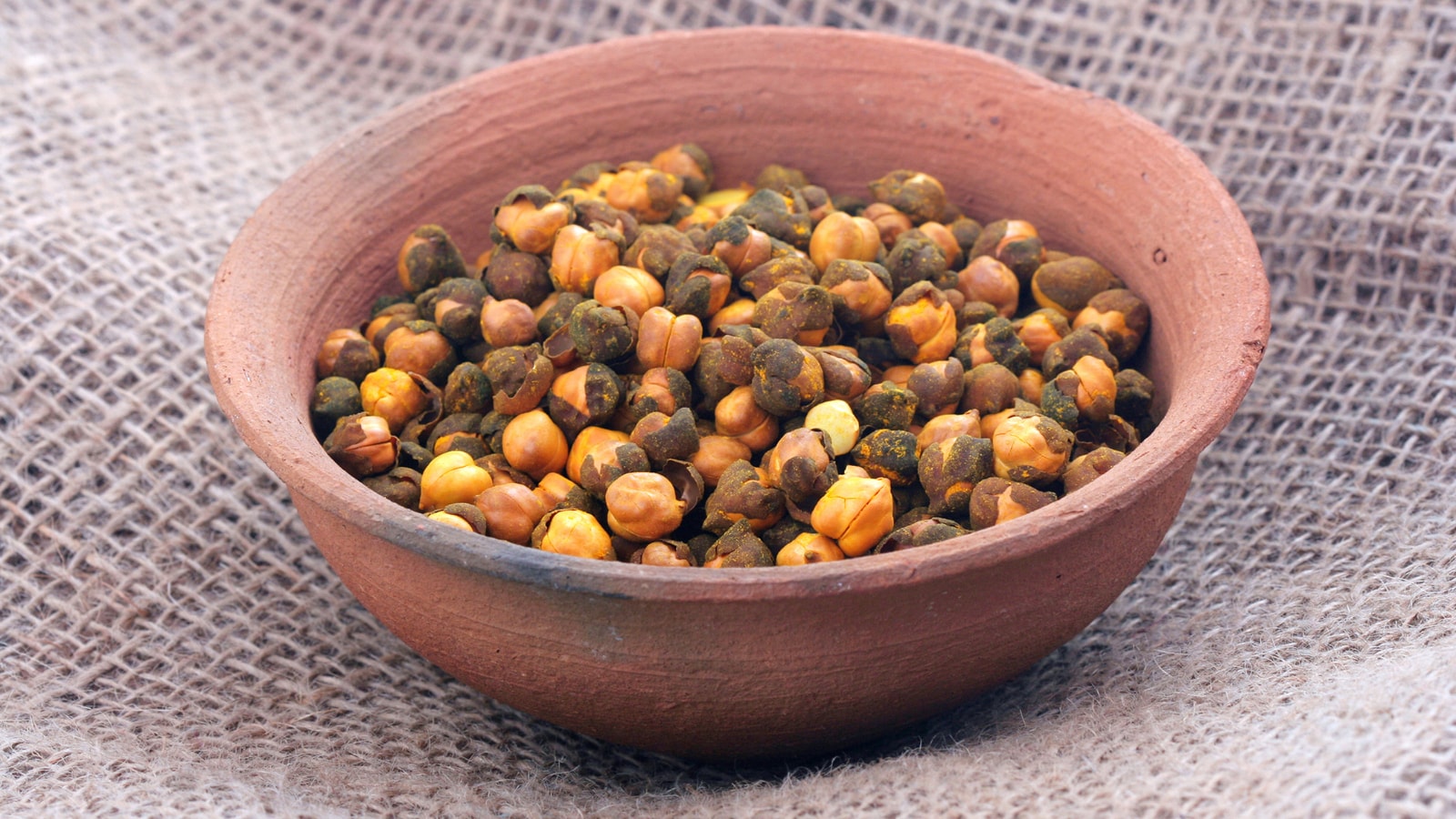
These days, adulteration in food products has become rampant. Milk, curd, cheese, ghee, oils, spices, sweets, and so far roasted chickpeas have not been spared. Recent reports have revealed that a harmful chemical called auramin has been added to roasted chickpeas to give them a crunchy, golden-yellow appearance. Its consumption can increase the risk of cancer. (Image-Canvas)

People often assume that foods that look fresh and attractive are safe, but hidden adulterants can pose serious health risks. MP Priyanka Chaturvedi recently revealed that roasted chickpeas in some markets contain auramine, a dangerous artificial colouring.
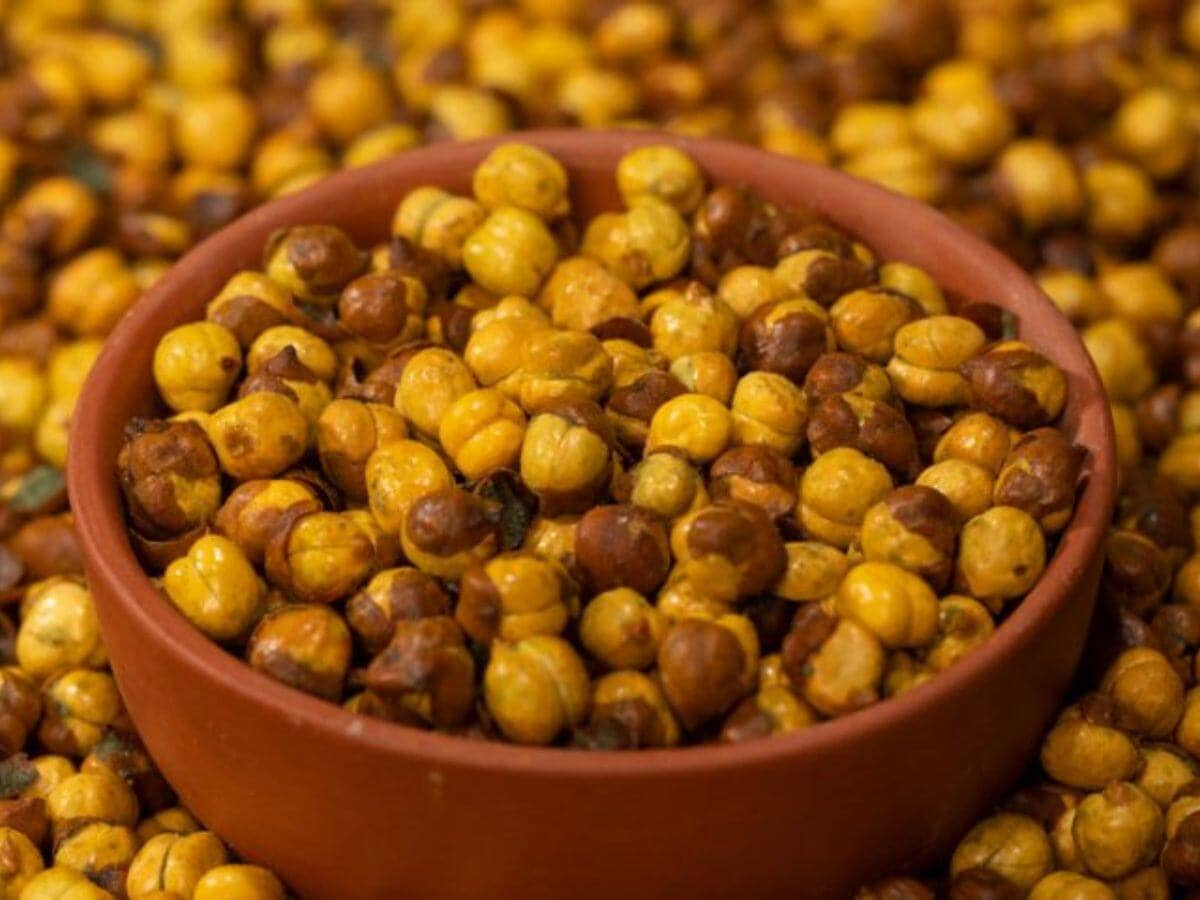
Original roasted chickpeas are small, brown, and do not break easily when pressed. In contrast, adulterated chickpeas are large, bright yellow, and very crunchy. Here’s how to check the authenticity of the product at home:
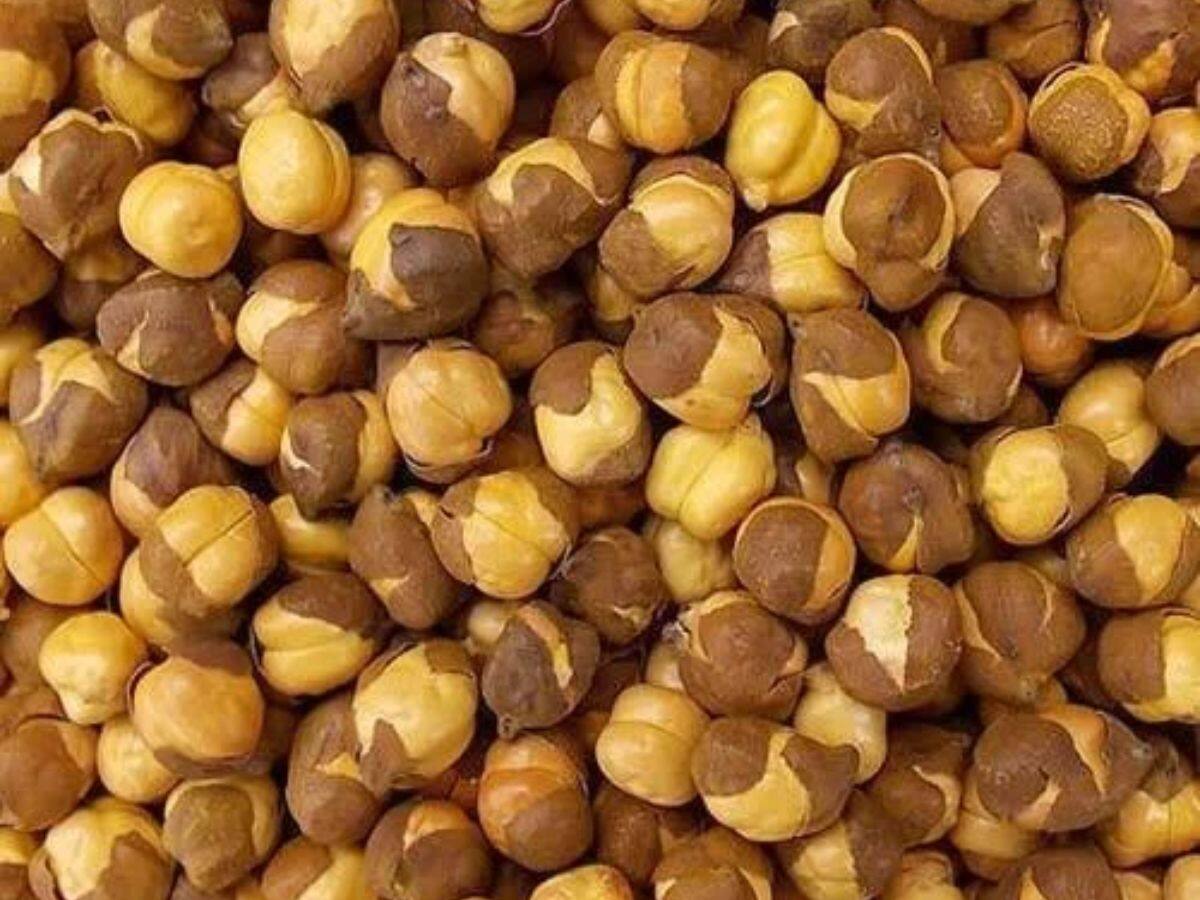
Water test: Soak a little chickpeas in a cup of water. If the water turns milky or chalky, it contains chemicals. Clear water indicates authenticity.
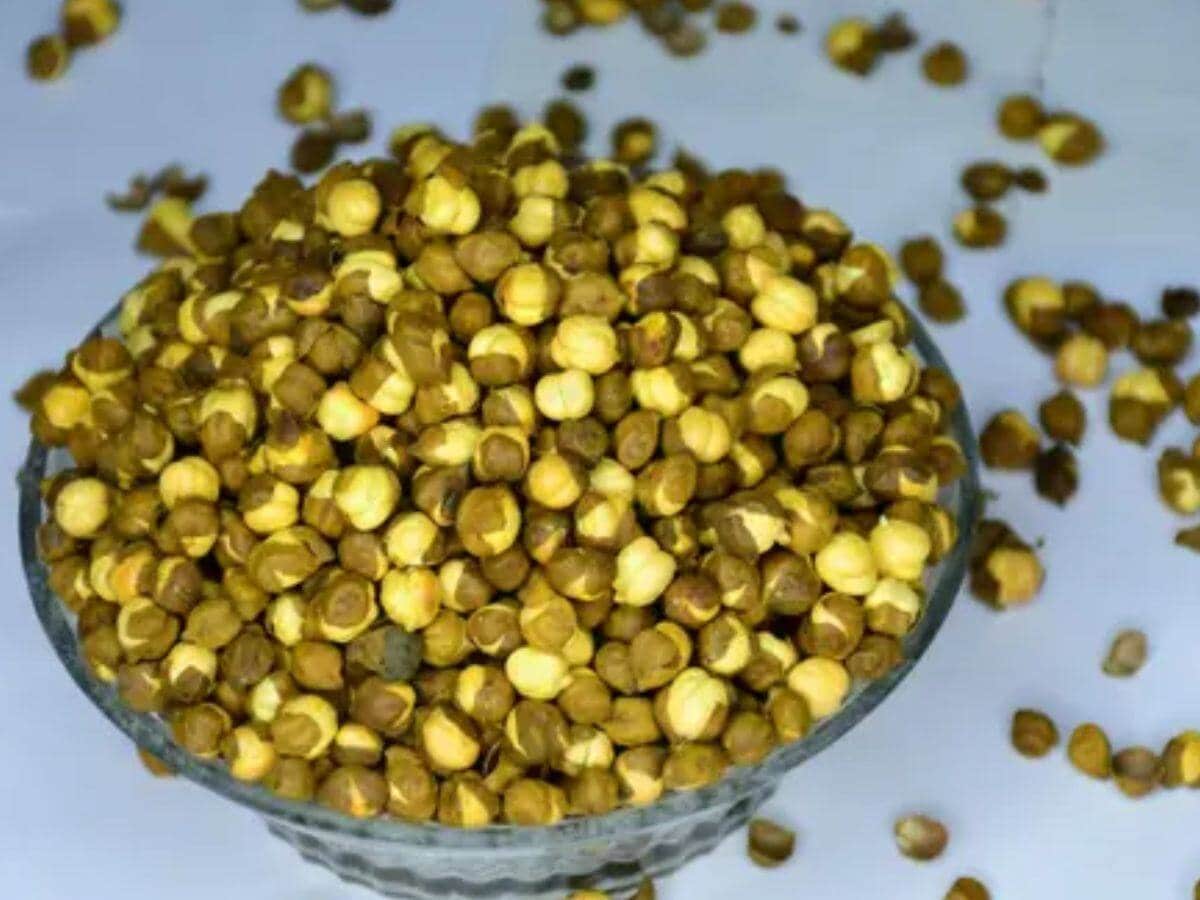
Tissue test: Crush a little chickpeas on a white tissue. Red or yellow spots indicate artificial color; The absence of spots means that the chickpeas are authentic.
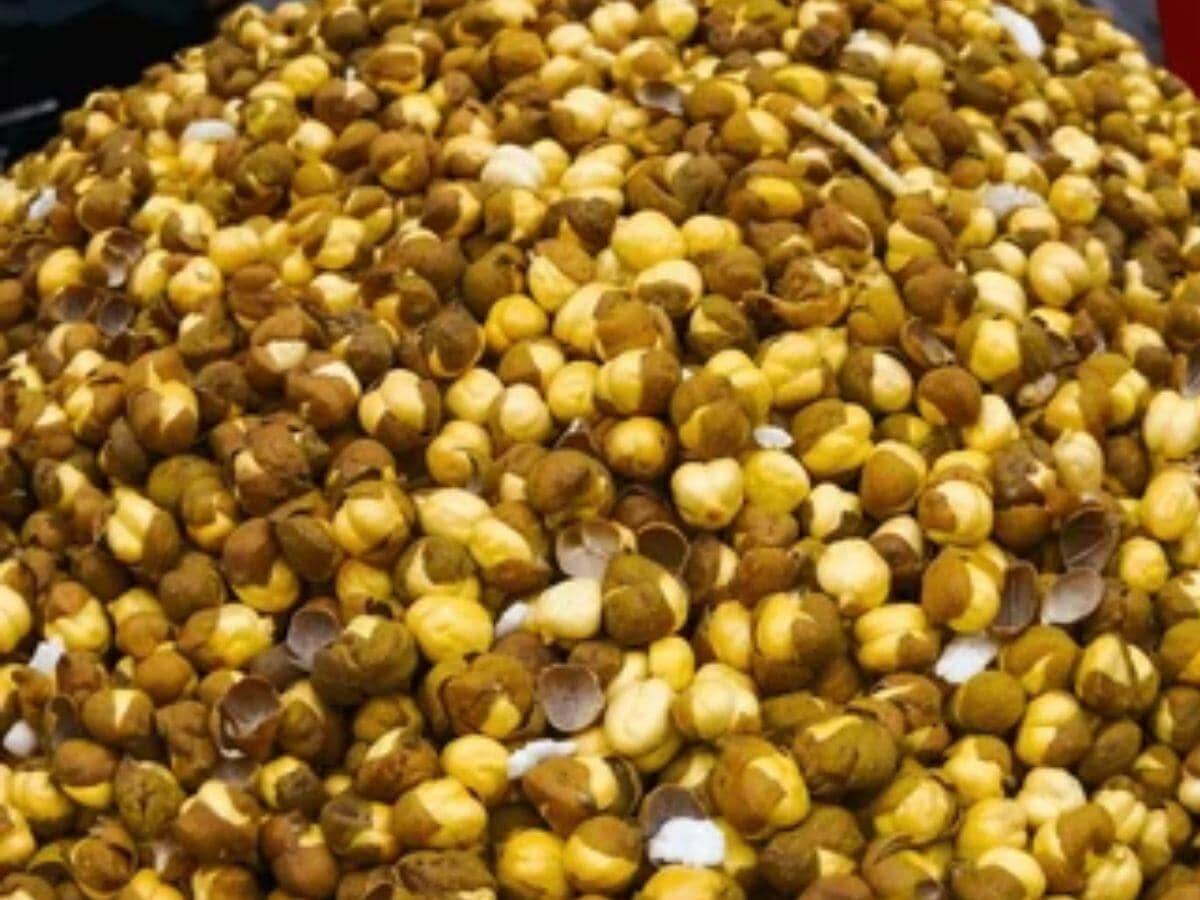
Smell Test: Real chickpeas give off a natural, roasted aroma, while chemically treated chickpeas may have a soapy or artificial smell.
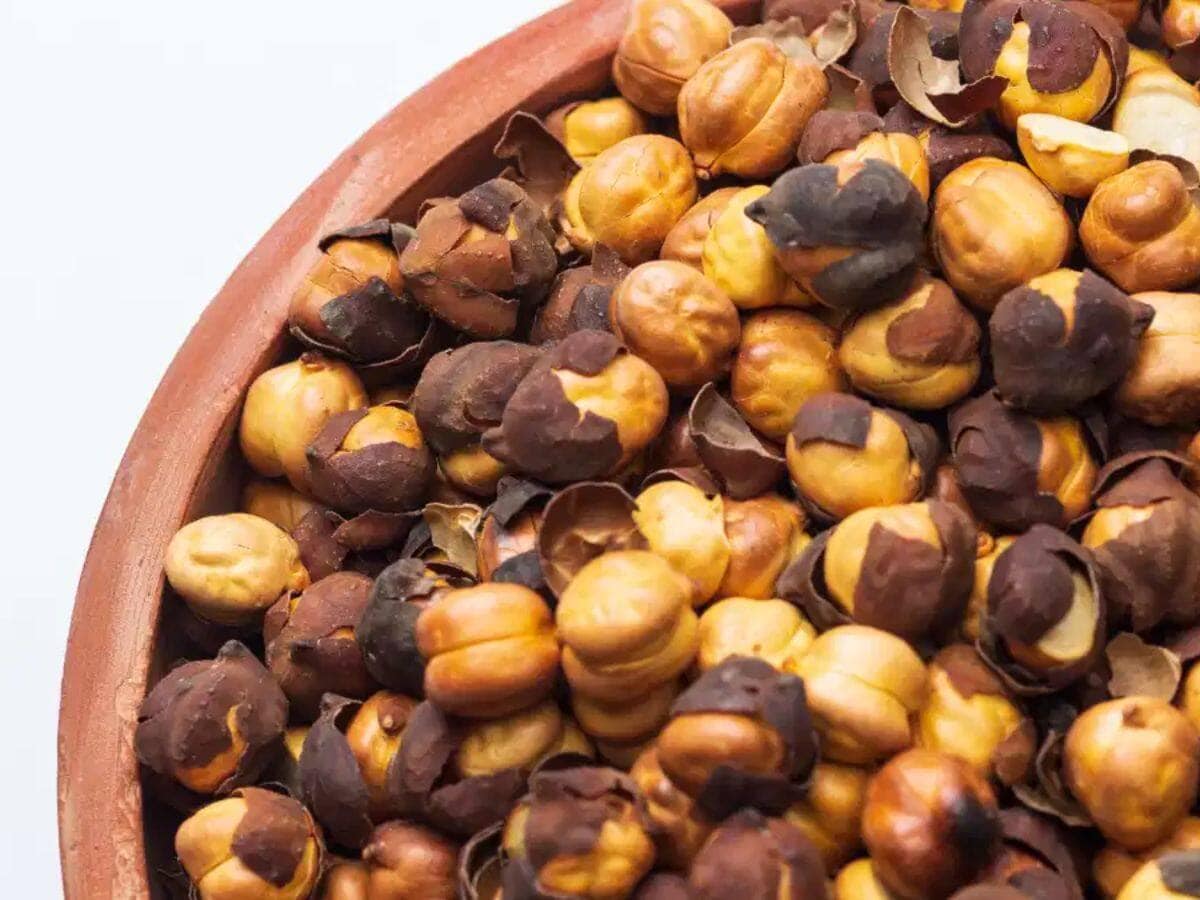
Heat Test: Roast chickpeas in a skillet without oil. The chemicals release harmful fumes, while real chickpeas give off a natural roasting aroma.
With these simple home tests, you can ensure that your roasted chickpeas are safe and authentic. Be vigilant and enjoy healthy snacks this winter! (Image-Canvas)