

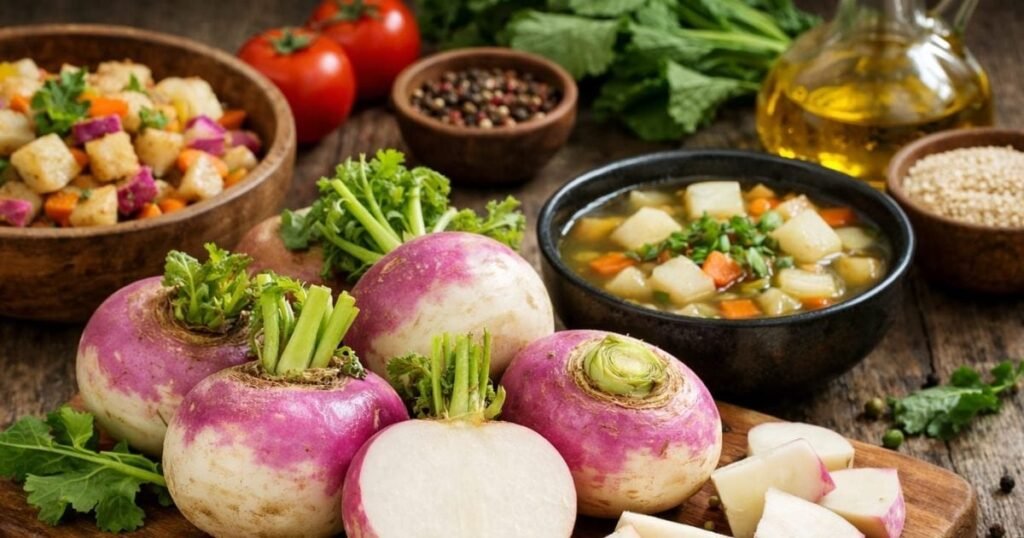
Benefits of shalgam: Once winter arrives, you see an abundance of green vegetables in the market. This season, the body needs more energy, warmth, and strong immunity, and therefore healthy eating habits are very important. Besides spinach, fenugreek, carrots and peas, there is also a vegetable that is often overlooked, which is kale. Many people consider kale to be just an ordinary vegetable and do not pay much attention to its taste, but the truth is that kale is a treasure trove of nutrients. Turnip is a root vegetable found in the winter, and it works to give the body strength from within. The vitamins, minerals, fiber and antioxidants contained in it help protect the body from diseases in cold weather. That’s why it’s now called a winter superfood.
Whether it’s heart health, digestive issues, trying to lose weight, or skin care – kale is beneficial on all fronts. From rural areas to cities, turnips have been used as a vegetable, paratha, soup, stew and pickle. In ancient times, people considered it a vegetable that warmed the body in the cold. Today, as people move back towards natural and seasonal food, the importance of kale is understood again. Let us know in simple language the benefits of eating kale and why it should be in your plate in winter.
What is turnip?
Turnip is a root vegetable, which grows underground. Its upper part can be white, light purple, or red, while the inside is creamy white. It tastes slightly sweet and slightly spicy, and tastes best after cooking. Its crunchy texture gives good taste to both vegetables and salads.
Benefits of eating kale
1. Strengthens immunity
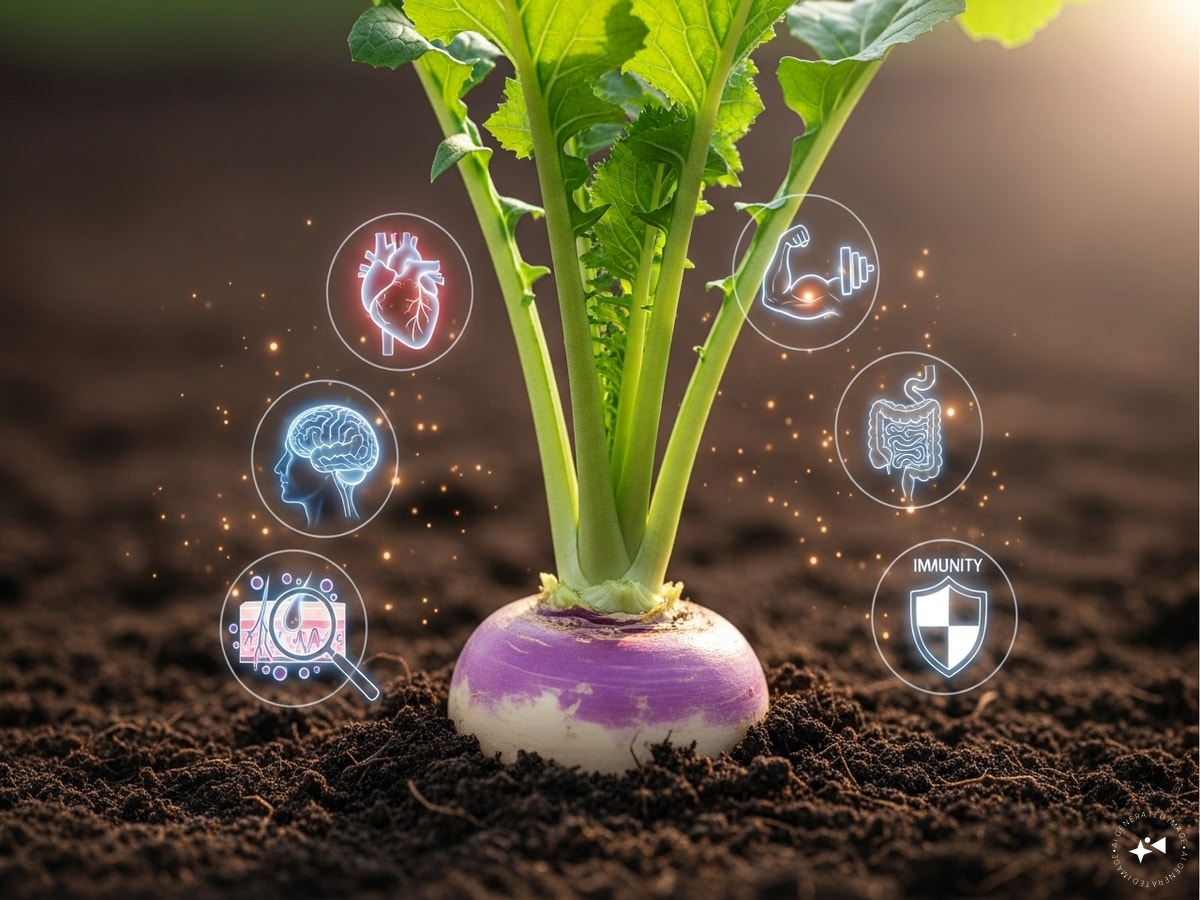
There is a good amount of vitamin C in turnips, which increases the body’s strength to resist diseases. In winter, colds, coughs and viruses strike quickly, and in such a case, by eating turnips, the body is prepared to fight them.

2. Maintaining healthy digestion
The fiber in it helps the digestive system work properly. Problems such as constipation, gas and heaviness are reduced. Including kale in your daily diet makes the stomach feel lighter.
3. Beneficial for heart health
Kale contains potassium and antioxidants that help maintain balanced blood pressure. These reduce excess pressure on the heart and help keep the heart healthy for a long time.
4. Helps control blood sugar
The glycemic index of kale is low, which means eating it does not increase blood sugar quickly. It is considered a safe and healthy vegetable for people suffering from diabetes.
5. Gives natural freshness to the skin
Vitamin C in kale helps produce collagen in the skin, making the skin appear firm and supple. The antioxidants in it also protect against damage caused by pollution and sunlight.
6. Great for those looking to lose weight
Due to its low calories and high fiber, kale is a good choice for people trying to lose weight. It keeps the stomach full for a long time, reducing the desire to eat again and again.
7. Strengthening bones
Kale contains calcium and vitamin K, which are essential for strong bones. This can be helpful in preventing bone-related problems as one ages.
The correct way to eat kale
Turnips can be eaten as a vegetable, soup, stew or paratha. It is beneficial to cook them a little instead of frying them in a lot of oil. If desired, it can also be included in mixed vegetables with carrots and peas.
(Disclaimer: The information and information contained in this article is based on general assumptions. Indian news18 has not confirmed these assumptions. Contact the relevant expert before implementing them.)