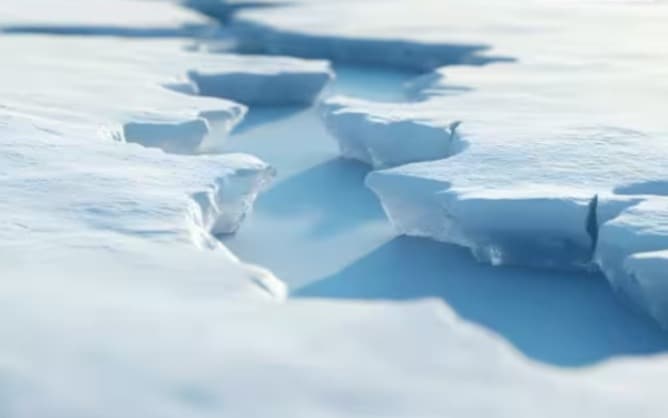
A complete melt of all the world’s ice would lead to a staggering global sea-level rise of approximately 70 metres (230 feet). While such a scenario would unfold over centuries, the consequences for India would be profound, altering the geography, population distribution and economy. Rising seas could flood coastal and delta areas, which will change landscapes and put cities, farmland and important infrastructure at risk. Such widespread changes would be unlike anything seen before in history.
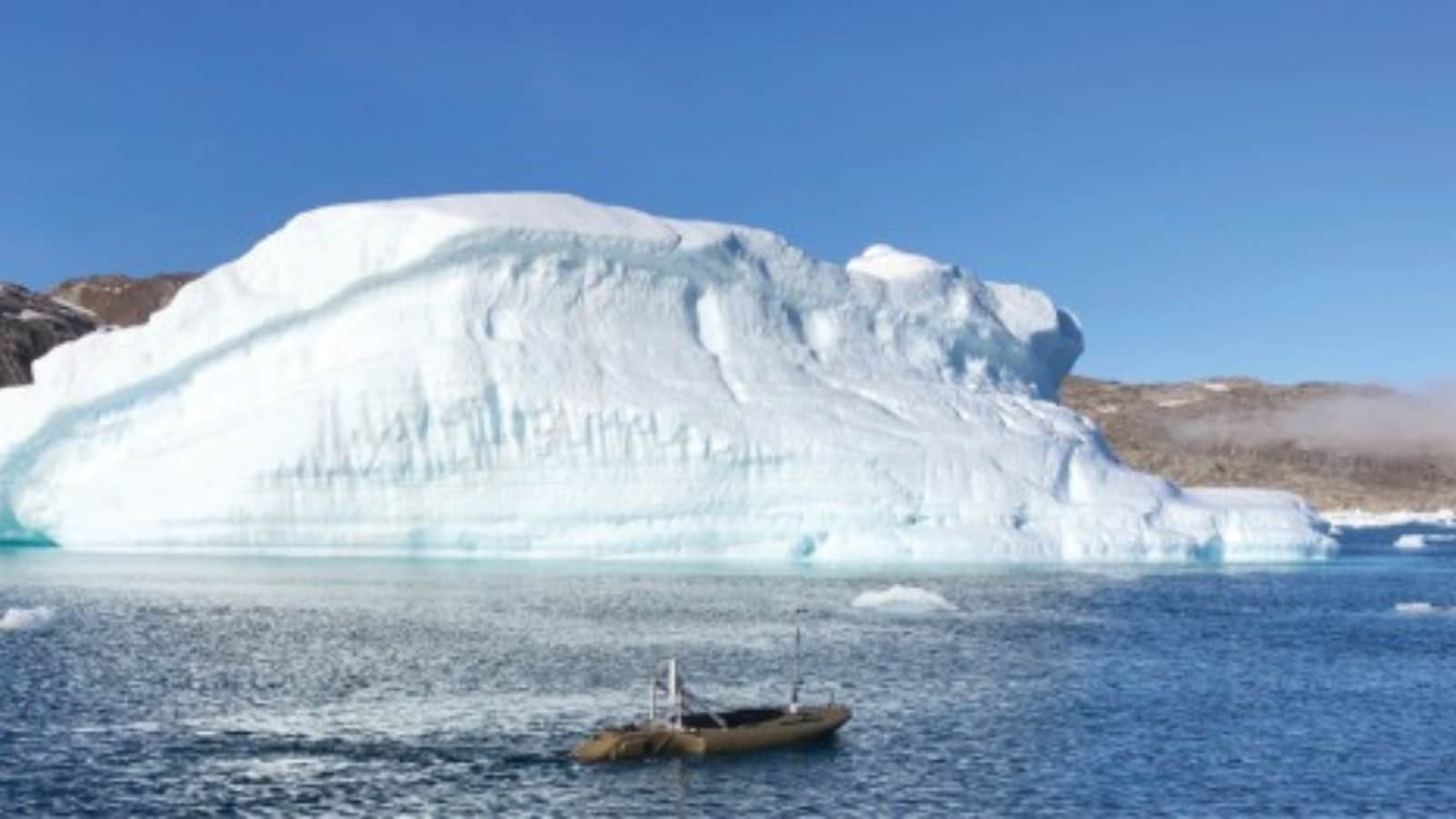
The eastern states of India would face some of the most dramatic geographic transformations. In West Bengal, the entire Gangetic plain could go underwater. Kolkata would disappear beneath the rising sea and the Sundarbans mangrove forest would vanish entirely. The new coastline could shift inland, reaching the borders of Bihar and Jharkhand and affecting millions of people. Low-lying areas in the delta would cease to exist in their current form.
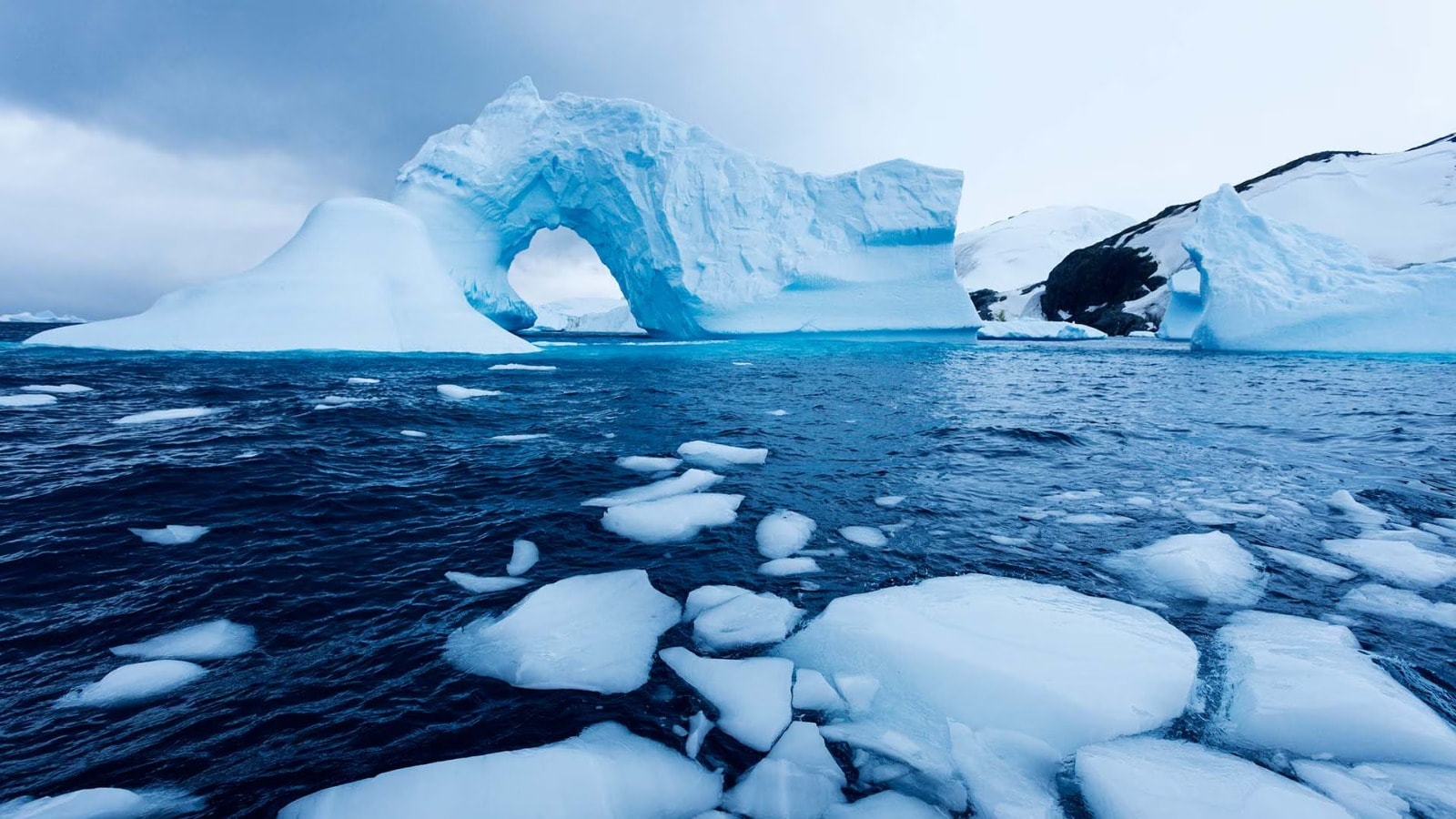
Odisha and Andhra Pradesh would also be heavily impacted by the rising waters. Fertile river deltas of the Mahanadi, Godavari and Krishna rivers could disappear, completely submerging agricultural lands. Cities such as Bhubaneswar, Puri, Visakhapatnam and Vijayawada might be completely underwater or severely flooded. The Bay of Bengal would consume vast stretches of farmland and as a result, large populations which are dependent on agriculture will be displaced.
In the southern states, major cities and industrial hubs would face severe inundation. Chennai’s port and surrounding industrial areas in Tamil Nadu would be underwater. This will result in loss of trade and local economies. In Kerala, the network of backwaters could merge with the Arabian Sea and cities like Kochi could vanish. The shoreline would recede far inland in flat areas. Hundreds of kilometres of coastal land could be permanently lost.
The western coast of India would not escape the effects of rising seas. The Gulf of Khambhat and the Gulf of Kutch in Gujarat would expand significantly and with it, coastal towns such as Bhavnagar and surrounding districts will be gone. Mumbai, India’s financial and administrative hub, could lose large parts of its southern districts. The alteration of the coastline would permanently change both urban and rural areas along the west coast.
The human consequences of such flooding would be immense. Hundreds of millions of people living in coastal areas would be forced to migrate inland. Entire communities would become climate refugees which would create pressure on inland states’ resources and social systems. Urban centers, densely populated towns and villages would face unprecedented displacement. Governments and organisations will have to face challenges in managing the mass migration and resettlement efforts.
Economically, the destruction of coastal cities would cripple India’s industrial and commercial backbone. Ports, manufacturing hubs and service industries along the coast would be lost. Road networks, railways, power plants and communication infrastructure would be destroyed. The country would need to rethink economic structures and rebuild industries in inland areas. Trade and supply chains would face severe disruption.
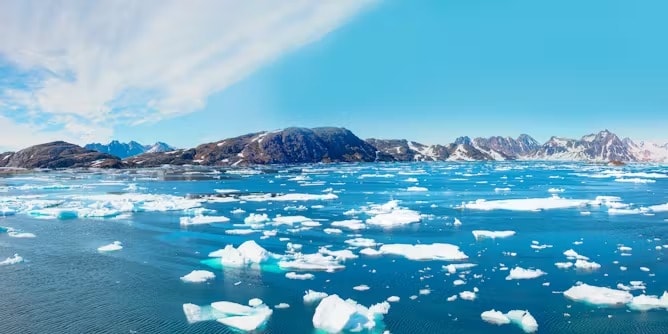
Agriculture and ecosystems would also be drastically affected. Rising seas would push saltwater far into major rivers such as the Ganges, Brahmaputra, Narmada and Godavari. Millions of acres of fertile farmland would become unsuitable for farming and unsafe for livestock consumption. Coastal ecosystems, including mangrove forests, coral reefs and wetlands, would face total destruction.
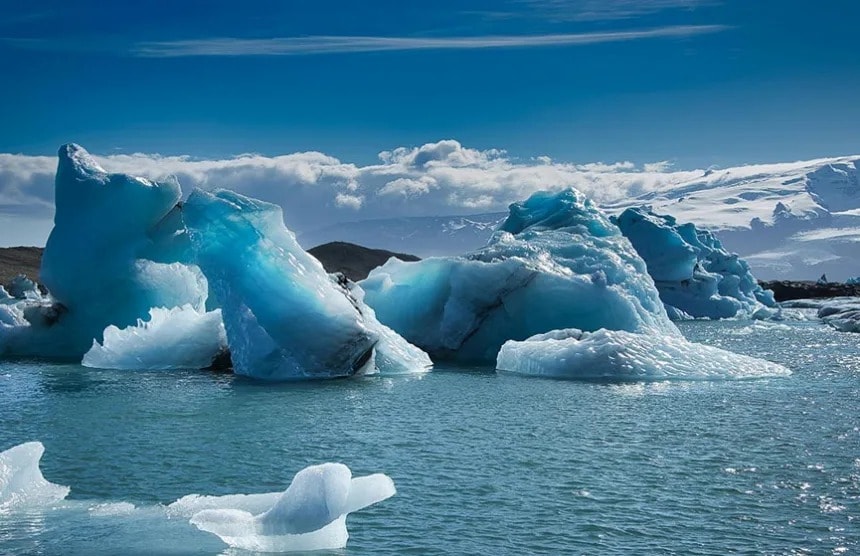
Fisheries, a key livelihood for many coastal communities, would collapse. The remapping of coastlines and destruction of ecosystems would leave fishing populations without resources or income. Traditional fishing zones would vanish and communities will have to find alternative ways of sustain. The livelihoods of millions of people directly dependent on the sea would be jeopardised.
In addition to internal challenges, regional instability could increase. Neighbouring low-lying nations such as the Maldives and Bangladesh would face total submersion that can create refugee crisis. India would experience pressure from displaced populations. Social and political tensions could rise in areas receiving migrants. Cross-border coordination and resource allocation would become critical in managing the resulting humanitarian crisis.
In addition to internal challenges, regional instability could increase. Neighbouring low-lying nations such as the Maldives and Bangladesh would face total submersion that can create refugee crisis. India would experience pressure from displaced populations. Social and political tensions could rise in areas receiving migrants. Cross-border coordination and resource allocation would become critical in managing the resulting humanitarian crisis.