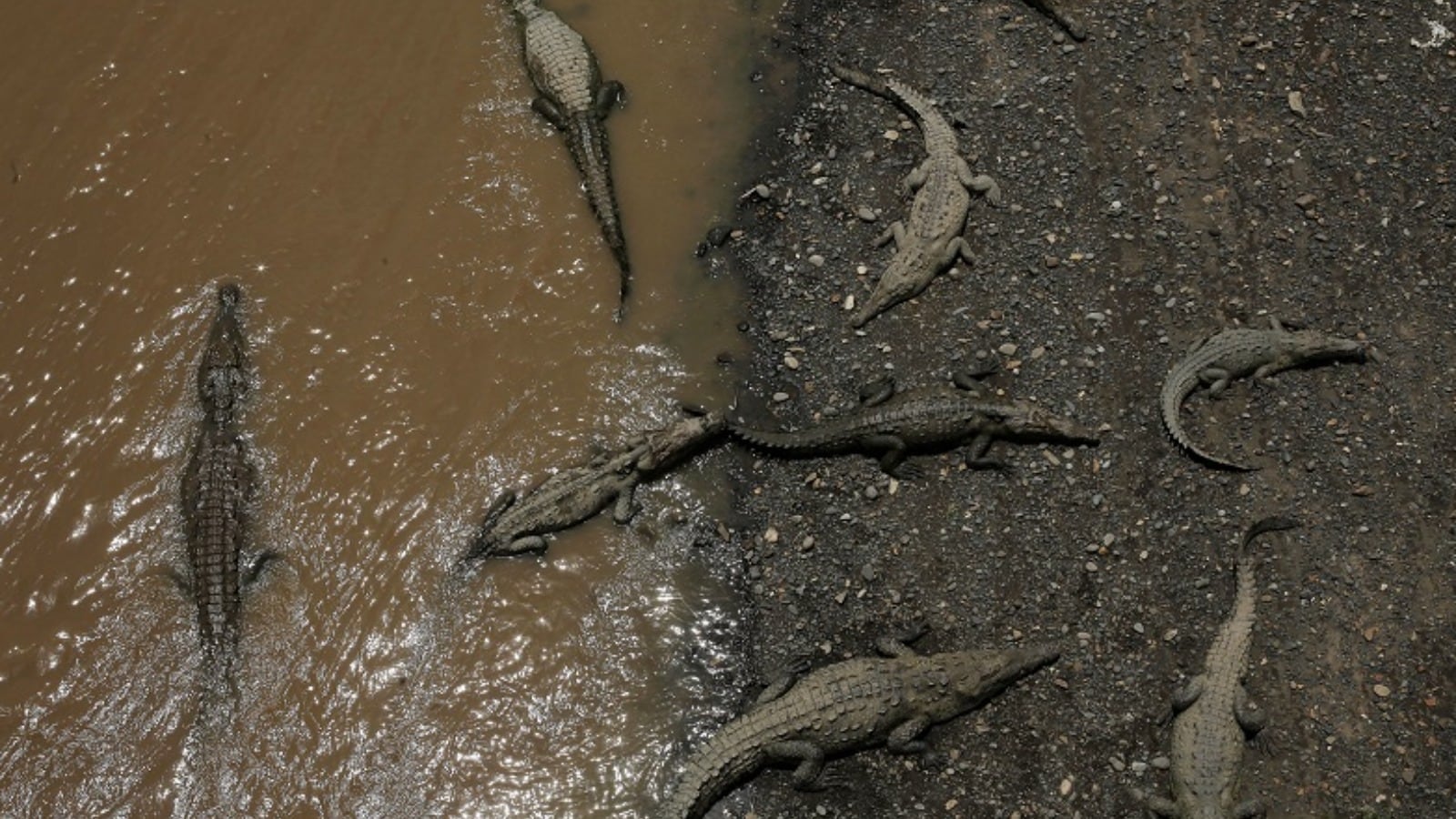
Rivers flow through many Indian cities and towns. In several places, they gradually become part of how a place is identified, through cultural significance, historical importance, or by flowing past iconic landmarks. However, one river in the country has gained recognition for something quite unusual. In Gujarat, a river flowing through a major city has drawn attention for a reason rarely seen in urban landscapes.
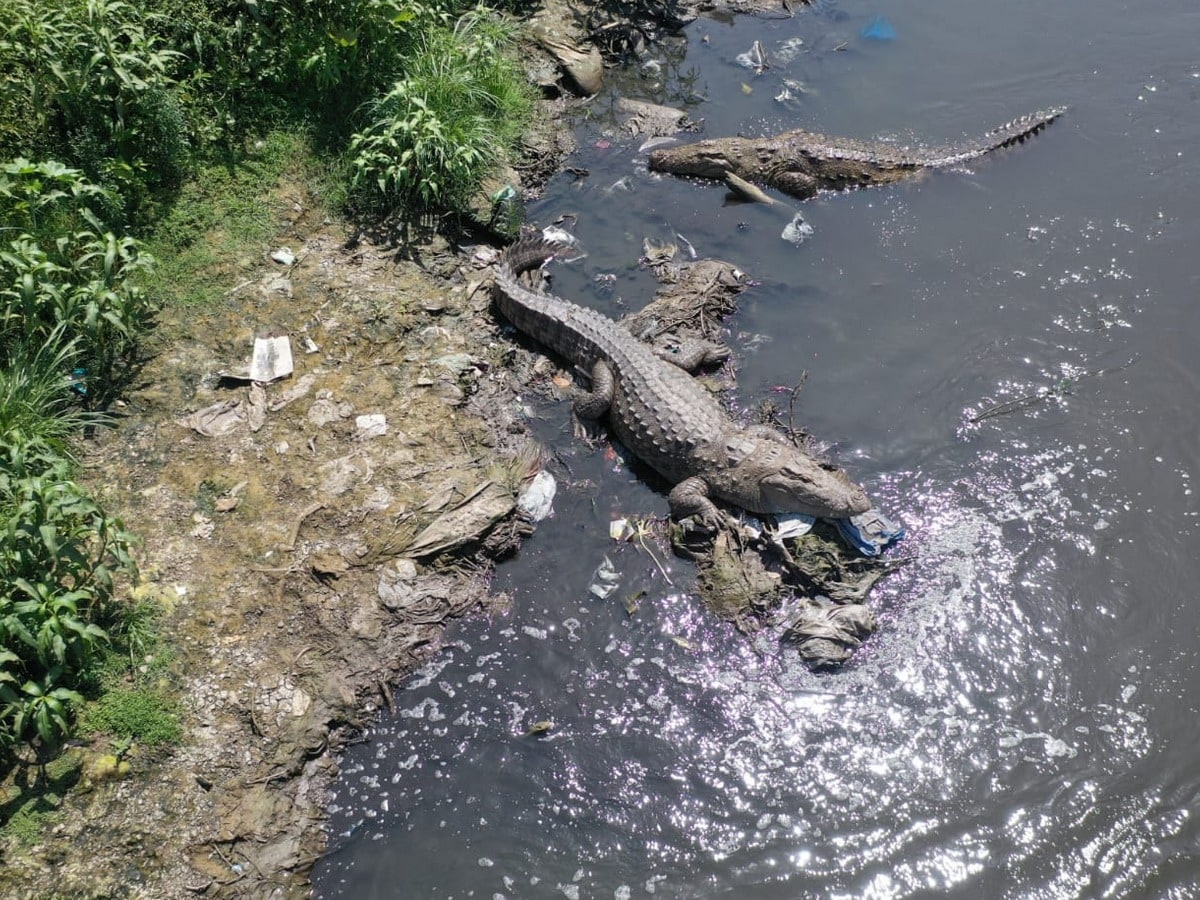
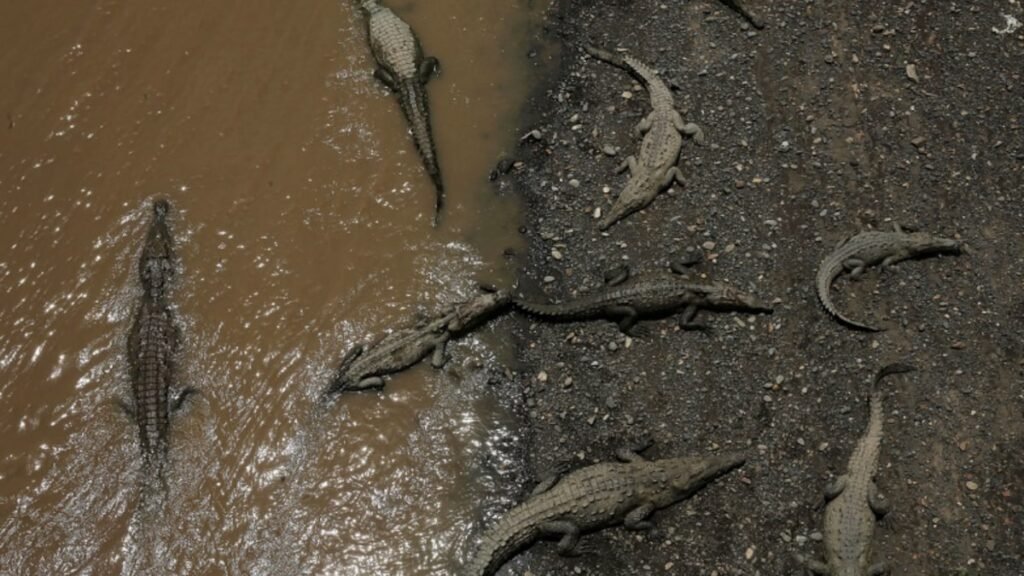
Did you know there is a river that flows through a busy city and is also home to hundreds of large wild predators? The Vishwamitri River, which passes through Vadodara, is often referred to as the “Crocodile River of India.” This name comes from the rare situation of a dense crocodile population living alongside a large human settlement. The river runs through areas packed with homes, roads and bridges. Yet, it continues to support wildlife on a scale seen in very few urban rivers.
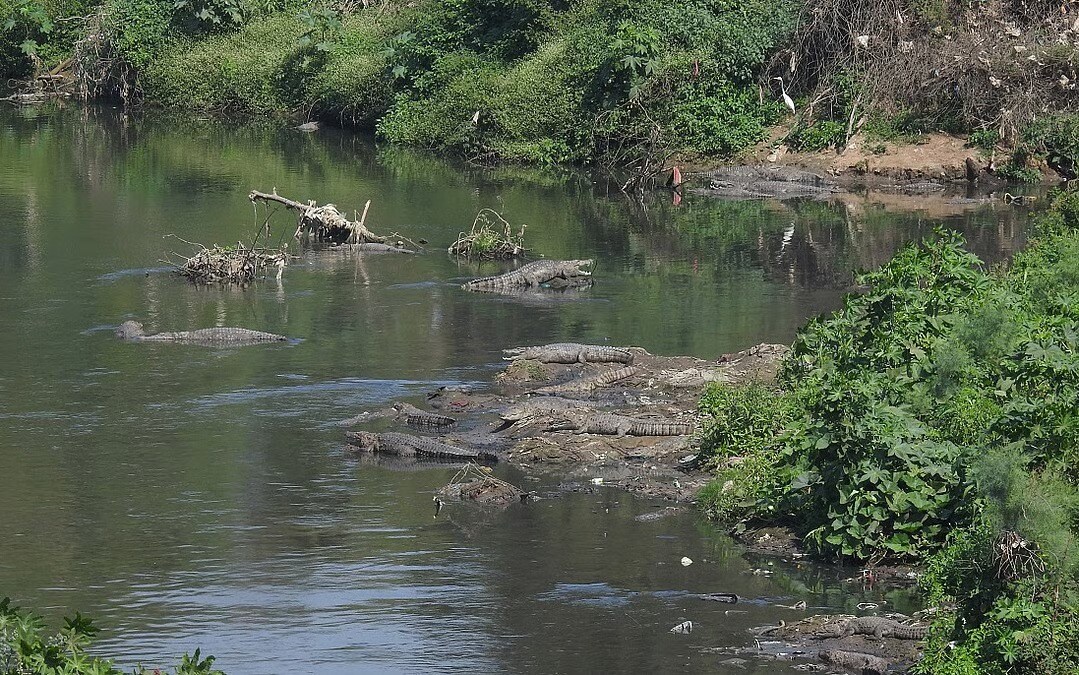
The Vishwamitri River originates from the western and southern slopes of the Pavagadh Hills in eastern Gujarat. It is a seasonal river, meaning it does not carry water throughout the year. From its source, the river flows westward for nearly 200 kilometres, passing directly through Vadodara city before finally draining into the Gulf of Khambhat in the Arabian Sea.
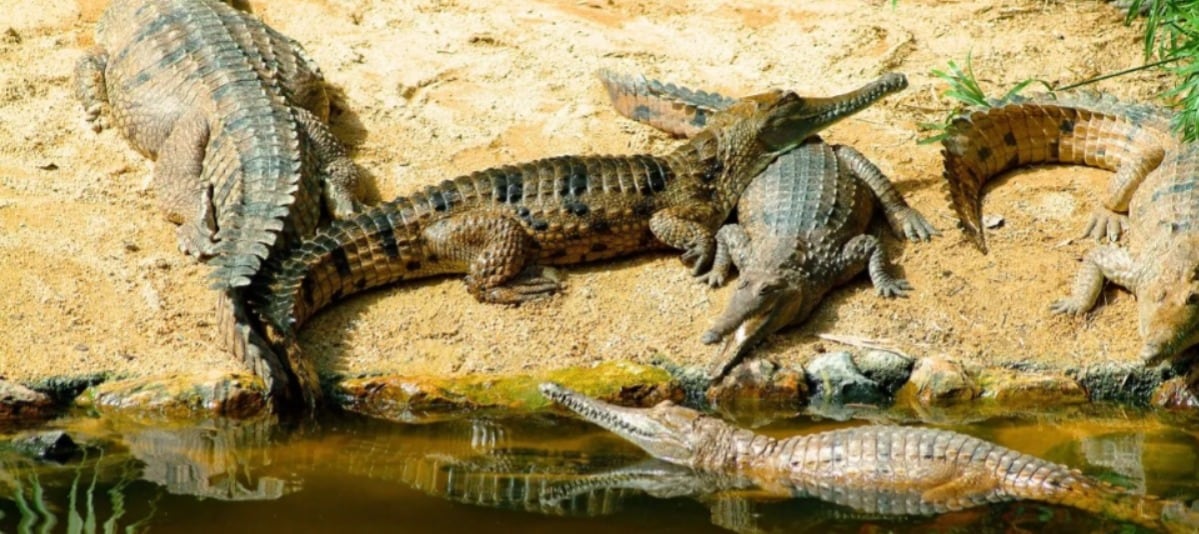
Several tributaries flow into the Vishwamitri during its course. Major ones include the Surya, Jambuva and Bhukhi rivers. They increase the river’s flow, especially during the monsoon months. The river spreads across its floodplains after water rises. This seasonal change plays an important role in shaping the river and its nearby areas.
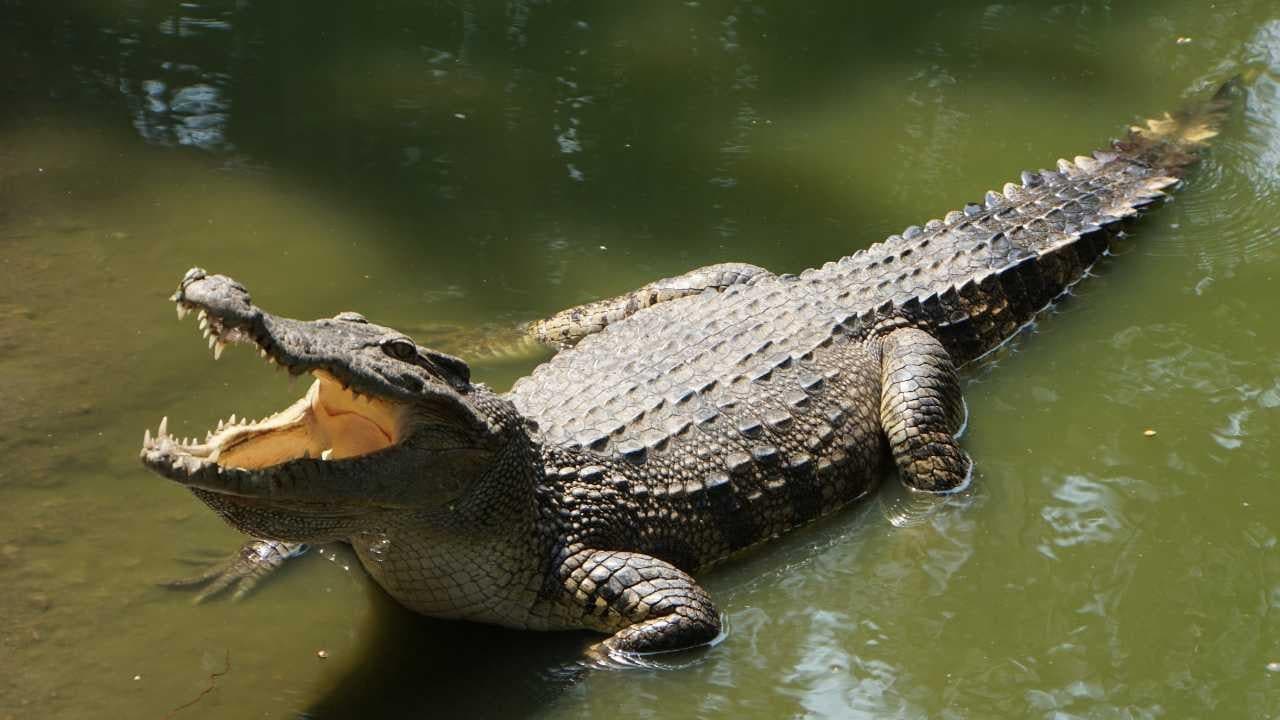
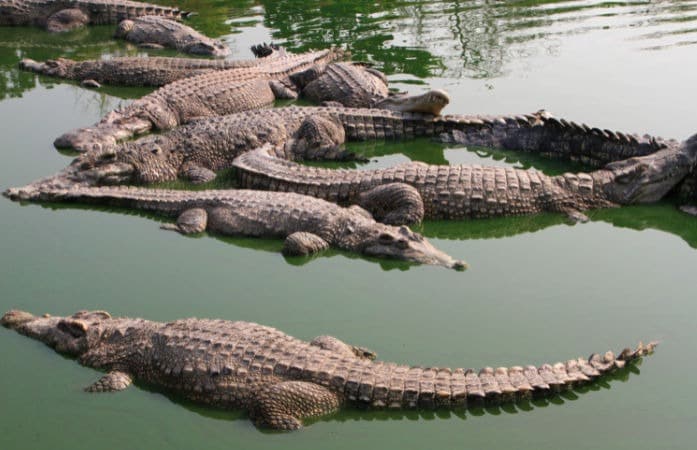
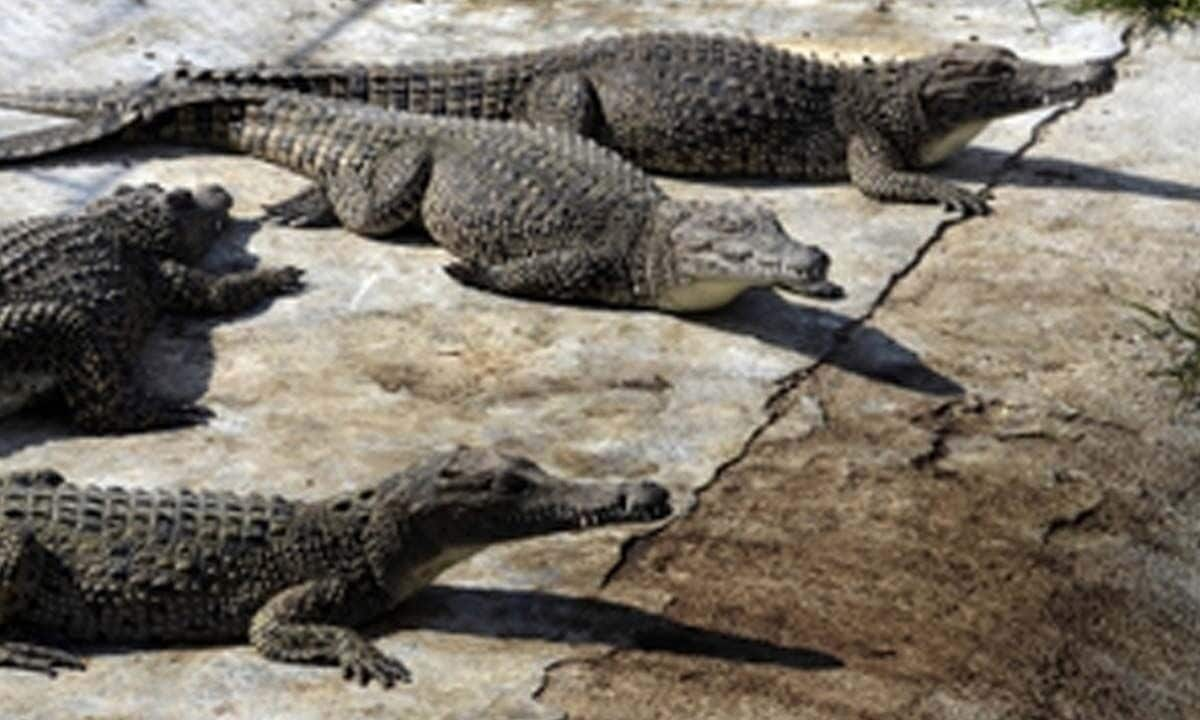
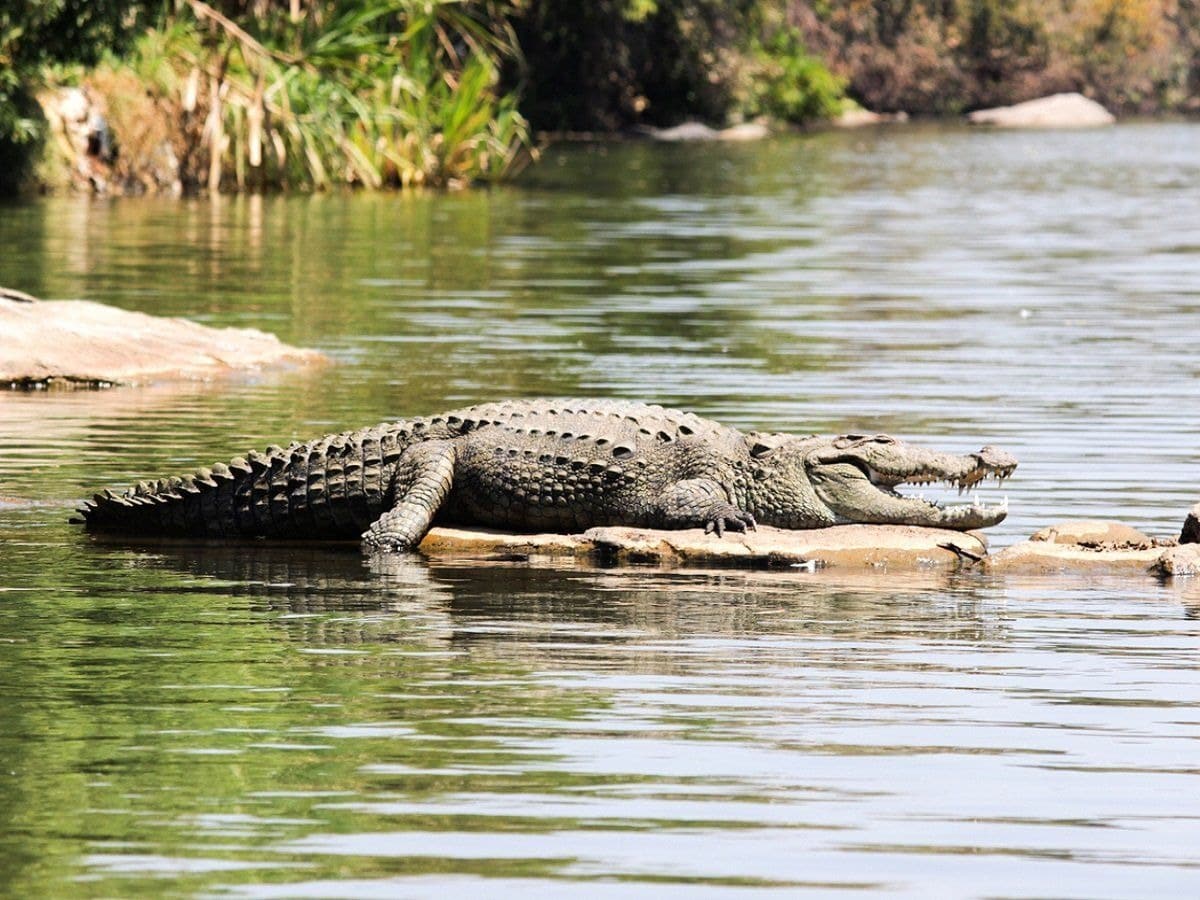
But why is it called “Crocodile River of India”? It is because of the large number of mugger crocodiles living in it. A 2025 census conducted by the GEER Foundation recorded 442 mugger crocodiles within a 21-kilometre stretch flowing through Vadodara. This stretch alone passes through a city with a population of over two million people. In certain sections, such as between Kala Ghoda and Akota Bridge, the density reaches about 44 crocodiles in just 1.4 kilometres.
Encounters between residents and crocodiles are not uncommon in Vadodara. During the monsoon, flooding happens that pushes crocodiles out of the river and into nearby areas. People have reported sightings on public roads, inside residential compounds and even under parked vehicles. These incidents often become part of the daily news during heavy rains.
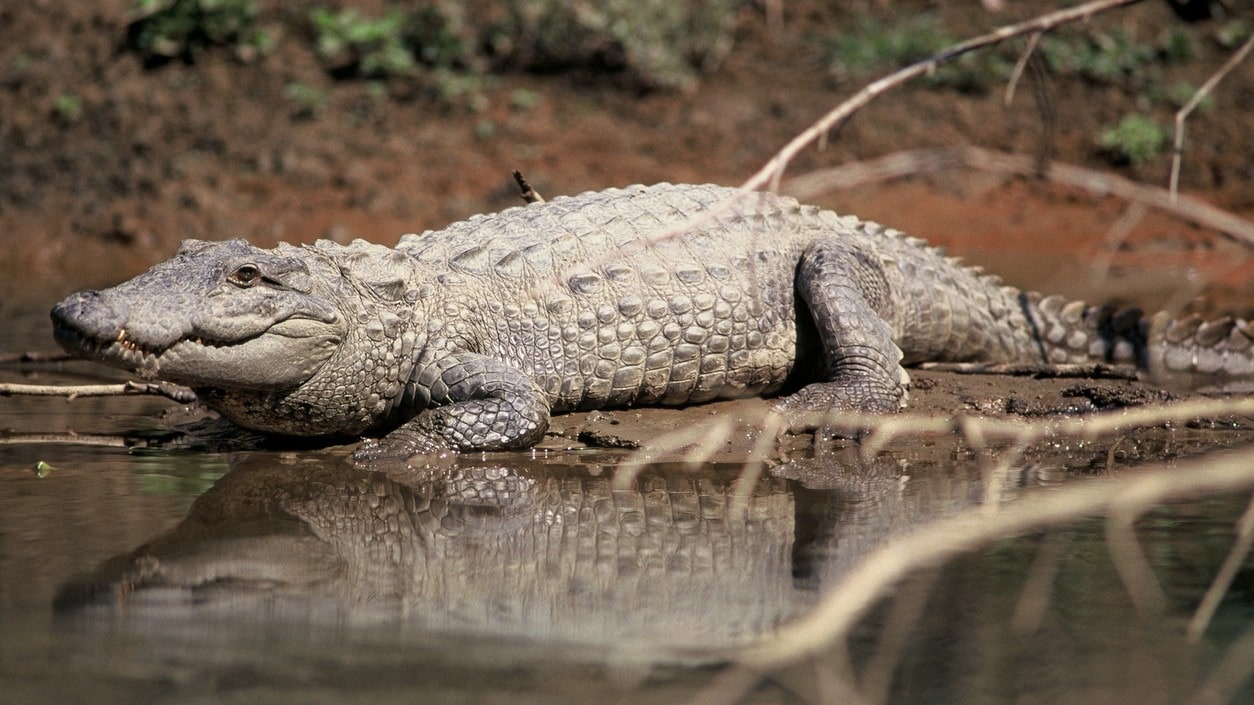
There are several factors which explain why mugger crocodiles thrive in Vishwamitri. The river provides a steady food supply in the form of fish. Animals such as stray dogs and pigs near the banks also become prey. At the same time, the heavy pollution in the river discourages human activities like swimming or washing. This reduces direct disturbance to the crocodiles in their natural habitat. Many residents see crocodiles as guardians of the river’s ecosystem. Over time, an unusual form of coexistence has developed between people and wildlife.
Beyond crocodiles, the Vishwamitri supports other forms of life. Its ravines are home to porcupines, civets and monitor lizards. The river area also attracts a wide range of birds and turtles. During flood-control dredging last year, more than 400 types of bird and turtle eggs were identified and protected.
The Vishwamitri River also holds strong historical and cultural importance. Archaeological evidence shows that human settlements existed along its banks as early as 1000 B.C. Several landmarks of Vadodara are located near the river. These include the ornate Chhatri on the Vishwamitri Bridge and the well-known Sayaji Baug, also called Kamati Baug. The river is named after the sage Vishwamitra. According to legend, Vishwamitra is believed to have attained the status of Brahmashri while meditating on these banks after reciting the Gayatri Mantra.
The river also faces several environmental challenges today. Large volumes of sewage and industrial waste from Vadodara flow directly into the river, which affects its water quality. Over the years, construction and encroachment along the floodplains have reduced the river’s natural capacity to carry excess water. This has increased the risk of flooding in many parts of the city during the monsoon season. To address these issues, the Vishwamitri Riverfront Development Project has been proposed with a focus on cleaning and improving the riverfront. Alongside this, the Vaho Vishwamitri Abhiyan is a movement that is working on ecological restoration efforts that include plantation work supported by drone technology.