
Latest update:
The Maharaja of Baroda hosted a dinner in honor of the Maharaja Scindia of Gwalior at the Laxmi Vilas Palace in Gujarat.




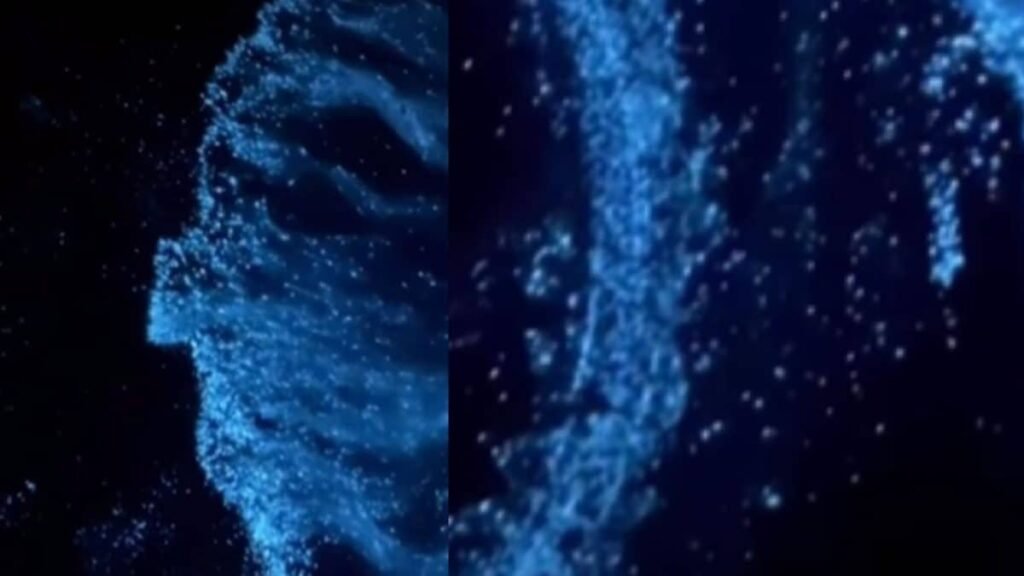
A video of a glowing Juhu beach has gone viral. (Image source: Instagram)
A rare natural phenomenon has reportedly been spotted at Juhu Beach in Mumbai. Known for being the backdrop to many Indian films and delicious street food, the beach was glowing at night, quite literally, a few days ago. Video clips circulating on social media show that the waves emit a bright blue light in the dark, as if they came straight out of a science fiction movie. This phenomenon, which scientists call ‘bioluminescence’, has rarely been seen at Juhu Beach.
A video of a glowing Juhu beach has sparked controversy on Instagram, with many people refusing to believe that one of Mumbai’s popular tourist spots could actually witness the phenomenon. Others claimed that the scene actually happened, but on a smaller scale than shown in the clip.
What is bioluminescence?
It is a natural phenomenon that occurs when an organism produces and emits light. Bioluminescence is produced by energy released from chemical reactions occurring within or removed from an organism. Fireflies are a common example.
Are fish also bioluminescent?
Many marine organisms can produce glowing light, such as plankton, some types of sharks, jellyfish, and others. Animals must have a molecule called luciferin, which produces light when it reacts with oxygen. Many animals also make luciferase, which can speed up the reaction of luciferin and oxygen.
For marine organisms, bioluminescence is a survival mechanism and helps organisms see in the depths of the ocean where light cannot reach. It is also useful for communication, attracting prey, or attracting a mate.
Why do waves glow due to bioluminescence?
Dinoflagellates, which are small organisms that live on the surface of plankton, are bioluminescent. When conditions are right, these single-celled organisms thrive in dense layers on the water’s surface, causing a brilliant sheen in the water at night. This can cause the waves to glow.
Where can I see bioluminescence in India?
Several places in India provide an opportunity to witness this phenomenon. One of the most famous locations is Panjaram Island, Lakshadweep. The uninhabited paradise occasionally emits a blue glow at night. Access is limited, so travelers need to plan ahead with reservations.
Swaraj Dwip (Havelock Island) and Andaman and Nicobar comes alive at night during parts of the year. The best time to visit is between November and February.
Juhu Beach in Mumbai is not the only one in the city witnessing this phenomenon. Bioluminescence has also been reported sporadically from Aksa Beach. Padubidri Beach in Karnataka and Betalpattim Beach in Goa are also popular.
Tips for observing bioluminescence in India
Visitors should keep in mind that the spectacle does not happen every day. Moonless nights are the best time to check out this phenomenon. For marine bioluminescence, monsoon and post-monsoon times, i.e. from June to September, provide ideal conditions.
People should choose locations away from city lights. It is best to visit the areas with an experienced guide, as many of the sites are considered environmentally sensitive areas. They should refrain from touching or collecting glowing objects.
Keeping these factors in mind will help visitors enjoy an unparalleled experience at the beach.
Delhi, India, India
10 February 2026 at 11:26 IST
Read more