
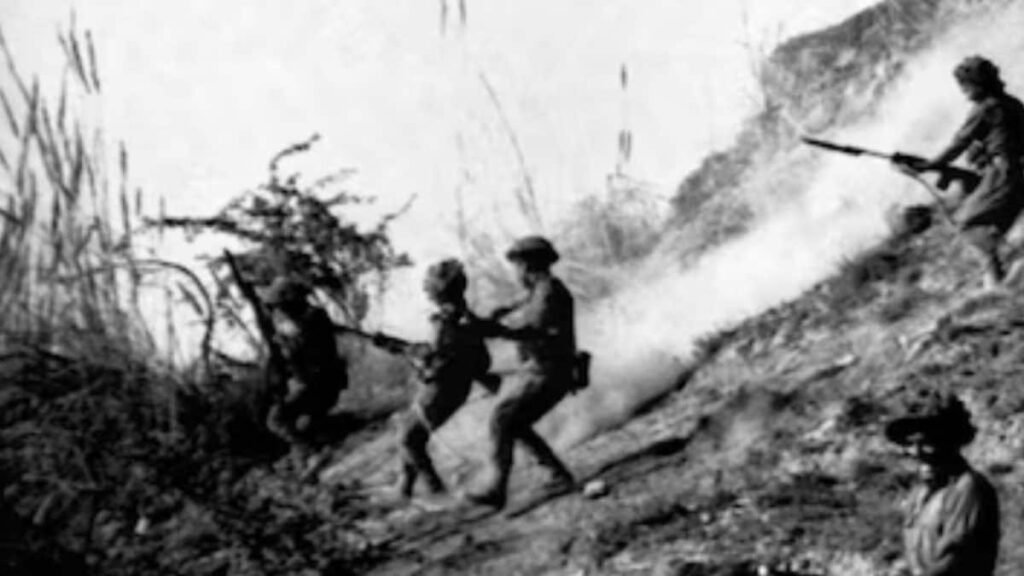
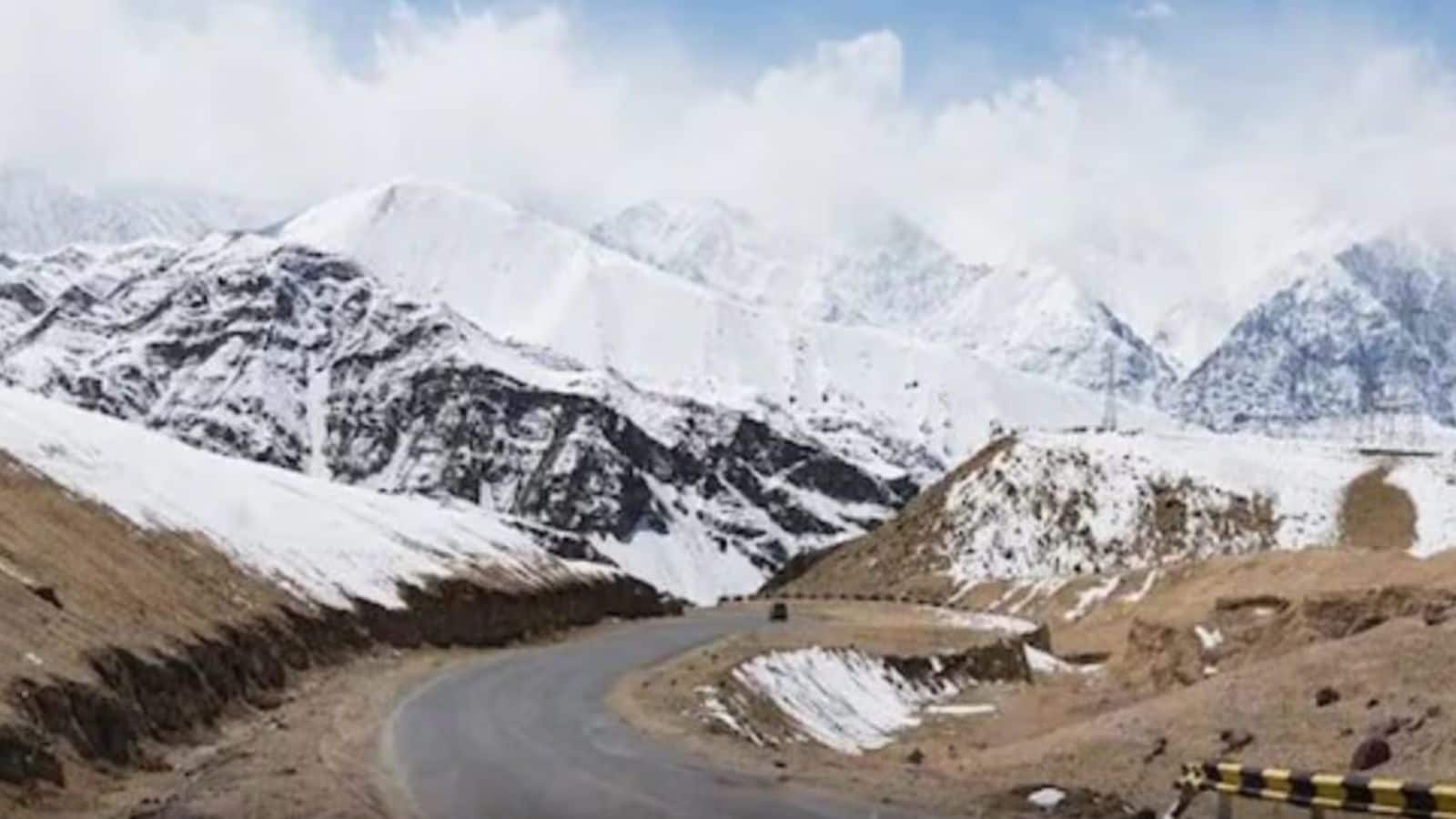
In 1971, a remote village in Ladakh became the focus of a daring military operation. Turtuk, located at nearly 11,000 feet along the Shyok River, had been under Pakistani control since the 1947-48 war. The village left on the other side of the Line of Control (LOC). For over two decades, it remained cut off from India. That changed during the Indo-Pak war of 1971 when Indian forces moved to reclaim it. Turtuk lies between the Karakoram Range and the Himalayas, southwest of the Siachen Glacier. Due to its position near the Saltoro Ridge and the Shyok Valley, it holds military value. During the 1971 war, an operation resulted in Turtuk returning to Indian control after 23 years.
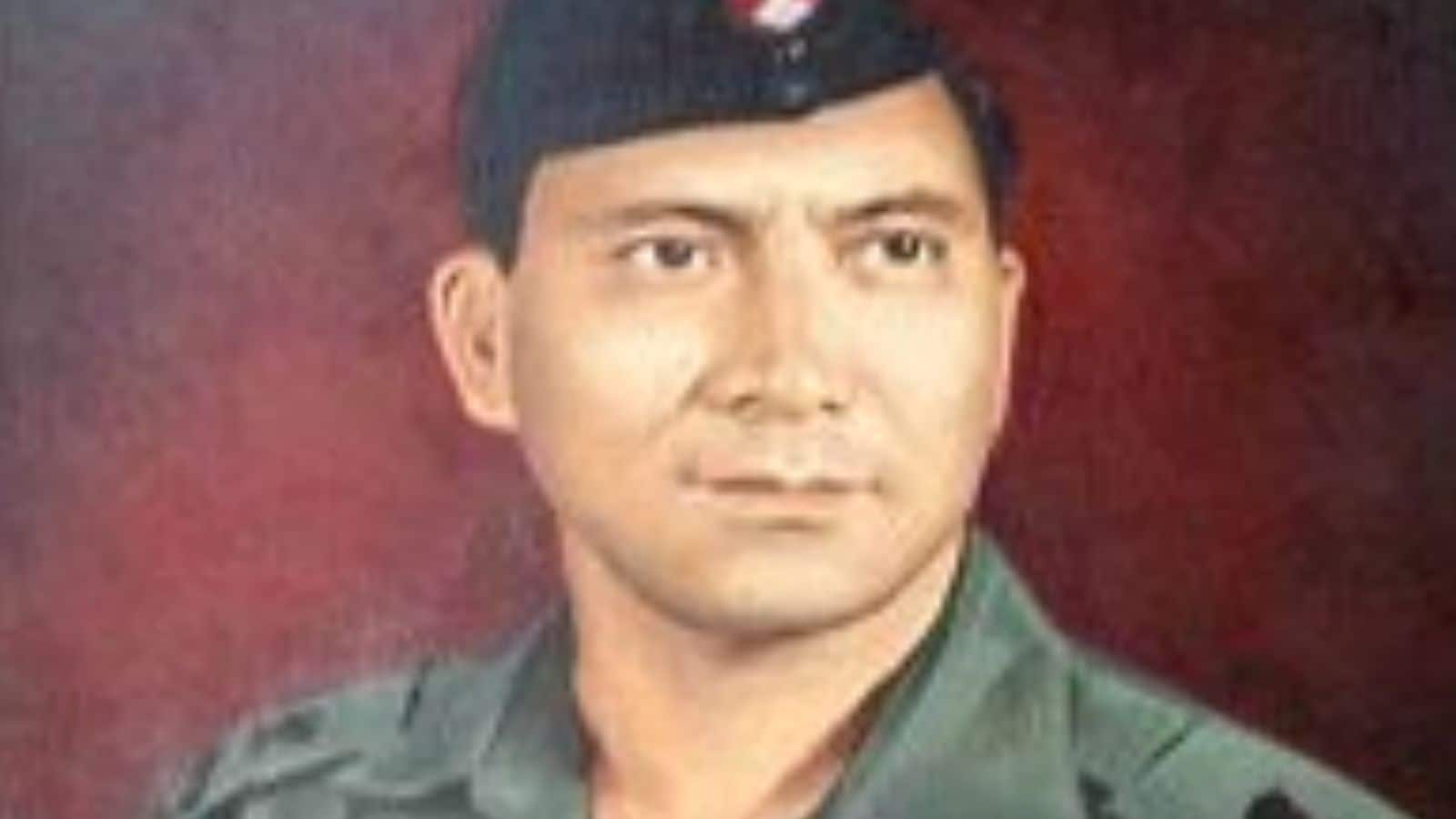
The officer who led this effort was then Major Chewang Rinchen of the Ladakh Scouts, according to a report in NDTV. When tensions with Pakistan escalated in 1971, he was sent to the Nubra Valley, around 150 kilometres north of Leh. There, he began mobilising nearly 500 local volunteers. These men were organised into four companies named Karakoram, Saser, Rimo and Saltoro, after the mountain ranges of the region. The formation came to be known as “Dhal Force.” The larger responsibility for defending Ladakh rested with the 3 Infantry Division under Major General SP Malhotra while the Nubra and Shyok sectors were overseen by Colonel Udai, Commanding Officer of the Ladakh Scouts.
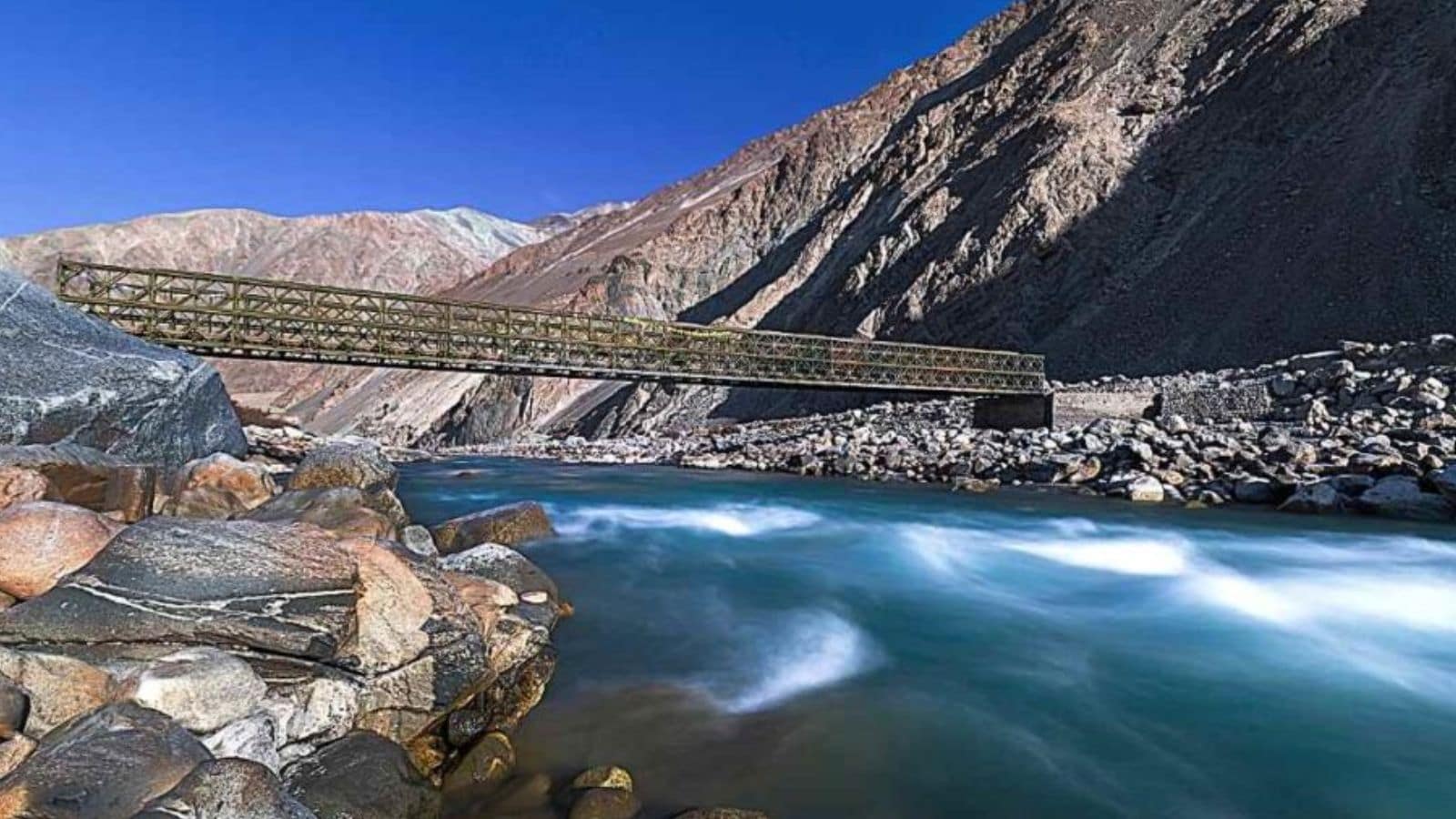
The base for operations in the valley was at Partapur. An Advanced Landing Ground had been built earlier in 1960 at THOISE (Transit Halt Of Indian Soldiers En Route Siachen). This airstrip later became central to logistics for Siachen. The objective in 1971 was to take control of Pakistani positions dominating the Nubra and Shyok valleys. Enemy posts were positioned along the Shyok River and were expected to resist strongly. Instead of launching a direct assault, Major Rinchen chose a more demanding route.
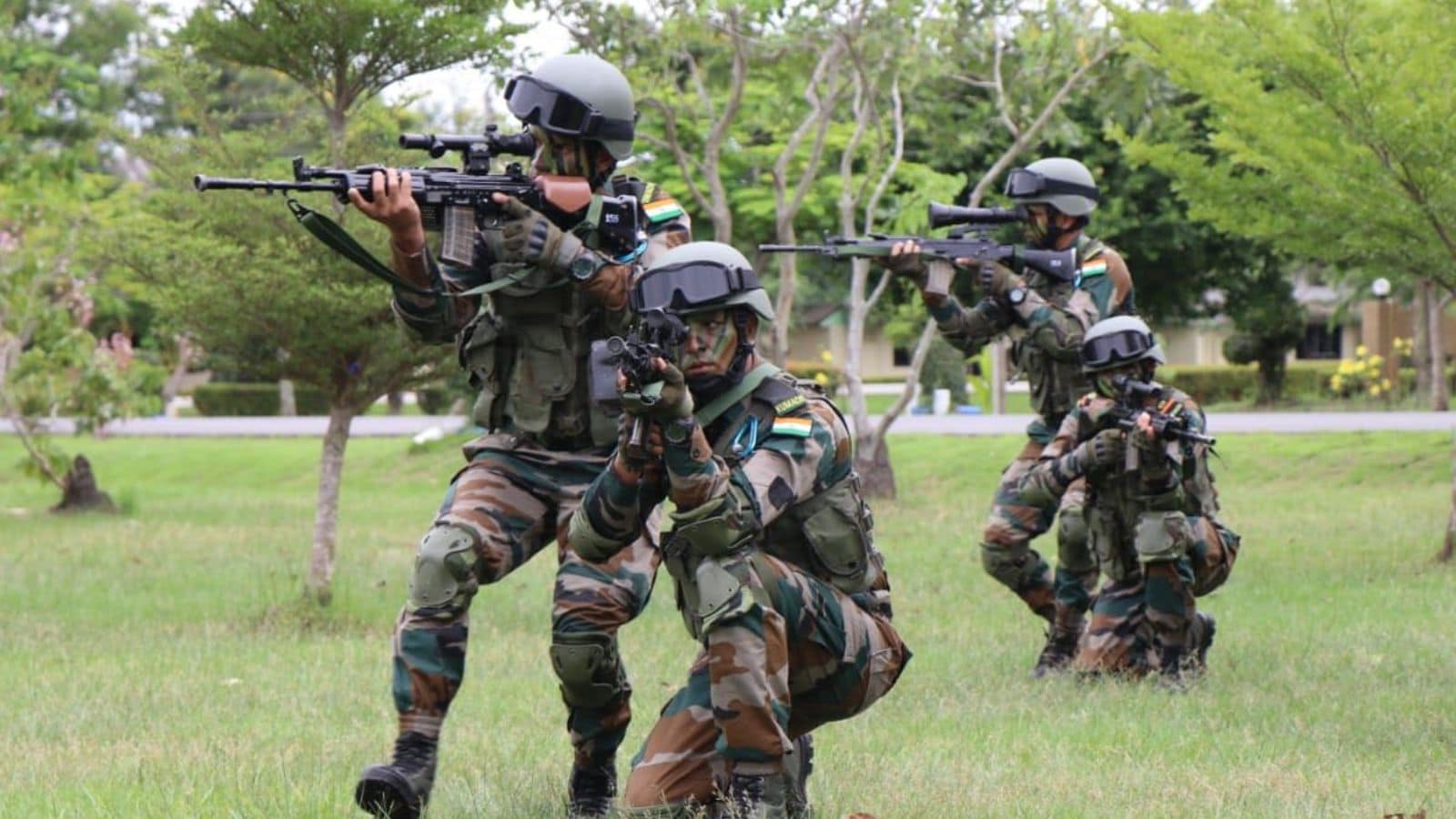
He ordered his troops to scale a steep height known as Point 18402. The climb was physically exhausting, carried out at altitudes exceeding 17,000 feet. To maintain surprise, a platoon was directed to approach from the rear and distract the defenders. The manoeuvre worked. Indian troops captured Point 18402 which is the highest post seized by India at the time. From this vantage point, they gained a clear line of sight over Turtuk, Chulunkha and the THOISE area.
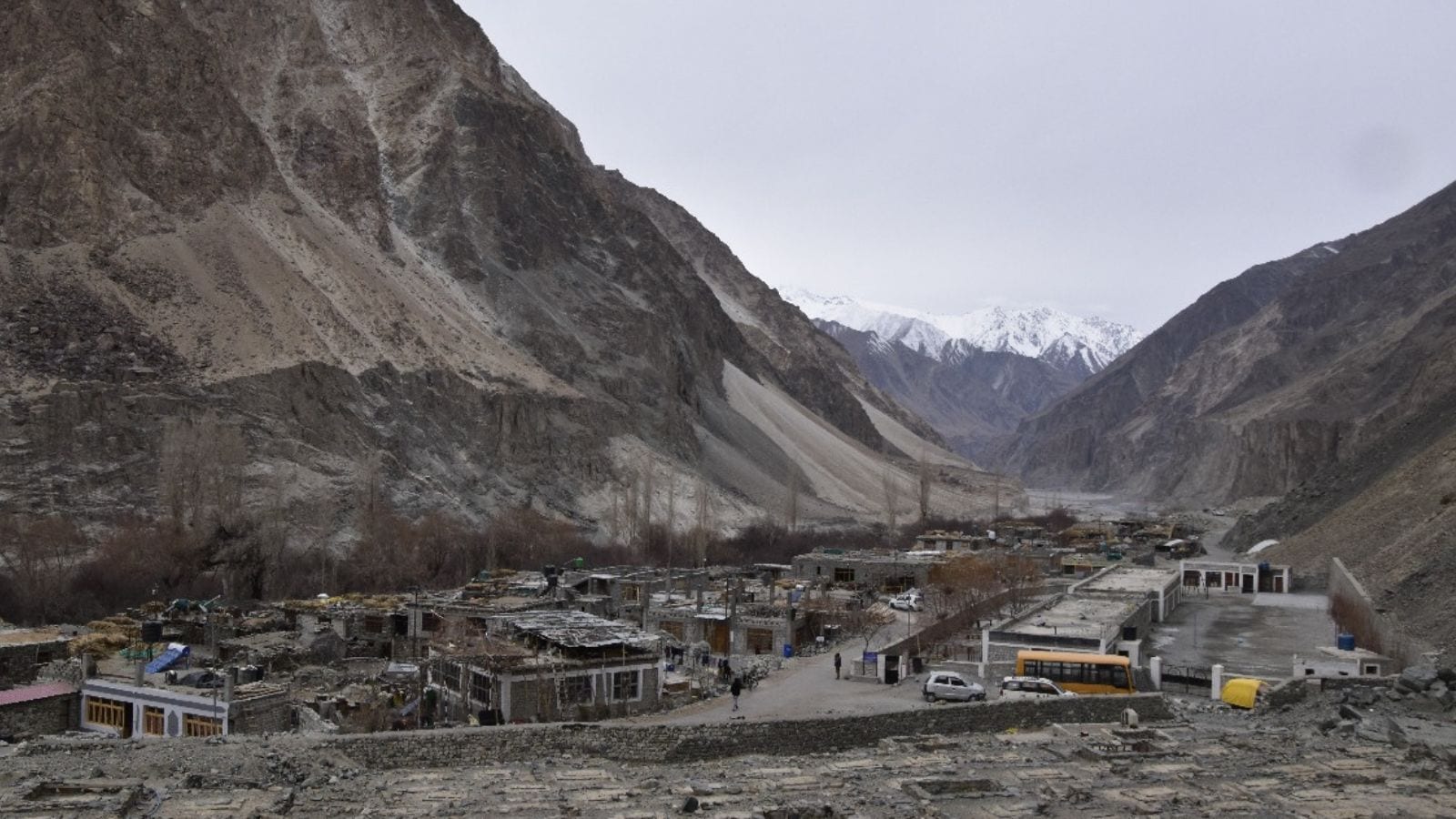
After securing the height, the troops moved towards Chulunkha and advanced further. The momentum continued with successive gains. Eventually, Turtuk came back under Indian control. Major Chewang Rinchen was awarded the Maha Vir Chakra for the second time for his leadership in extreme weather and terrain. The ceasefire of December 16, 1971 halted further advances.
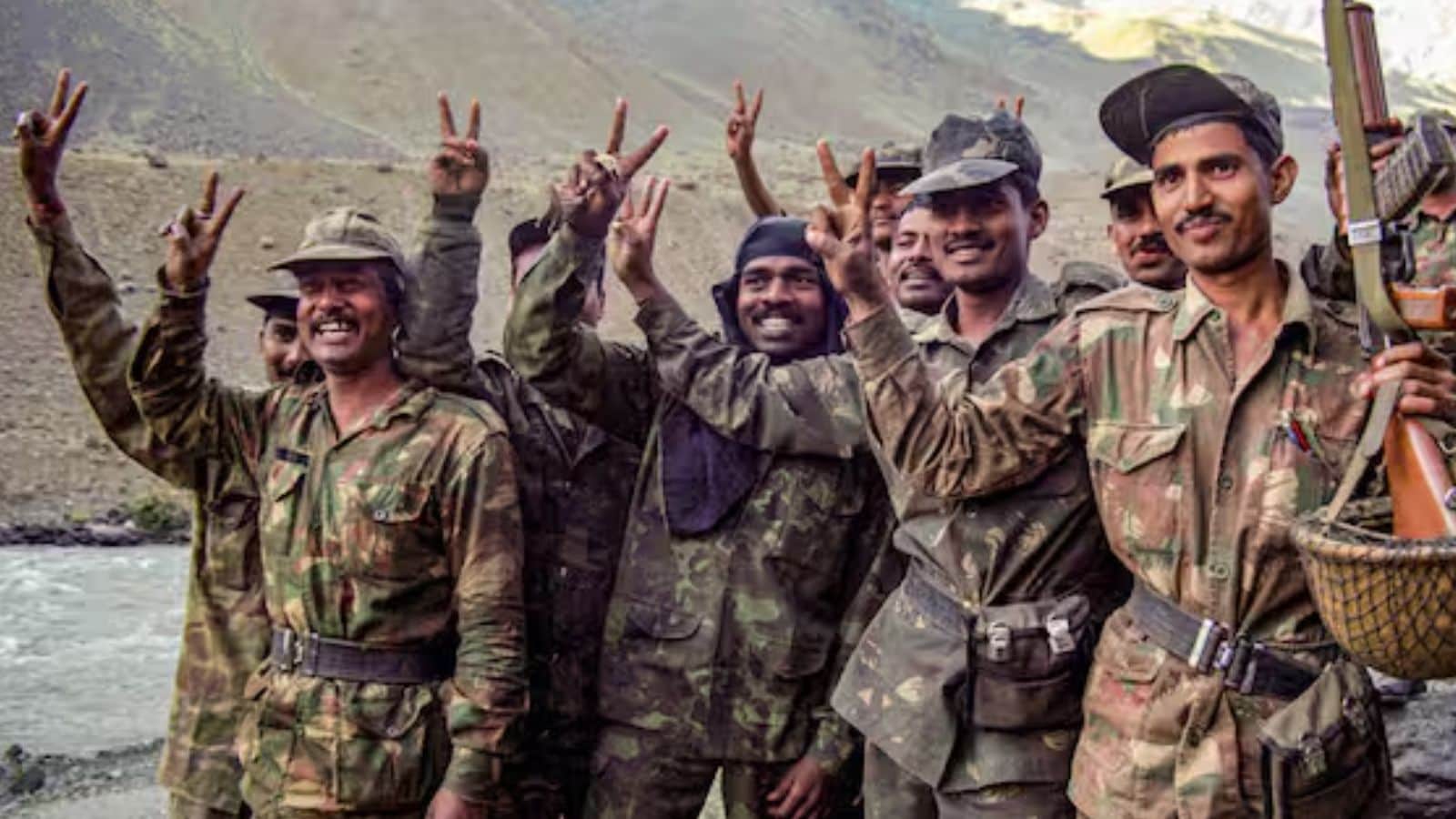
Years later, Turtuk again came under threat during the 1999 Kargil conflict. The Kargil sector is divided into sub-sectors such as Mushkoh, Dras, Kakasar, Yaldor, Batalik and Turtuk, the last of which is also referred to as Sub Sector West. According to NDTV citing Kargil Review Committee report, Pakistan’s military leadership sought to alter LOC under the cover of nuclear deterrence. One of the aims was to cut off supply lines to Leh via National Highway 1A. Another objective was to outflank Indian positions south of Turtuk and weaken defences protecting both Turtuk and Siachen.
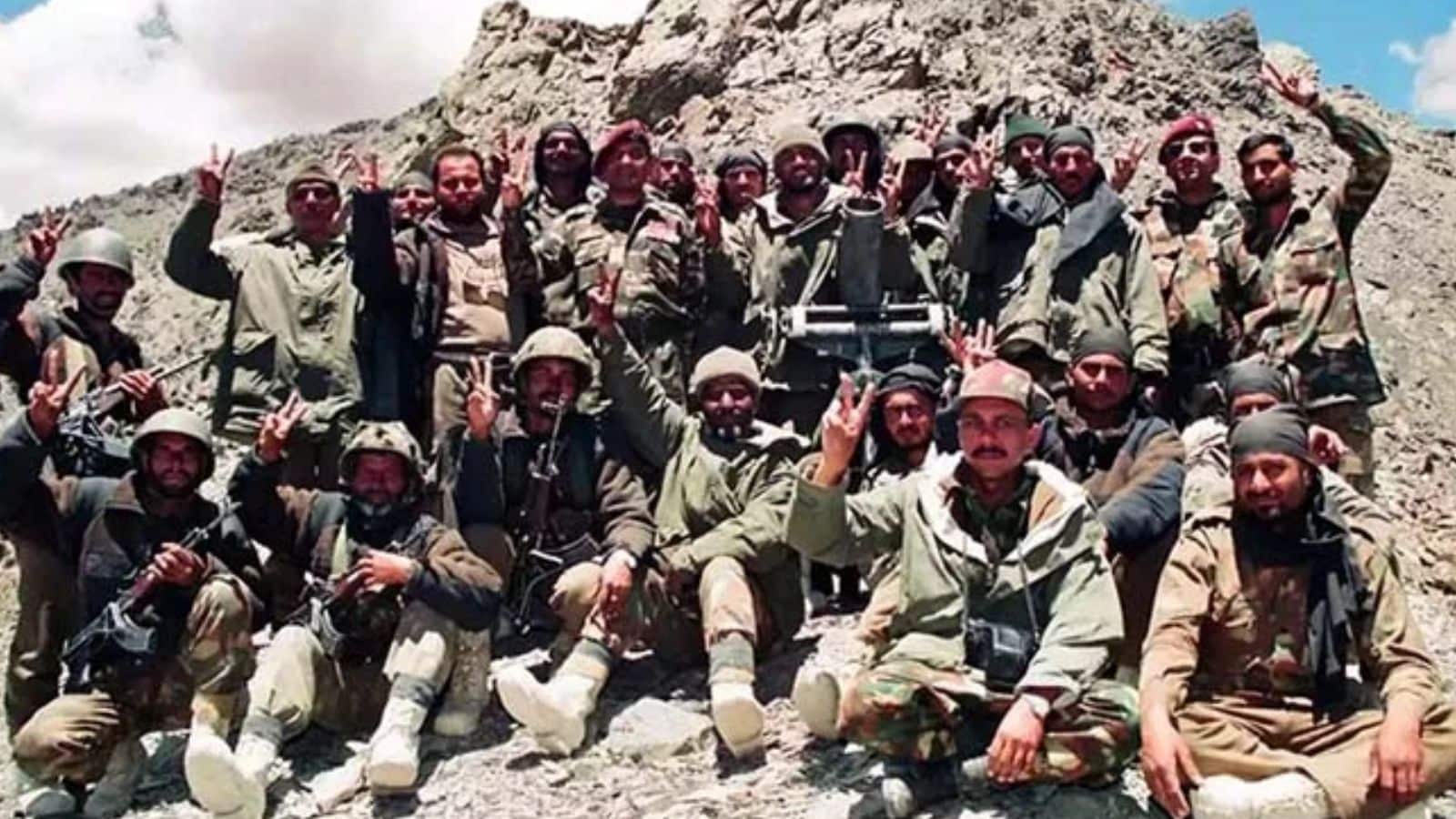
Responsibility for the wider Kargil defence lay with the 121 Infantry Brigade while Turtuk fell under the 102 Infantry Brigade. The review committee noted several stretches along the sector that had gaps such as areas in Mashkoh Valley, Marpola to Bimbat, Bimbat to Kaksar and Yaldor. In the last week of April 1999, seven Pakistani helicopters were observed flying in the Turtuk area carrying under-slung loads. A patrol sent on May 6 was ambushed. Further patrols on May 16 and May 19 confirmed enemy presence at five locations along and across LOC.
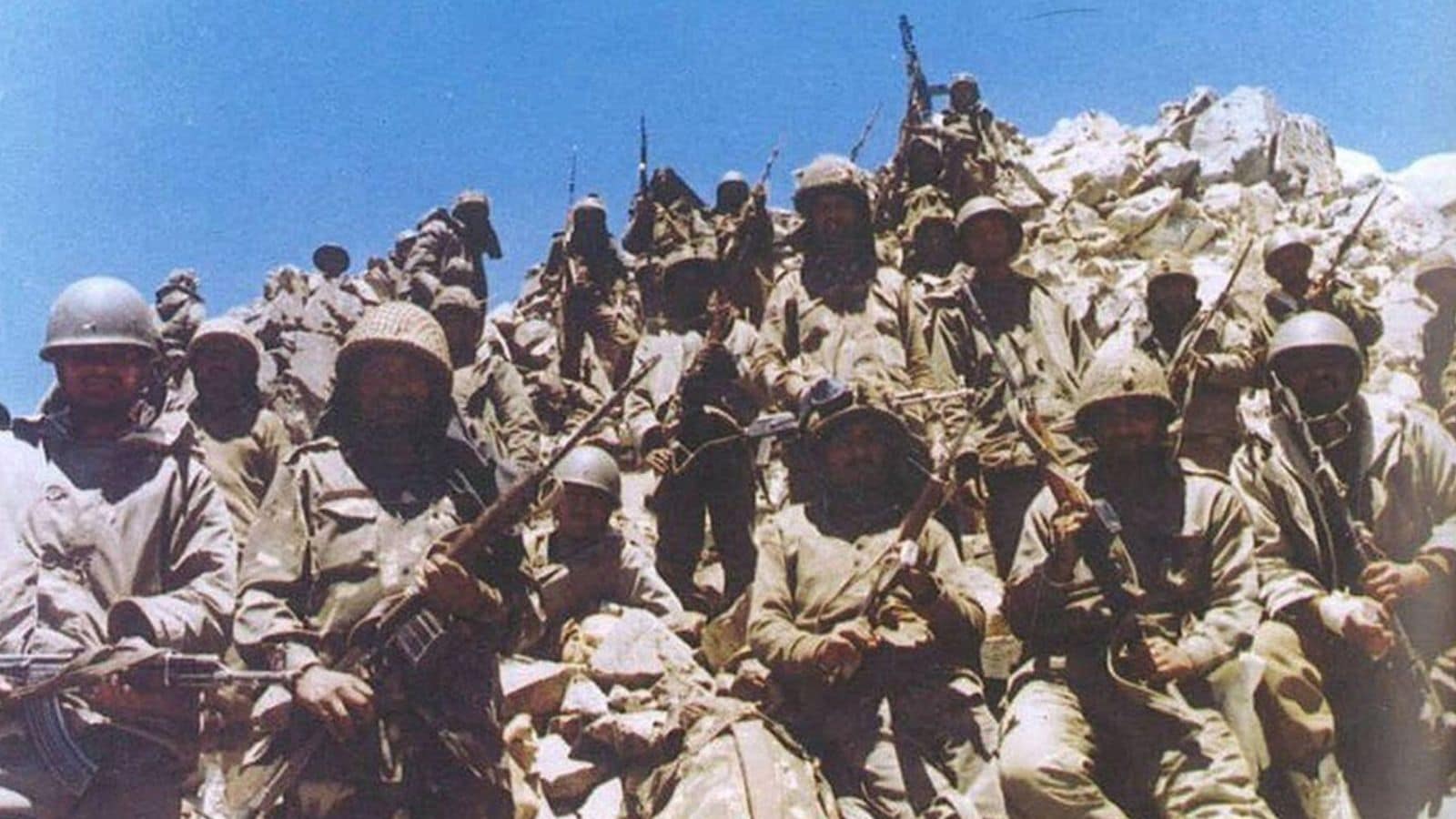
To push back the intruders, the Indian Army launched Operation Vijay. In the Turtuk sub-sector, the specific plan was called Operation Thunderbolt. Brigadier PC Katoch, commanding the 102 Infantry Brigade, decided to secure positions up to Chorbat La to prevent further expansion by the enemy. The task of evicting infiltrators was given to 11 Rajputana Rifles under Colonel Anil Bhatia with support from 5 Vikas of the Special Frontier Force. The approach involved occupying defences along the Turtuk Lungpa and then targeting Point 5500.
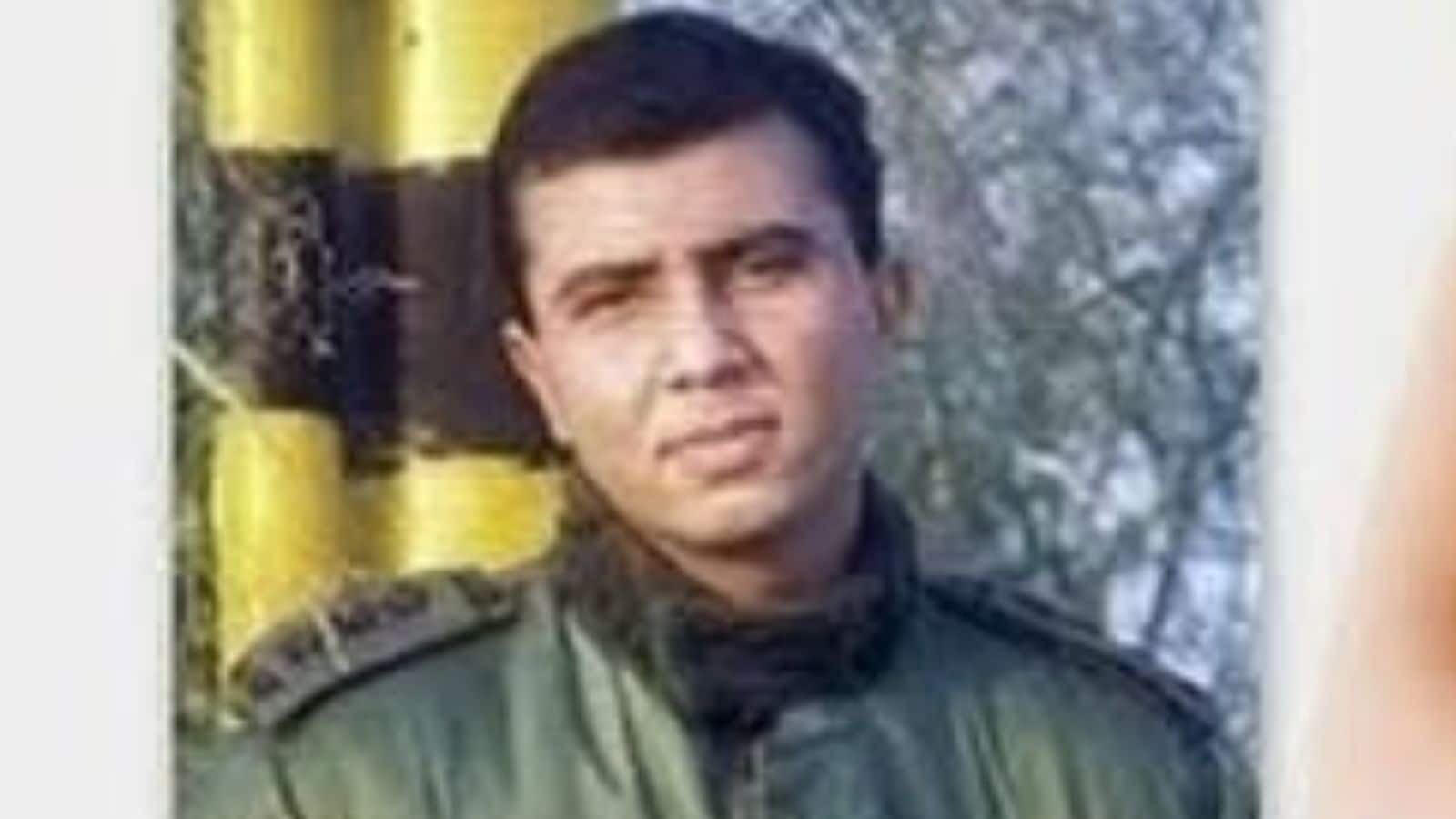
On the night of June 6-7, a patrol led by Captain Haneef Uddin moved to capture Point 5590. The team advanced from a position he had secured the previous night at 18,500 feet in freezing temperatures. When they were about 50 metres from the objective, heavy firing began from elevated enemy positions. Despite being wounded by gunshots and artillery fragments, Captain Haneef continued providing cover fire so his men could reposition. The patrol eventually secured Point 5590, but Captain Haneef Uddin lost his life during the operation. The area was later renamed Sub Sector Haneef and he was awarded the Vir Chakra posthumously.
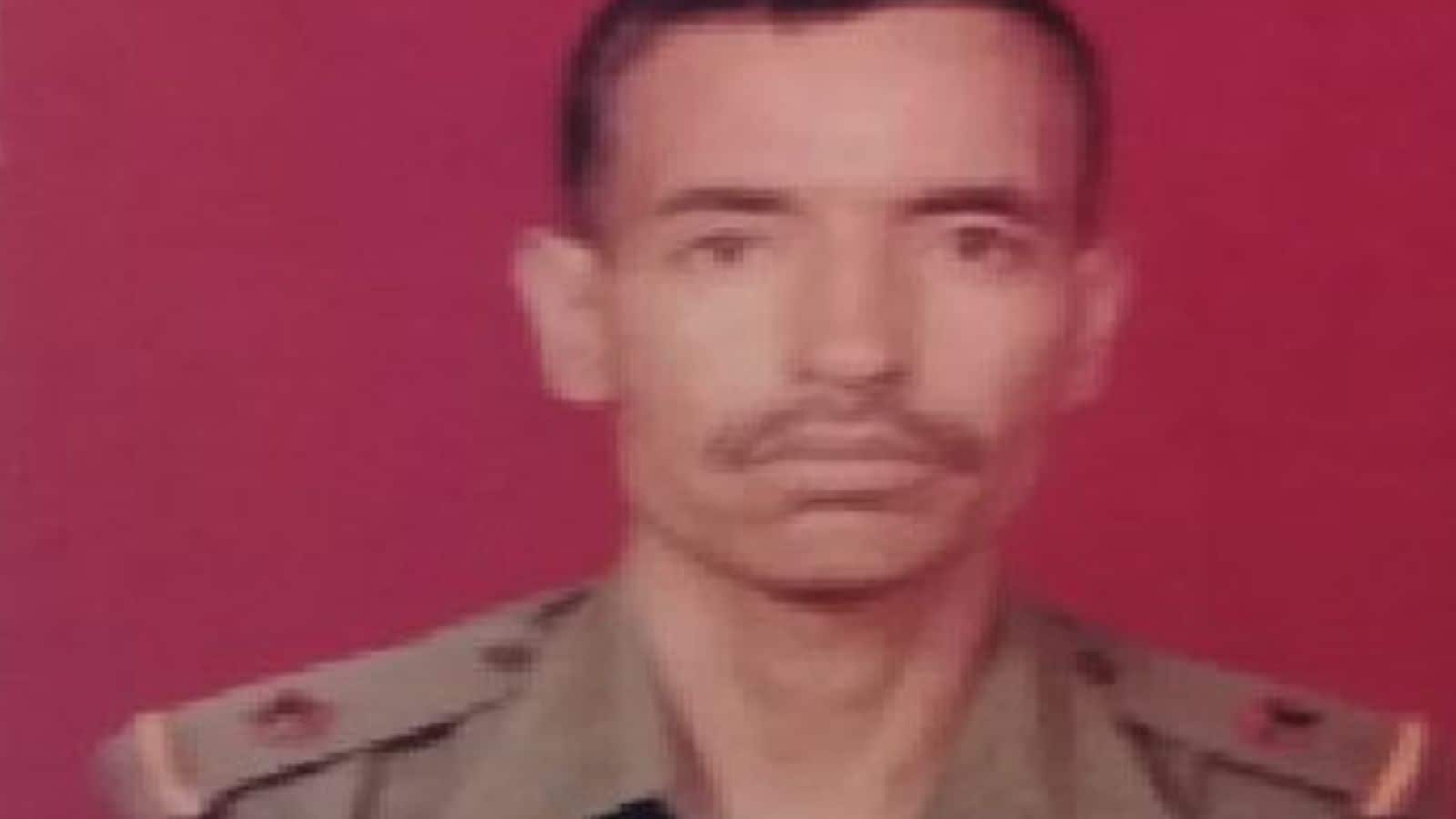
Naib Subedar Mangej Singh, part of the same patrol, was handling a Medium Machine Gun detachment. He was shot in the chest during the exchange but kept firing to shield his team. His actions enabled the patrol to avoid greater casualties. He too was awarded the Vir Chakra posthumously. Turtuk’s proximity to the Saltoro Range, which forms the Actual Ground Position Line north of NJ9842, makes it sensitive from a defence standpoint. If the village had remained under Pakistani control, Indian positions in Siachen and the THOISE base would have faced direct vulnerability from the western slopes of the Saltoro Ridge.