


Turkey has introduced strict rules to manage the disposal of vegetable oils in households. Pouring used cooking oils into sinks or drains is now completely banned. This is part of an environment initiative which is aimed at reducing pollution. Municipalities are being tasked with collecting waste oils directly from residences to ensure safe disposal.

According to a report in the Turkish daily, Daily Sabah, the decision is part of the Zero Waste Movement, led by wife of President Recep Tayyip Erdoğan, Emine Erdoğan. The initiative emphasises that retailers are responsible for collecting used oils from consumers. People are now expected to bring their used oils in sealed containers to stores which will then deliver them to licensed biorefineries or official collection points.
The Ministry of Environment, Urbanization and Climate Change has revised the “Regulation on the Management of Vegetable Waste Oils” draft. Under these rules, used oils cannot be poured into sinks, sewers, the sea, soil or any other environment. Homeowners must
hand over frying oils, cooking oils and other vegetable oil residues to municipal collection centers, drop-off points, mobile collection units or sales points.
As per the report, municipalities are required to set up systems for collection both fixed collection points and mobile units. Retail markets and other sales points are also expected to accept waste oils in leak-proof containers and ensure their transfer to
licensed facilities. The move is designed to prevent environmental contamination and make safe disposal accessible to all citizens.
All types of vegetable oil packaging, from sunflower and olive to corn and hazelnut oils, will display a visible notice that advises consumers not to pour used oils into sinks. Once collected, these oils will be sent exclusively to licensed biorefineries or
approved transfer centers, where they will be processed into biodiesel or sustainable aviation fuel. Using these oils again for cooking, mixing them directly into fuel or converting them into animal feed or cosmetic products will not be allowed.
Restaurants, hotels and food production units are considered “vegetable waste oil producers.” These businesses are required to have a contract of at least one year with a licensed biorefinery or authorised collection facility to manage their used oils. The
report citing research pointed out that pouring just one litre of waste oil into drains can pollute up to one million litres of drinking water. This is equal to wasting the annual drinking water supply of approximately 15 people.
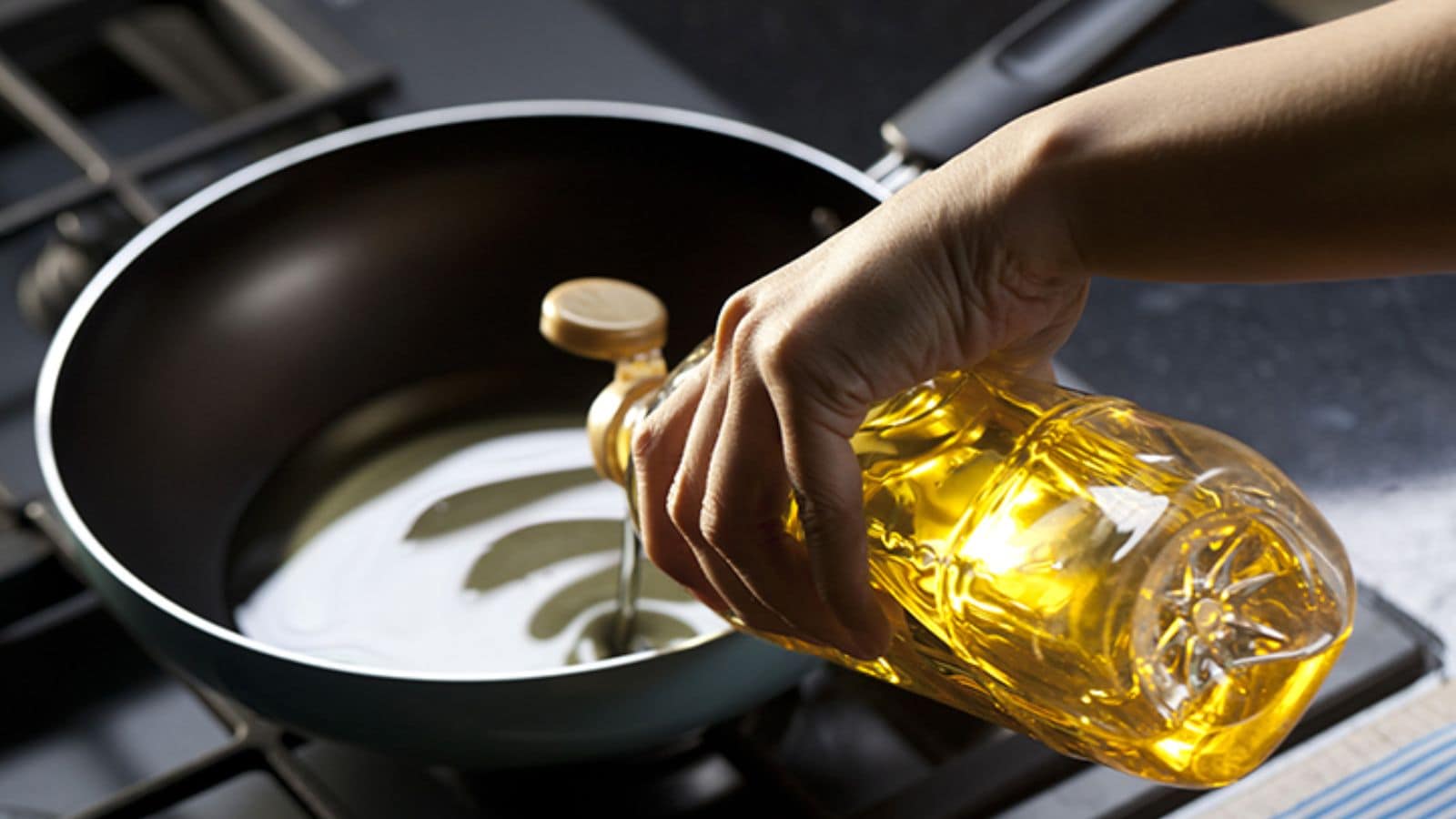
Improper disposal of cooking oils doesn’t just harm the environment, it also creates problems in home plumbing and city wastewater systems. When leftover oils, fats or roasted food residues go down the sink, they build up over time and form fatbergs, which
are massive blockages in pipes. “When you get blocked sewers, you get all sorts of problems,” Professor Stuart Khan, a water quality expert, told The Guardian. These blockages can lead to raw sewage overflowing at unexpected points which may cause serious
health and maintenance issues.
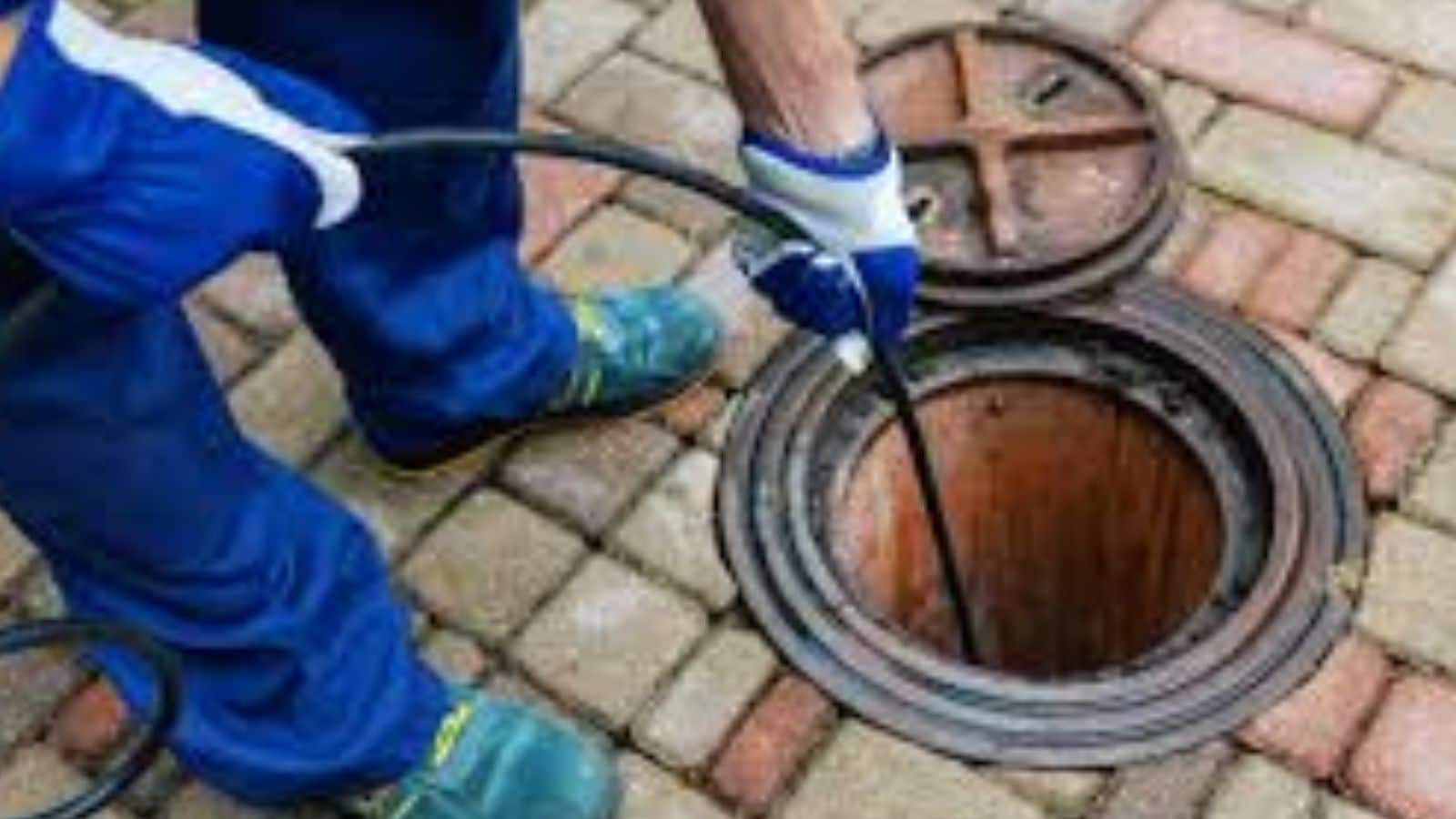
Even though oil looks liquid in the kitchen, it solidifies inside pipes and sticks to other materials like wet wipes or leftover food. Over months or years, this slow accumulation can clog plumbing and reduce the efficiency of wastewater treatment. Small, everyday
actions like rinsing pans after cooking meat or frying may seem harmless but they are slowly turning into a health scare.
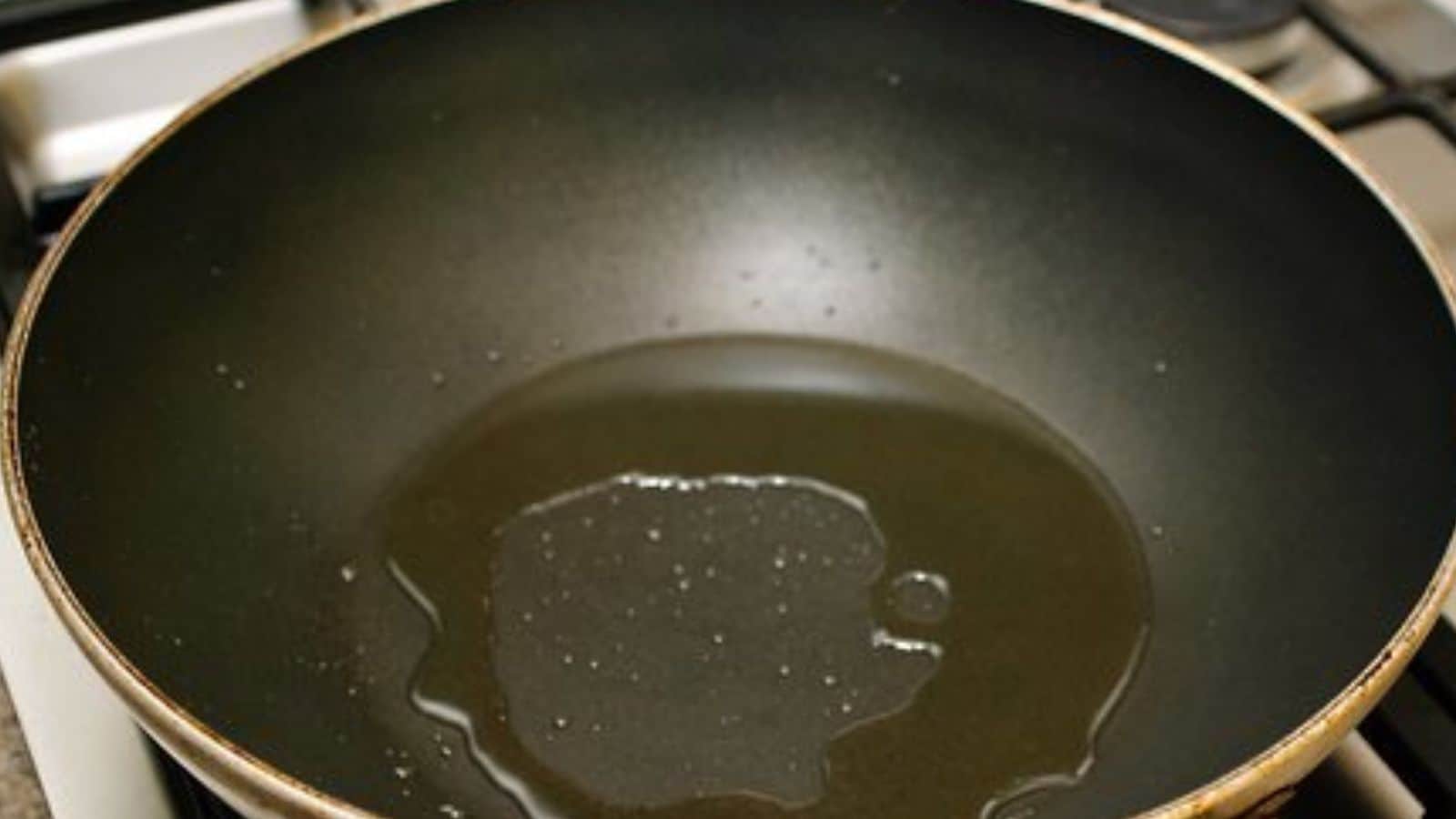
Experts recommend easy steps to reduce these problems at home. “If we have a frying pan with some oil or some sticky material, can we use some paper towel to wipe that off and put that into the bin rather than into the sink,” Professor Faisal Hai from the University
of Wollongong advised. Wiping excess grease before washing can significantly lower the amount of fat entering the system.
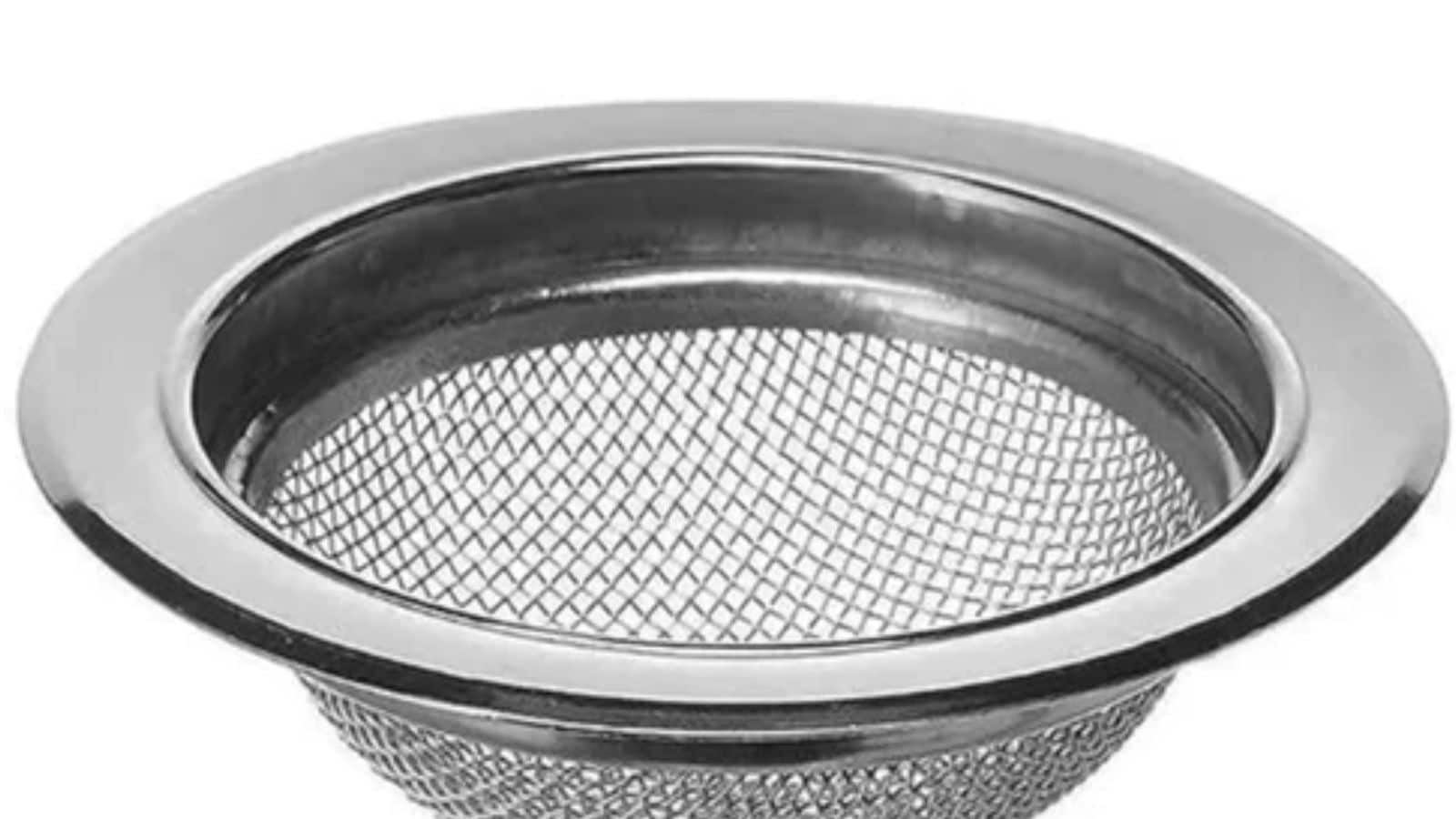
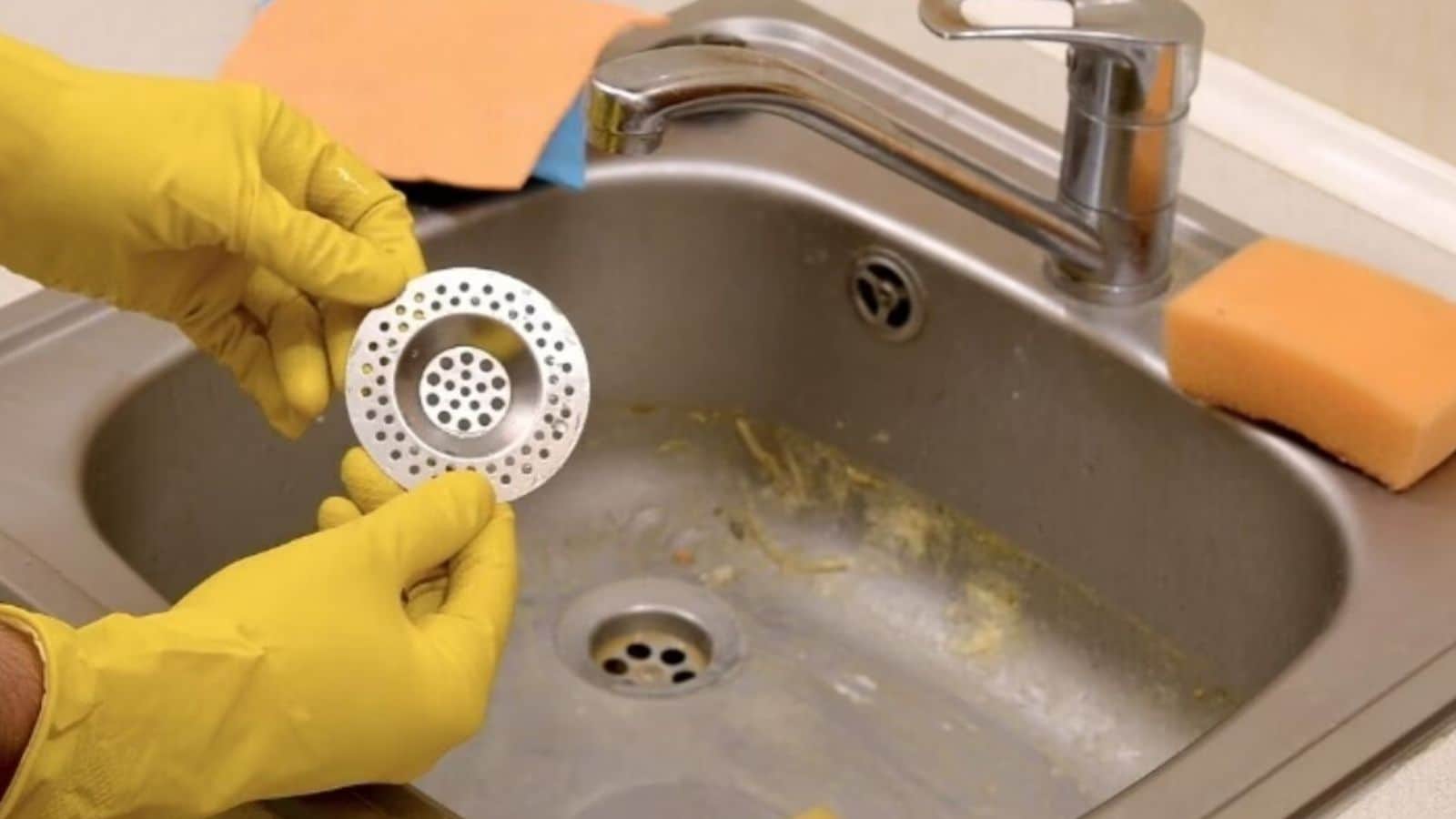
Larger amounts of leftover oil or stock can be stored in sealed containers and thrown in the trash while sink strainers help catch food scraps before they enter pipes. In-sink garbage disposals are discouraged as they increase the load on wastewater systems,
according to The Guardian. Following these simple steps ensures that household oil disposal does not contribute to water pollution or blockages.