Latest update:
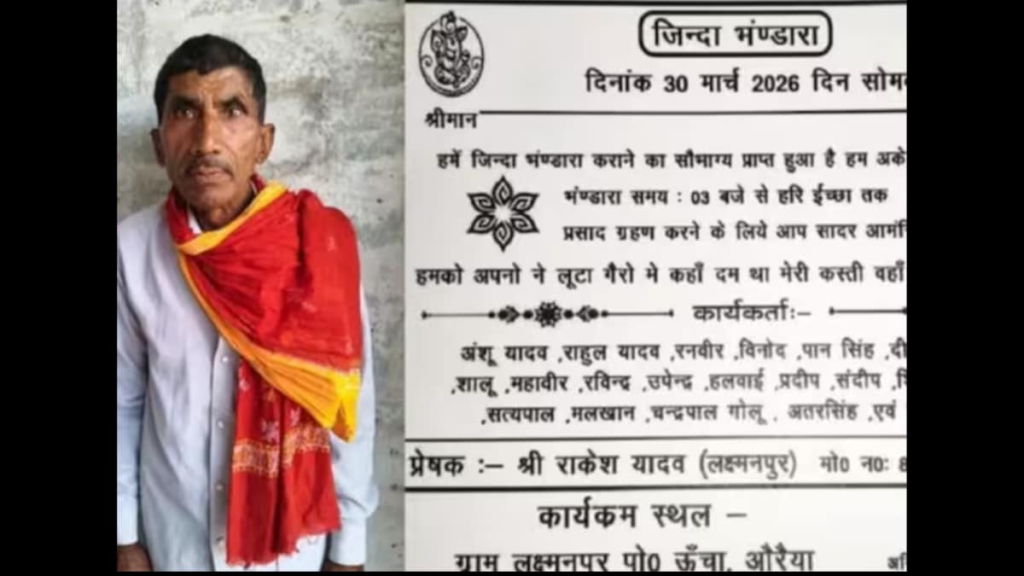
Alone and wary of his relatives, an elderly Oriya man hosted his own ‘jinda bhandara’ on March 30, turning the tradition of a village feast into a personal celebration.



Rakesh, fearing that there would be no one to care for him or perform his last rites, decided to host his own ritual feast while he was still alive.
A notable incident came to light in Uttar Pradesh’s Oraya district, where an elderly man chose to host someone bhandara (feast) symbolizing the “thirteenth day ritual”, traditionally held after death, for oneself while alive. The event, held in Laxmanpur village, attracted widespread attention, with arrangements being made for around 2,000 guests.
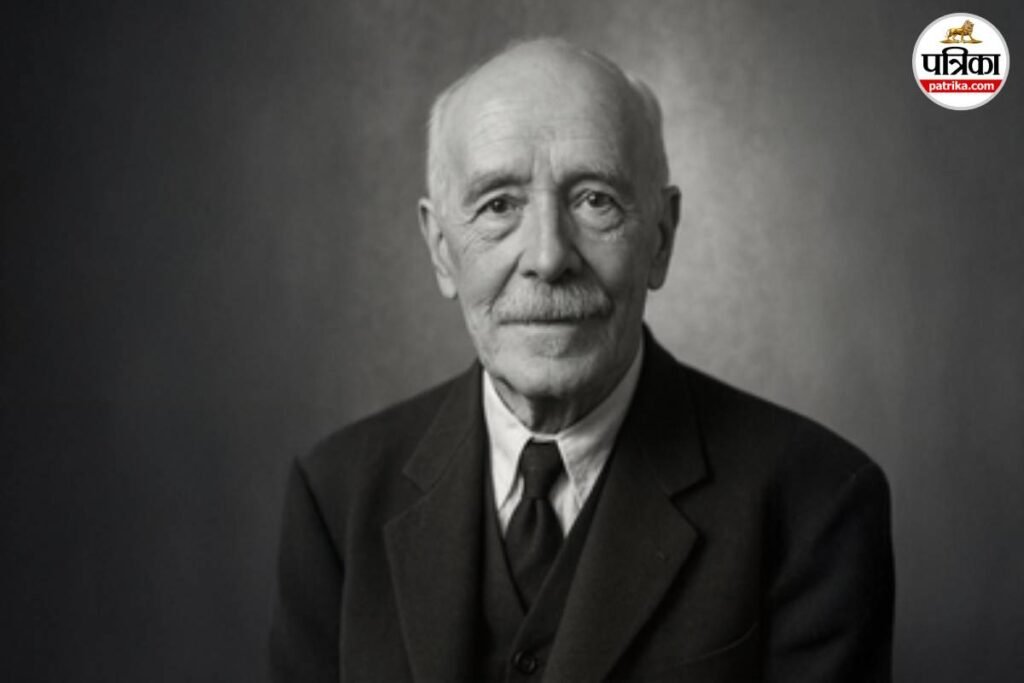
What makes the event particularly unusual is that the host distributed invitation cards bearing his photo with the title Jinda Bhandara (Living Eid) among the population. The card has since gone viral on social media.
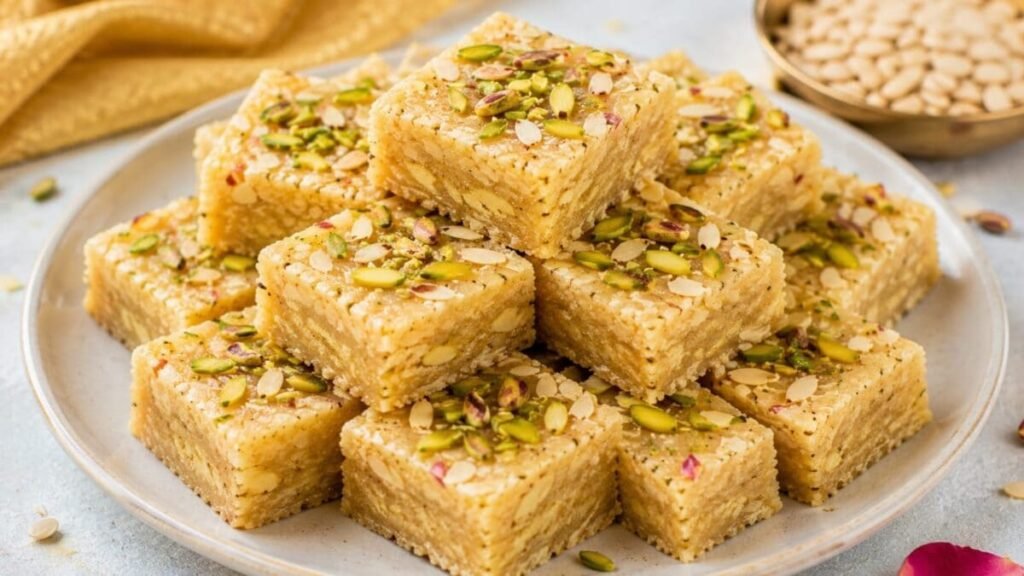
The feast began at three o’clock in the afternoon on March 30, and preparations were in full swing. Large quantities of food were cooked laddus They were prepared in advance, while women, young men and old people were busy making them pure, kachorisAnd vegetable dishes.
The man behind the feast
The organiser, Rakesh Yadav, 65, is a resident of Laxmanpur village. He is not married, and he invited people from nearby villages to attend the holiday, which he chose to hold on Monday.
Rakesh is one of three brothers, two of whom have died. His brother Chandrapal Yadav died due to illness and his other brother Naresh Yadav was killed. None of the brothers ever married. These personal tragedies left a deep void in his life. However, he has a married sister.
According to Rakesh, he feels that he has no one to support him in his old age, nor anyone to perform his last rites or organize the rituals on the thirteenth day after his death. This increased interest prompted him to arrange the ritual feast himself while still alive.
He reportedly donated his ancestral home to a relative and now resides in a modest shack.
A talking point across the village
The news of the “Living Thirteenth Day Feast” sparked widespread discussion in the village. While some view it as an expression of deep loneliness, others interpret it as a reflection of their emotional state.
Rakesh explained that the event included only the meal and not the Between Dan (Traditional ritual performances associated with the 13th day ceremony).
He pointed out that his married sister has two sons and a daughter, but he believed that no one would care for him in his later years or organize such a feast on his behalf. Although he has many relatives, he does not trust anyone. After spending his life in the village and attending other people’s ritual meals, he fulfilled his desires by hosting his own feast in the presence of the community.
Oraya, India, India
31 March 2026 at 08:41 IST
Read more