

Latest update:
Kolkata, the most modern city of ancient India, is still known around the world for its timeless architecture. Here we tell you about 8 such buildings, which make Kolkata not just a city, but a living collection of history, culture and heritage.
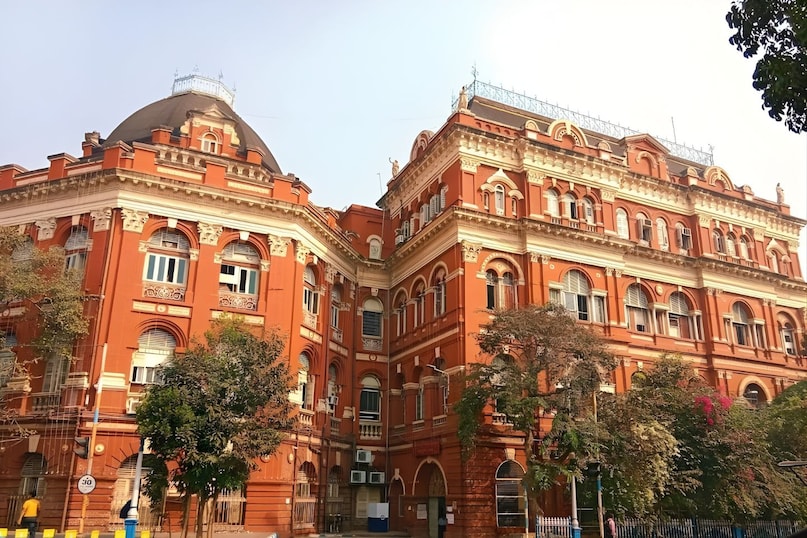
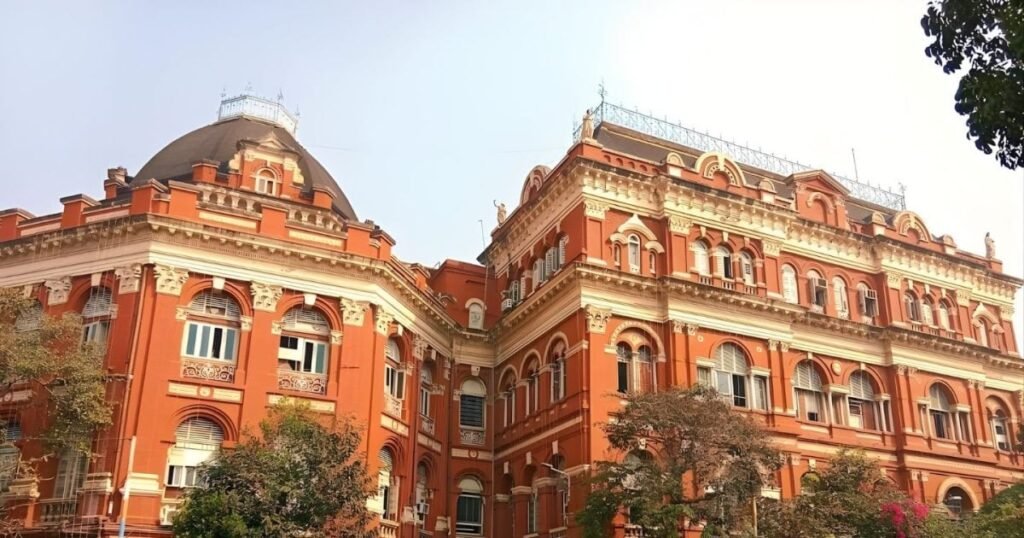
Writers’ Building (1777) – Originally built to house junior clerks (clerks) of the East India Company. Its architecture is in Greco-Roman style, which makes it very luxurious and different. Its long red corridors have witnessed many changes from the British rule to the modern polity. This building is an important part of administrative history.
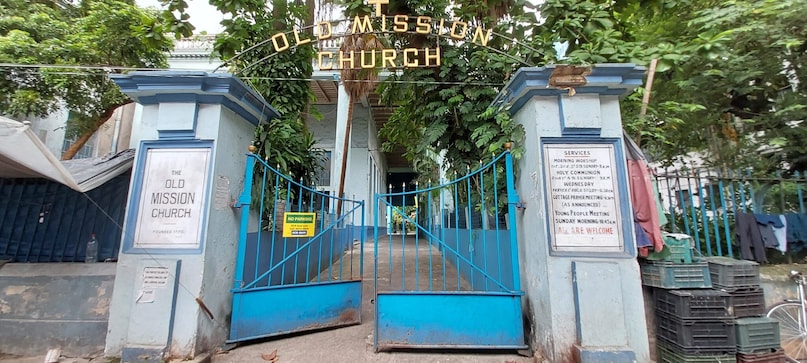
Old Mission Church (1770) – the oldest Protestant church in Kolkata. It was built by the Swedish missionary Johan Zacharias Kernander. This church is still considered a beautiful example of early religious architecture of the British period. Its simplicity and retro design make it special.
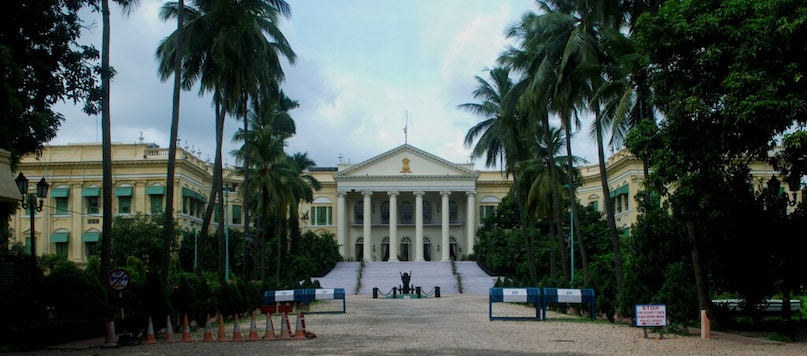
Raj Bhavan (1803) – today the official residence of the Governor of West Bengal. It is a huge building built in neoclassical style. It has large Ionic columns and beautiful gardens. This building reflects the royal and colonial heritage of Calcutta.
Add News18 as
Favorite source on Google
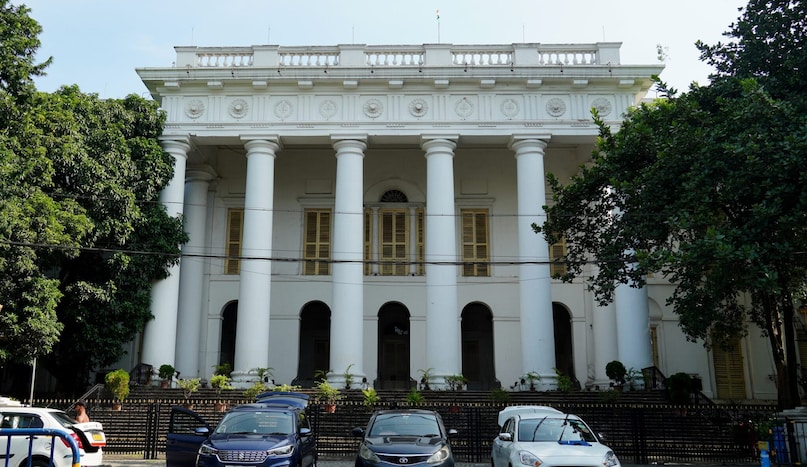
City Hall (1813) – a magnificent building built in the Romanesque Doric style. Many important historical meetings have been held here. Today it is used as a museum where the political and cultural history of Calcutta is preserved.
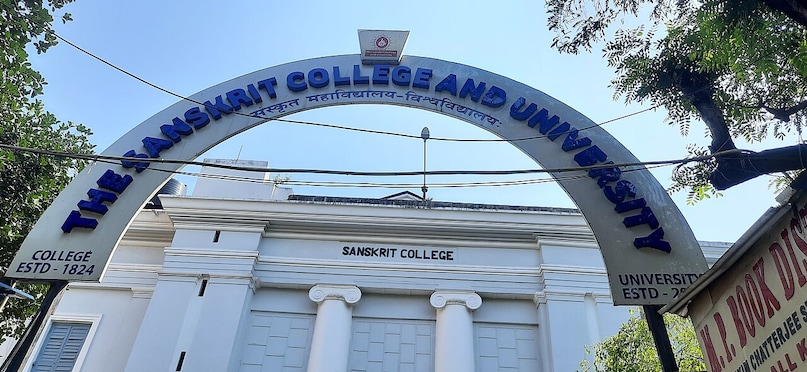
Sanskrit College (1824) – An important institution of traditional learning in India. The building is built in colonial style. During the reign of Ishwar Chandra Vidyasagar, it became a major center of modern language and education. Indian learning and languages are promoted here.
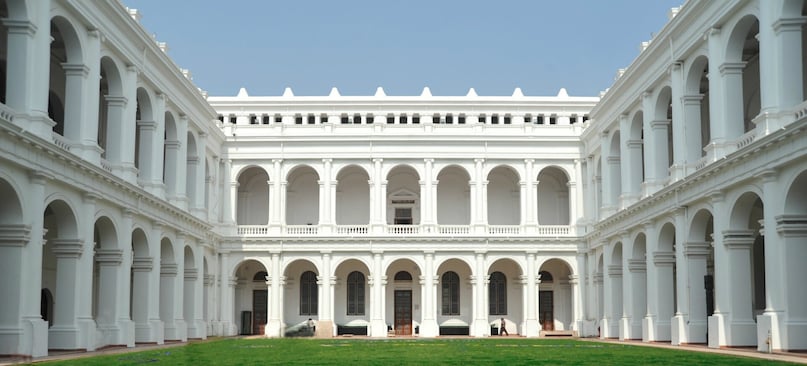
Indian Museum (1814) – It is considered the oldest and largest museum in Asia. It was started by the Asian Society. Ancient sculptures, Mughal paintings, skeletons and many rare things are kept here. It is a great center of knowledge and research.
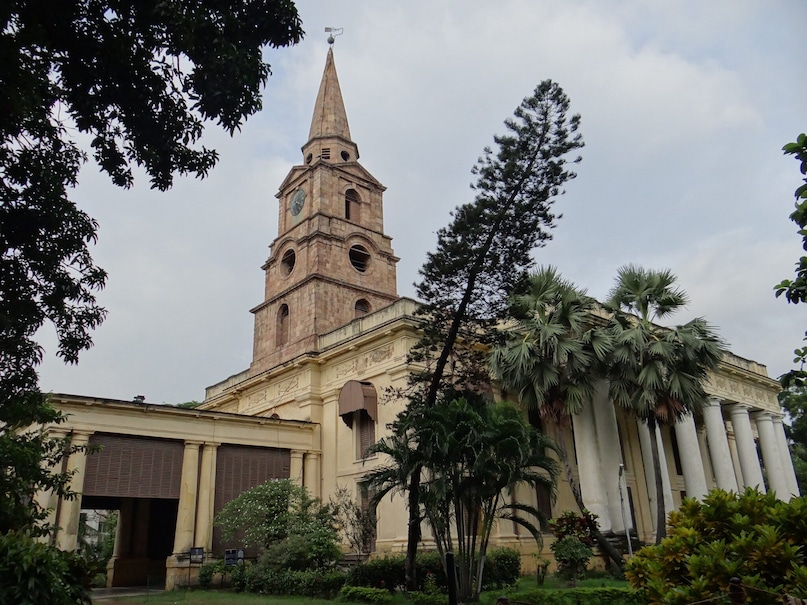
St. John’s Church (1787) – the first Anglican church in Kolkata. It was built in the style of St Martin-in-the-Fields Church, London. Its land is said to have been donated by Maharaja Navakrishna Dev. It also houses the tomb of Job Charnock and the famous “Last Supper,” making it even more historic.
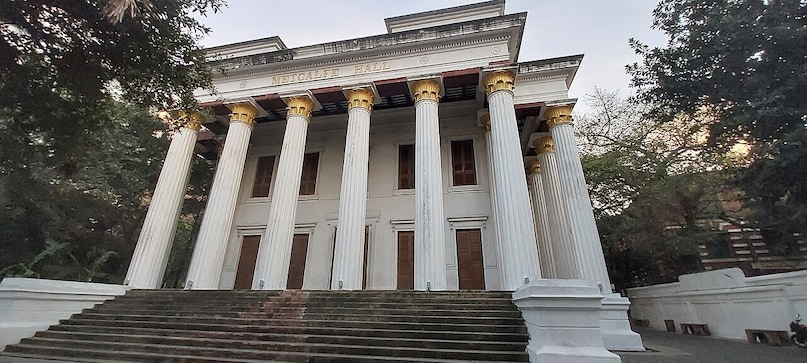
Metcalfe Hall (1844) – A beautiful building located near the Hooghly River. It contains 30 large Corinthian columns, which adds to its magnificence. It was initially built as a public library. This building is considered a symbol of freedom of the press and the dissemination of knowledge.