

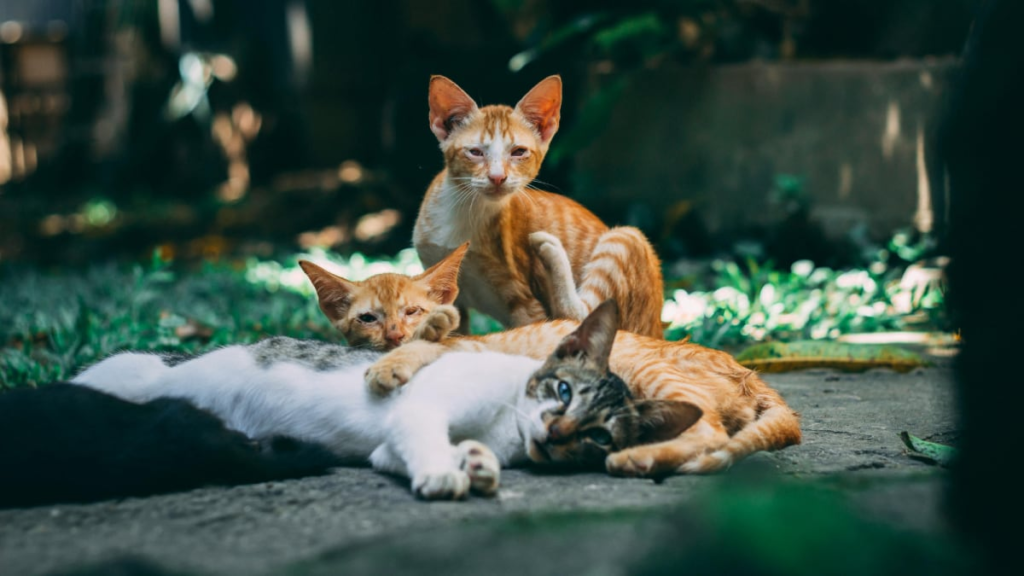
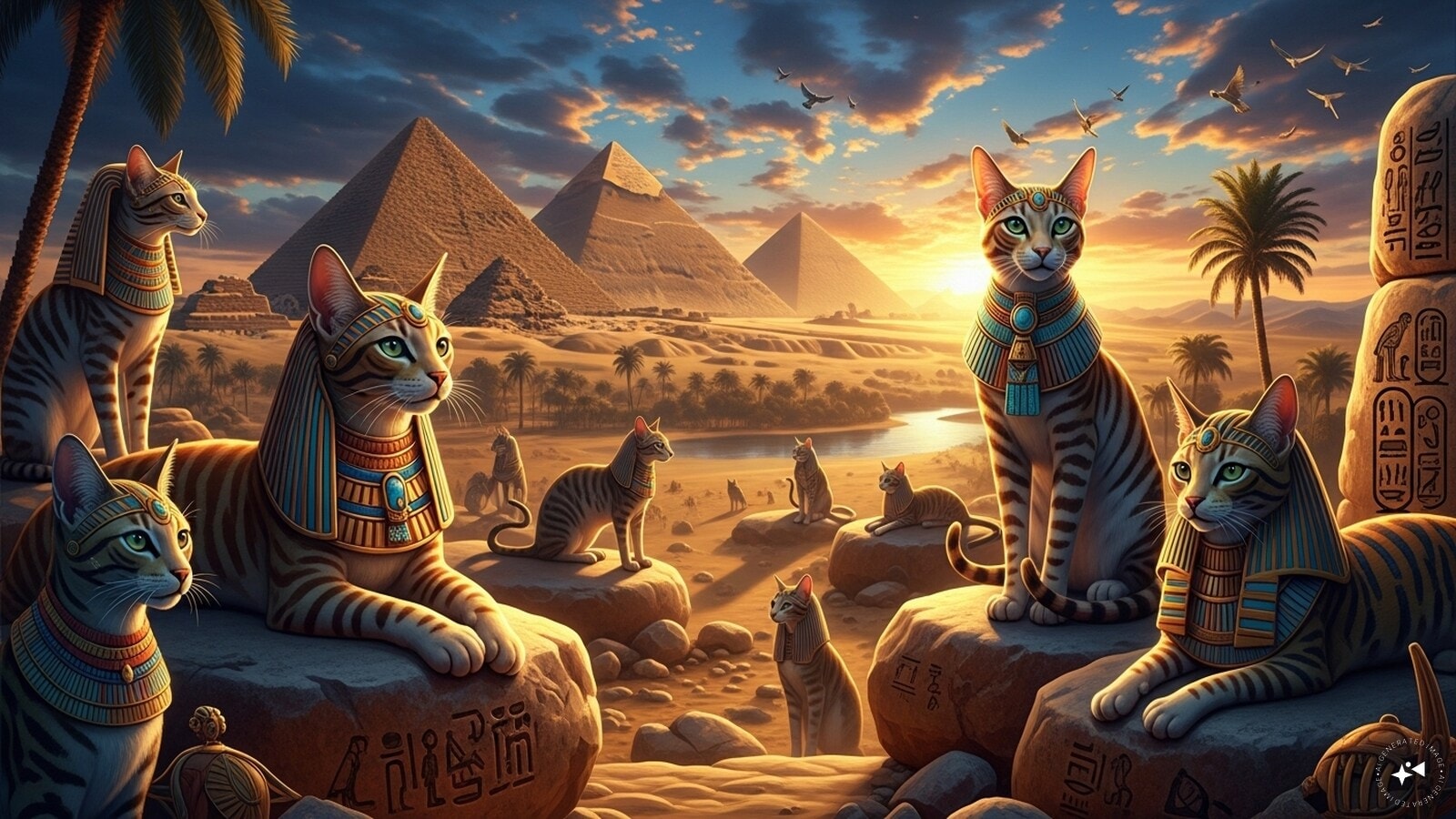
Many people today see cats as pets, while some cultures associate them with superstition or bad luck. However, in ancient Egypt, cats had a completely different status. Egyptians worshiped cats as sacred beings, believing they carried divine protection and spiritual power.
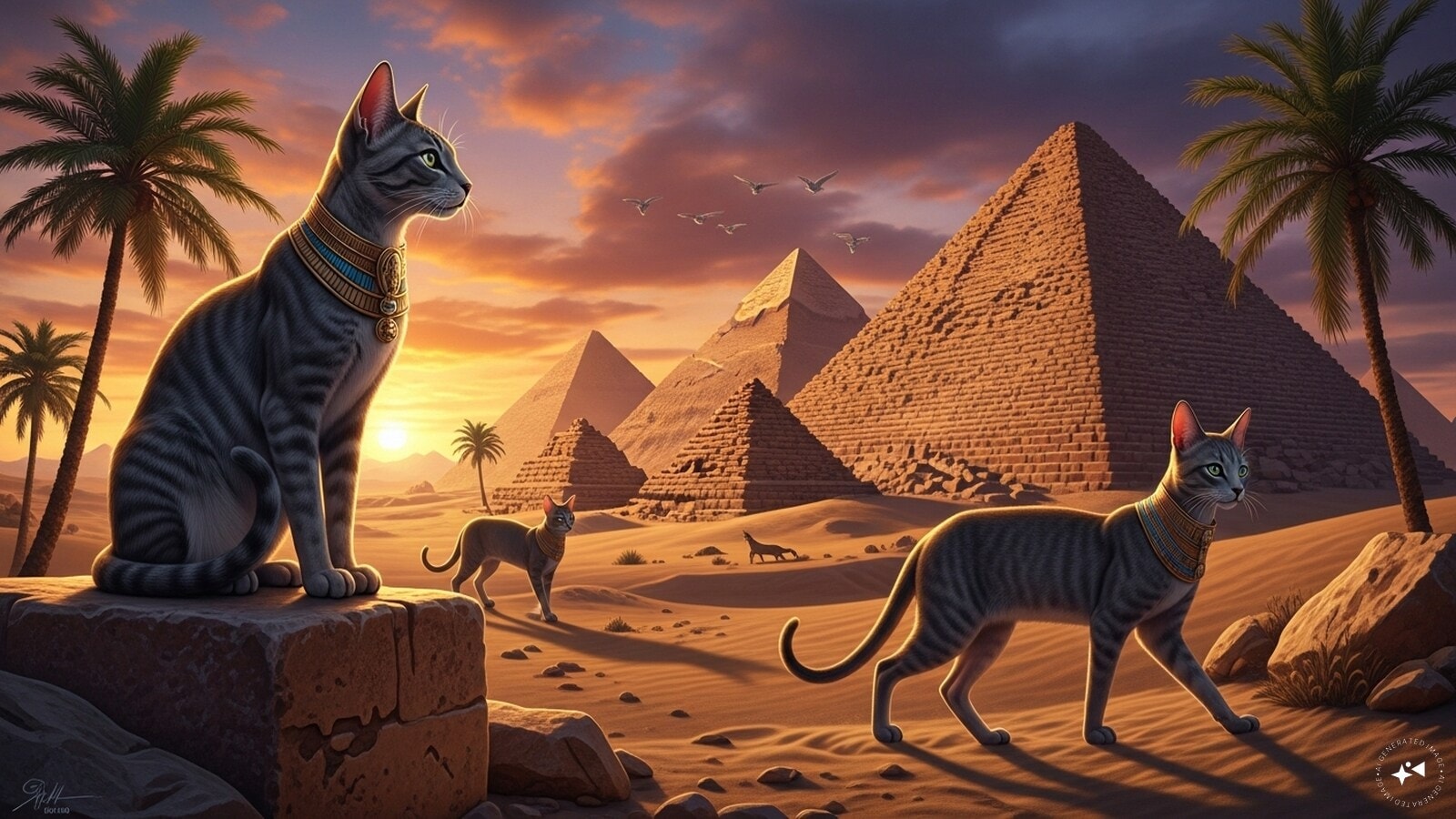
In ancient Egyptian society, cats were not treated as ordinary animals. They were closely linked to religion, culture and daily life. The Egyptians believed that cats symbolized grace, protection, and divine energy, which is why they were respected throughout the kingdom.
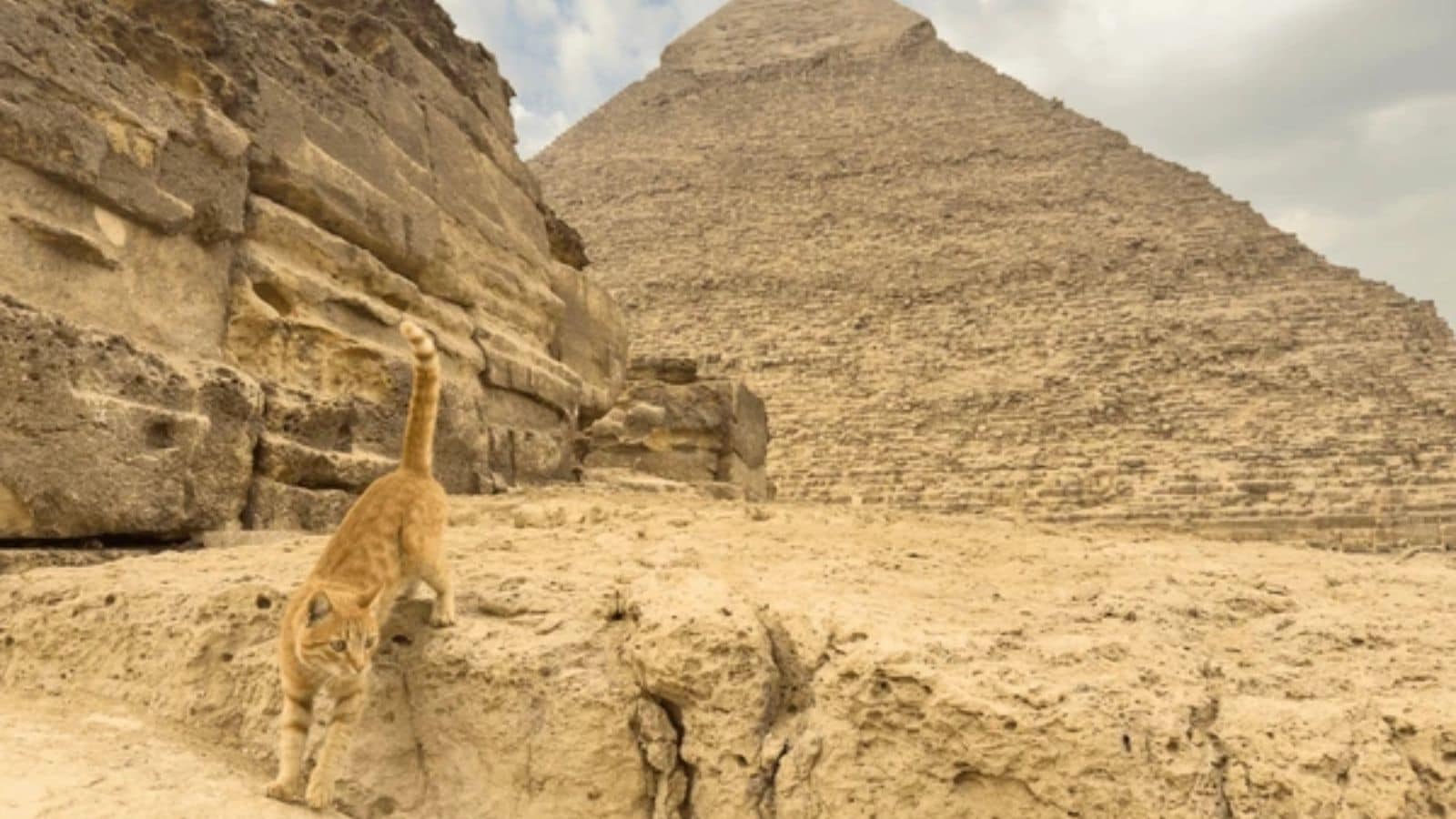
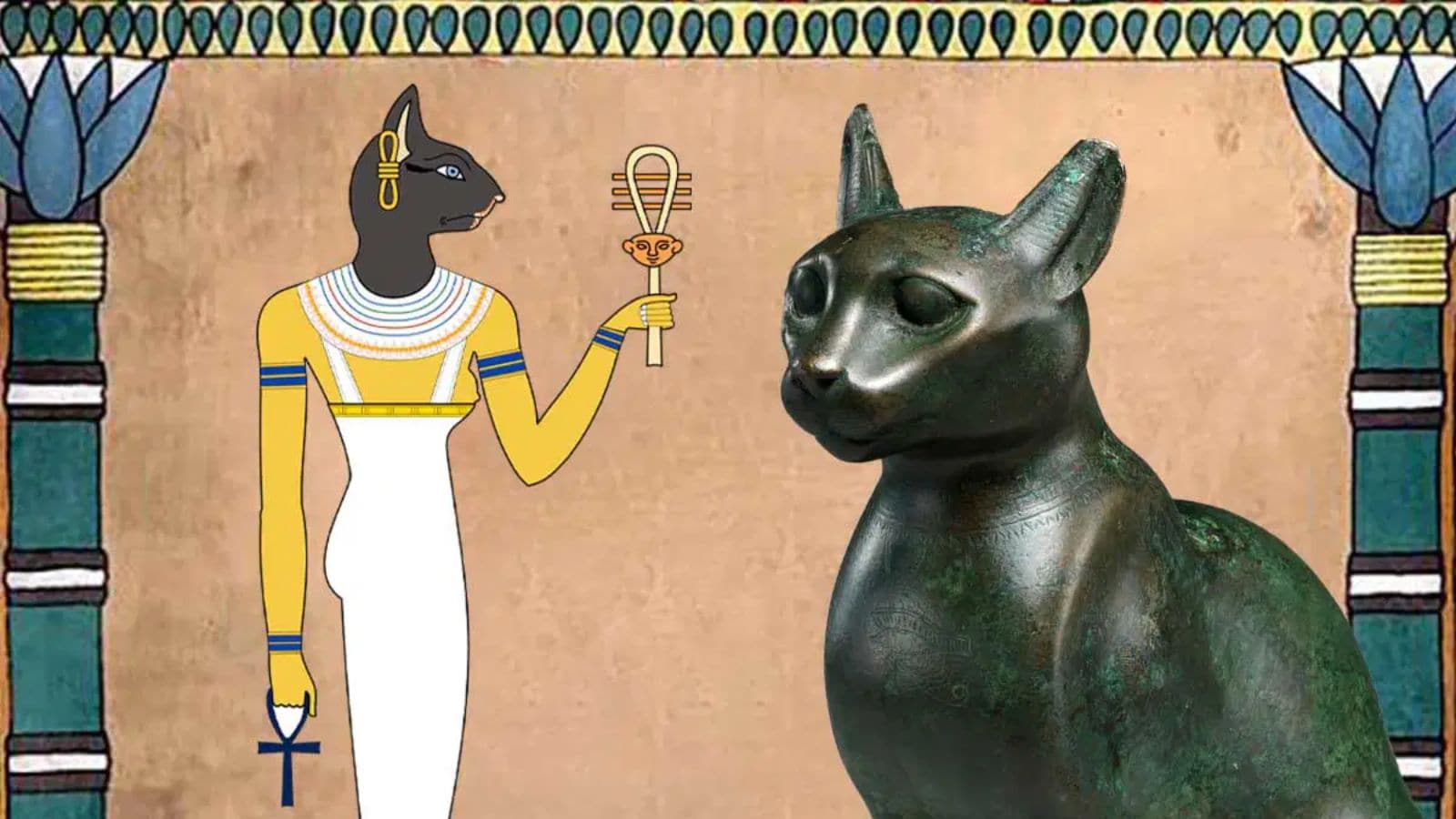
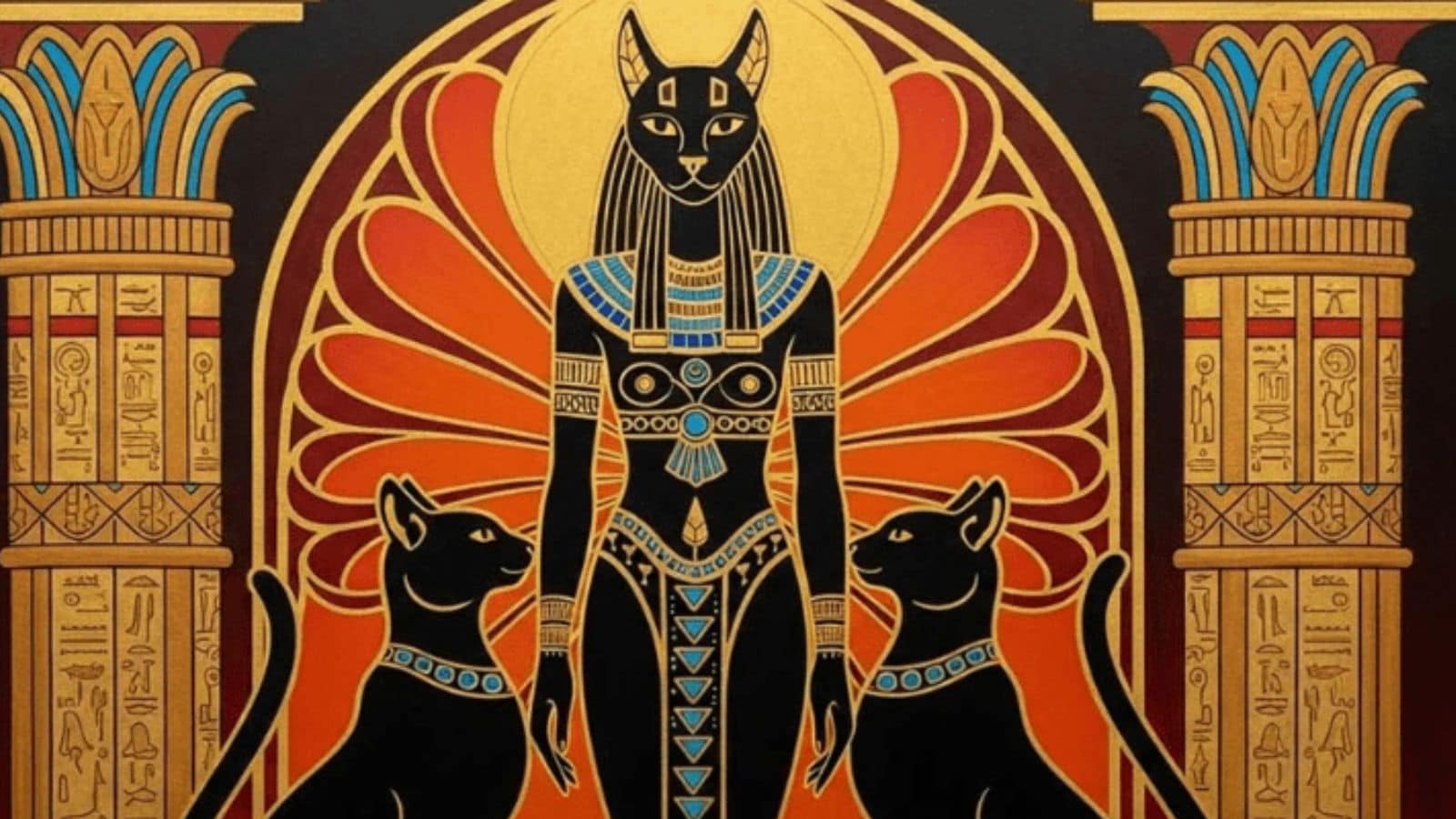
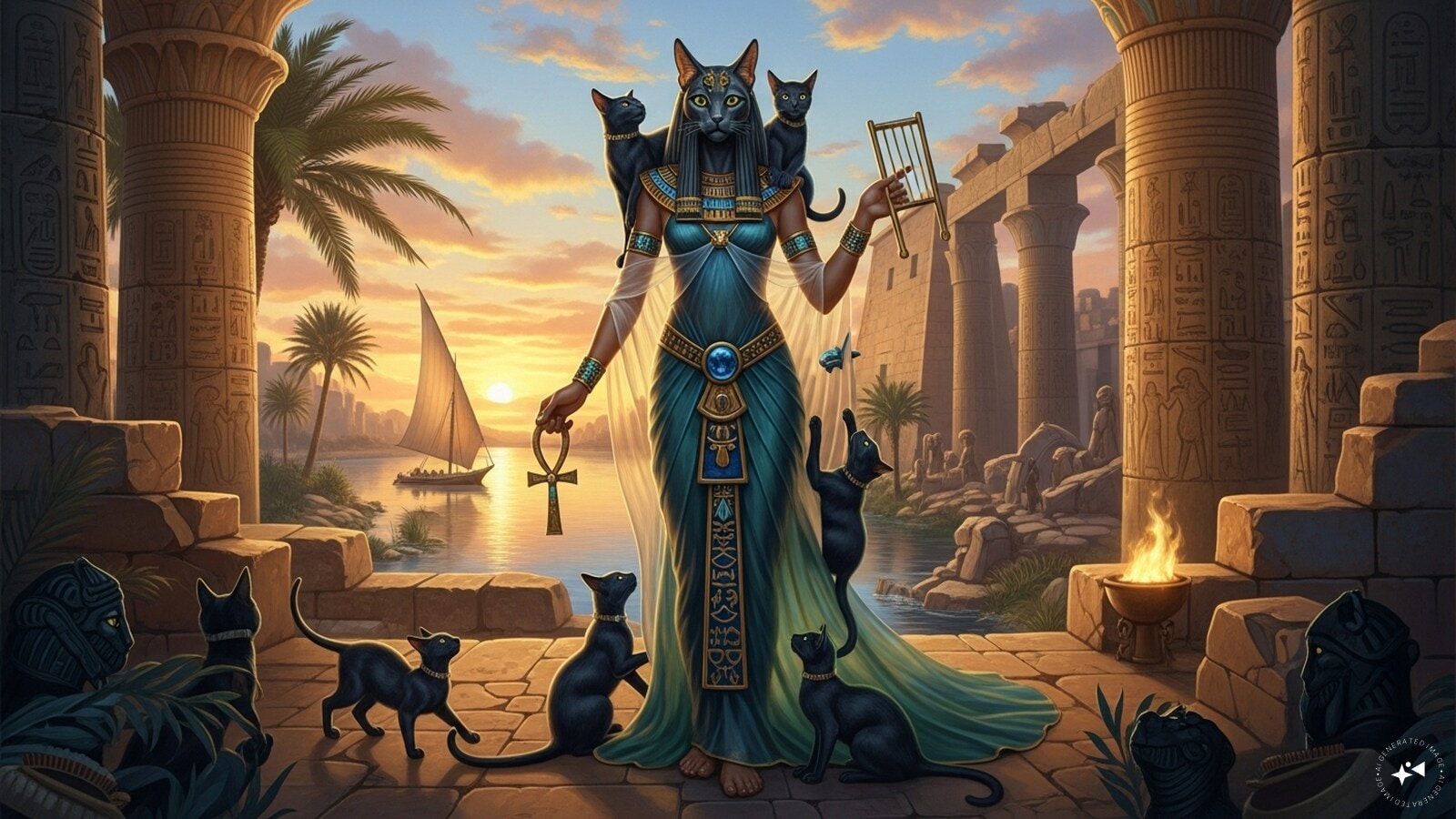
One of the biggest reasons cats are worshiped is their association with the goddess Bastet. Bastet was one of the most beloved goddesses in Egyptian mythology, often appearing as a woman with the head of a cat or sometimes as an entire cat.
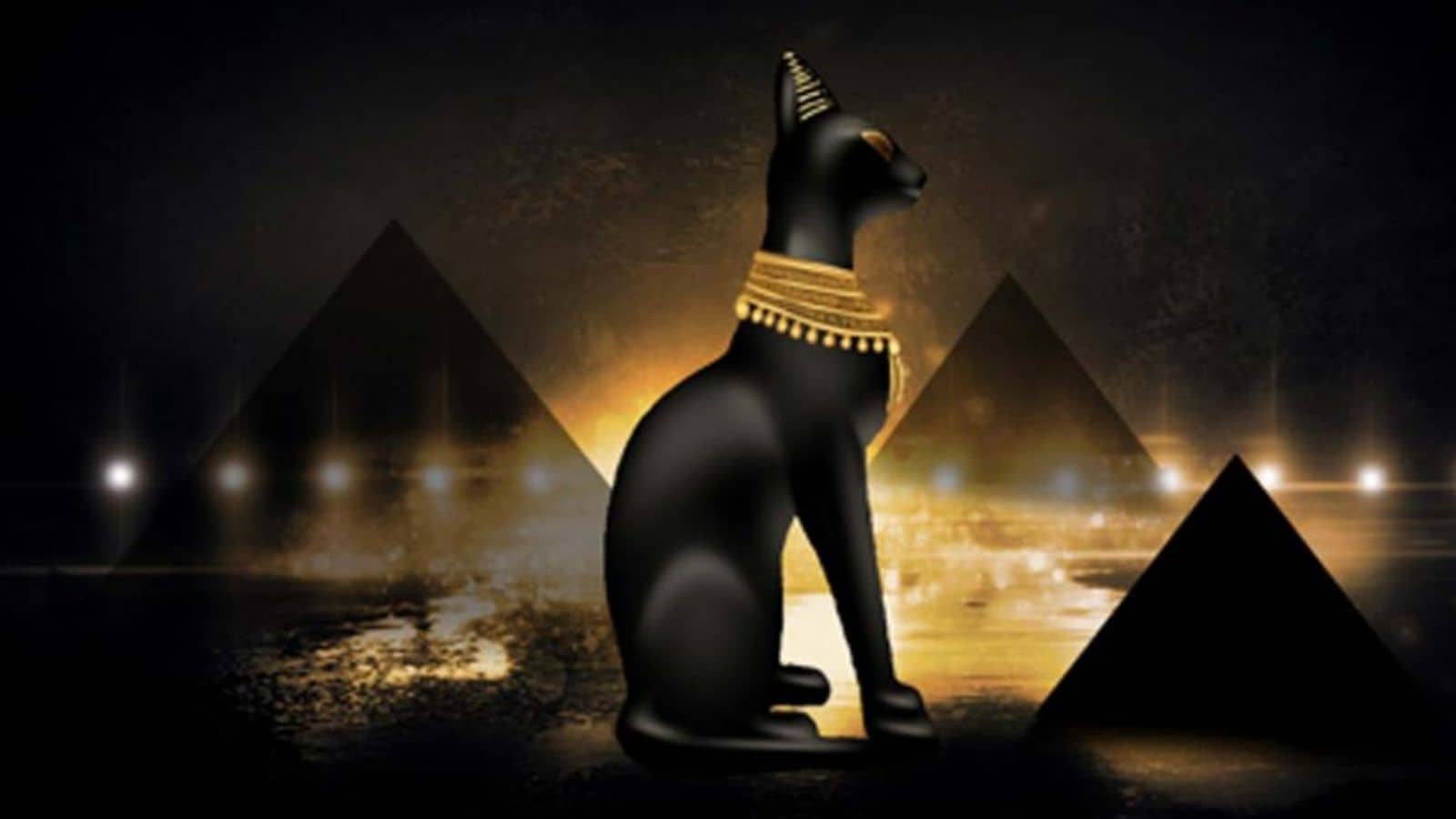
Bastet was worshiped as the goddess of home, motherhood, childbirth, music, joy, and protection. The Egyptians believed that keeping cats in their homes brought Bastet’s blessings and protected families from negative forces.
Ancient Egypt relied heavily on agriculture and grain storage along the Nile River. Large grain elevators often attract mice and other pests that damage the food supply. Cats naturally hunted these animals, which helped the Egyptians protect important grain reserves.
The deserts of Egypt were home to venomous creatures such as cobras and scorpions. Cats were admired for their daring hunting abilities and their skill at attacking snakes and harmful pests. The Egyptians believed that this courage gave cats mysterious and magical powers.
Cats were highly respected in ancient Egypt, so much so that harming or killing one was considered a serious crime. Historical records indicate that severe penalties were imposed on those accused of harming cats, and in some cases, the death penalty could be imposed.