
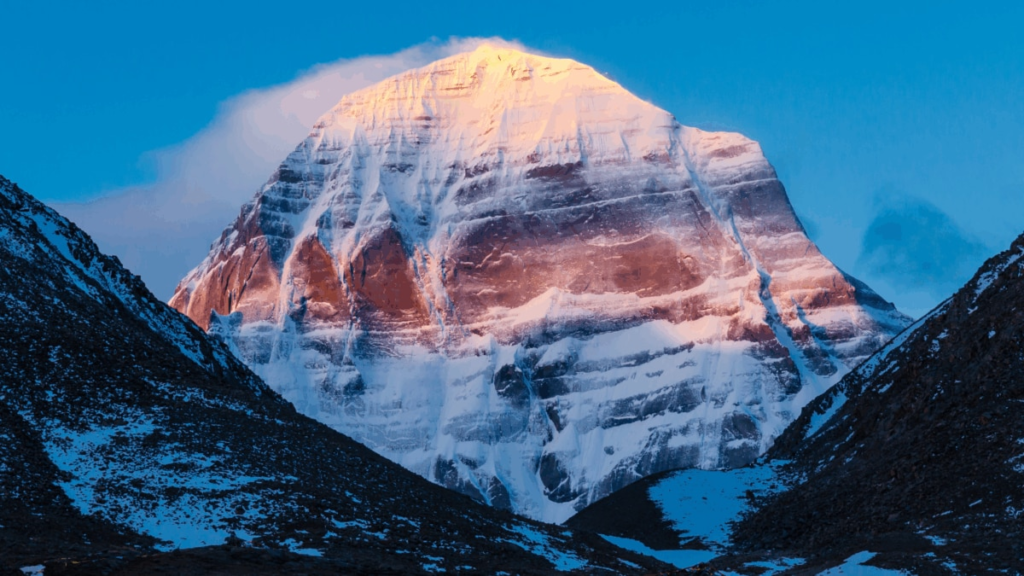
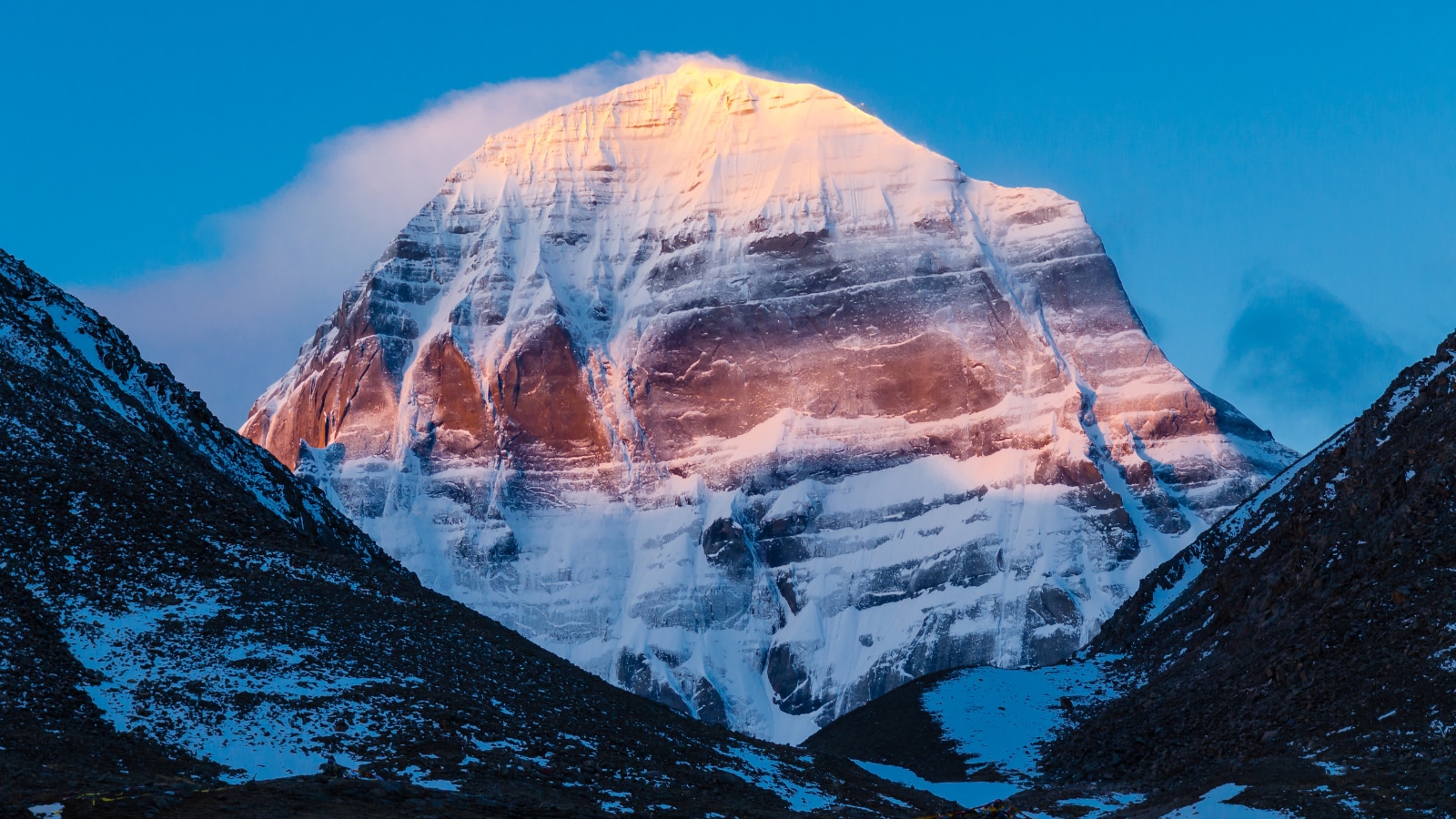
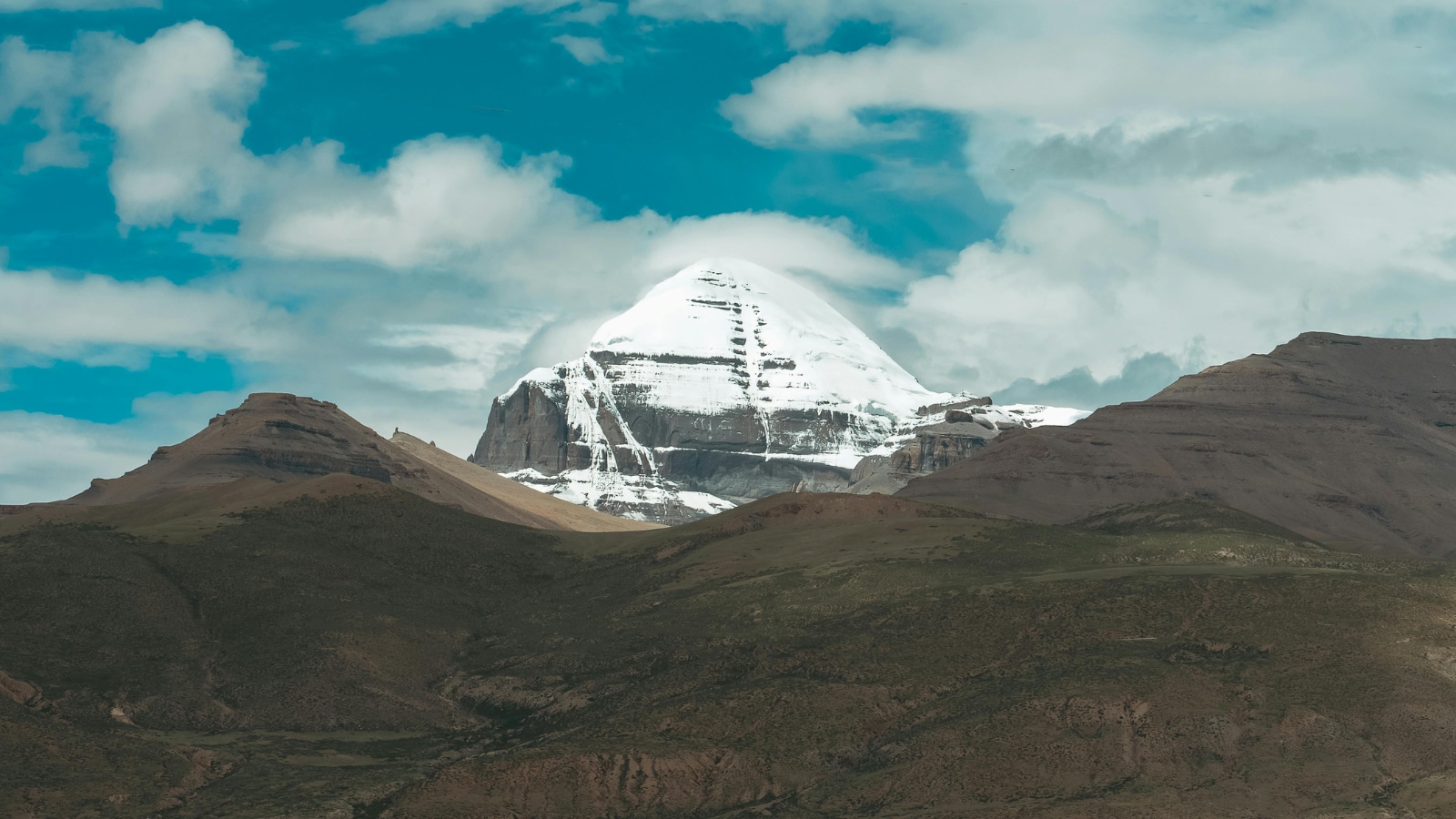
Located in the remote Himalayas of Tibet, Mount Kailash is one of the most mysterious and sacred mountains in the world. Revered by Hindus, Buddhists, Jains and Bon followers, the snow-capped peak is surrounded by legends, spiritual beliefs and unexplained phenomena that continue to fascinate pilgrims and researchers alike. (Image-Canvas)
In Hinduism, Lord Shiva is believed to reside on top of Mount Kailash with Devi Parvati and their sons Ganesha and Kartikeya. Devotees consider the mountain a divine spiritual center where Shiva meditates forever, radiating sacred energy across the Himalayas. (Image-Canvas)
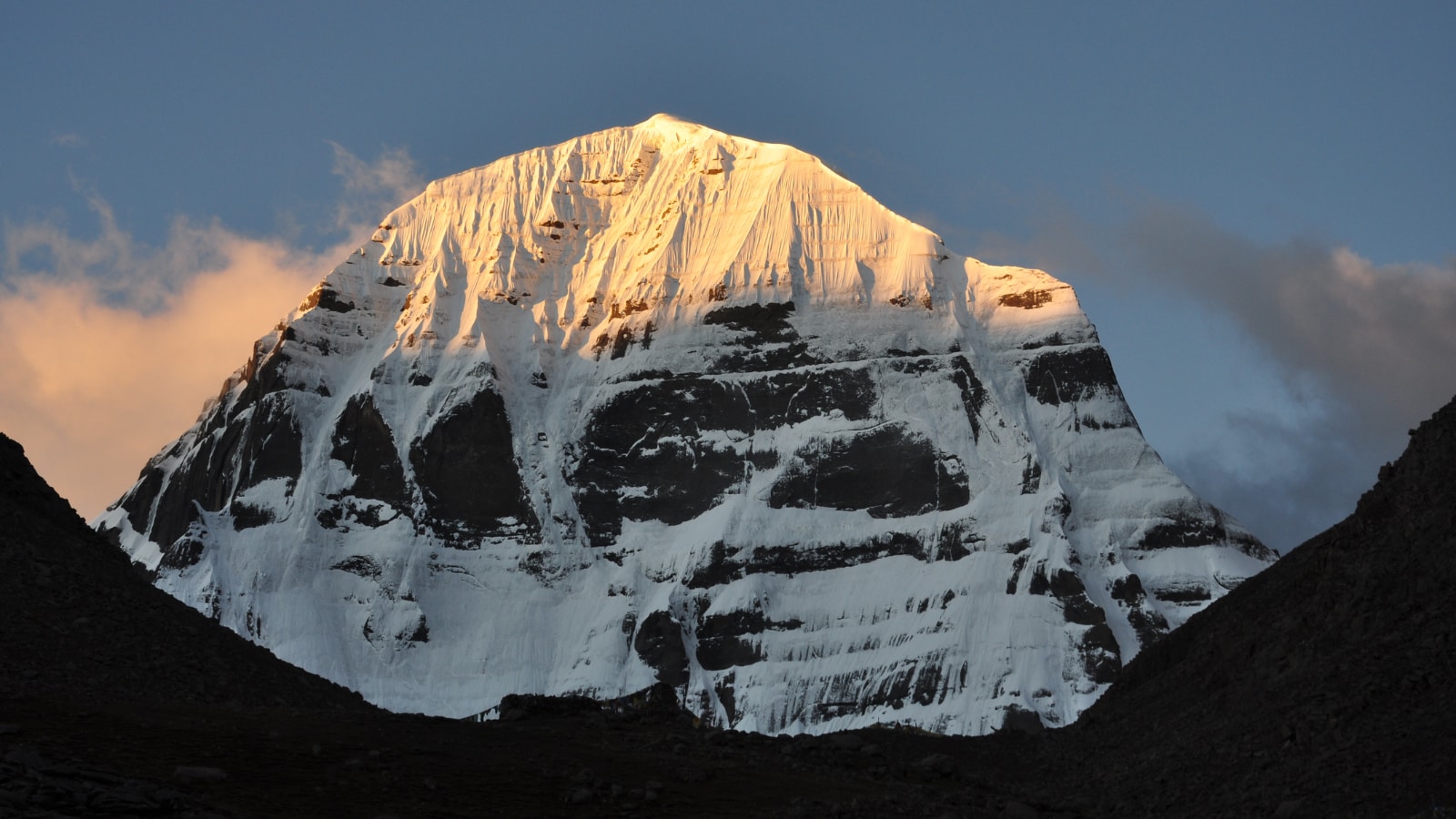
Mount Kailash is often described as a bridge between earth and sky. Its four faces are aligned with the cardinal directions, and ancient legends claim that the Pandavas traveled here in search of moksha, or liberation. Many believe that the mountain connects the material world with the spiritual world. (Image-Canvas)
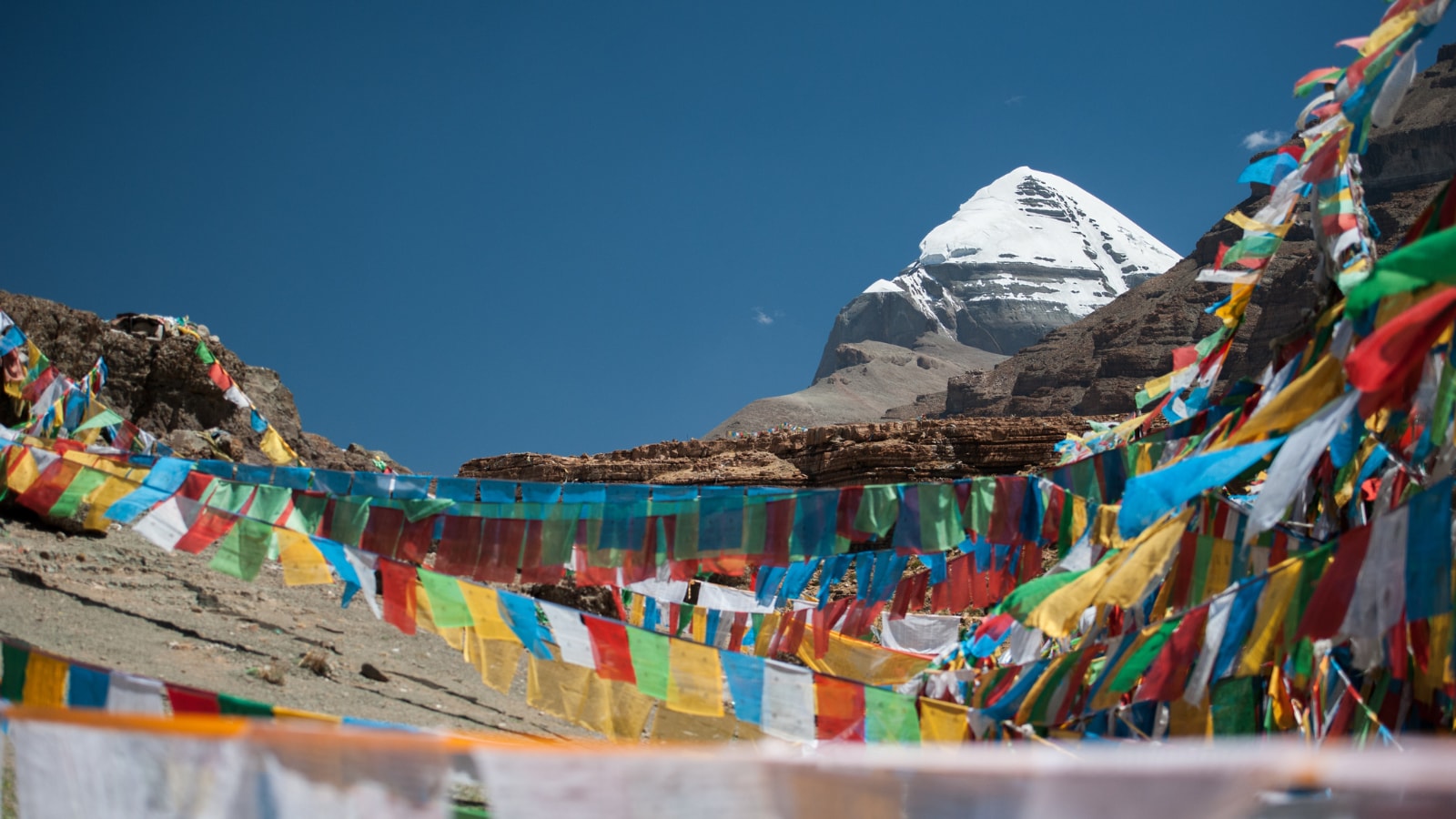
Pilgrims trekking around Mount Kailash claim that one side of the mountain resembles the face of Lord Shiva. As travelers complete the sacred parikrama, the changing angles of the mountain seem to reveal human-like features. (Image-Canvas)
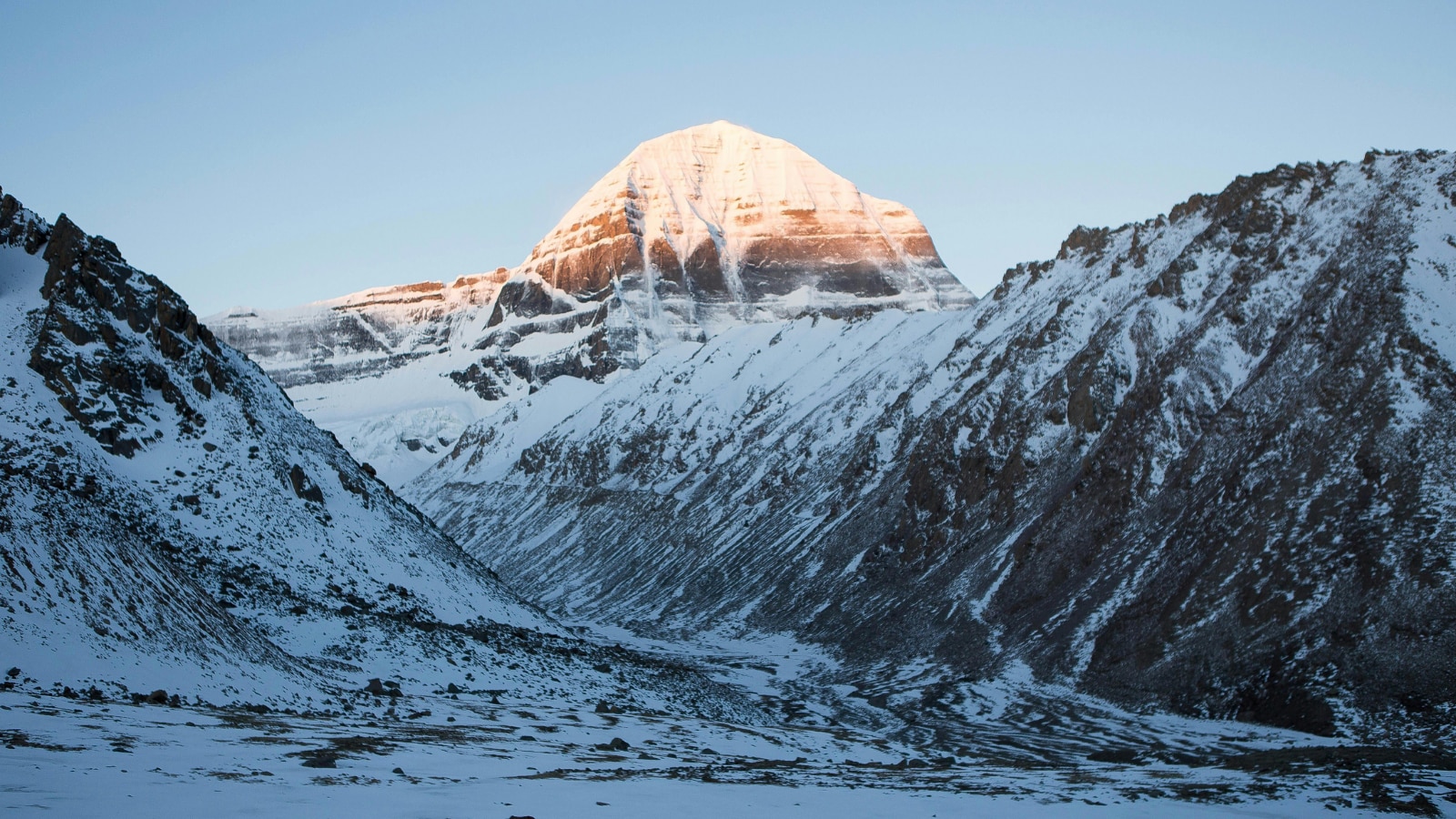
Despite the changing seasons and harsh weather in the Himalayas, the snow cover of Mount Kailash is said to never completely melt. For centuries, devotees have looked to this perpetually snow-capped peak as a symbol of the purity, divinity and supernatural importance of the mountain. (Image-Canvas)
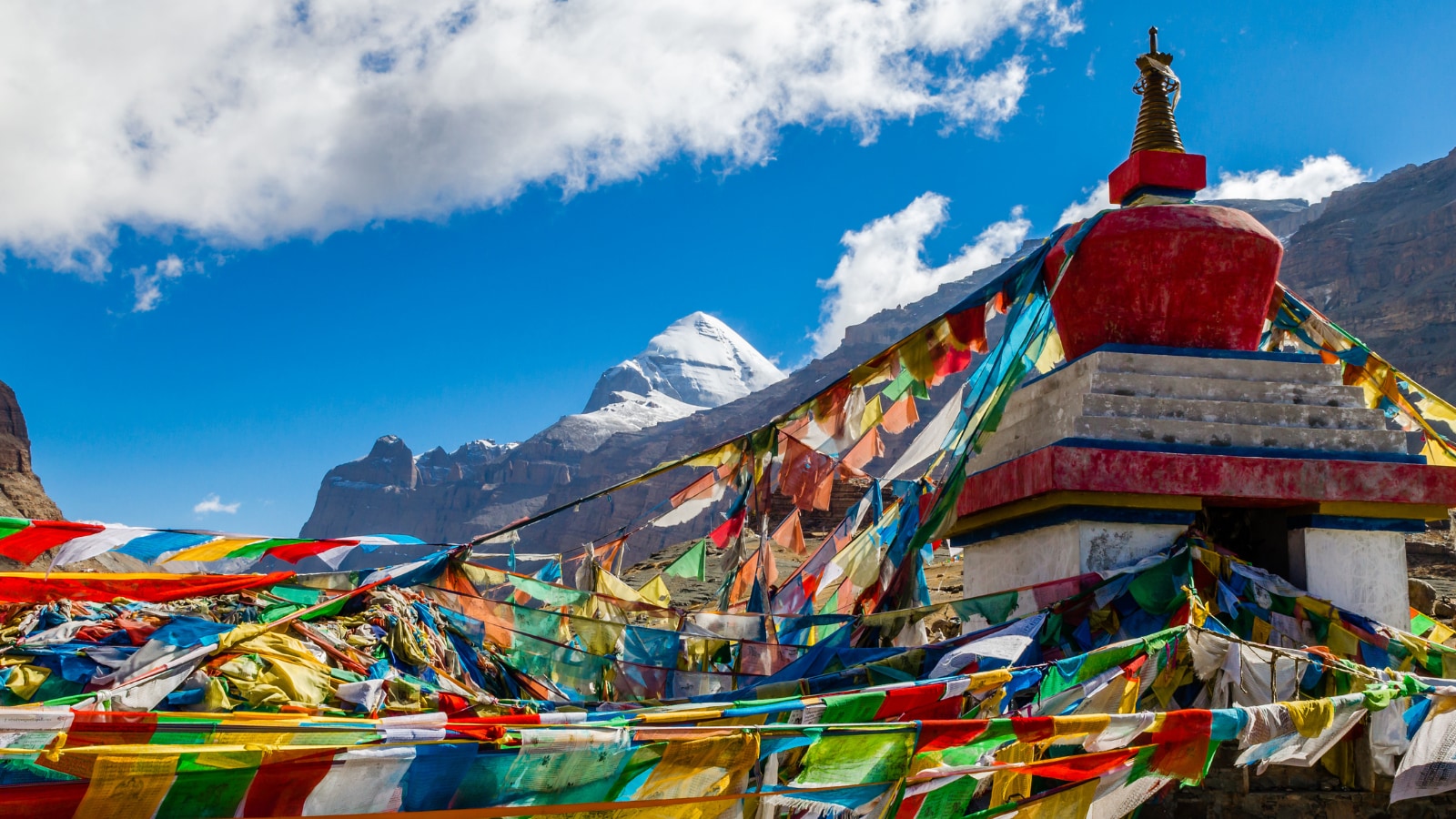
Mount Kailash is 6,638 meters high and remains unclimbable even today. Climbing the sacred mountain is considered forbidden, as many believe it will anger the gods. Legend has it that the Buddhist monk Milarepa was the only one to have reached the summit in centuries. (Image-Canvas)
The Mount Kailash region is unusually sparse in wildlife compared to other Himalayan regions. However, travelers occasionally see rare animals such as Tibetan antelope, bison, black-necked cranes, and wild asses near the sacred rivers flowing from the area. (Image-Canvas)
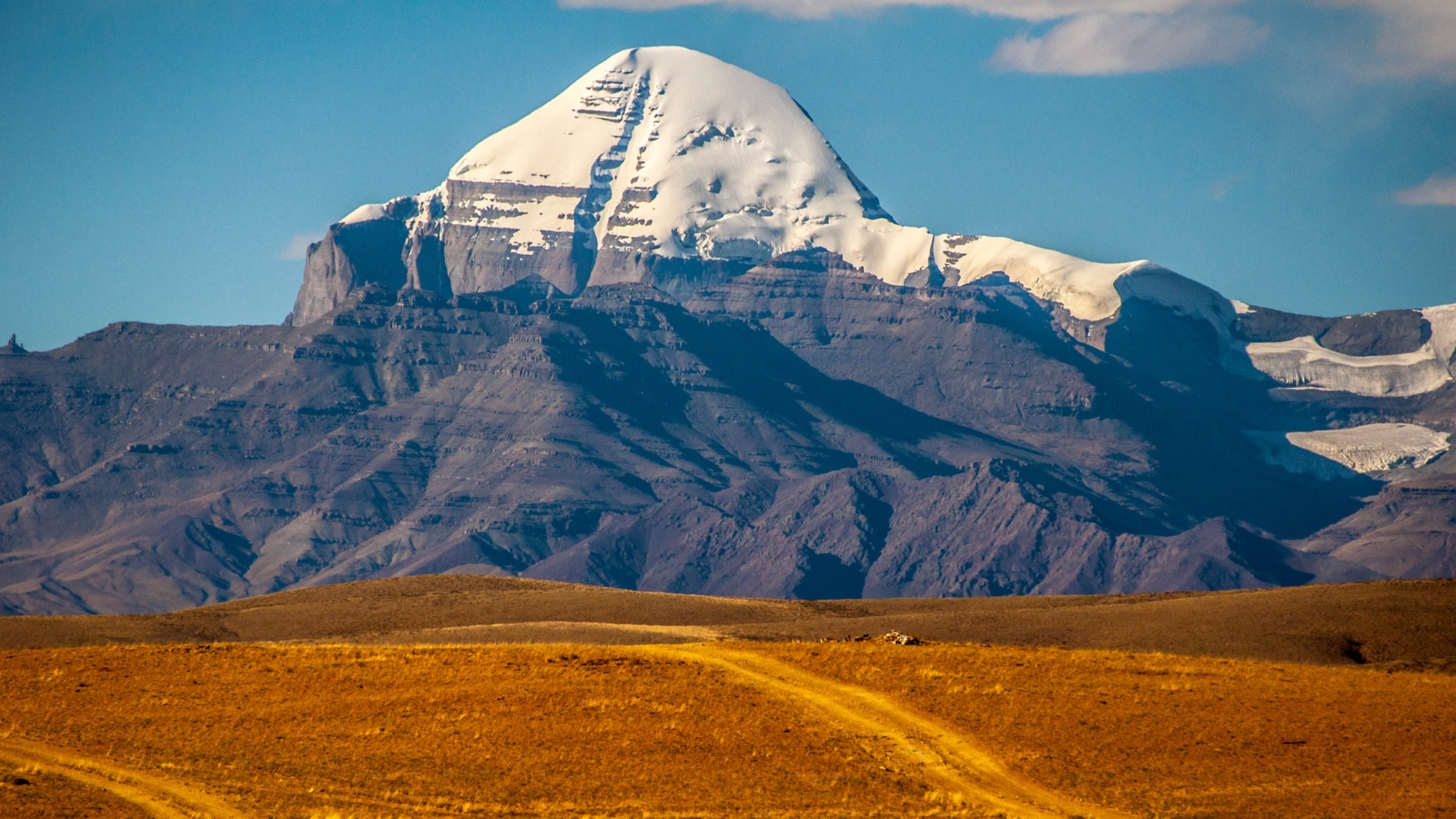
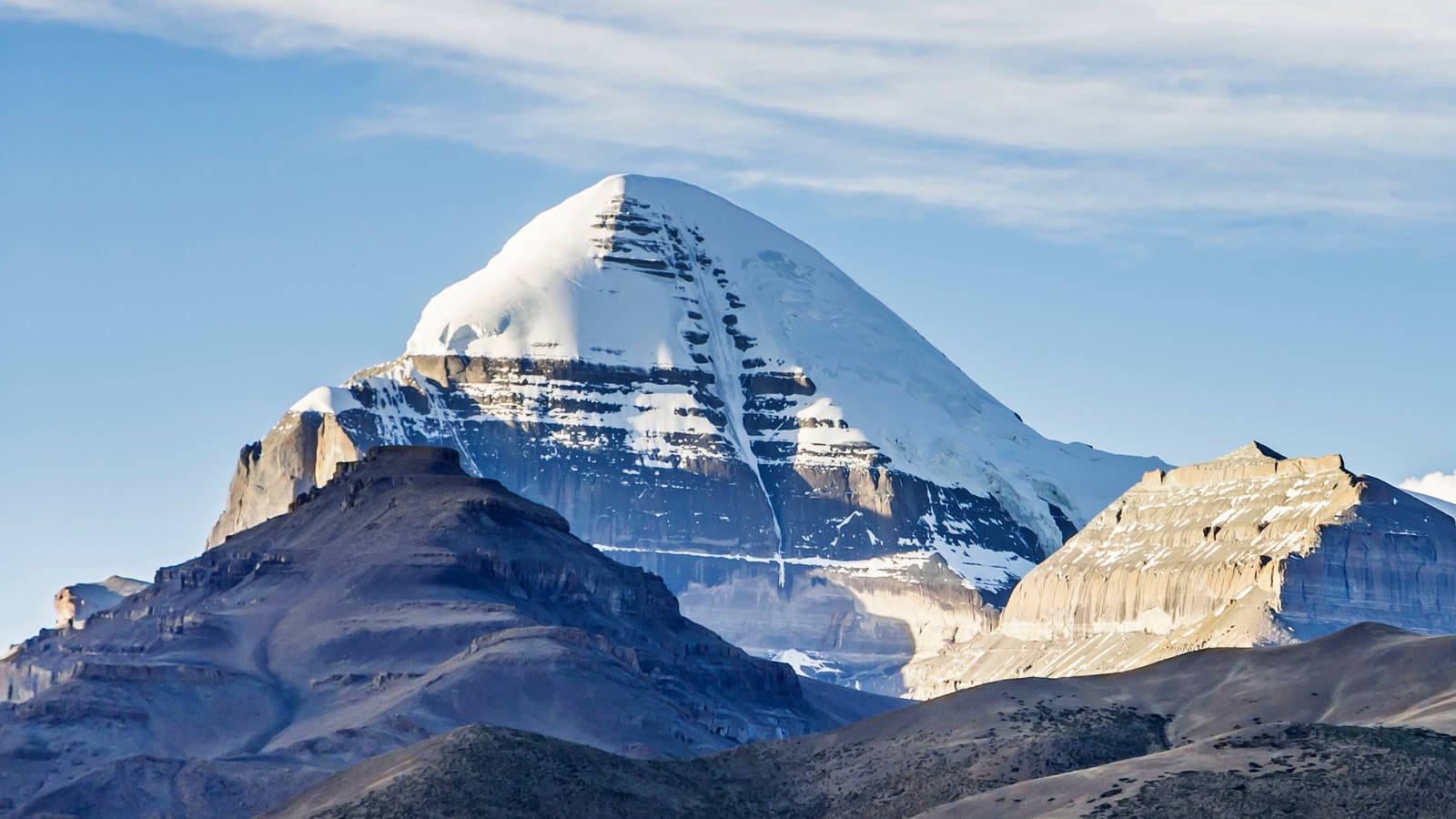
One of the most controversial theories surrounding Mount Kailash is its pyramid-like structure. Some Russian researchers and scientists have argued that the striking symmetry of the peak resembles a huge man-made pyramid, surrounded by smaller formations that eerily resemble ancient structures. (Image-Canvas)
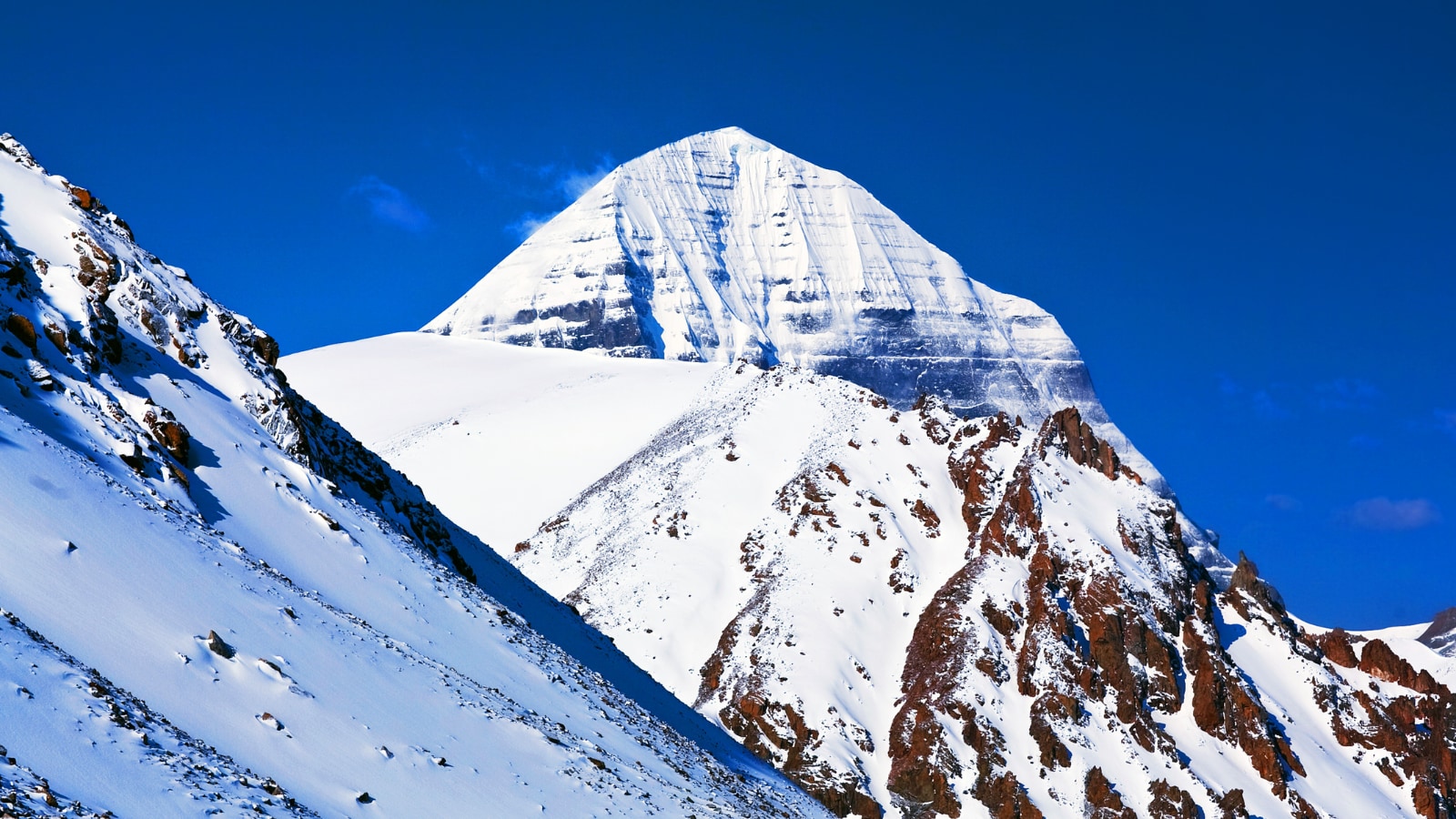
Mount Kailash is also the source of four major Asian rivers, namely the Indus, Sutlej, Brahmaputra and Karnali. During sunset, many pilgrims claim to see sacred symbols resembling the swastika and Om appearing naturally on the surface of the mountain and snowy slopes. (Image-Canvas)