
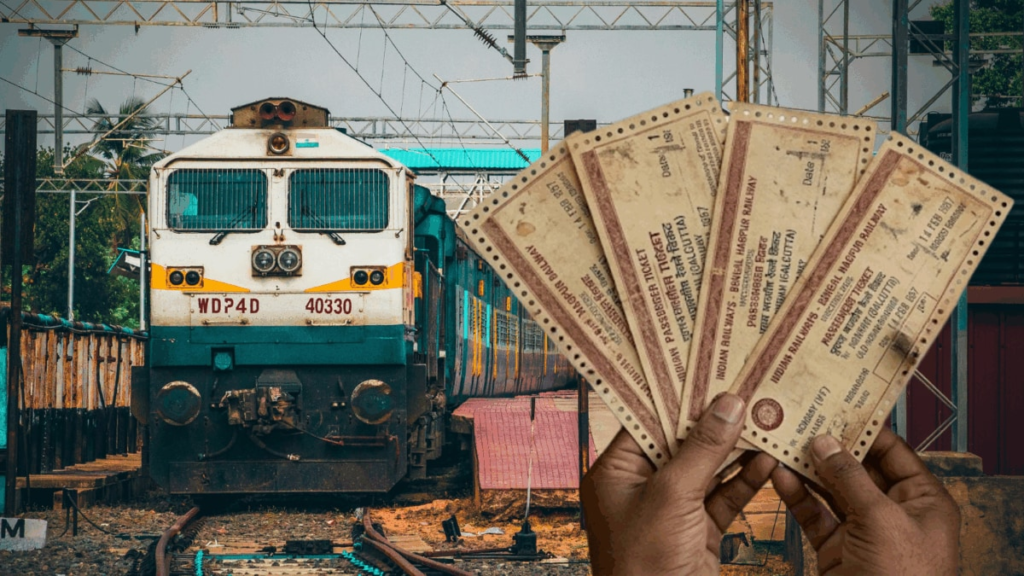
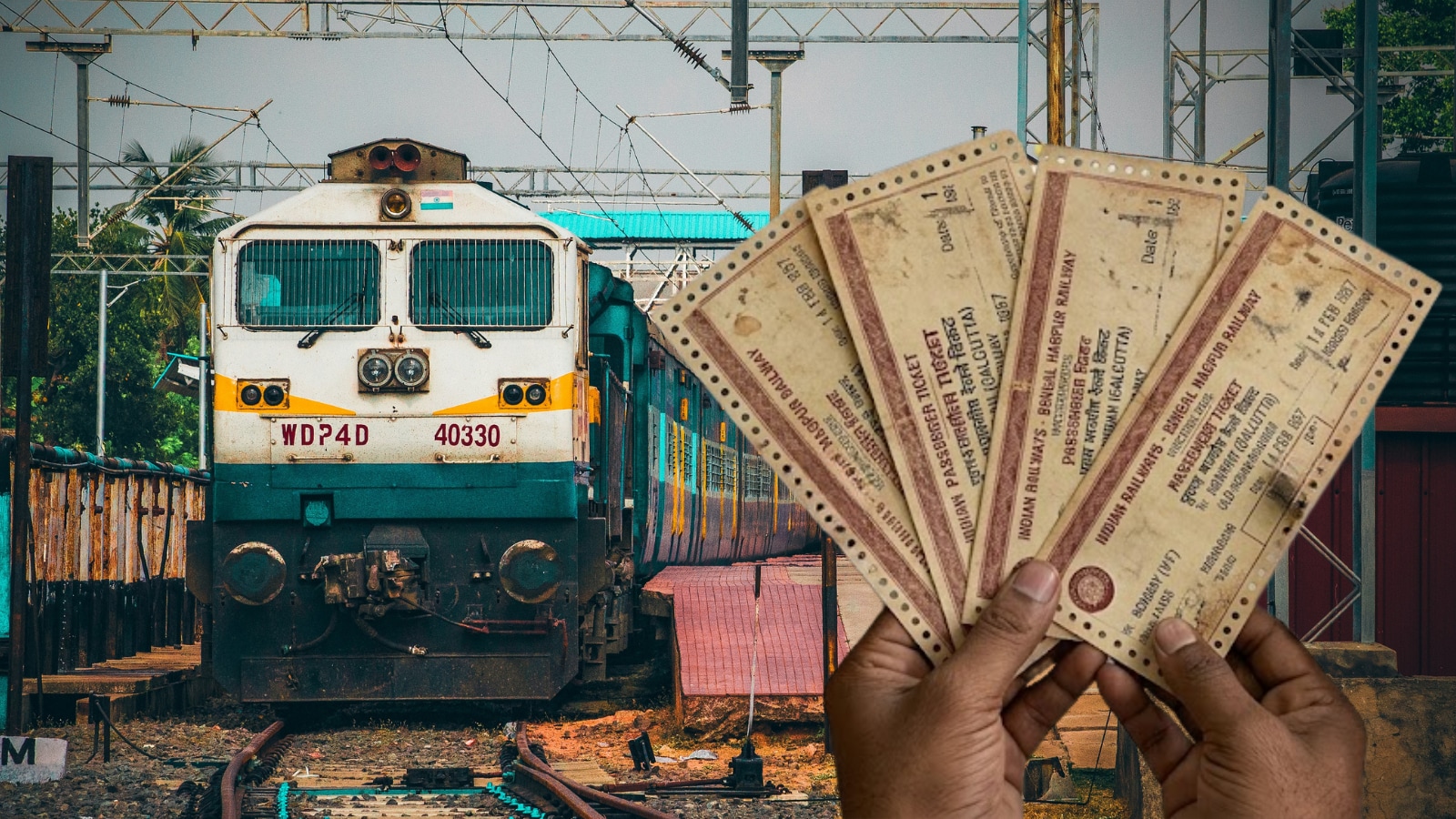
If you traveled by train before the age of digital tickets, you might remember paper tickets with small holes running along both edges. Many assumed they were decorative, but these perforations were actually an essential part of the printing technology that enhanced railroad tickets for decades. (Image: Unsplash)
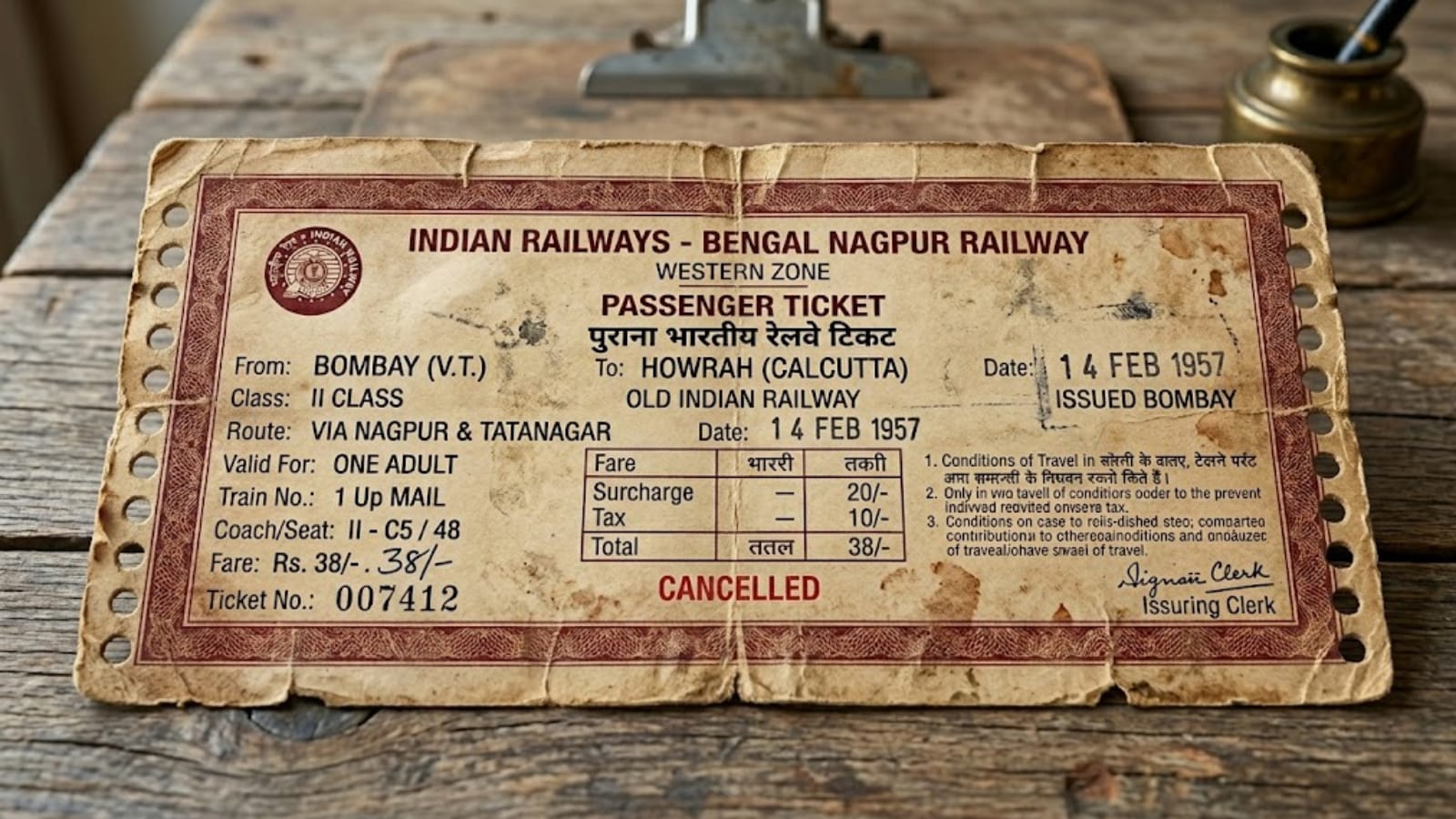
The holes were known as notched holes: The small holes on the sides of railway tickets had a technical name: notched holes. They are specifically designed for use with dot matrix printing systems, which were widely used by the Indian Railways before modern thermal and digital printers became popular.
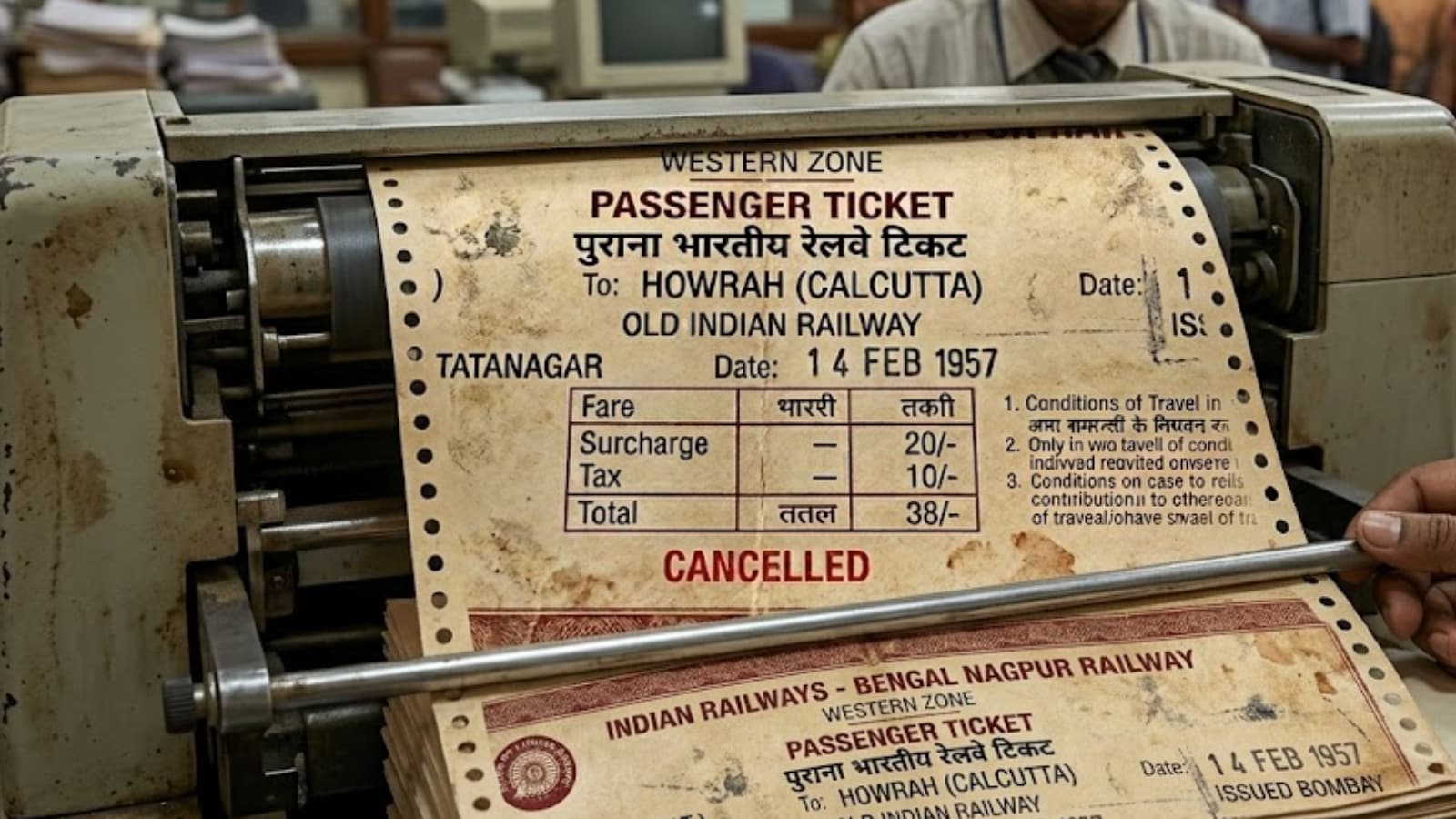
They helped move paper through the printer: railway tickets were printed on continuous sheets of paper rather than individual pages. The sprocket slots allowed the printer’s feed mechanism to hold the paper securely on both sides and move it forward accurately during printing.
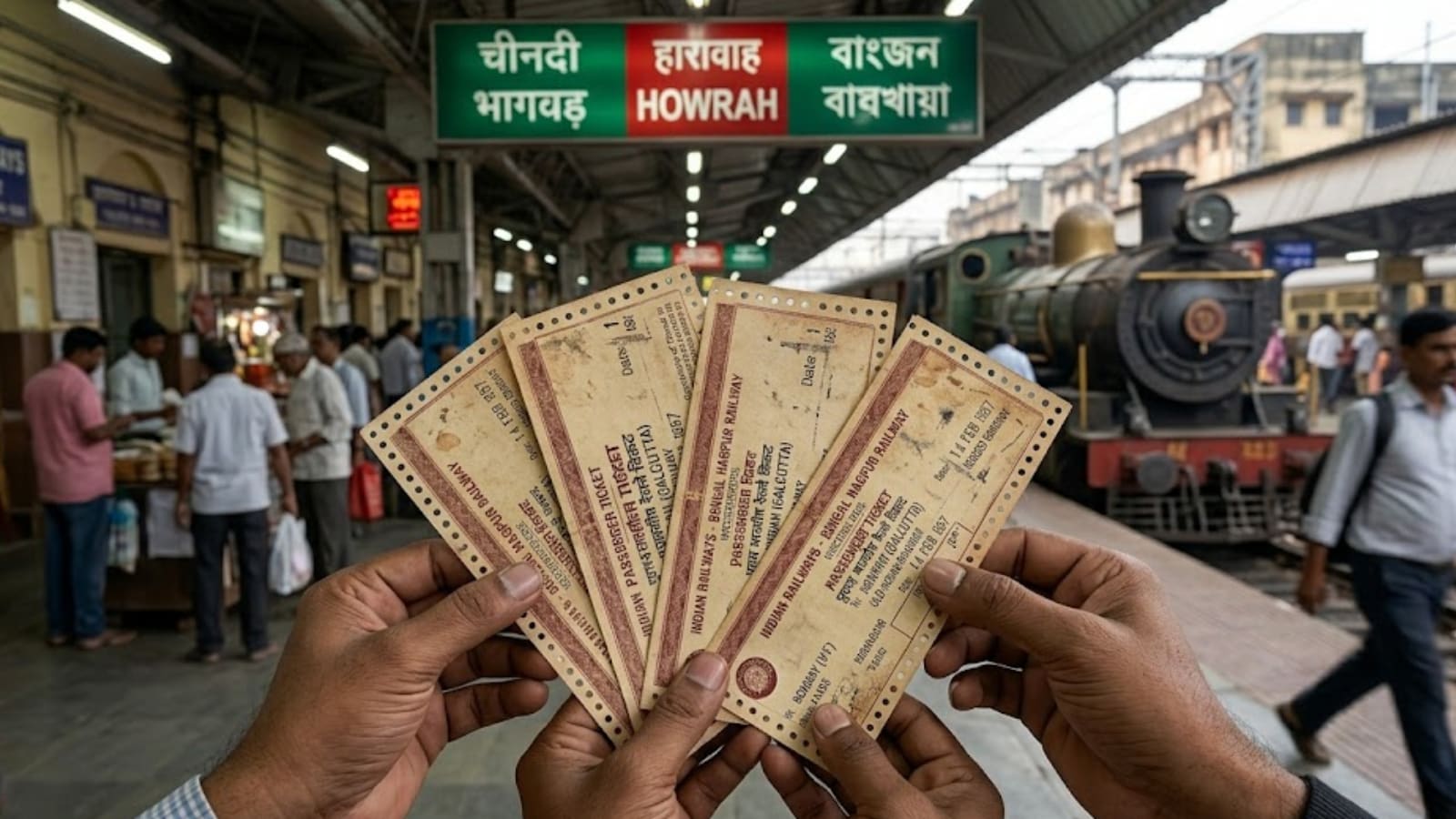
Precise alignment was its main purpose: without these holes, the paper could easily slip or move inside the printer. Perforations ensure smooth and uniform movement, helping ticket details such as train information, fares and station names print in the correct position every time.
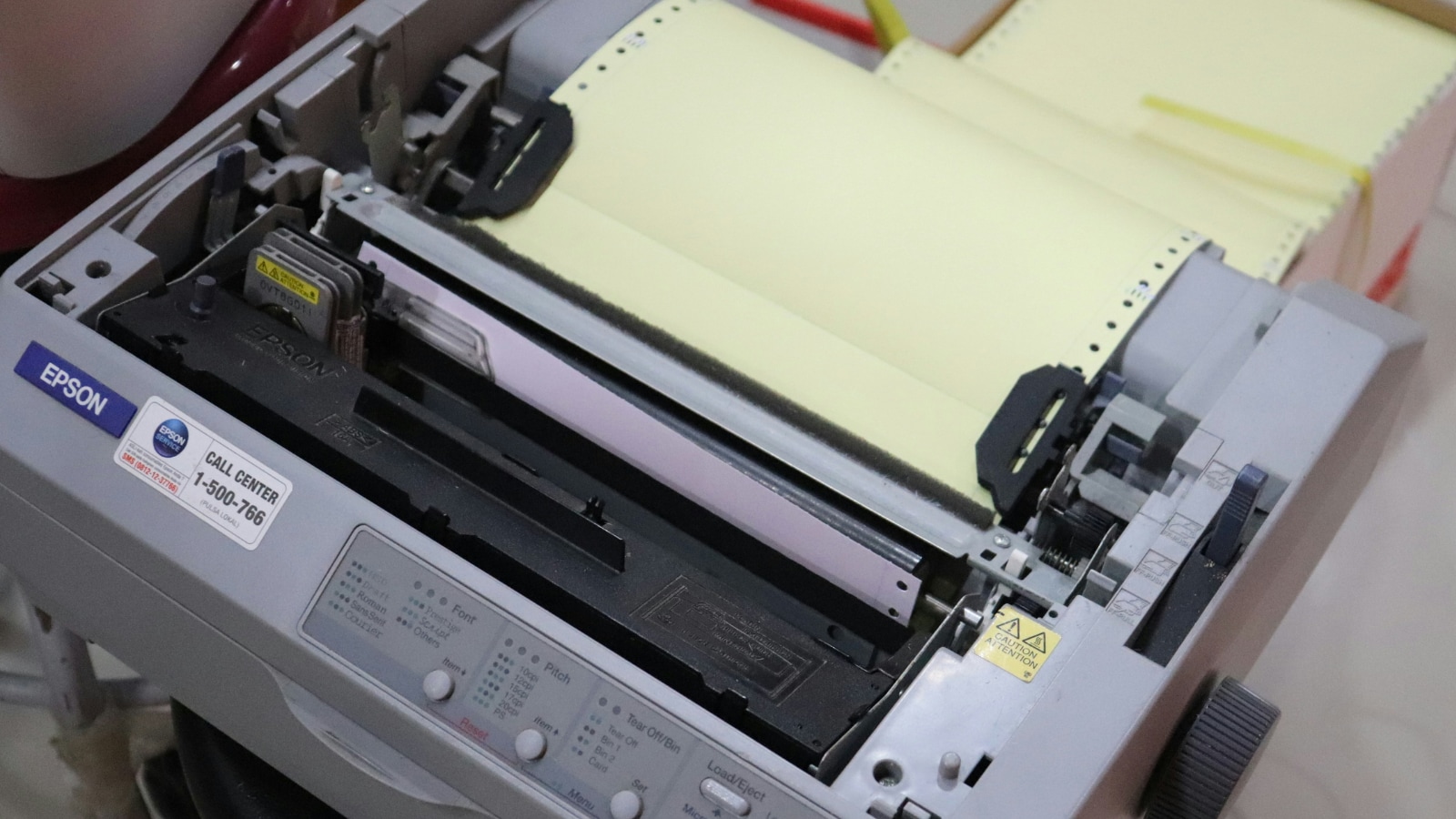
It was a key part of dot-matrix technology: dot-matrix printers relied on mechanical feeding systems rather than the friction rollers used in many modern printers. The sprocket slots worked with the sprockets inside the machine, enabling reliable printing even during heavy ticketing operations at busy stations. (Image: Unsplash)
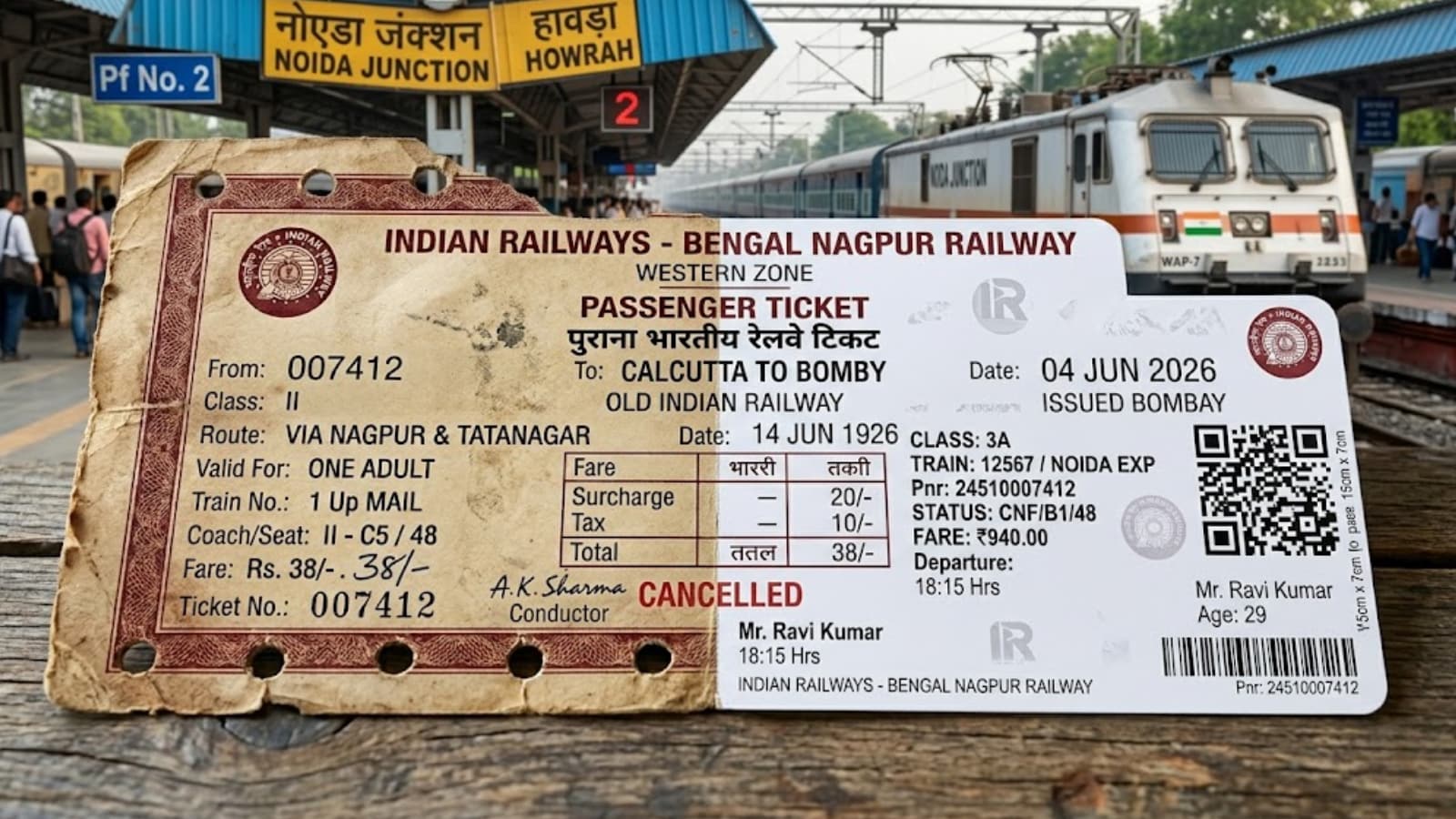
Holes disappeared as technology evolved: With the Indian Railways gradually adopting newer ticketing systems and modern printers, continuous feed paper became less common. As advanced printing methods no longer required sprocket-fed paper, the familiar edge slots slowly disappeared from railway tickets.
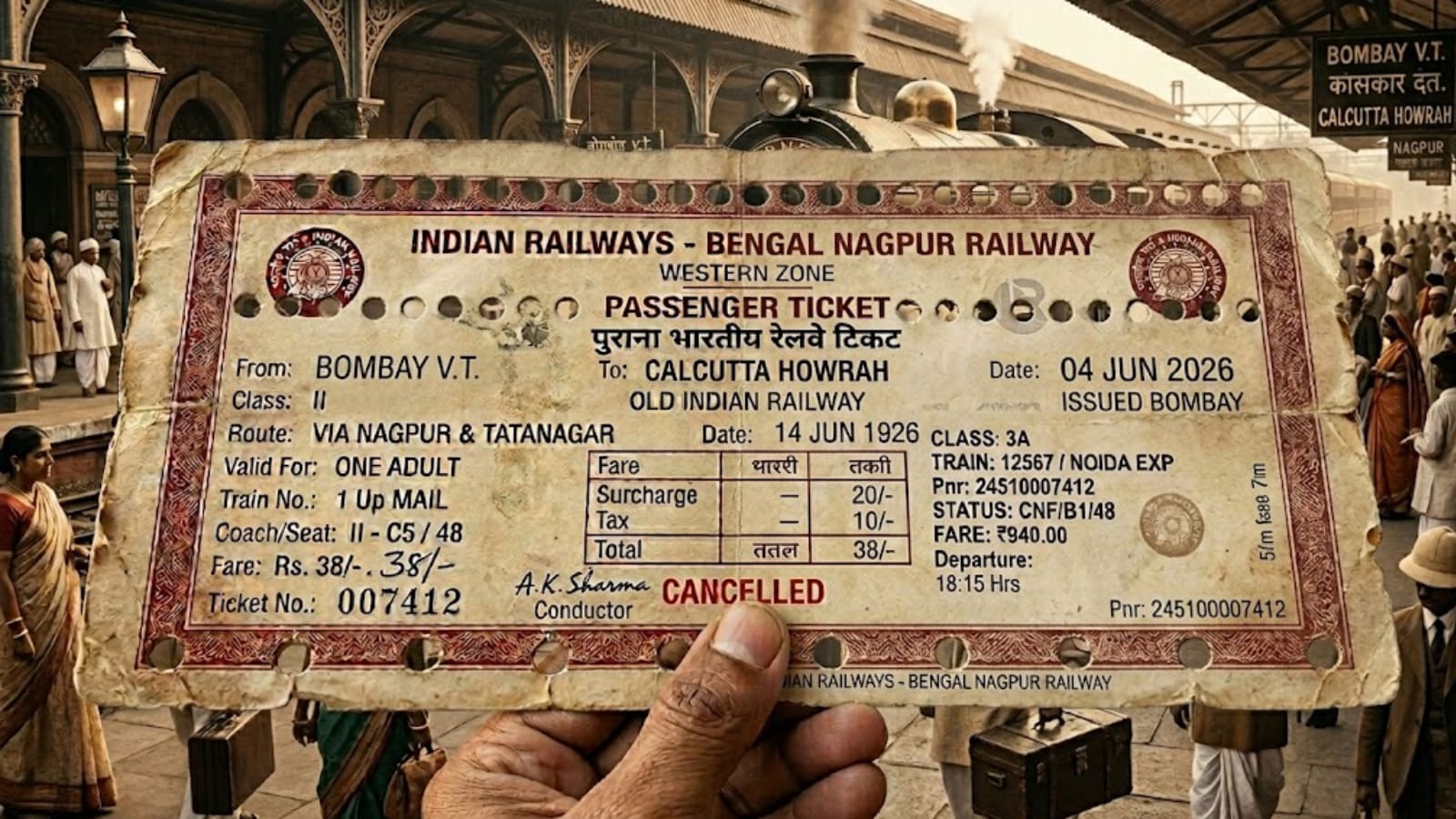
Small details that become a nostalgic memory: For many travellers, these perforated tickets remain a symbol of a different era of rail travel. What seemed like a simple design feature was actually a clever engineering solution that helped print millions of tickets accurately every day.