
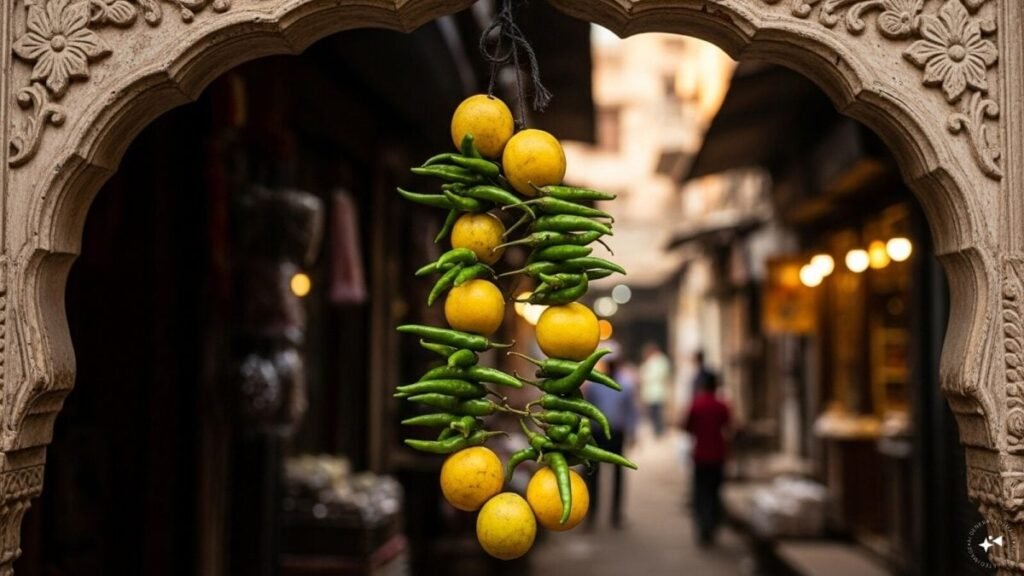
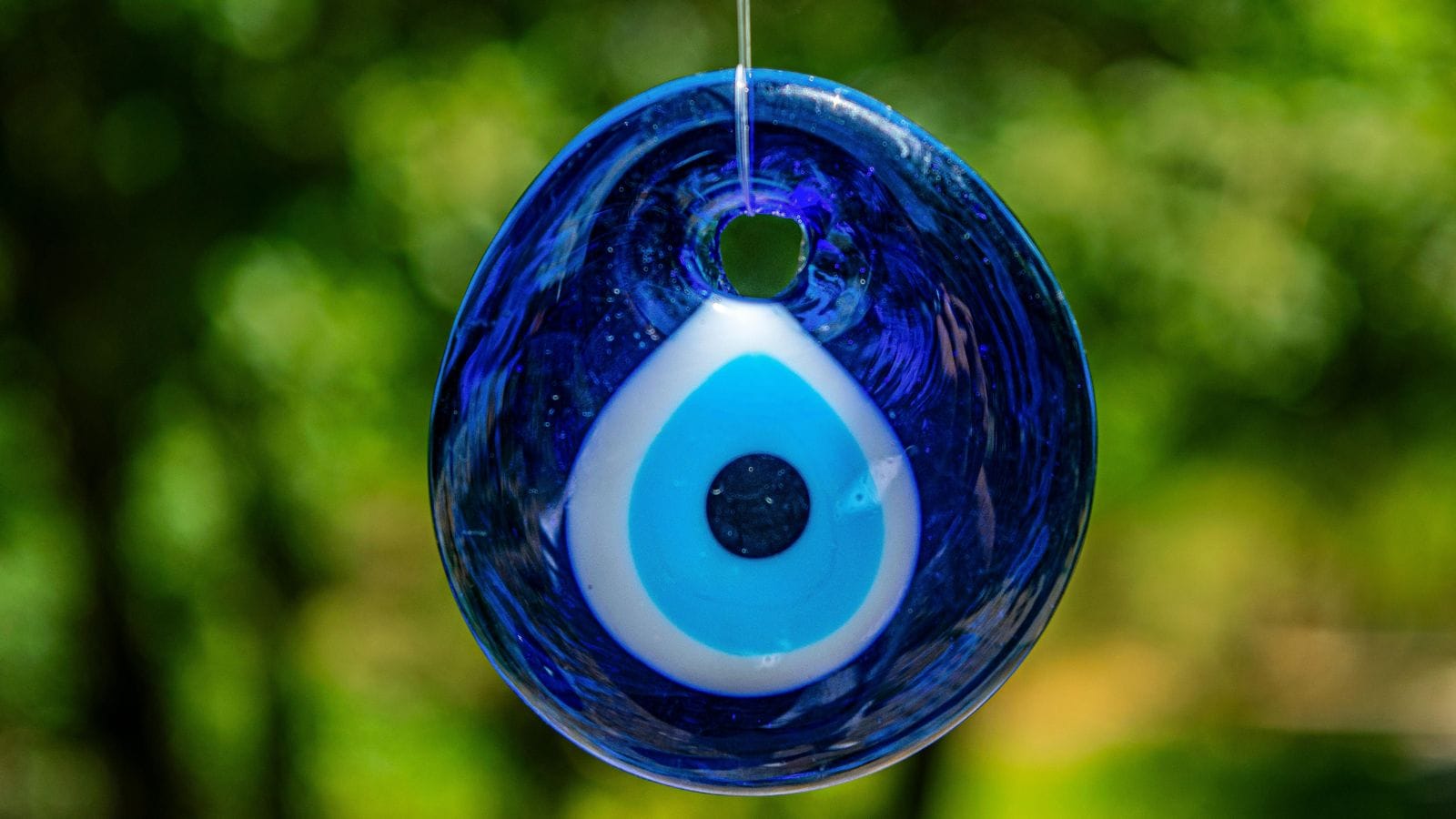
In India, the concept of the evil eye (known as nazar or drishti) is deeply woven into everyday life. It is the belief that envy, admiration, or even an unintended glance can bring misfortune, illness, or bad luck. While some dismiss it as a superstition, countless families across the country continue to practice ancient rituals to protect themselves. These customs are not only interesting but also reveal the cultural richness and diversity of India. From lemons and peppers hanging at store entrances to fireworks on rooftops, each region has its own way of warding off negative energy. (Image: Canva)
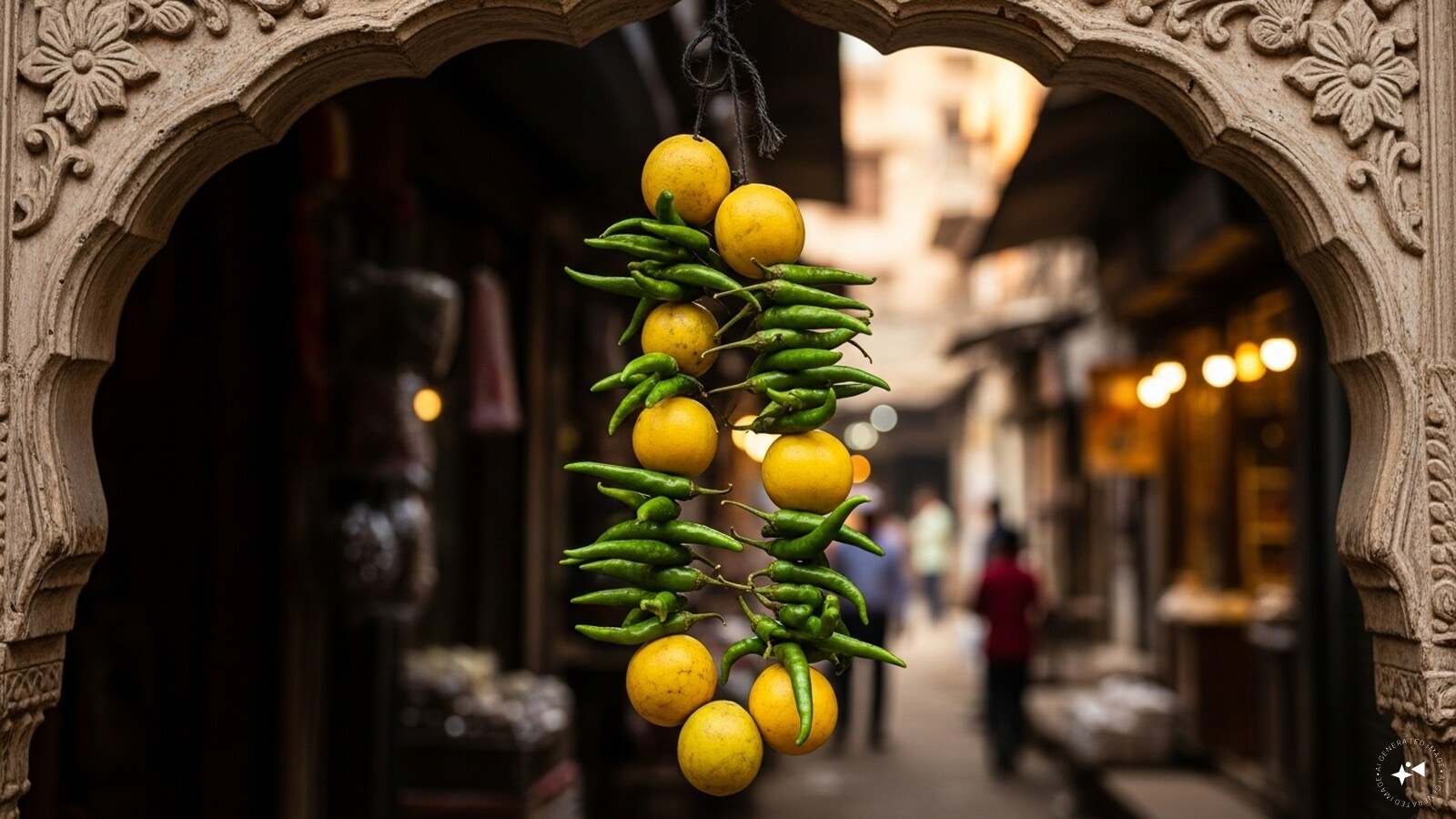
Lemon and green pepper magic: Perhaps the most famous symbol of protection in India is the string of lemons and green peppers hung outside homes, shops and vehicles. This practice is especially common in North India. The belief is that the acidity of lemon and the spices of hot pepper expel evil spirits and absorb negative energy. Once the charm has served its purpose, it is discarded and replaced with a new one, ensuring continued protection. (Image: generated by artificial intelligence)
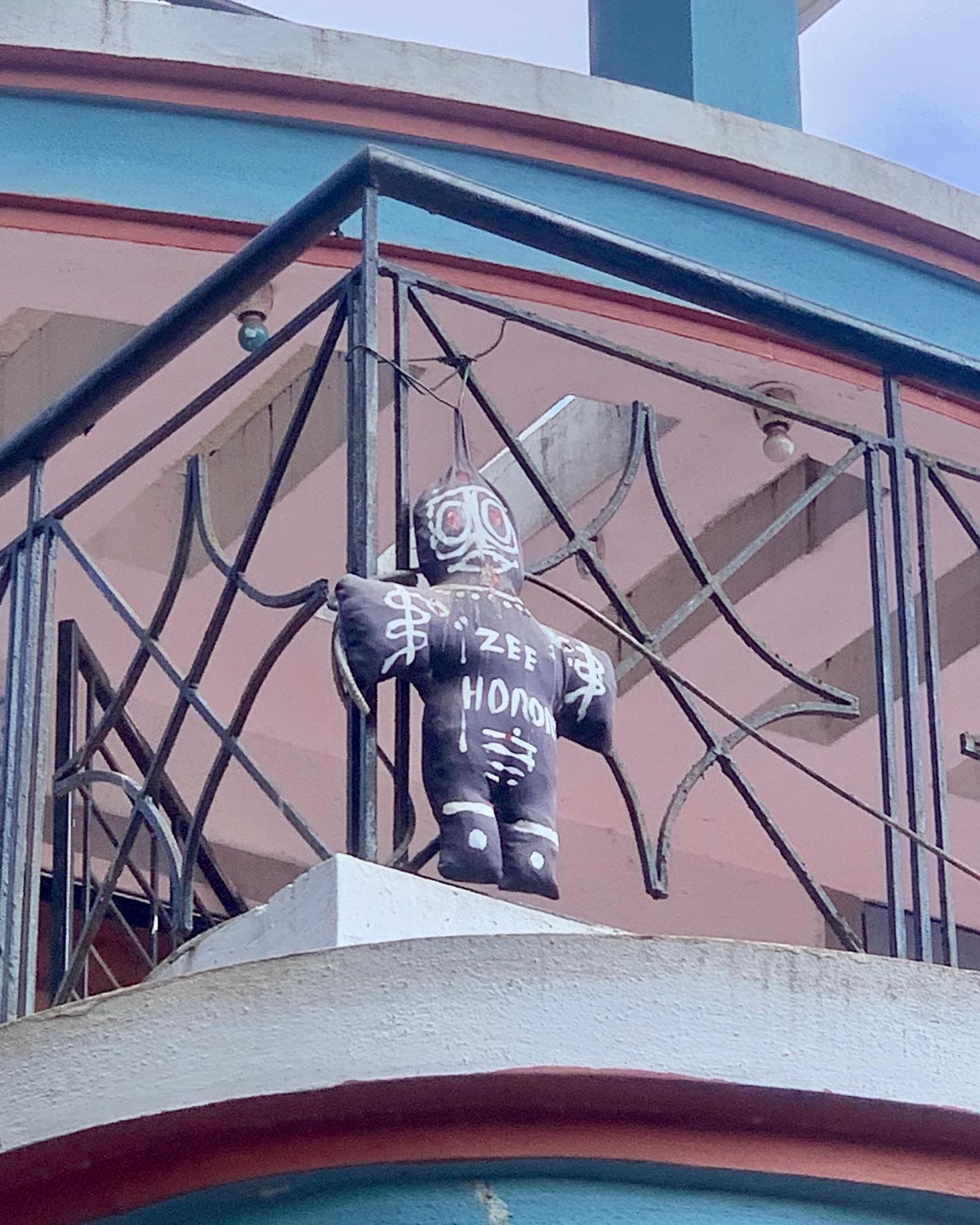
Black dolls on buildings: In parts of southern India, you often see large black dolls or statues hanging from new buildings or perched on rooftops. These fierce-looking characters are meant to scare away the evil eye cast on new projects, homes or businesses. The exaggerated features of the dolls symbolize defiance against malevolent forces, making them an eye-catching sight on urban skylines. (Image: Instagram)
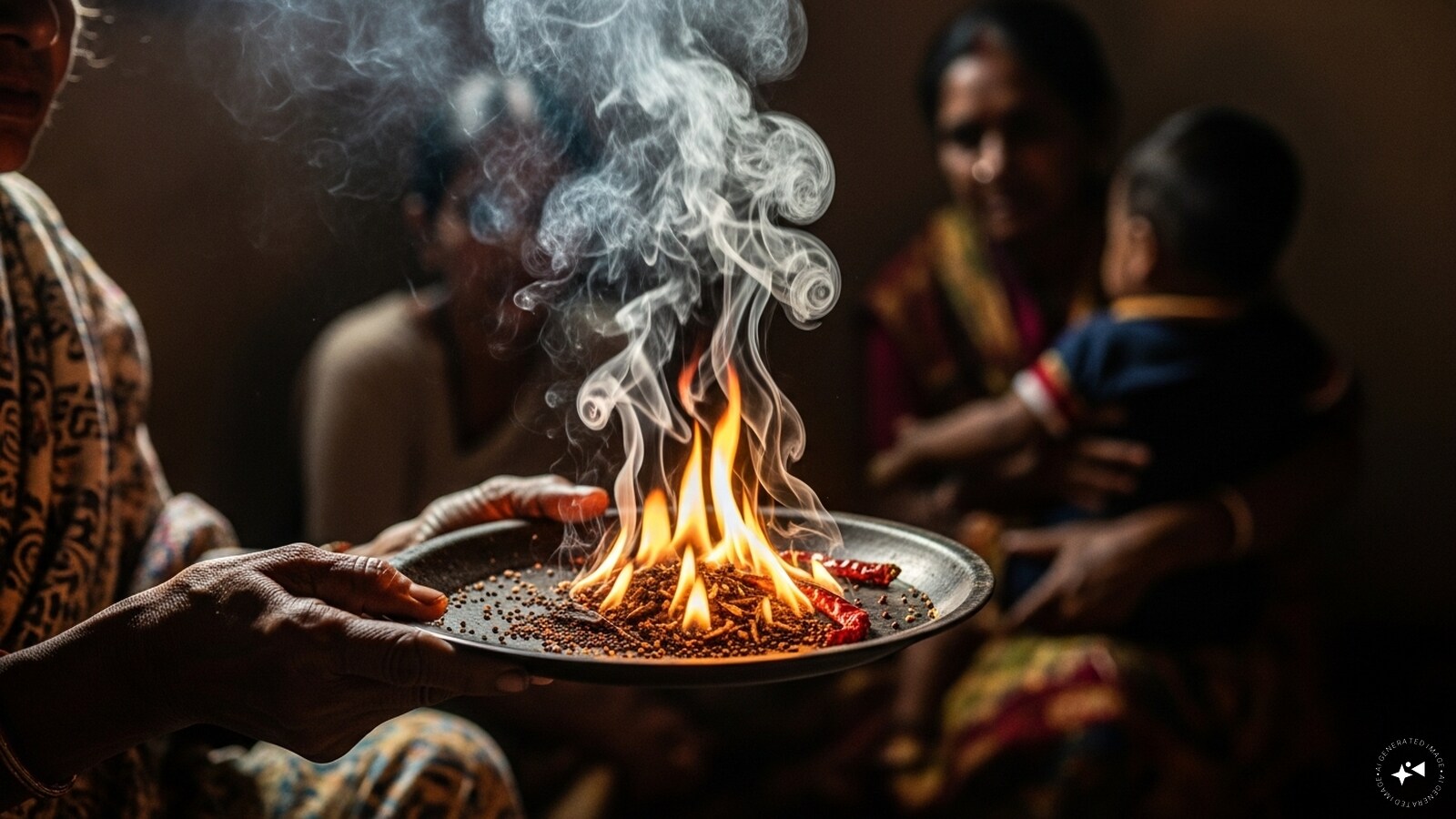
Burning mustard seeds: In Maharashtra and Gujarat, a common ritual involves burning mustard seeds or red pepper to remove traces of nazar. It is believed that smoke carries negative energy. Families often perform this ritual when someone suddenly falls ill or when it is believed that a child is under the evil eye spell. The act is simple yet powerful, rooted in the idea that fire purifies and transforms. (Image: generated by artificial intelligence)

Kajal on children: In many parts of India, parents apply a small dot of kajal behind the child’s ear or on the soles of the feet. This is not for beauty but for protection. The black mark is believed to ward off the evil eye and protect the child from harm. (Image: generated by artificial intelligence)

Coconut ritual: In coastal states like Kerala, coconut is often used in rituals to ward off bad energy. Breaking coconuts in temples or during ceremonies symbolizes breaking negativity and offering purity to the deity. In some households, a coconut is wrapped around a person believed to be affected by Nazar and then broken outside, ensuring the destruction of the evil influence. (Image: generated by artificial intelligence)
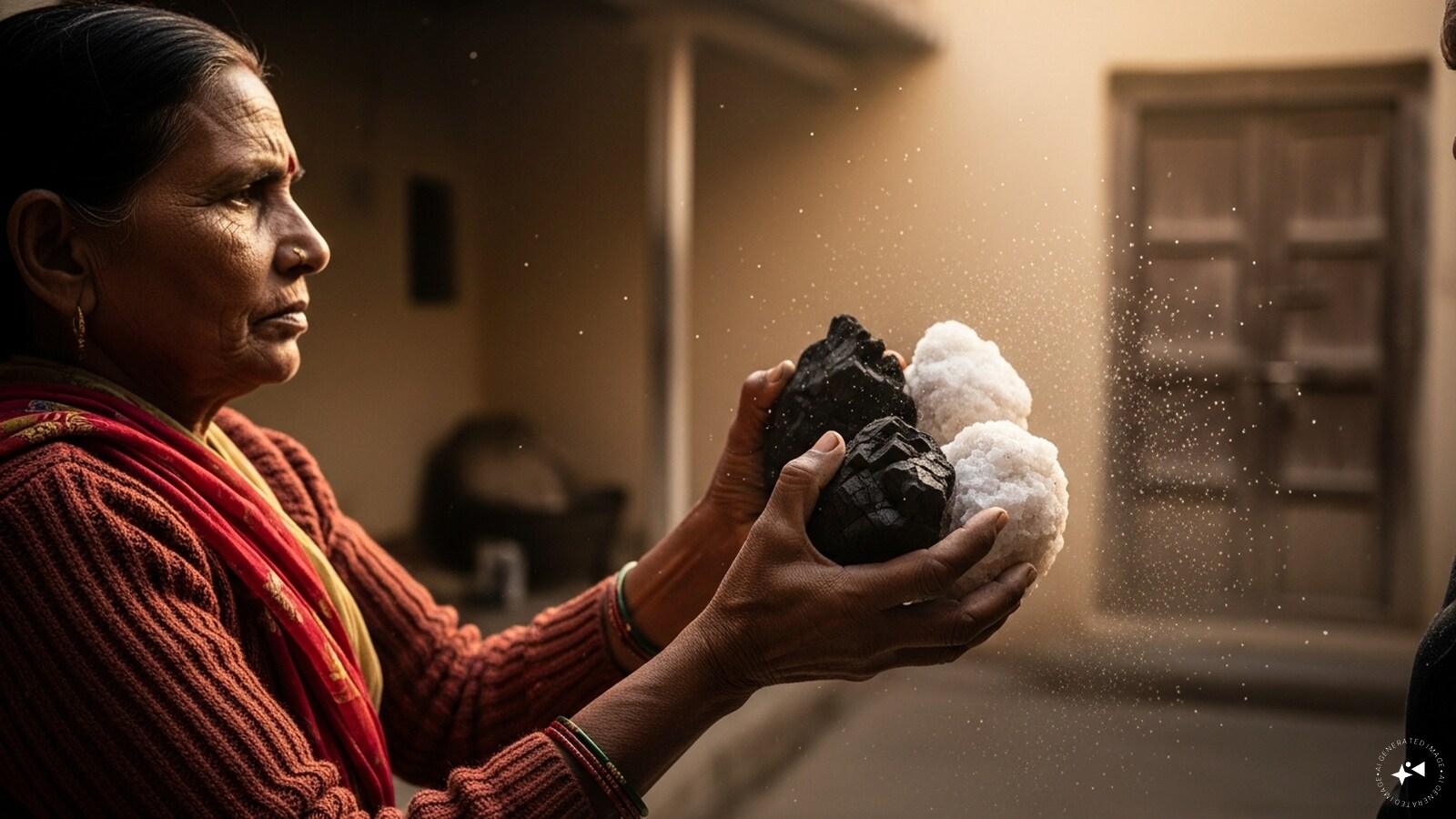
Charcoal and salt cleaning: In Rajasthan and Uttar Pradesh, families sometimes use charcoal or rock salt to absorb negative energy. Objects are circled around the person or thing believed to be under the evil eye and then discarded. Salt, in particular, is a powerful cleanser capable of neutralizing harmful vibrations. (Image: generated by artificial intelligence)
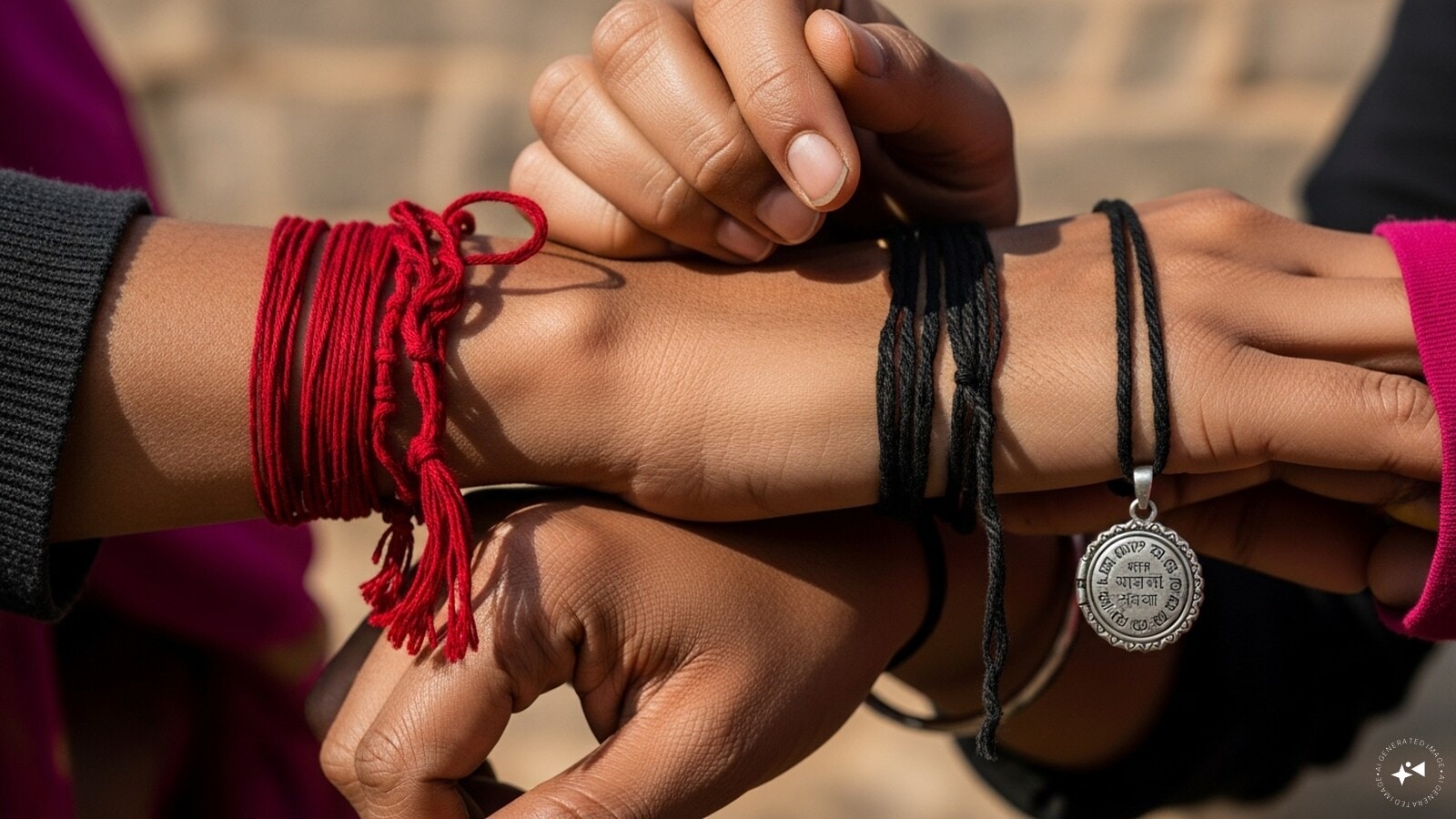
Amulets and protective threads: Throughout India, amulets and sacred threads are tied around the wrists, ankles or neck for protection against envy. In Hindu families, blessed red or black threads are common in temples, while in Muslim families, verses from the Quran are inscribed in necklaces that are worn for protection. These talismans serve as a constant reminder of faith and resilience against unseen forces. (Image: generated by artificial intelligence)