

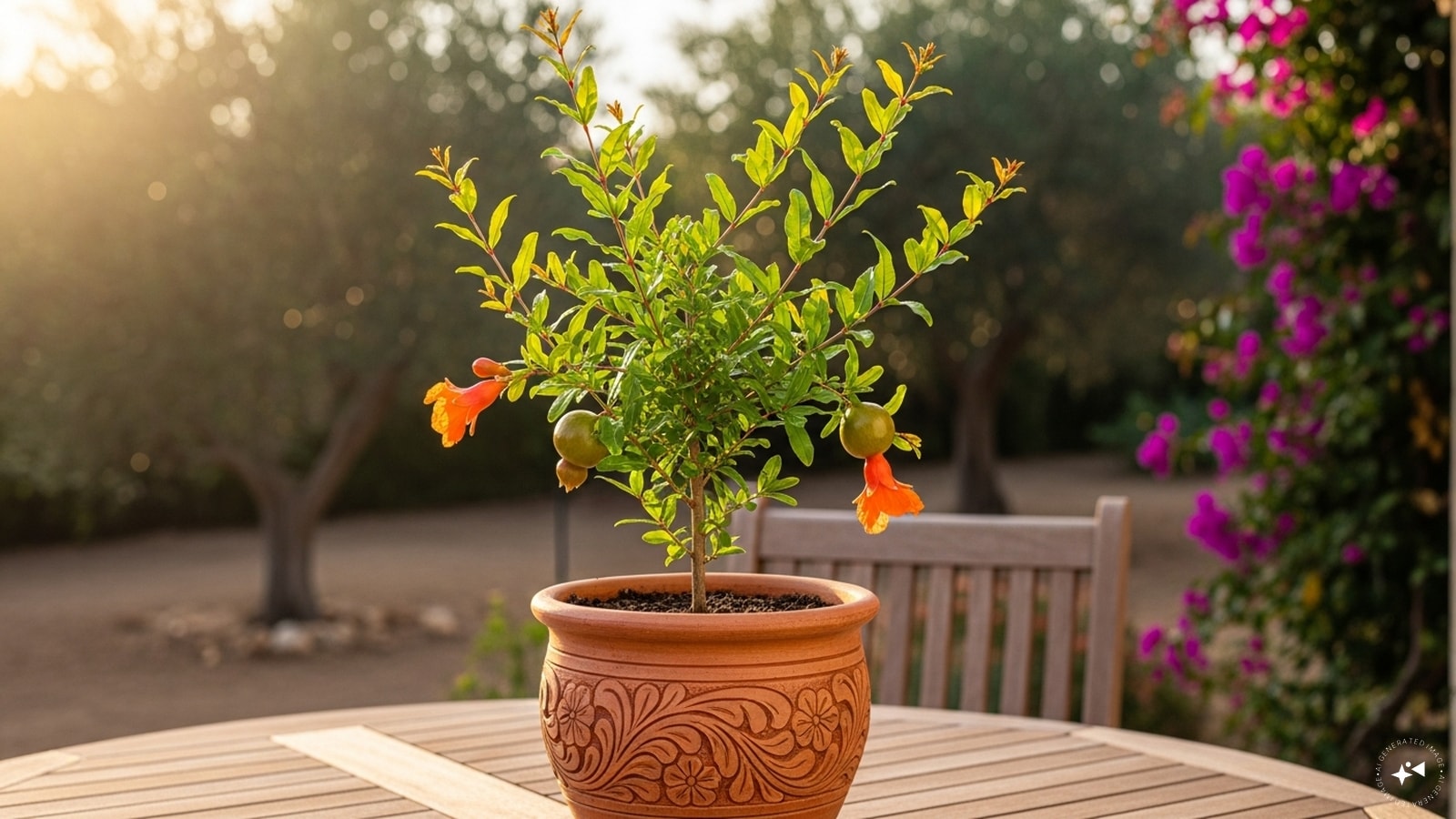
Choose the appropriate pomegranate variety: Start with a healthy Punica granatum seedling from a trusted nursery. Dwarf or compact varieties grow best in containers. Popular varieties such as Bhagwa or Ganesh adapt well to warm climates and begin fruiting earlier than plants grown from seeds. (Image: generated by artificial intelligence)
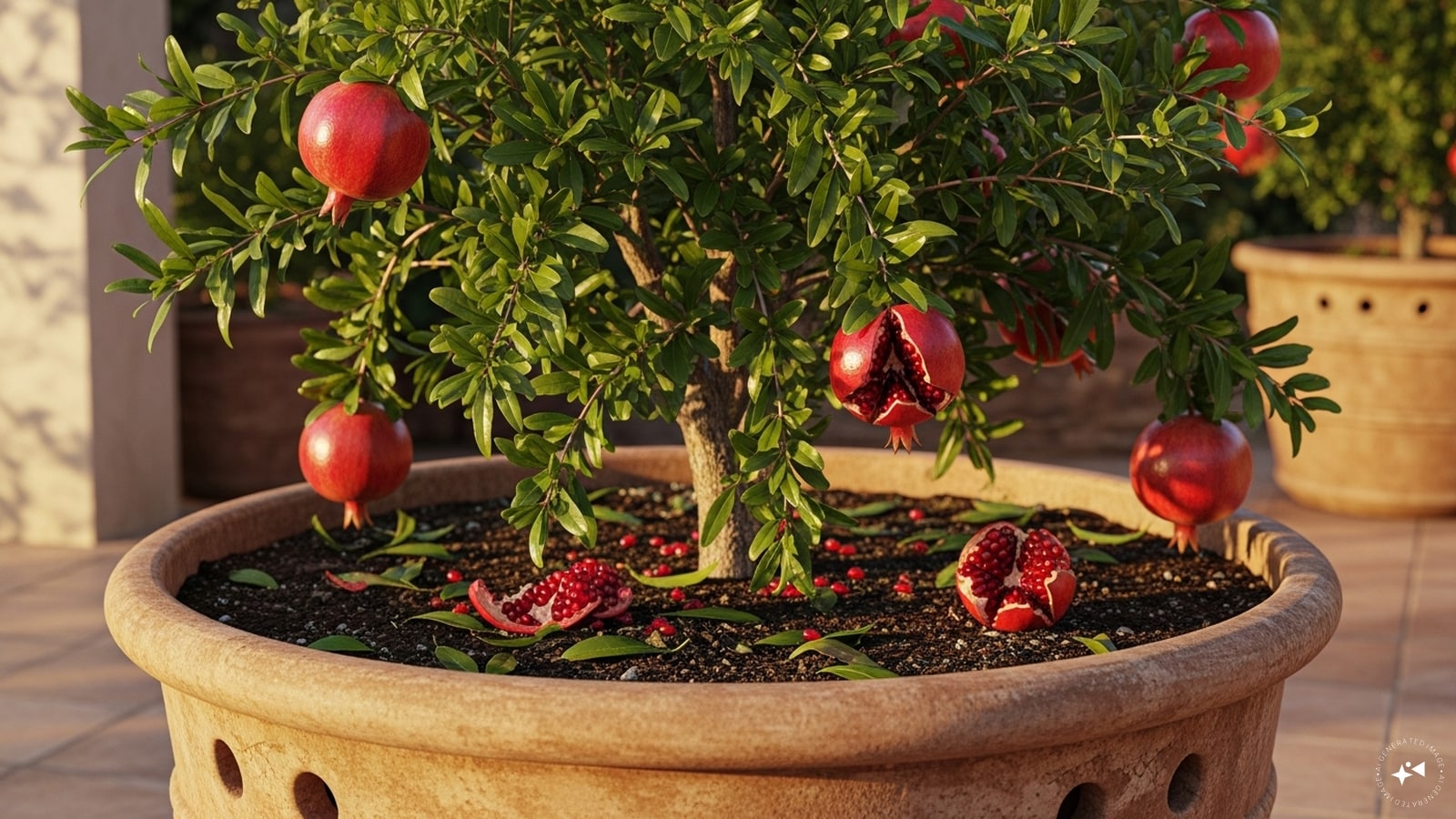
Choose a large, sturdy bowl: Pomegranate trees develop strong roots, so choose a container that is at least 16-20 inches wide and deep. Pottery, ceramic, or thick plastic pots work well. Make sure the pot has multiple drainage holes to prevent excess water from collecting around the roots. (Image: generated by artificial intelligence)
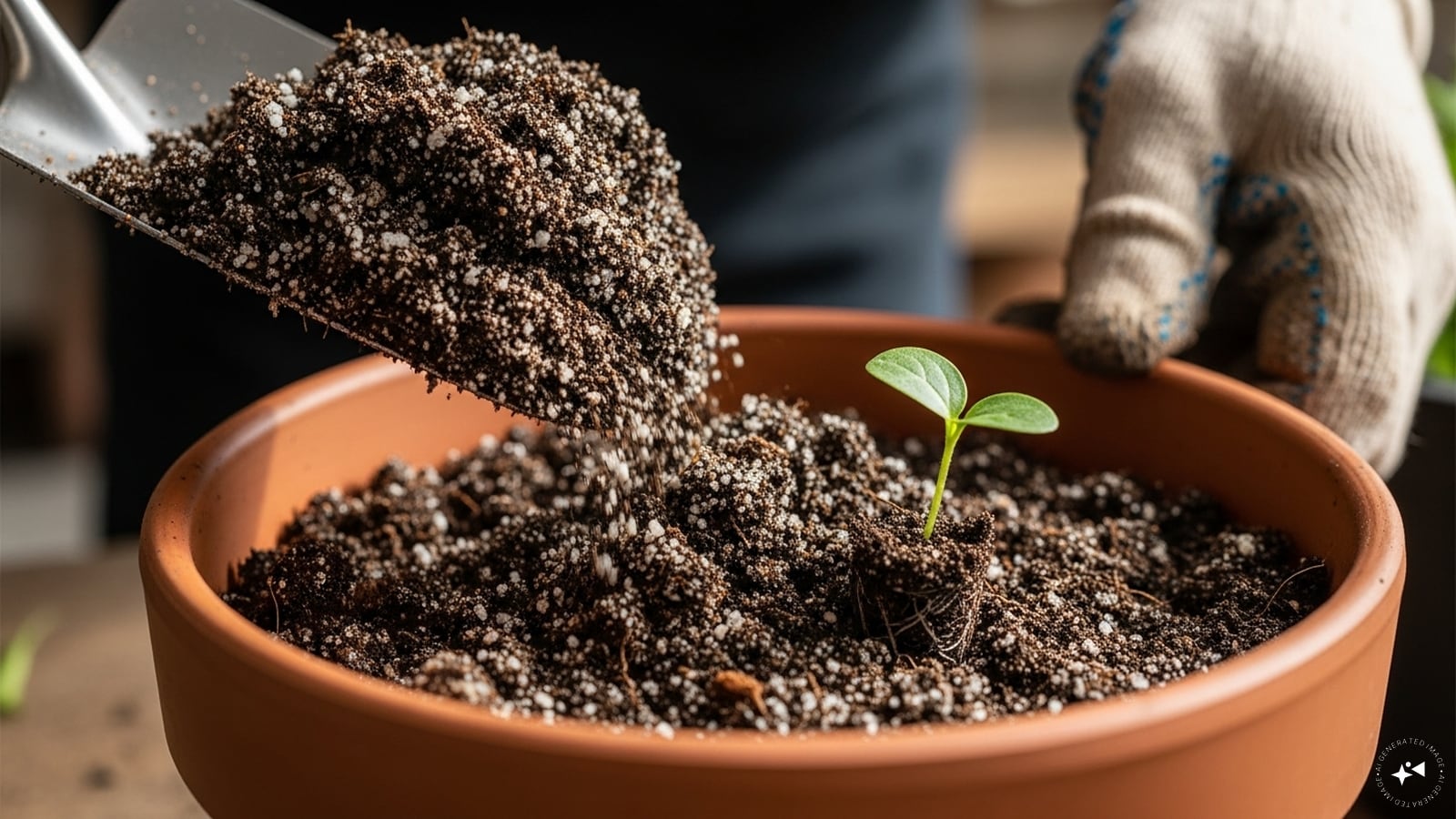
Prepare a well-draining soil mixture: Fill the pot with a loose, nutrient-rich potting mix. Combine garden soil, compost, sand or coco coir in equal parts. This mixture improves drainage while providing nutrients. Good soil structure allows the roots to spread easily and helps the plant grow steadily. (Image: generated by artificial intelligence)
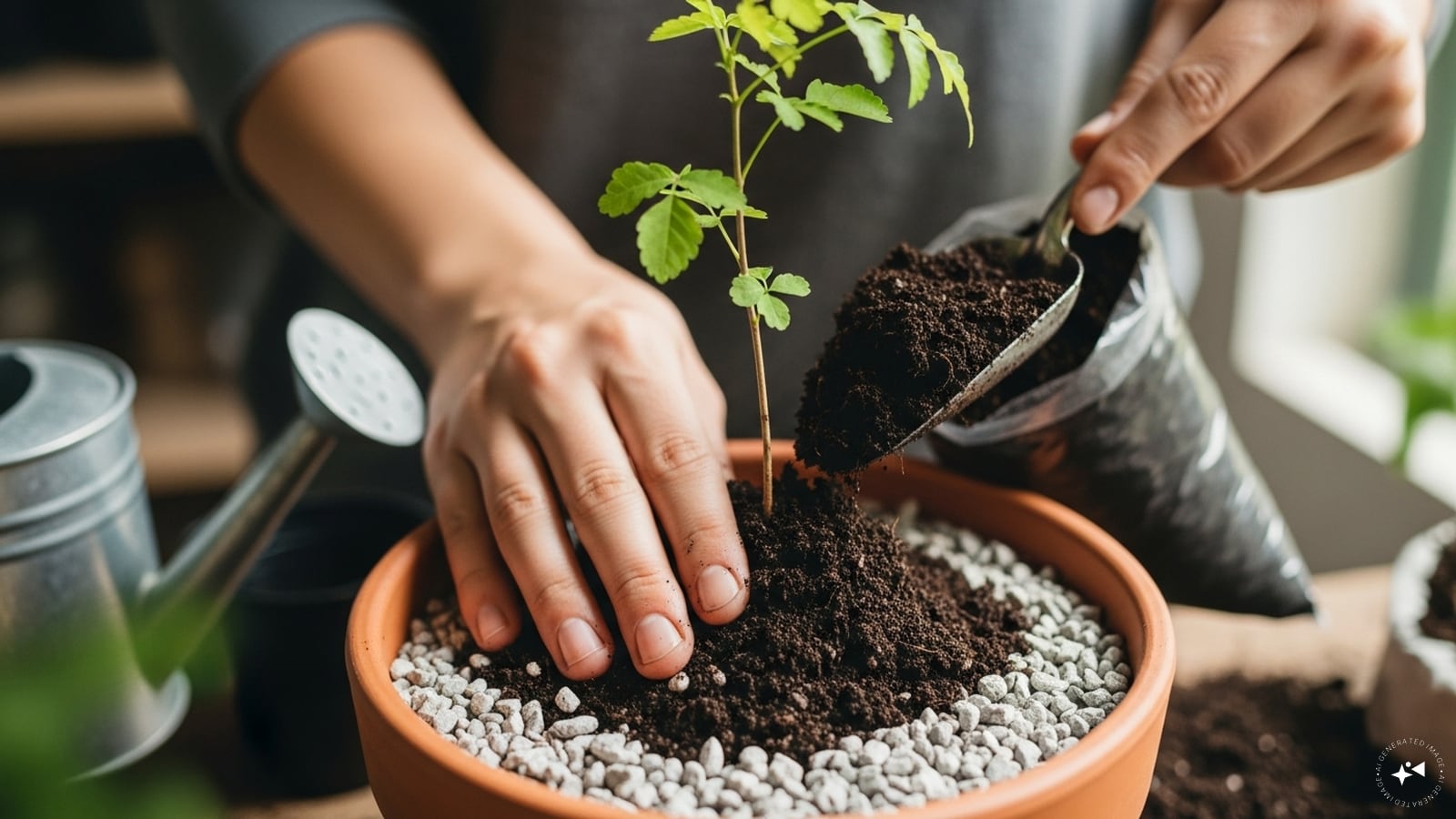
Plant the seedling correctly: Place a small layer of gravel at the base of the pot for better drainage. Place the seedling upright in the middle and gently fill in the soil around its roots. Press the soil lightly to secure the plant and water immediately after planting. (Image: generated by artificial intelligence)
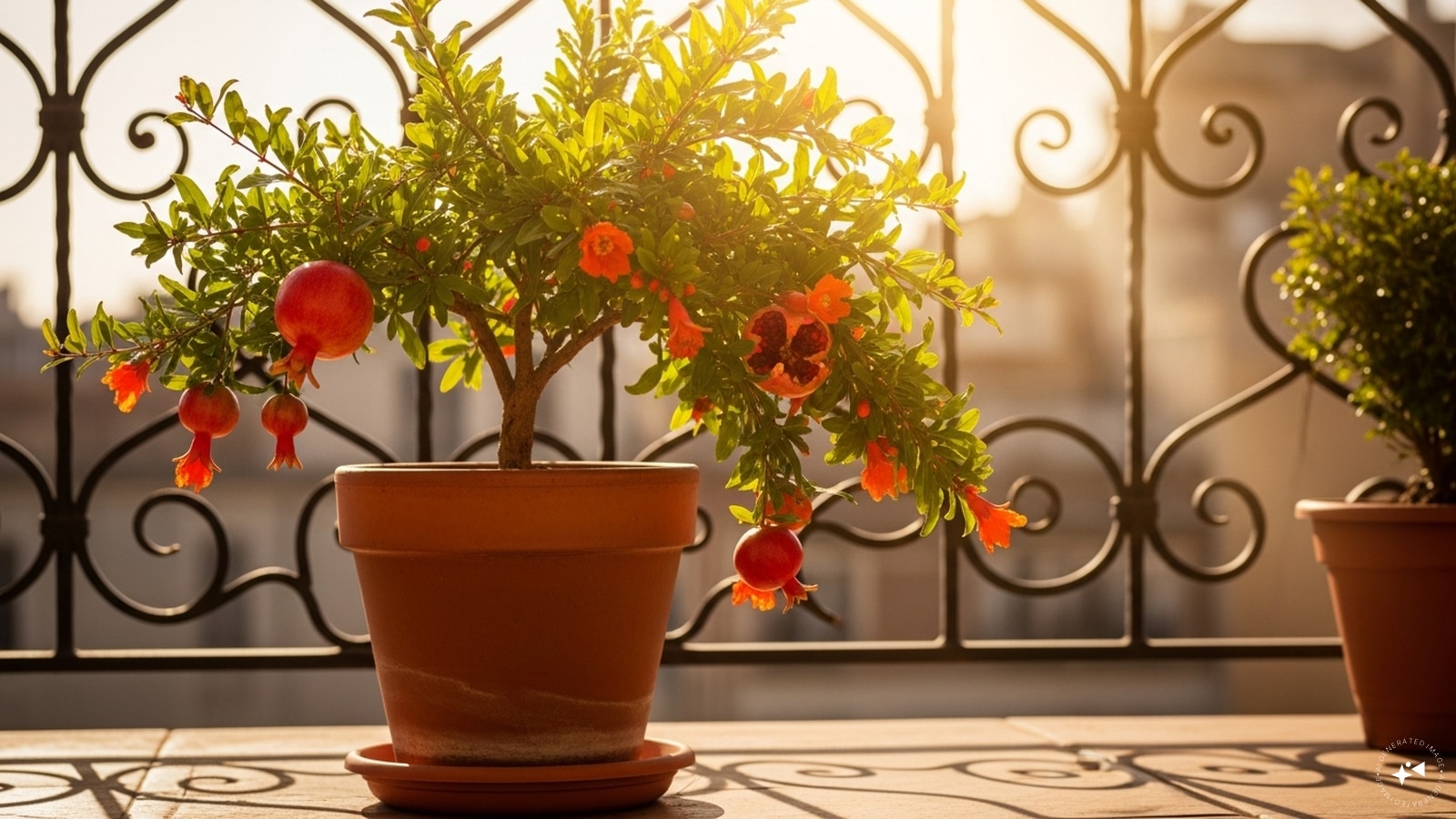
Place the pot in full sunlight: Pomegranate plants need plenty of sunlight to grow and produce flowers. Keep the pot in a bright location where it receives at least six to eight hours of direct sunlight per day. A sunny balcony, terrace or deck is ideal. (Image: generated by artificial intelligence)
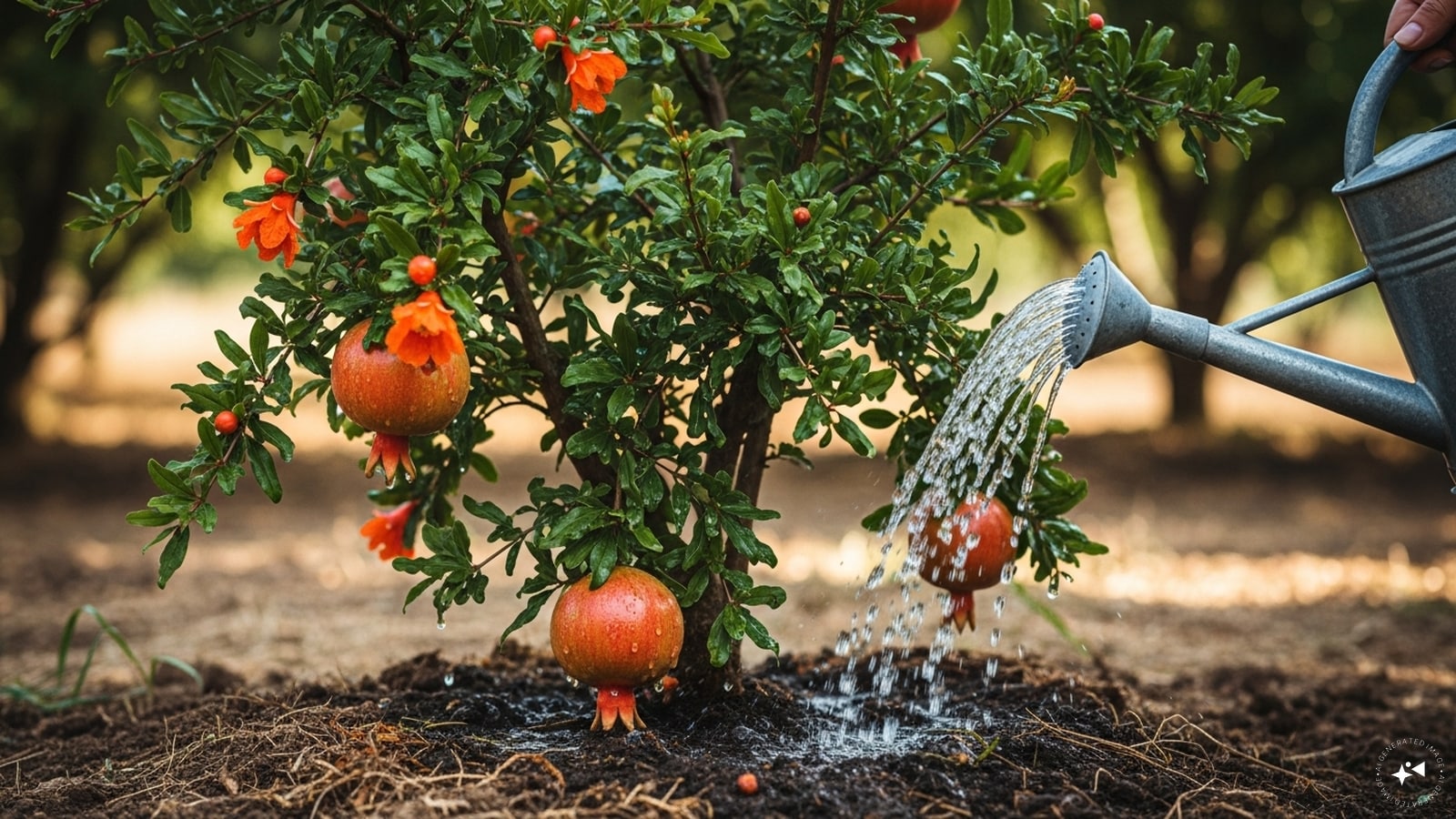
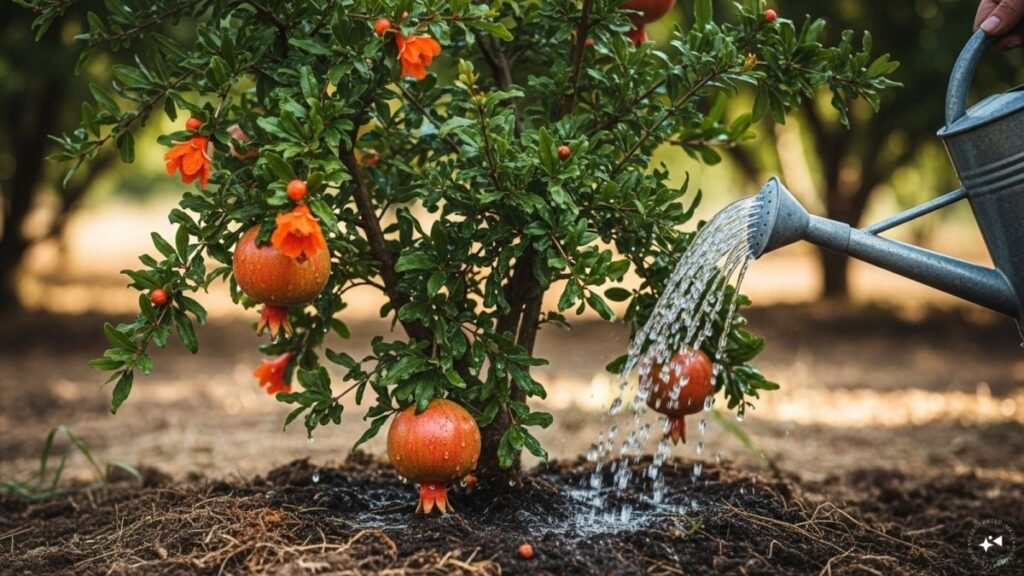
Water carefully and constantly: Water the plant when the top of the soil feels dry. Pomegranate tolerates short periods of drought but does not like waterlogged soil. Regular but moderate watering keeps roots healthy and supports steady growth, especially during flowering and fruit development. (Image: generated by artificial intelligence)
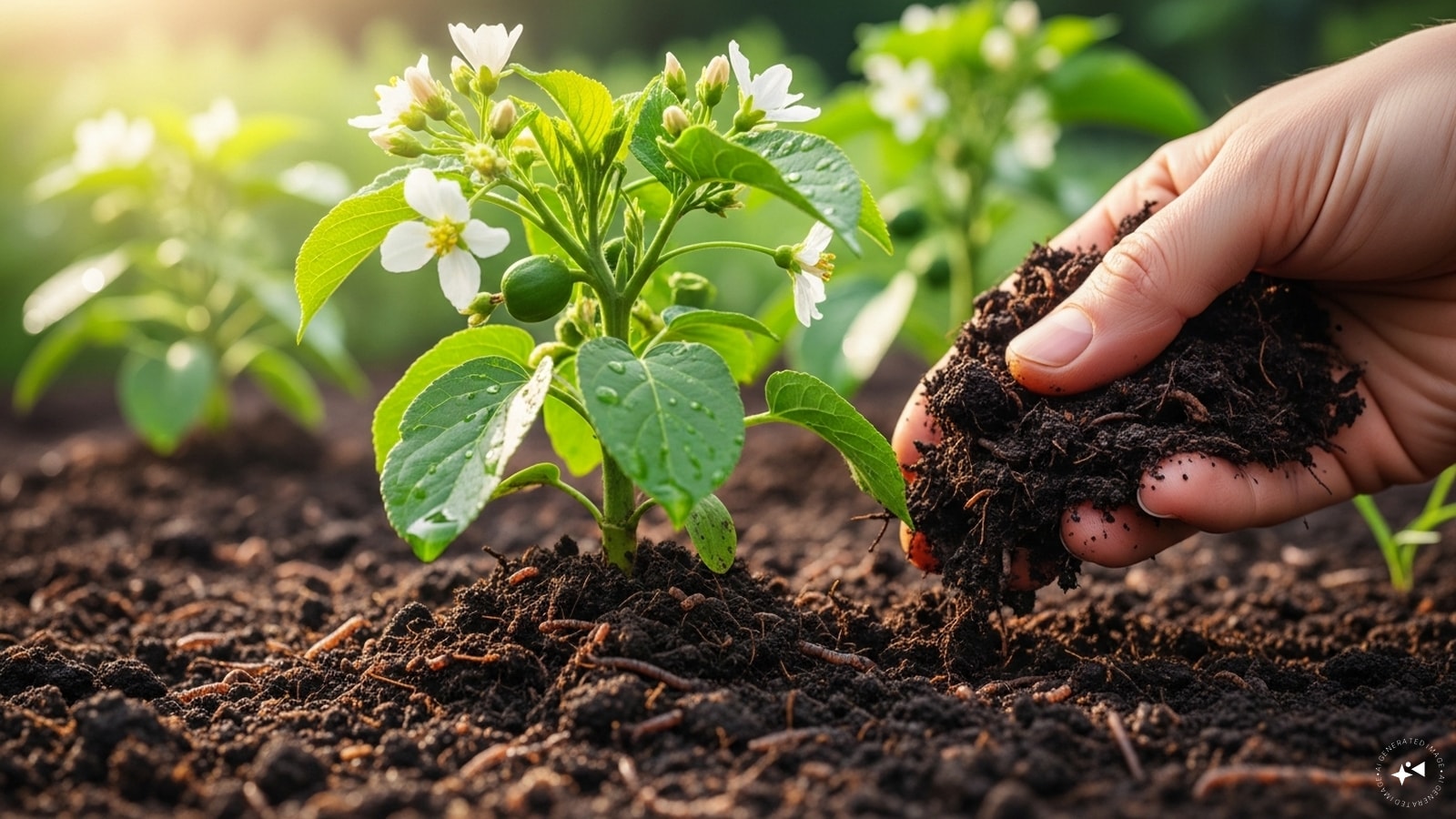
Feeding the plant with fertilizers: Use compost or a balanced fertilizer every three to four weeks during the growing season. Nutrients help the plant produce stronger branches, more flowers, and better fruit. Avoid excessive fertilizer, as it may promote foliage rather than fruiting. (Image: generated by artificial intelligence)