

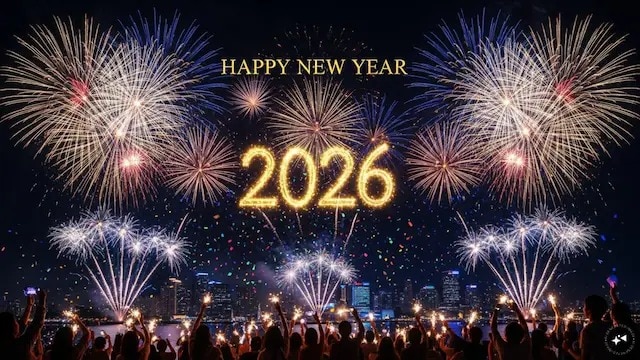
As the calendar turns and 2026 officially begins, New Year celebrations are back in full swing around the world. While January 1 is widely known as the start of the year, the idea of a “new year” looks very different across Asia where multiple calendars (solar, lunar and religious) shape how and when the occasion is celebrated.
In many Southeast Asian countries, the New Year is not tied to just one date. Aside from January 1, many countries celebrate the Solar New Year in April and the Lunar New Year celebrations in January or February.
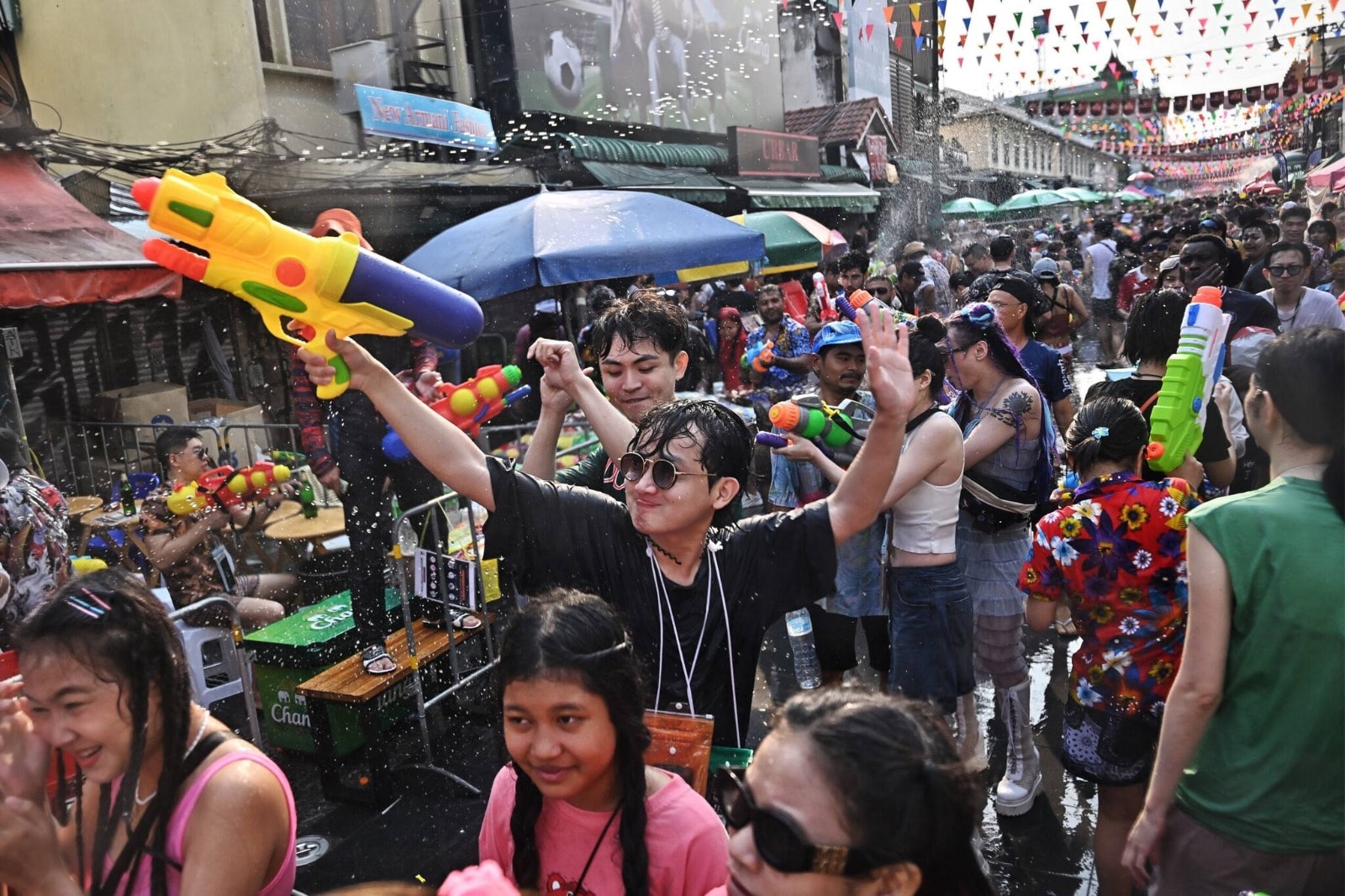
The Solar New Year, largely influenced by Buddhist traditions and the movement of the sun, is a major celebration throughout the region. Known in Thailand as Songkran, it is a festival also popular in neighboring regions. Laos celebrates it as Pi Mai or Pii Mai Lao while Myanmar celebrates the occasion as Thingyan. In Cambodia, the same festival is called Choul Chnam Thmey or Moha Sangkranta.
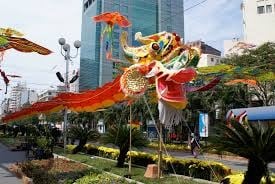
Lunar New Year, which follows the lunar cycle and usually falls between January and February, is celebrated mainly by communities of Chinese origin throughout Southeast Asia. In Vietnam, the festival is called Tết or Tết Nguyên Đán. Indonesia refers to it as Imlik or Sin Kai while Malaysia and Brunei call it Tahun Baru Sena.
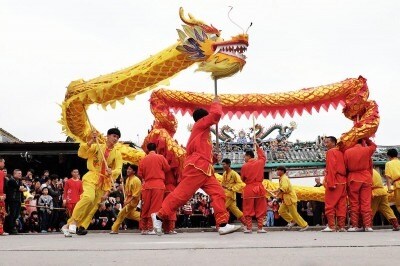
In the Philippines, the Lunar New Year is known as Bagong Tong Tseno or simply Chinese New Year. Singapore also celebrates Chinese New Year making it one of the most prominent festivals in the country’s calendar alongside Gregorian New Year.
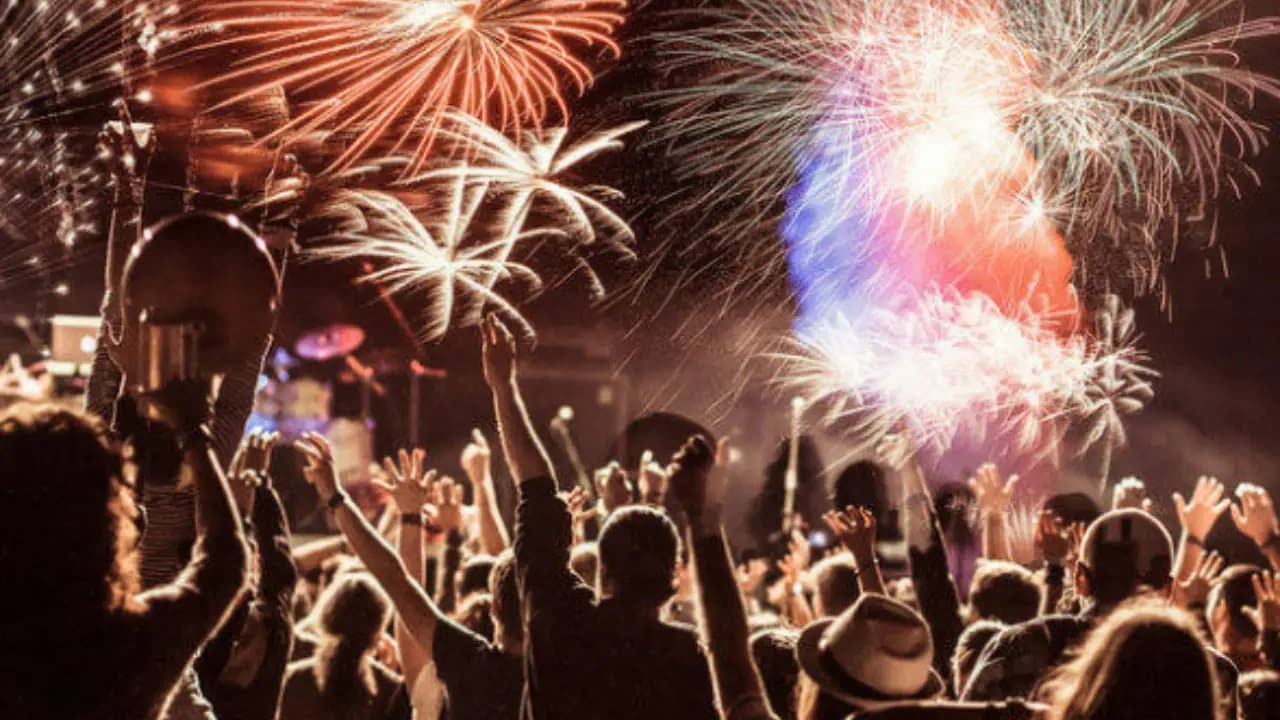
When it comes to January 1 itself, most Southeast Asian countries use Western naming conventions, often with a local twist. In the Philippines, New Year is called Bagong Tun Eve while January 1 is Araw ng Bagong Tan Day. Malaysia refers to the New Year’s Eve when you will be able to have it at once.
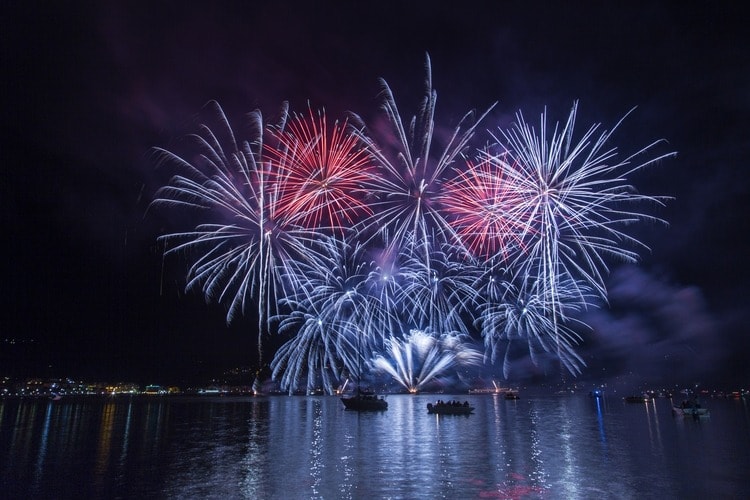
Thailand celebrates the Gregorian New Year as well, usually with family gatherings and dinners although Songkran remains the main traditional New Year. East Timor uses the name Vuiloma Tinan Von, a term influenced by its Portuguese history. Countries like Brunei and Singapore often mix Gregorian celebrations with Lunar New Year celebrations.
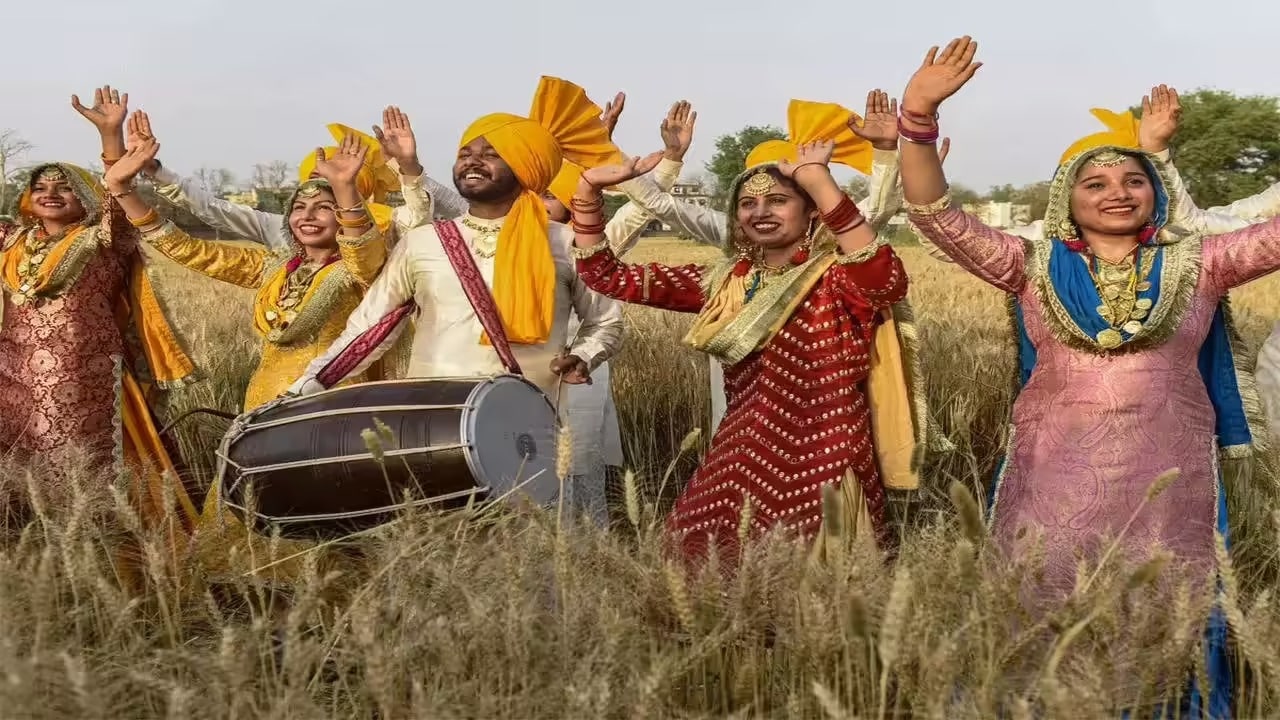
India’s neighboring countries also recognize January 1, but traditional New Years still has strong cultural significance. Nepal celebrates its New Year in April as Baisakh Ek Gatey or through festivals like Bisket Jatra while Vaisakhi is also observed in parts of the region.
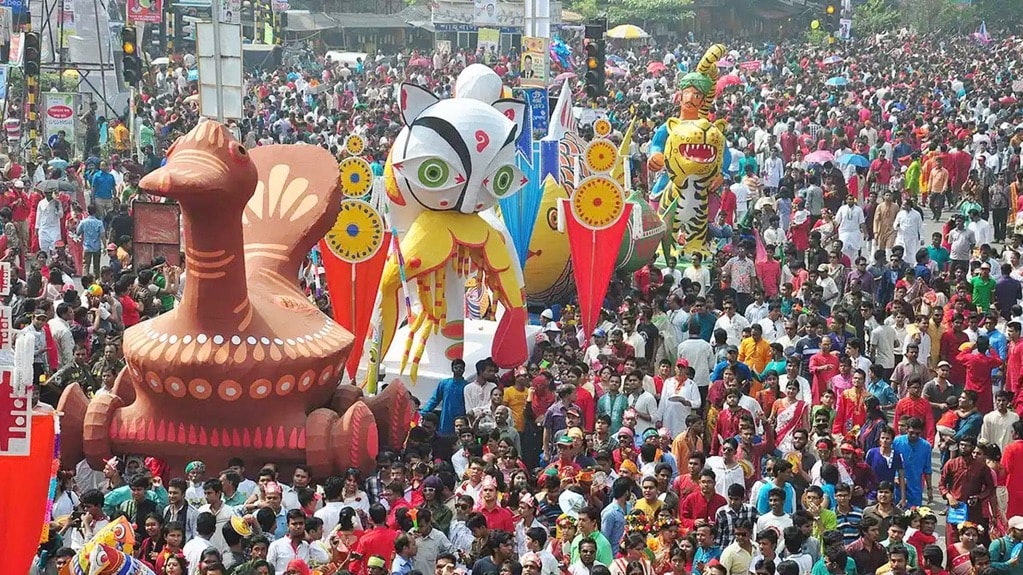
Bangladesh celebrates its new year as Pohela Boishakh or Sangrai usually in April. Sri Lanka celebrates Aloth Avurudha, the Sinhala-Tamil New Year, around the same time. Bhutan celebrates Losar, the Tibetan Buddhist lunar new year that usually falls in February or March, while the traditional New Year in Myanmar is Thingyan.
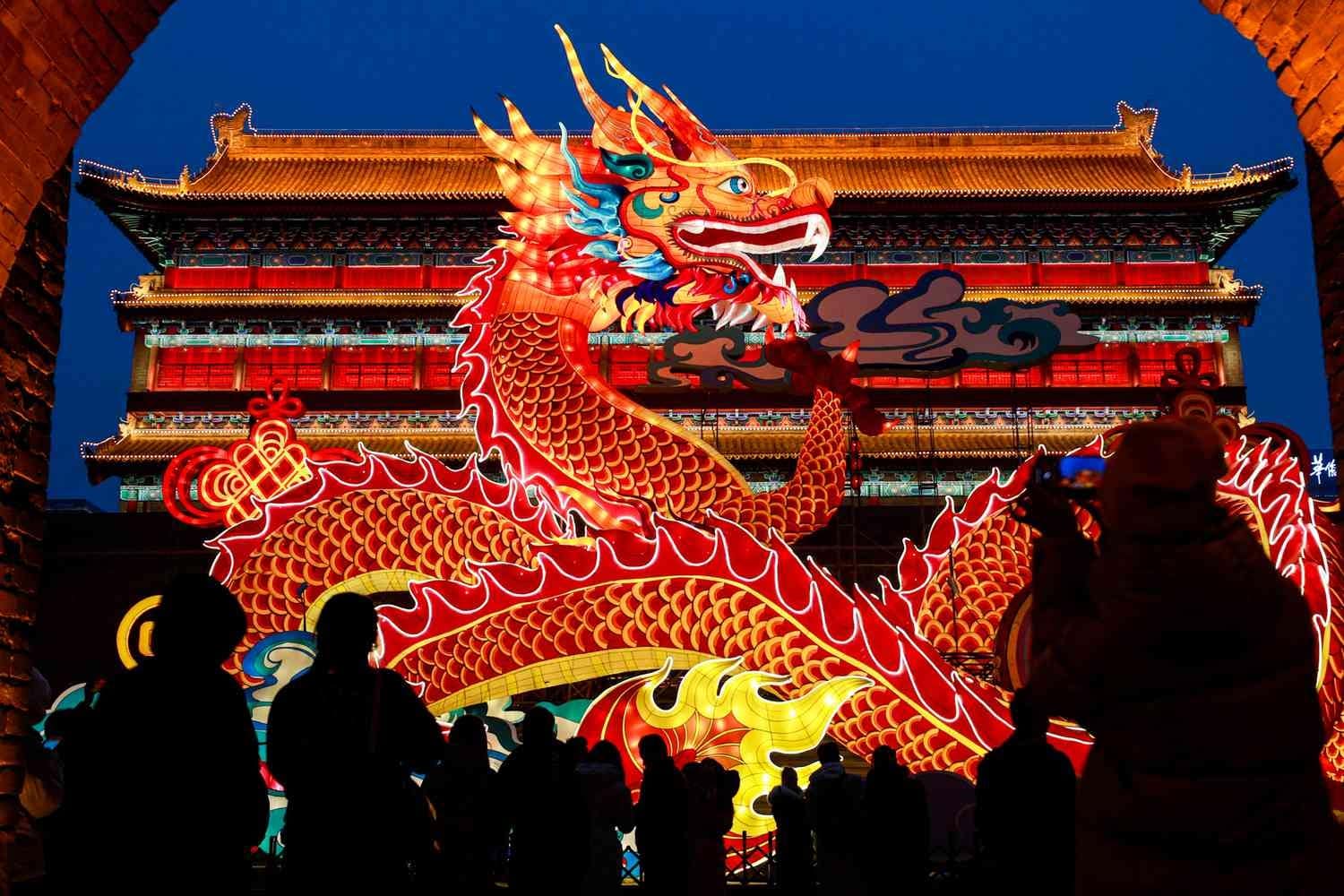
Outside of South and Southeast Asia, the Chinese-influenced Lunar New Year is celebrated in China as Zhongji, also known as the Spring Festival, usually in February. It remains one of the most widely celebrated New Year’s Eve celebrations in the world.

The Islamic New Year, which follows the Hijri lunar calendar and falls on different dates each year, is known as New Year or simply Islamic New Year in countries such as Pakistan, Bangladesh and Afghanistan. In Pakistan, January 1 is commonly referred to as Naya Sal which is partly shaped by Persian influences such as Nowruz which is celebrated separately in March.