

Have you ever seen a store without a shopkeeper? There is no counter, no cashier, no camera and no one watching. However, people enter, choose items, and leave quietly after paying. Prices are clearly written, money is placed in a box, and digital payment is also an option. There is no fear, no rush, and no confusion. Everything goes on trust alone. At first, it seems strange and dangerous. But this small store runs smoothly, surprising everyone who visits it.
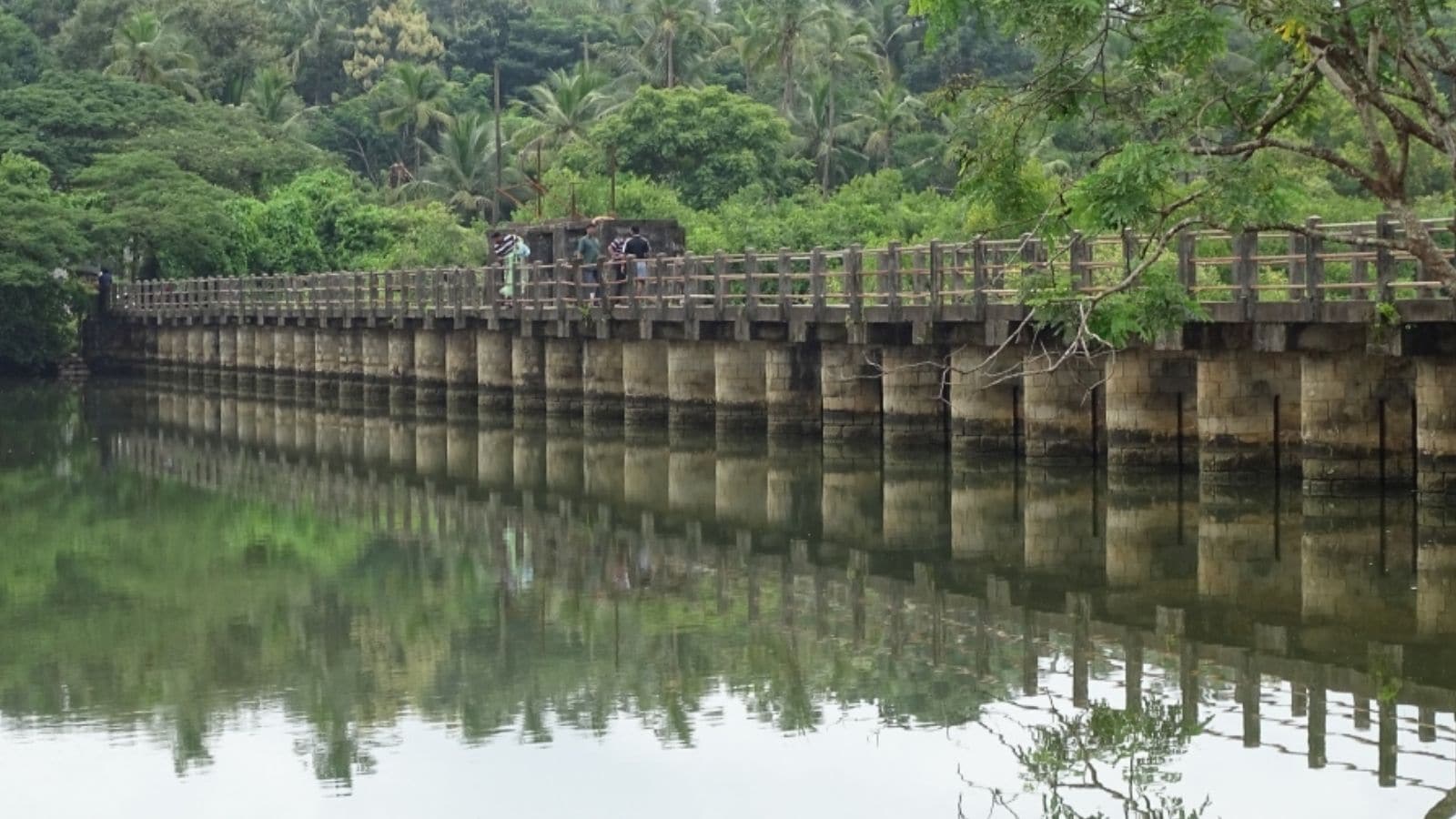
This unusual store is located near Thalichalam Bridge on the Payyannur-Trikaripur bypass road in Kerala. It was started by Mundakundile Sulaiman, a native of Thalislam. After returning to his homeland from working abroad, he opened this store with full confidence in the people. The store sells snacks, sweets, yogurt and some basic items. Anyone can come and choose what they need and pay themselves. There are no staff present during the day.

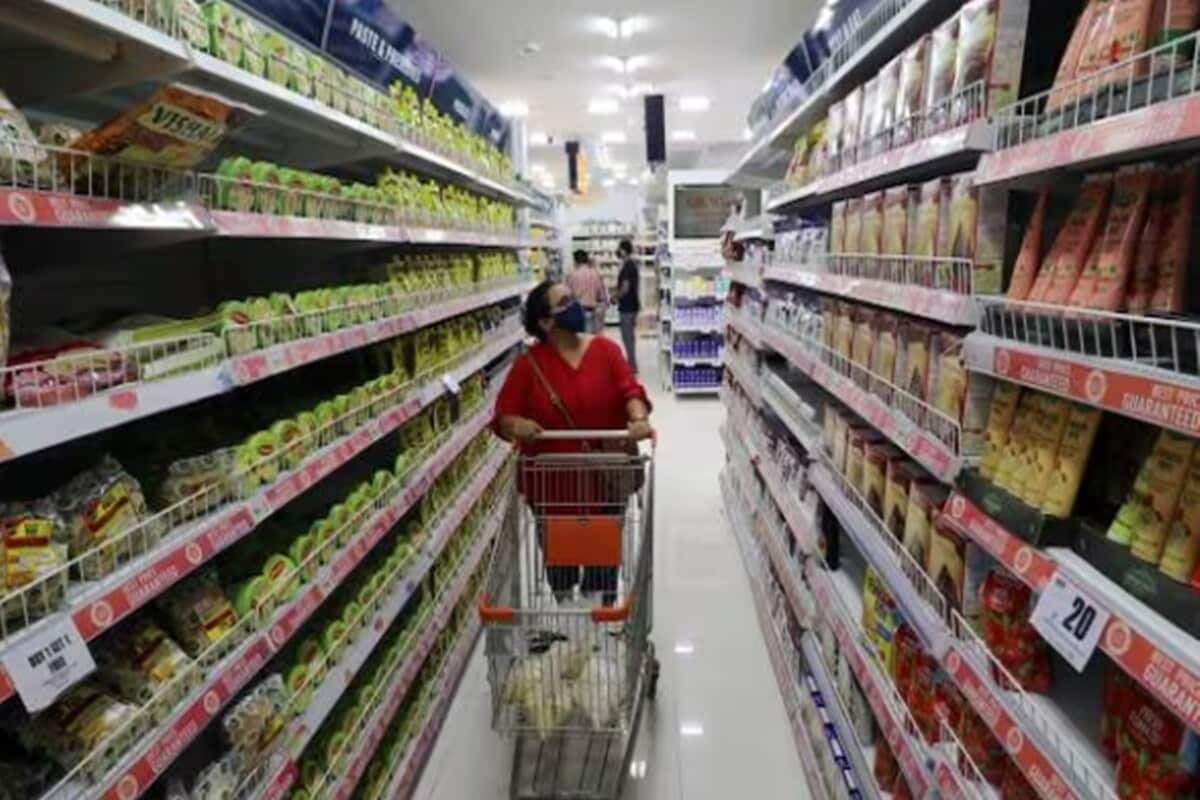
The store sells simple, everyday items needed by travelers and locals. These include salty snacks, sweets, yogurt, and some office products. Everything is neatly arranged so that buyers can choose easily. Each product has its price written on it to avoid confusion. Customers are free to take what they need without asking for permission. This simple setup makes shopping quick and peaceful. It also reflects the belief that people will pay honestly.

In-store payments follow the honor system. Buyers can place cash in a small box that is kept close to the items. For those who prefer digital payment, the Google Pay QR code is clearly displayed. There is no checking or counting in front of customers. Even people who do not have money are allowed to take small things into trust. This open system is completely based on honesty. Surprisingly, it runs smoothly every day.

There are no security cameras or security guards in the store. No one is watching who enters or what they pick up. However, theft is almost unheard of here. Locals and even strangers respect the system. Visitors feel responsible to pay correctly because they are trusted. The absence of fear creates a calm environment.
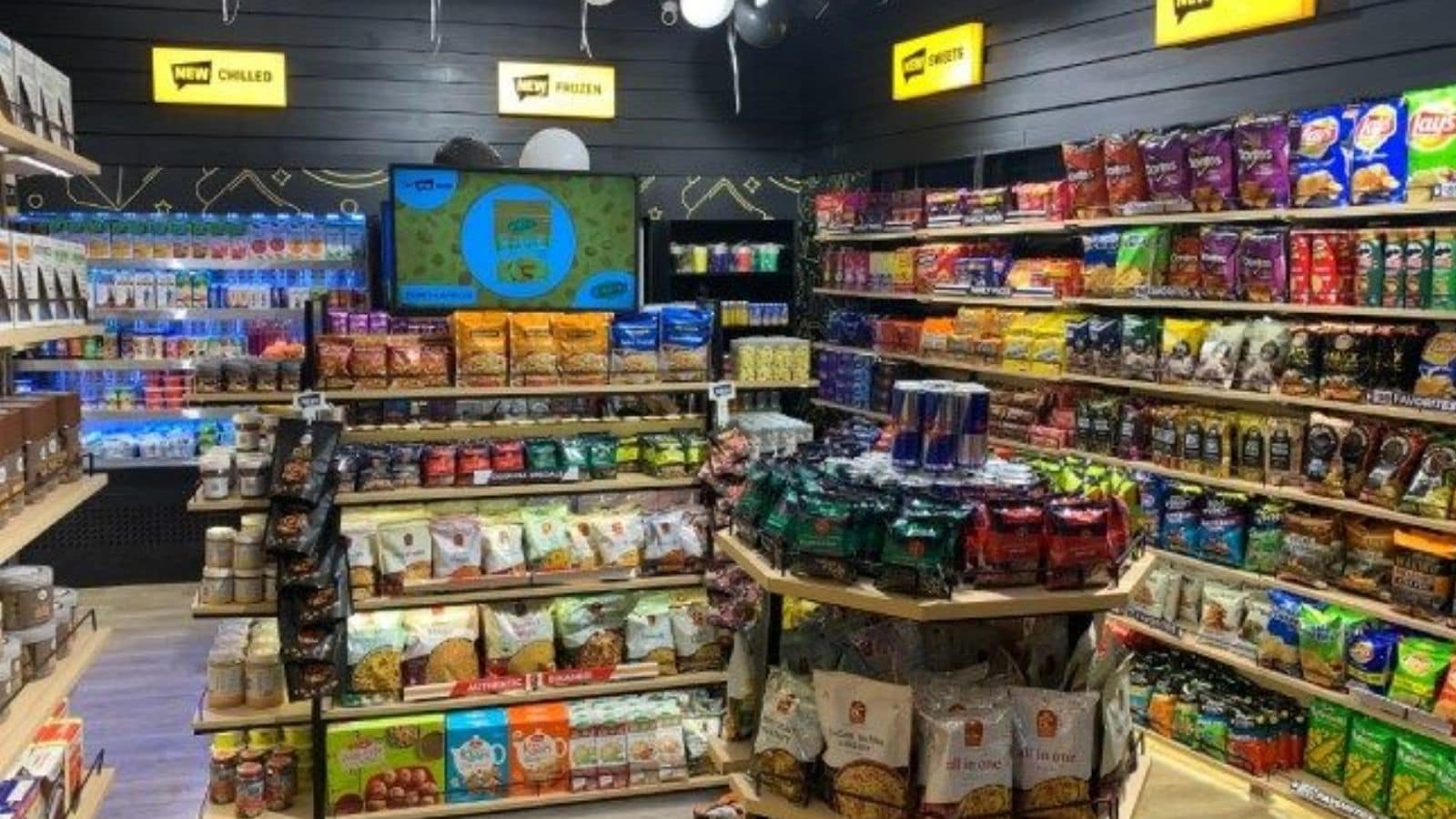
Mundakundil Sulaiman doesn’t stay in the store all day. He comes in the morning to refill the jars and arrange the items neatly. Then he goes home and goes about his day. He only visits again at night to check out the store. Doesn’t track sales closely. His belief is simple: If people are trustworthy, they will act honestly.
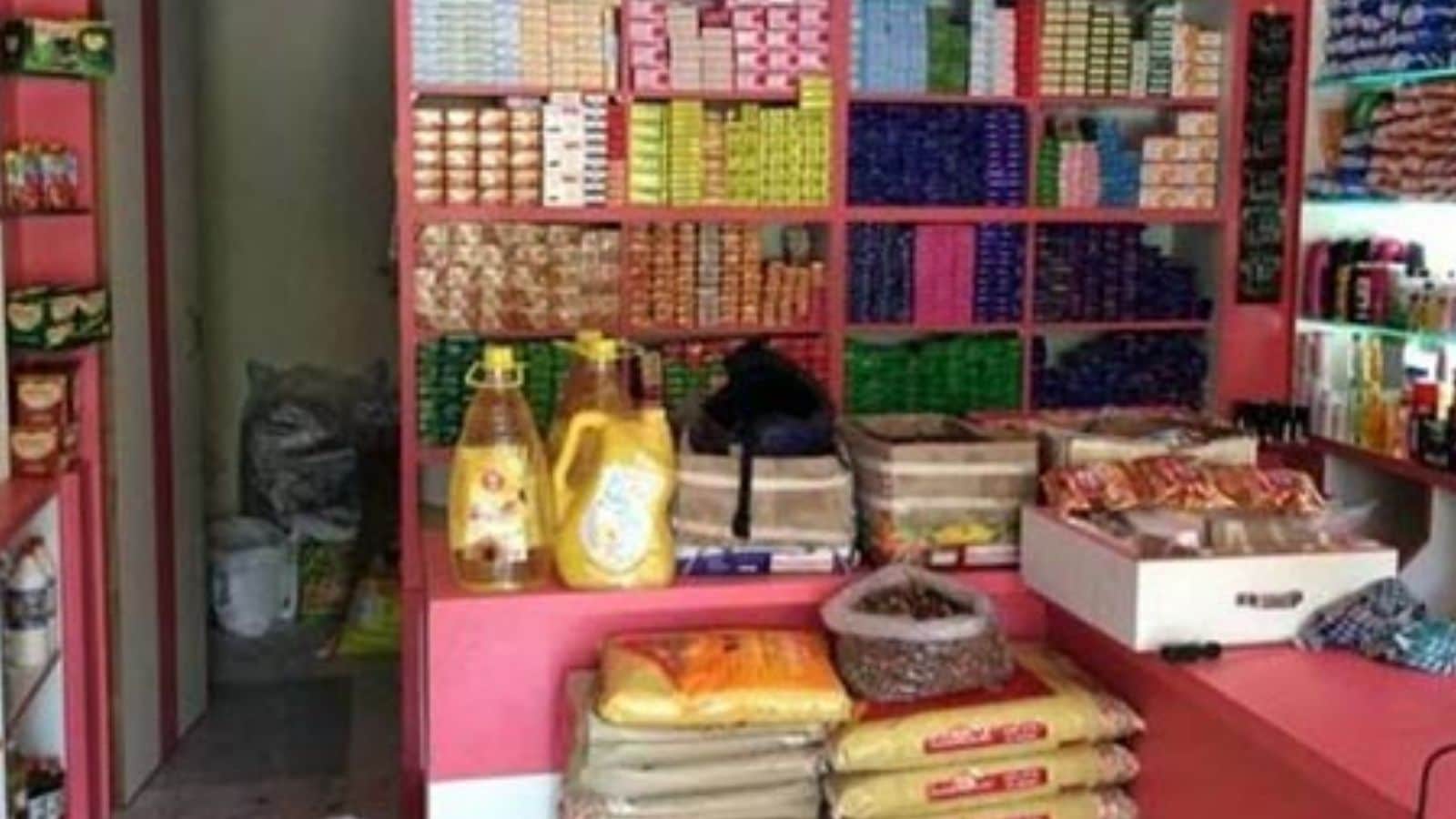
The store earns around Rs 500 to Rs 1,000 on most days. Solomon does not worry much about profit or loss. For him, the shop is more about faith than money. He believes that society works best when people trust each other. This thought motivates him to continue. The store has survived without supervision because people respect the idea behind it. Trust, not profit, is the real basis here.

Such honesty-based shops are not entirely new in Kerala. Similar settings exist in rural areas and near tourist sites. High literacy and strong community values help keep these shops running. People see honesty as a shared responsibility. Even without rules, most of them follow the system willingly. These stores quietly show how trust can shape everyday life. They also challenge the belief that strict oversight is always needed.

Similar credit stores can also be found in Mizoram. Online videos show kiosks where buyers choose items and leave money themselves. There are no shopkeepers or guards in sight. These places run smoothly because people respect order. Visitors are often amazed by this simple model. Such examples prove that systems based on honesty still work in many parts of India today.

The small shop located near Thalislam Bridge is a symbol of faith in the people. It shows that trust can persist even in modern times. Without cameras, staff or strict rules, the store continues to operate every day. Locals and travelers play their part honestly. This quiet experience delivers a powerful message. Sometimes, faith in people is enough to keep a system successful.