

Aviation history has seen many moments that still send chills down the spine. One such incident occurred in 1982, a routine long-haul flight that suddenly became a dramatic test of skill and nerve at 37,000 feet. At the centre of it was Captain Eric Moody, who was commanding a British Airways Boeing 747.
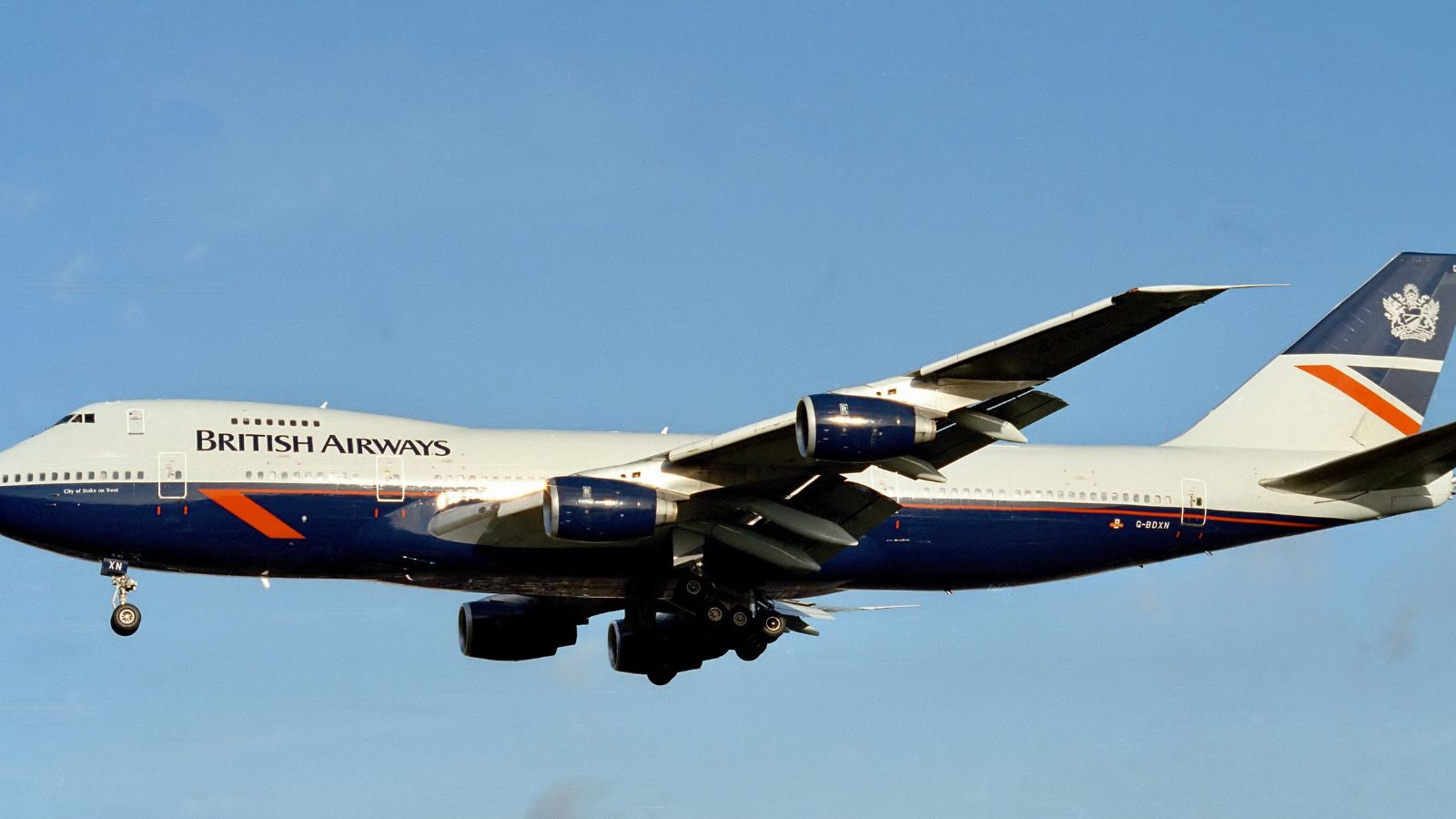
On June 24, 1982, British Airways Flight 009 was operating from London to Auckland with scheduled stops along the way. After departing Kuala Lumpur, the aircraft headed towards Perth in Western Australia. The Boeing 747, named City of Edinburgh, cruised over central Java under what appeared to be normal conditions. The cockpit weather radar did not indicate any major threat ahead. Then an unusual glow flickered around the aircraft, a phenomenon known as St Elmo’s fire. Shortly after, a strange white haze began spreading inside the cabin.
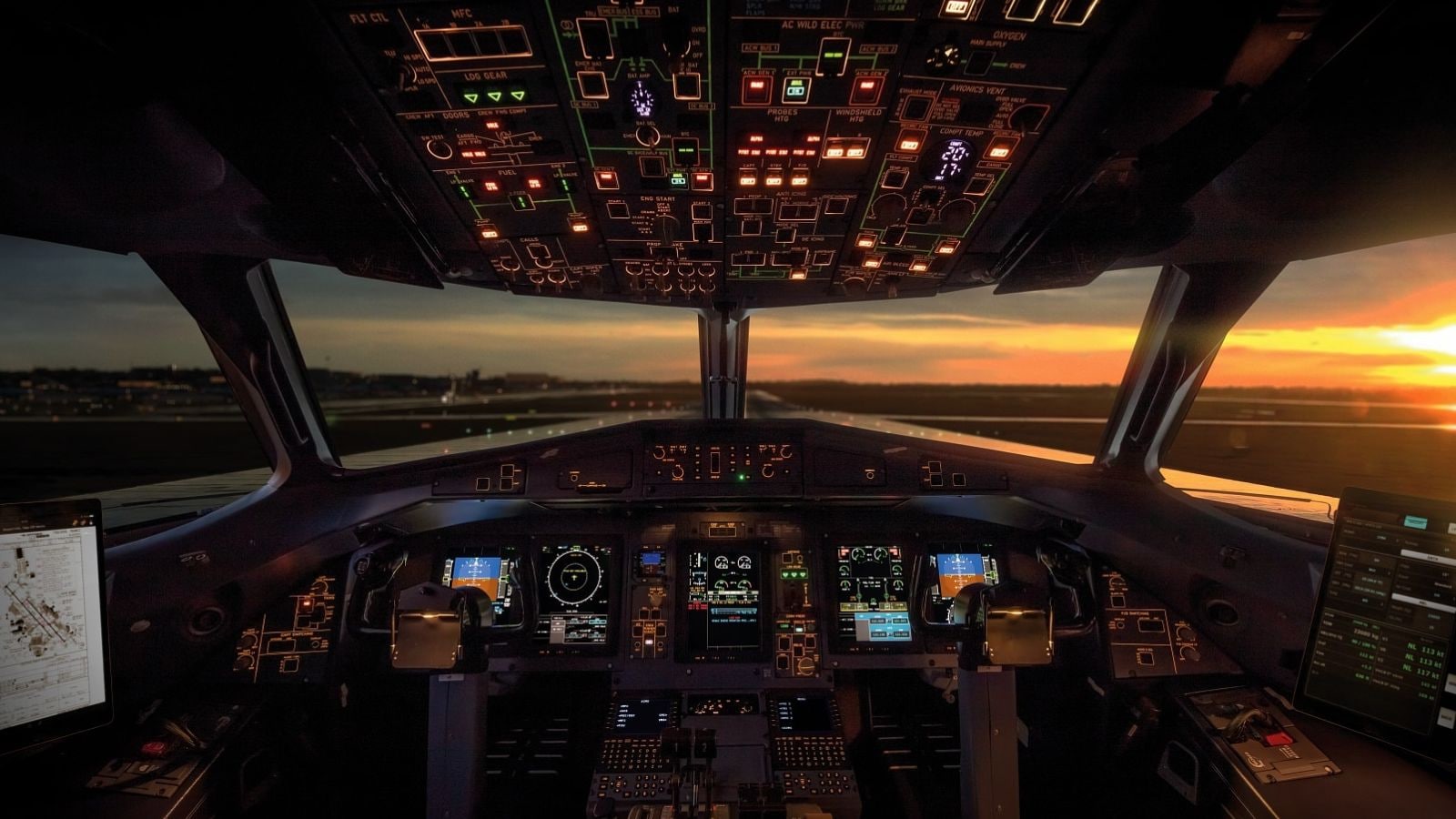
Moody had briefly stepped away when the situation started to shift. When he returned to the cockpit, he noticed unreliable speed readings and signs that didn’t make any sense. At first, he suspected an electrical malfunction. Within moments, engine number four failed, and then the remaining three engines shut down one after another. The aircraft was suddenly gliding without power at high altitude with hundreds of passengers over the ocean at night.
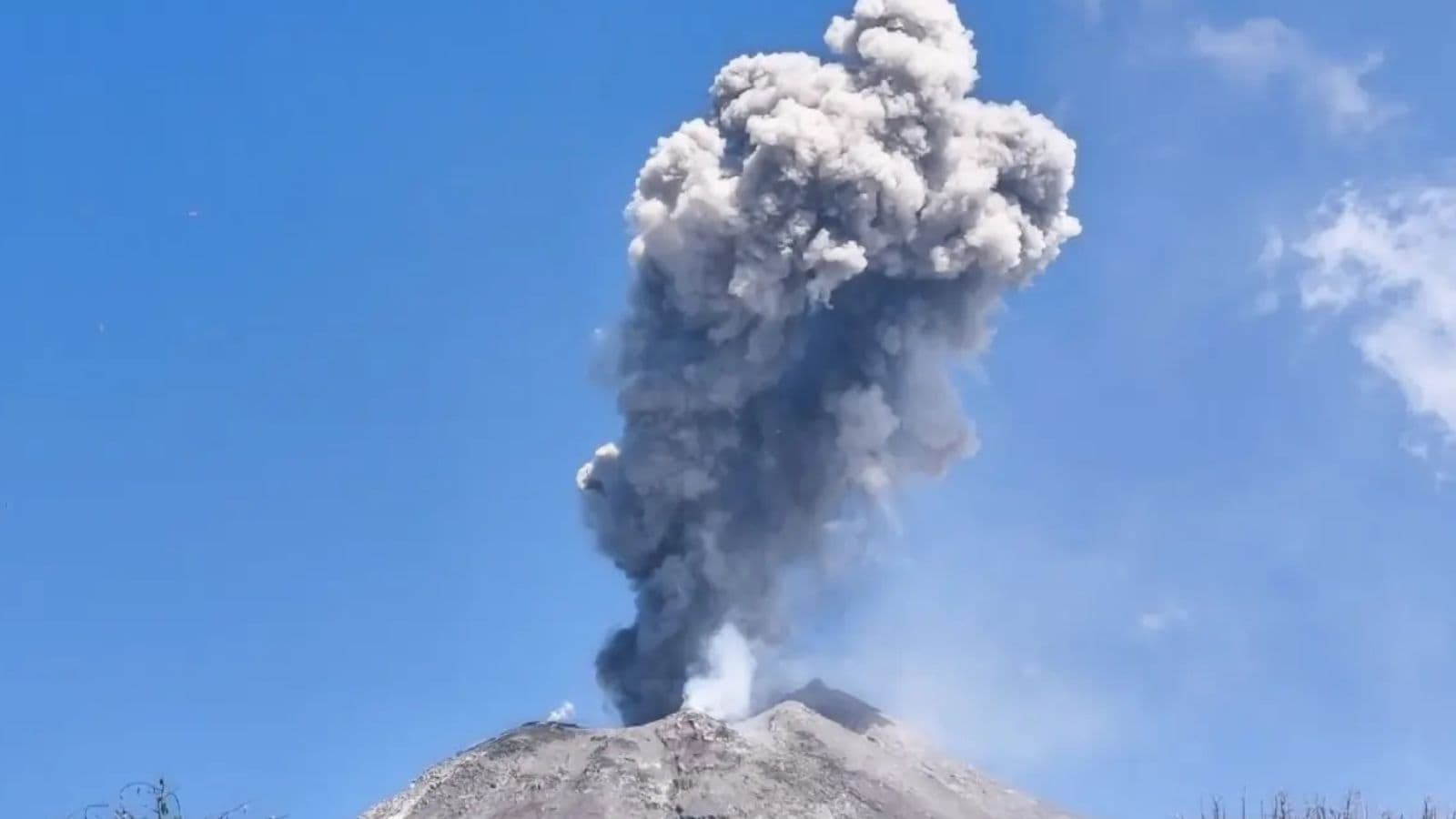
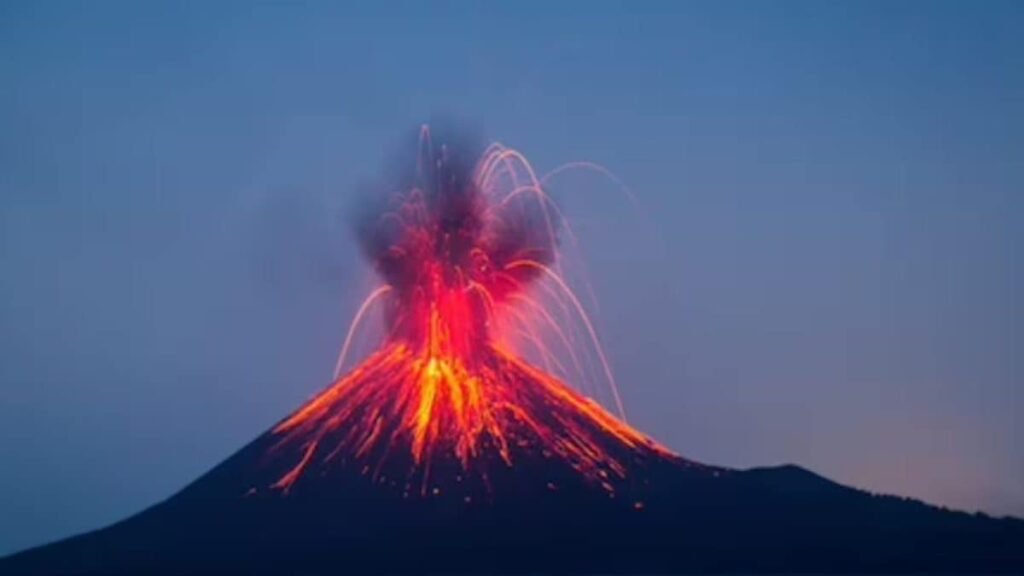
As per a report in The Telegraph, senior first officer Roger Greaves and senior engineering officer Barry Townley-Freeman were working alongside Moody. He began running through every possible restart procedure. Standard checklists were followed, then revisited. When those efforts did not work, he chose to move beyond routine steps. “I threw the rule book away and began to try different things. If I had not, I would not be here,” he later said, as reported in The Telegraph. At that point, the crew still did not know that they had entered a volcanic ash cloud from Mount Galunggung.
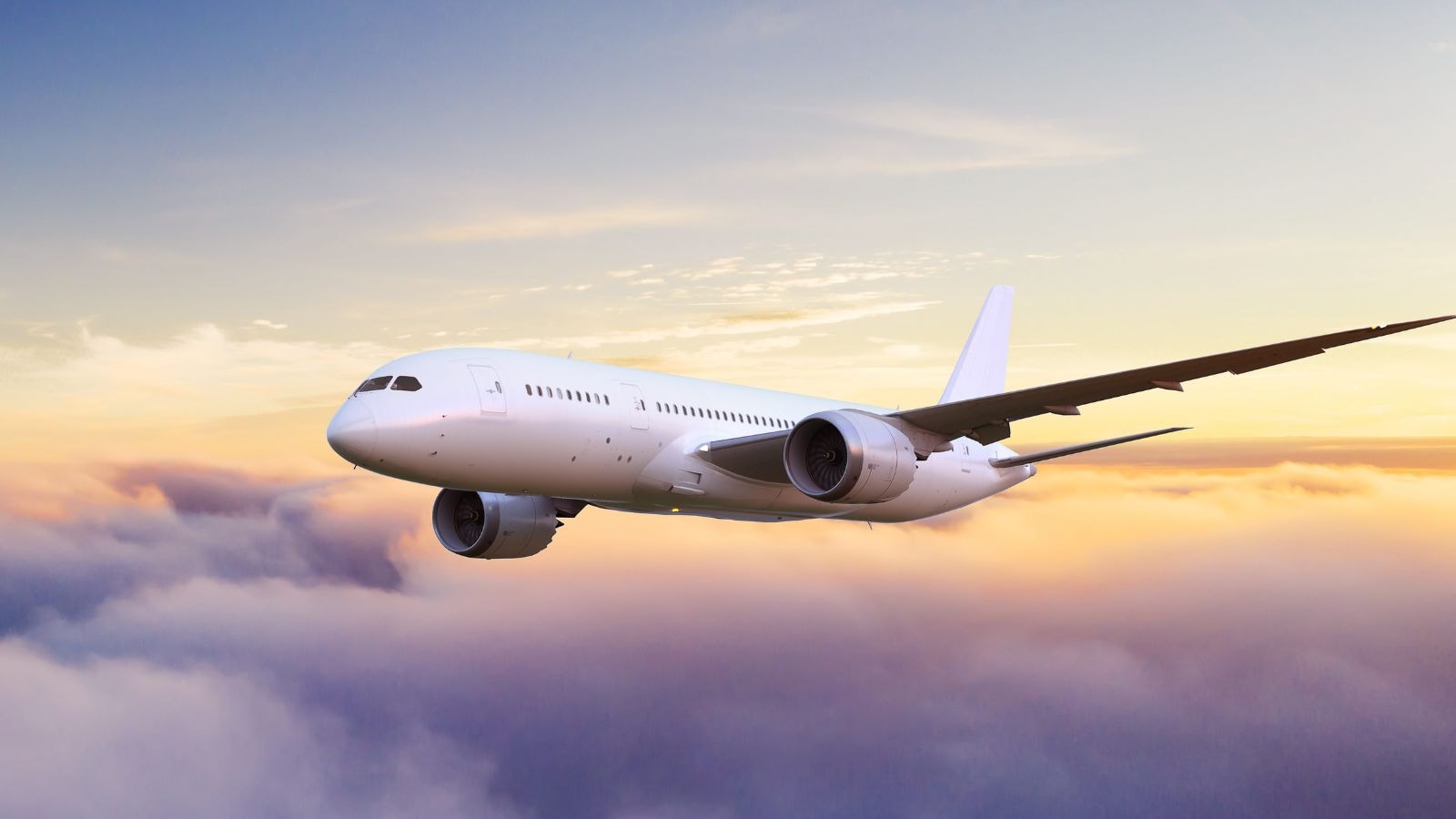
As the aircraft descended from 37,000 feet, a Mayday call was transmitted. Inside the cabin, passengers were unaware of the full gravity of the situation when Moody made his now-famous announcement: “Ladies and gentlemen, this is your captain speaking. We have a small problem. All four engines have stopped. We are doing our damnedest to get them going again. I trust you are not in too much distress.” He then used coded language to summon the senior cabin crew member to the cockpit and signalled about the possibility of a crash landing.
Cabin manager Graham Skinner and his team moved through the aisles. Some passengers had seen flames flicker from the engines and noticed smoke drifting inside. Despite this, there was no widespread panic reported on board. Meanwhile, Moody pushed the aircraft into denser air at a lower altitude to calculate how long they could glide without power. He estimated there were roughly 20 minutes before ditching in the Indian Ocean would become unavoidable.
The crew attempted engine restarts repeatedly, more than 20 times in total. After a 13-minute descent to around 12,000 feet, one engine finally roared back to life. Moody had already begun preparing for a water landing when that first sign of power returned. Soon, other engines restarted, though not all behaved steadily. One failed again violently, while the others showed erratic performance. Even so, the aircraft was no longer entirely powerless, and a diversion toward Jakarta became possible.
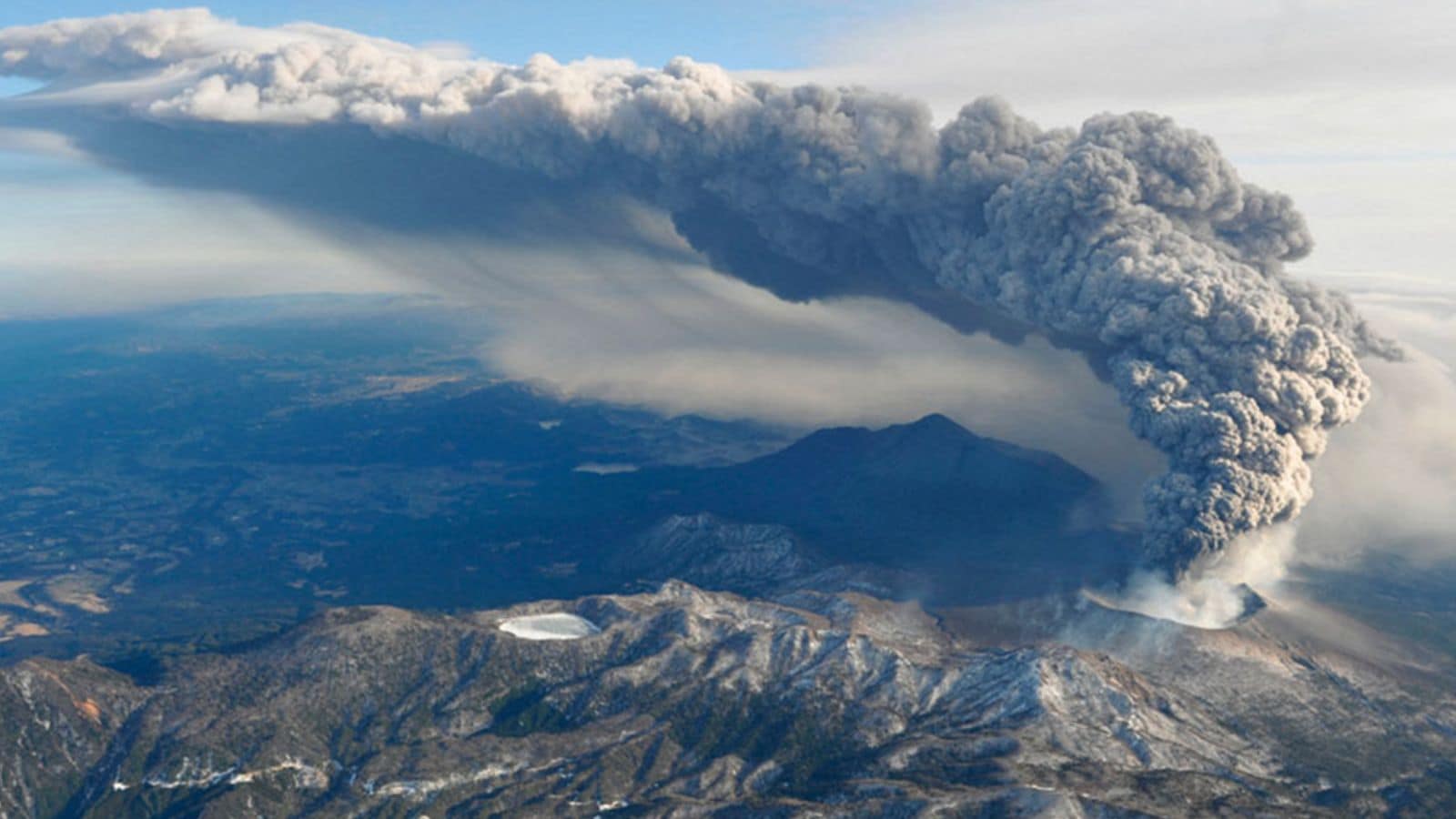
As the 747 approached for landing, another complication emerged. The volcanic ash had sandblasted the windscreen, which left it almost opaque. Visibility was reduced to a narrow strip at the edge of Moody’s window. There was no instrument-landing system available on the runway they were approaching. From that limited view, he guided the aircraft down and completed the landing safely despite engines that were still not fully reliable.
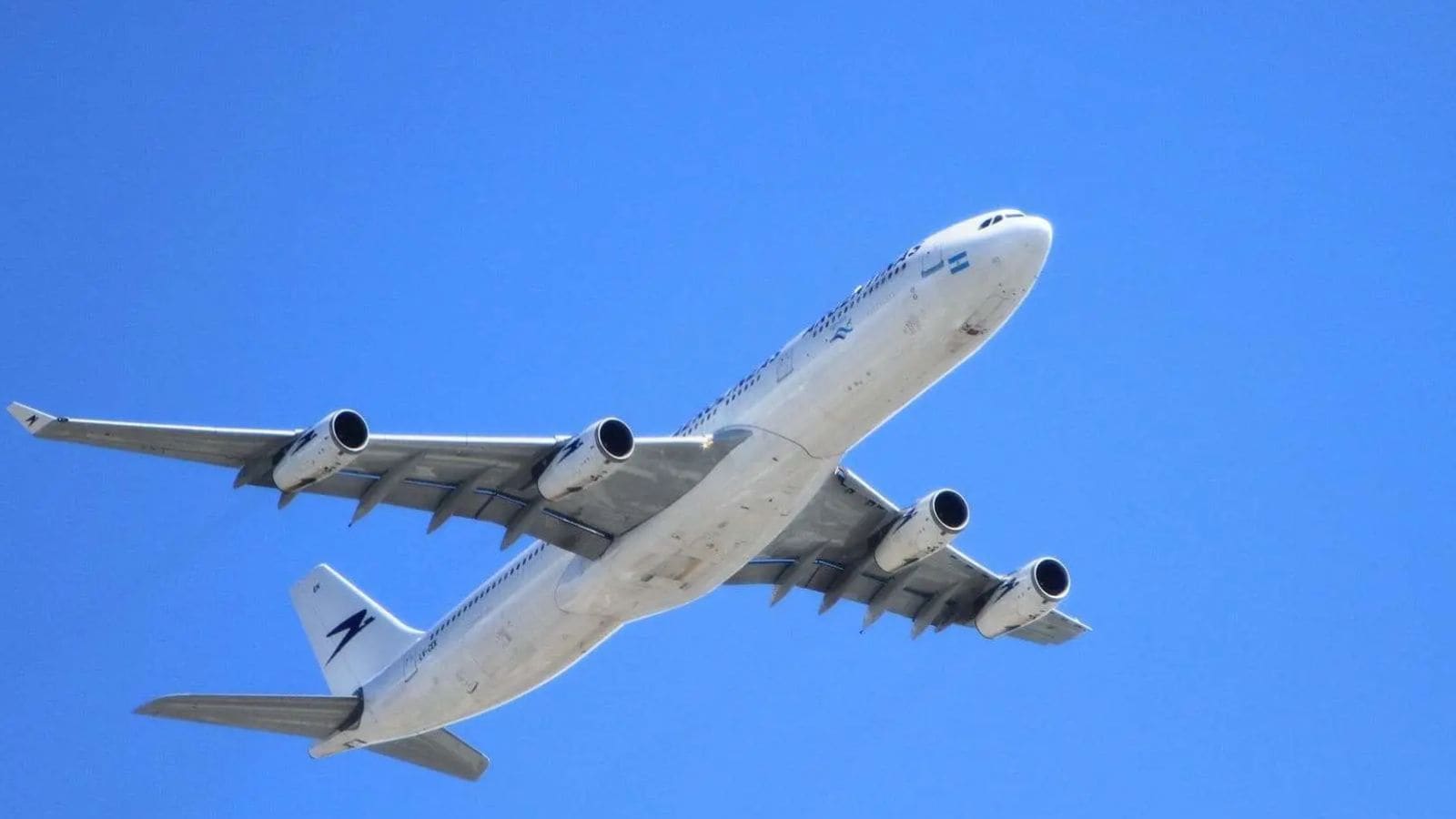
After the aircraft came to a stop, relief poured out in different ways. The flight engineer reportedly knelt and kissed the ground. When asked about it, he said, “The Pope does it,” which prompted Moody to reply, “He flies Alitalia.” In the months that followed, both Moody and cabin manager Skinner received the Queen’s Commendation for Valuable Service in the Air. Moody was also presented with the Hugh Gordon-Burge Award by the Honourable Company of Air Pilots.
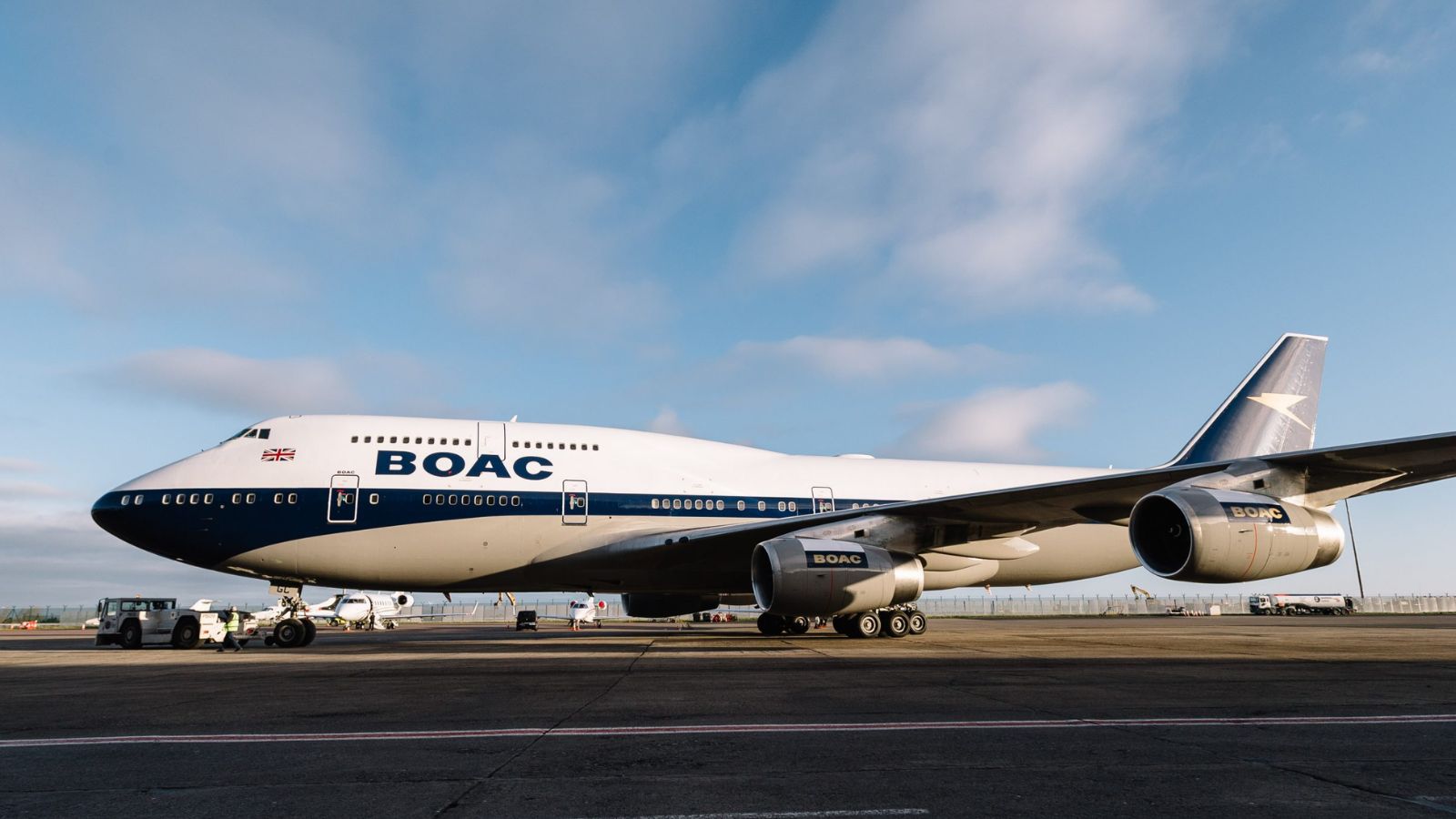
Eric Moody was born on June 7, 1941, in Hampshire and grew up near the New Forest. As a child, a visit to see the last BOAC flying boats at Southampton shaped his ambition to fly. He joined the RAF cadets and learned to handle a glider before he was old enough to drive. After training with BOAC, later British Airways, he went on to log more than 17,000 flying hours over a 32-year career, including time on the VC10 and the 747. He retired in 1996 but continued to fly privately in a Piper Navajo. Looking back at his journey, he once remarked, “When I learnt to fly in the 50s, flying was dangerous, and sex was safe. When I retired in the 90s, that had gone the other way around!” Moody died on March 18, 2024. He left behind his wife Patricia, their daughter Sarah, and son Iain, who also became an airline pilot.