
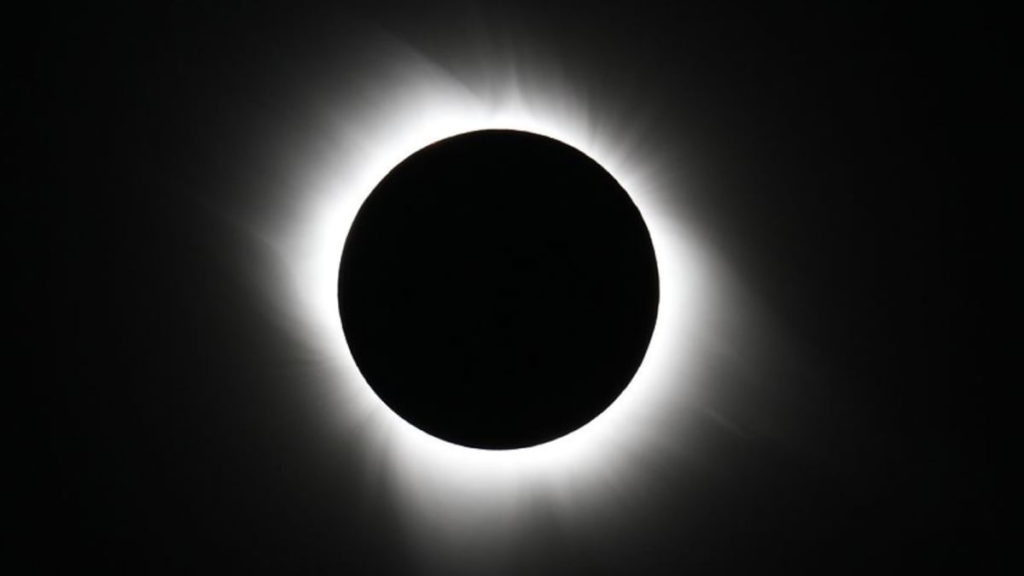
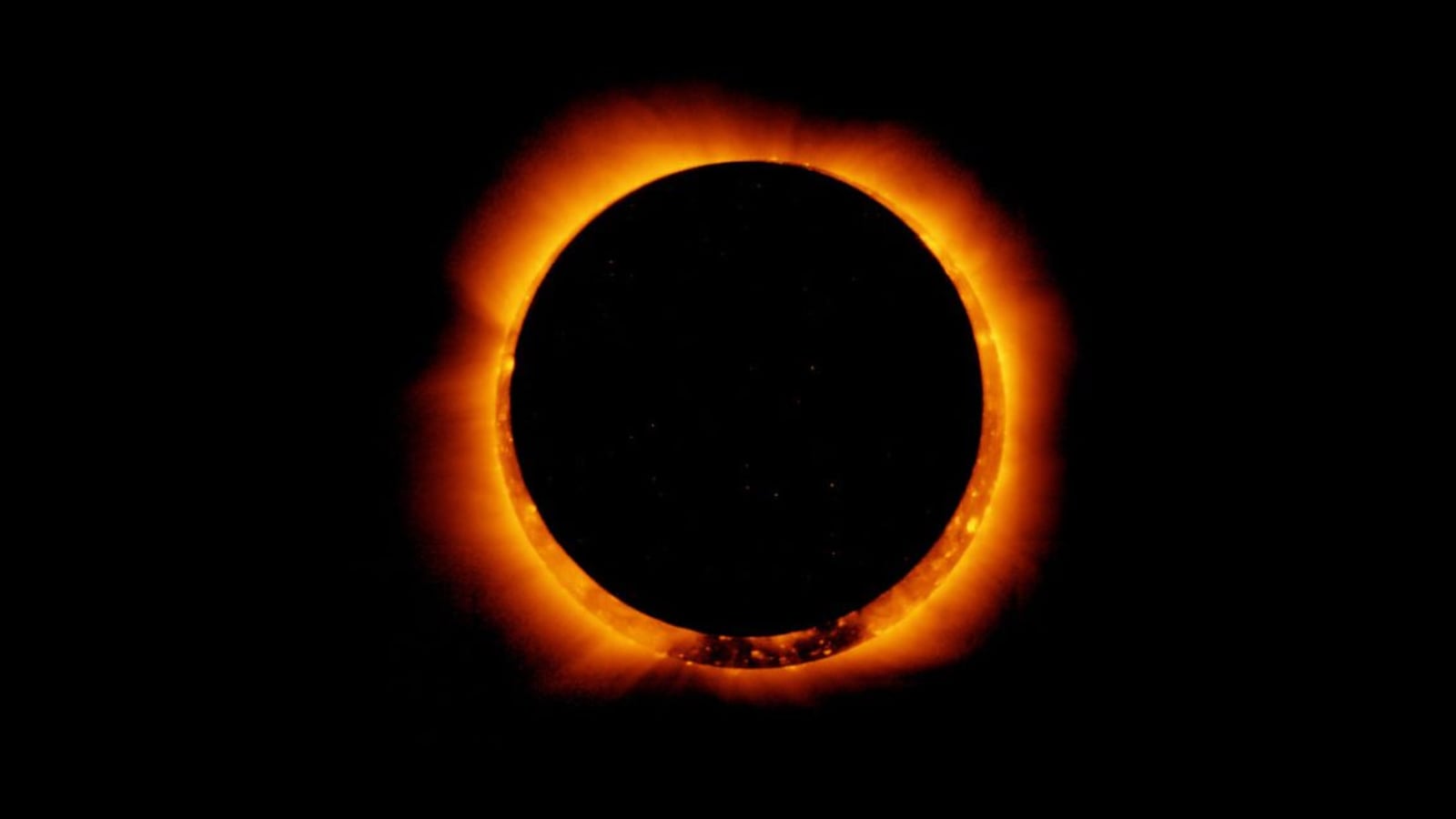
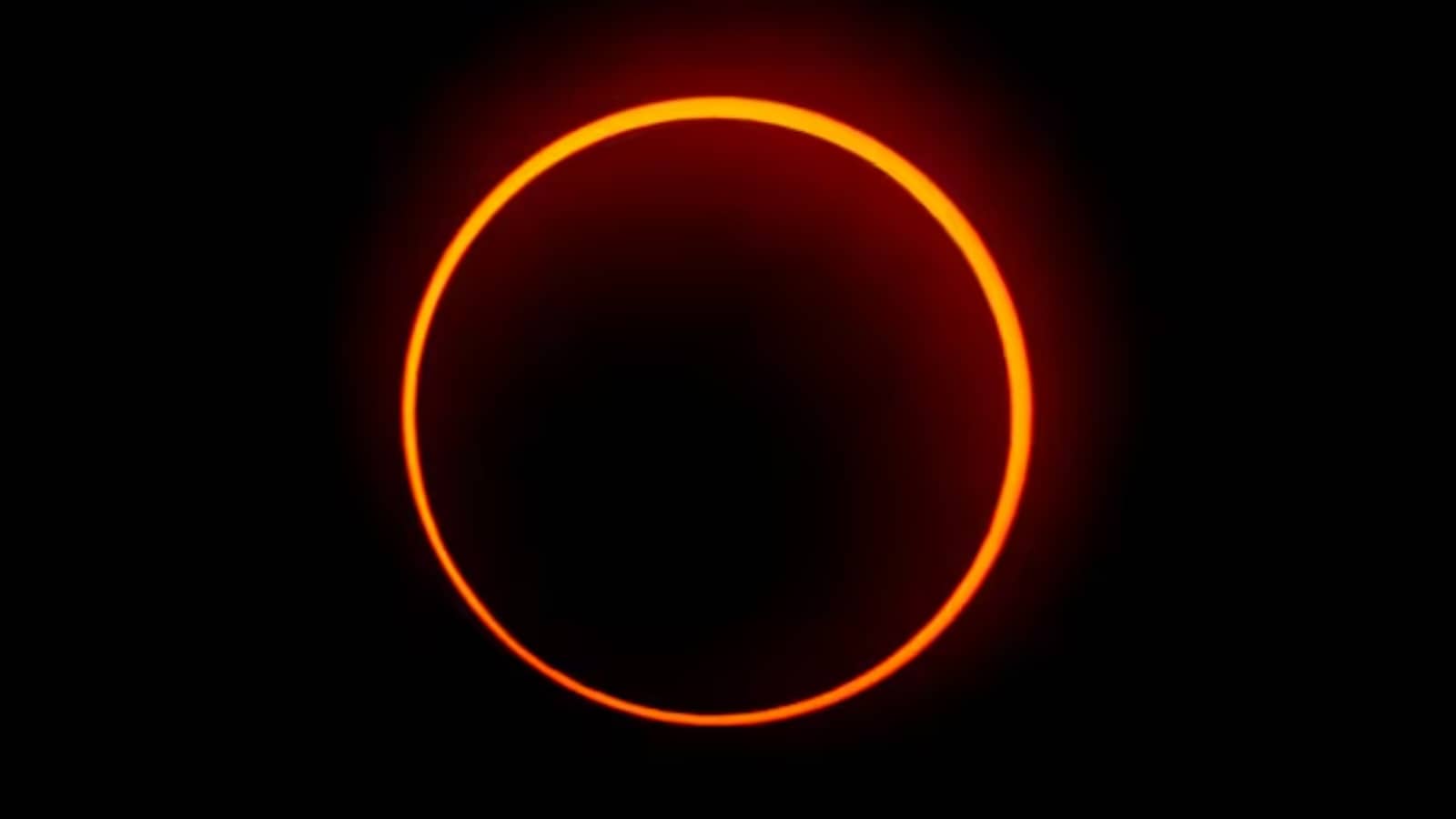
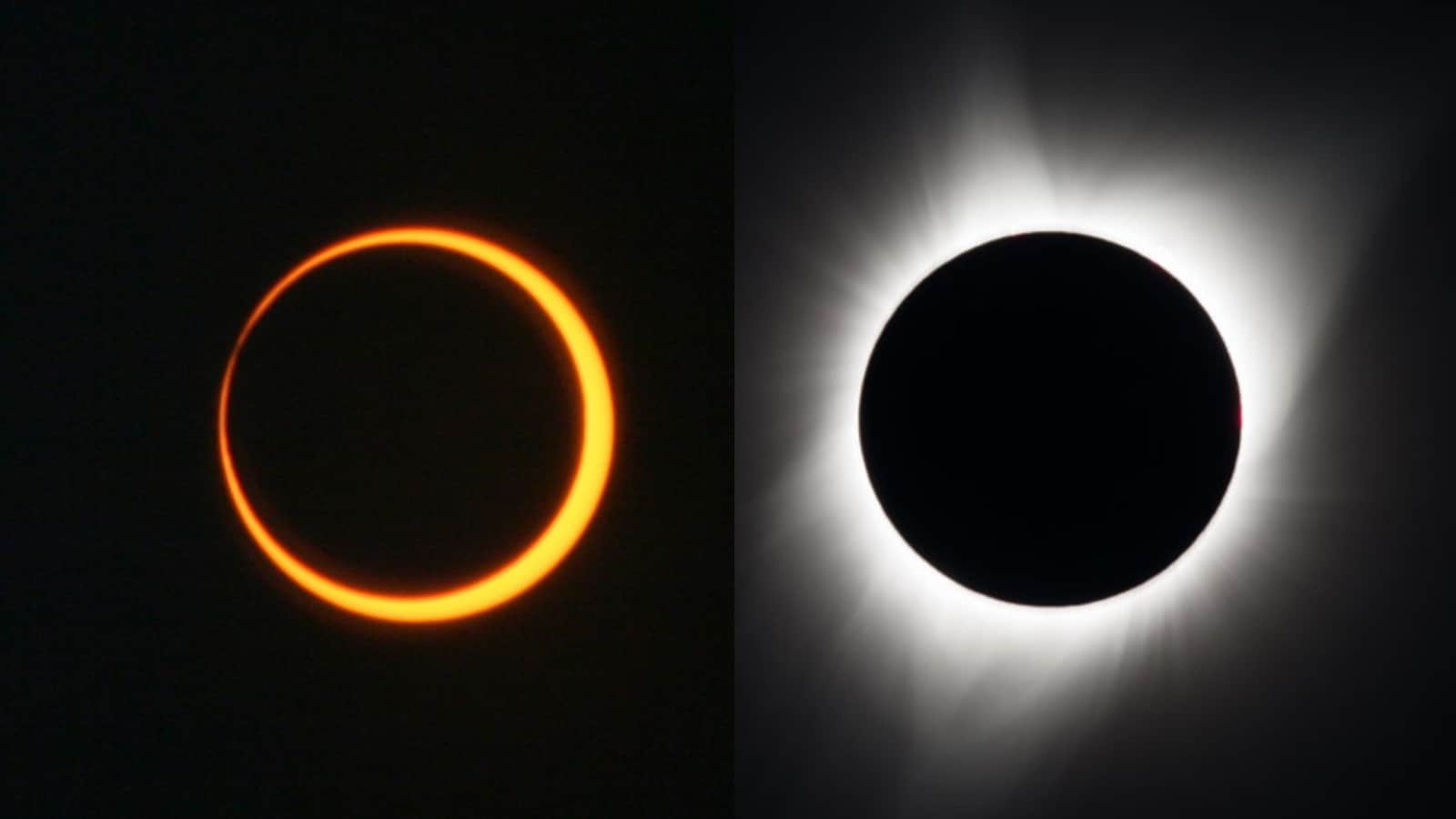
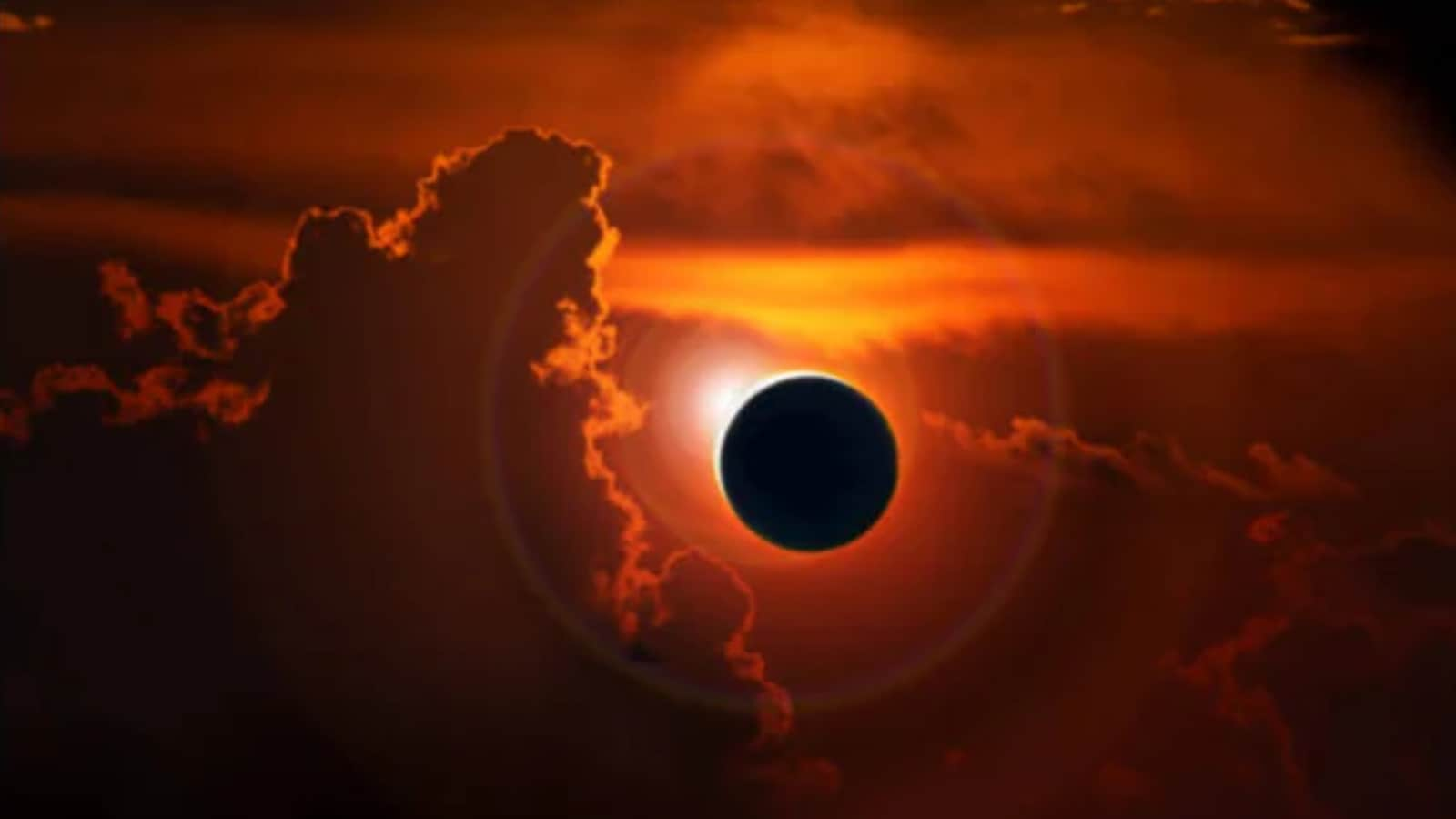
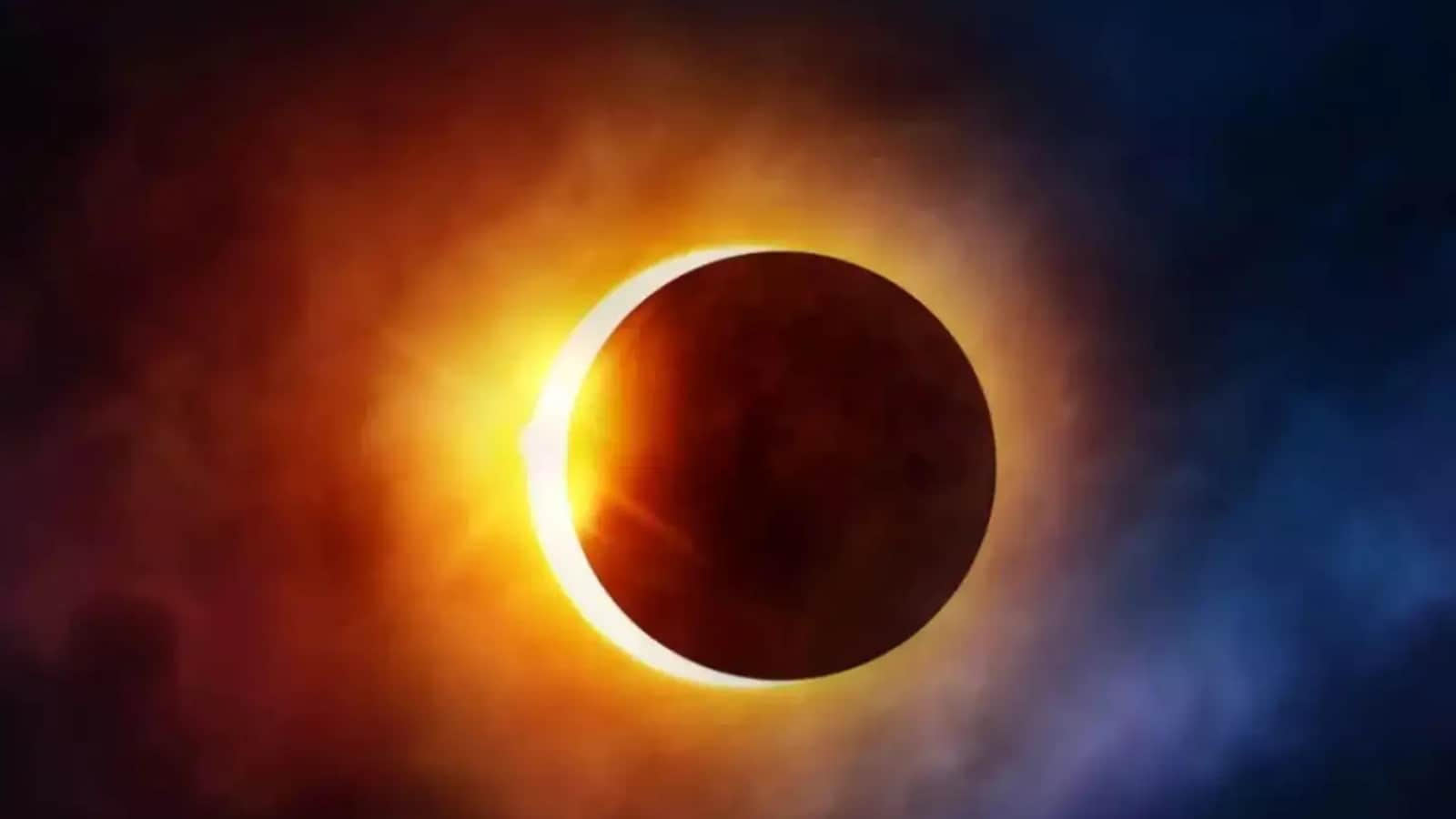
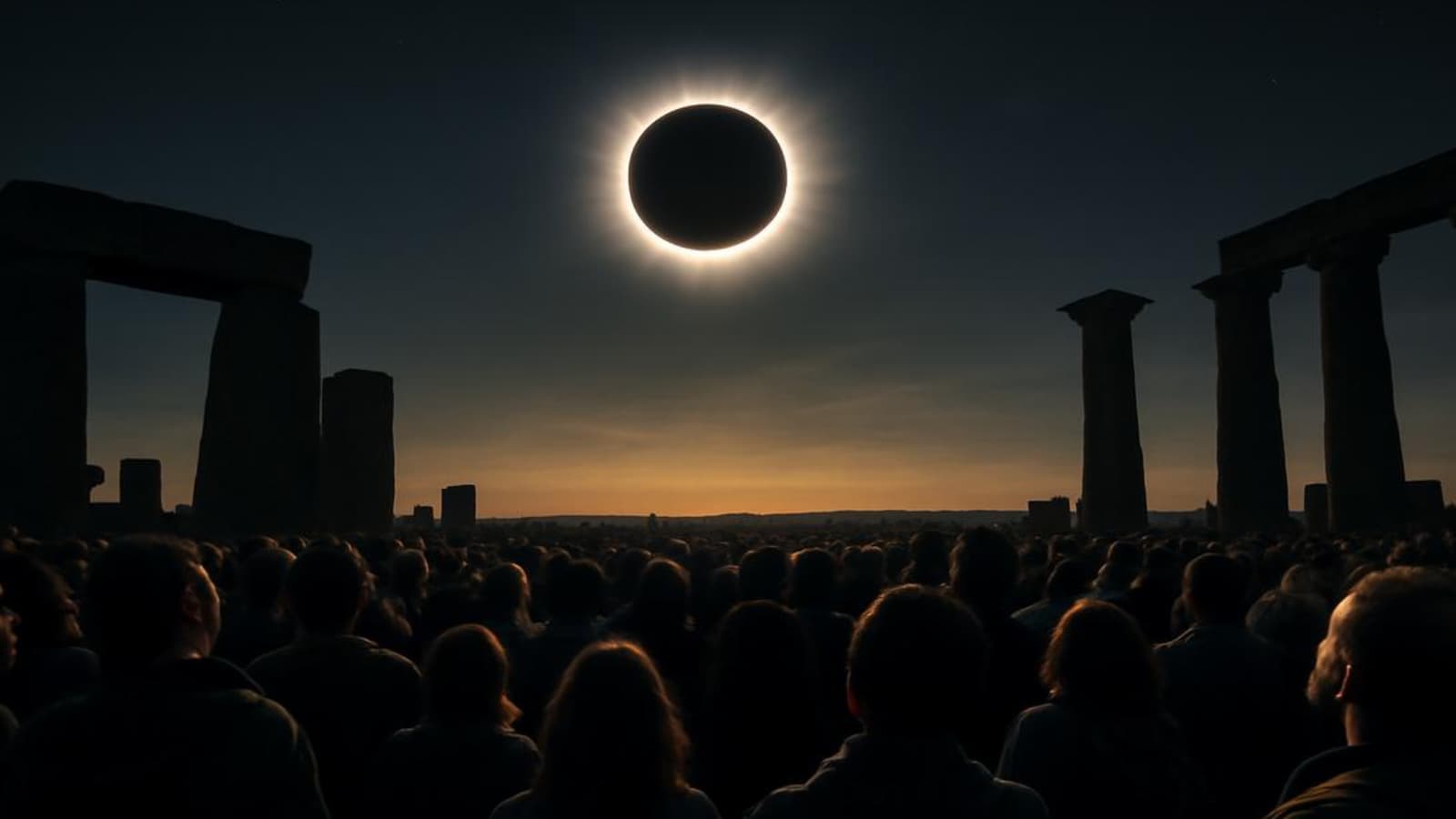
The first solar eclipse of 2026 is scheduled to occur on Tuesday, February 17, and it is not an ordinary eclipse. This will be an annular solar eclipse, often called the “Ring of Fire,” where the Moon covers the center of the Sun but leaves a bright ring visible around the edges. Ahead of the rare celestial display, many are curious about its sighting, timing and religious observations in India.
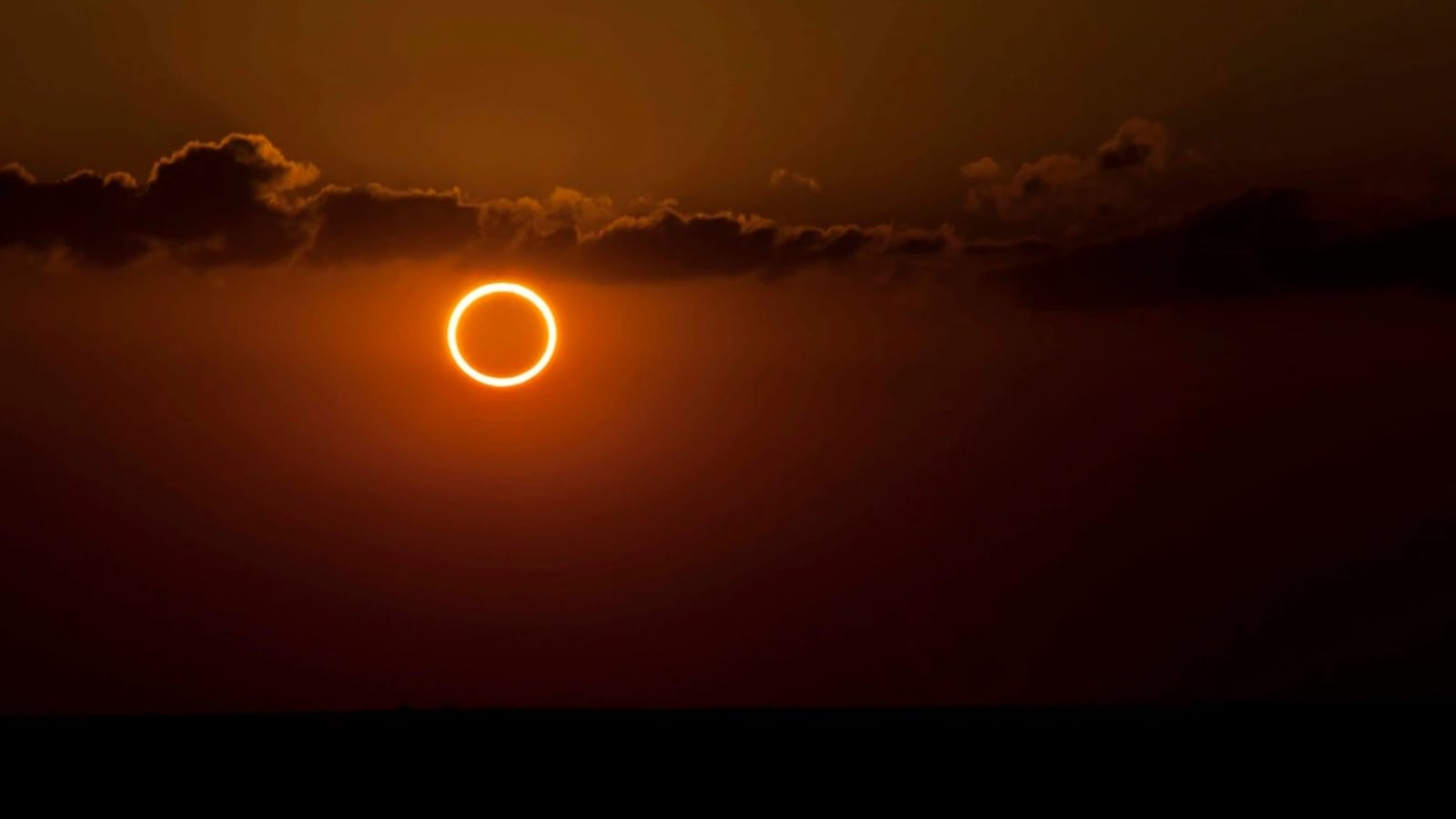
According to global timing reports, the eclipse will begin at 07:01 UTC (12:31 p.m. EST). The annular “Ring of Fire” phase will begin at 11:42 UTC (5:12 PM EST), and the peak will occur at 12:12 UTC (5:42 PM IST). The maximum ring effect will only last for 2 minutes and 20 seconds. The entire celestial event will end at 14:27 UTC (7:57 p.m. EDT).
Despite these timings, the main question remains: Will Indians be able to see it? The answer is no. The solar eclipse on February 17 will not be visible from India. At the time of the eclipse, the sun will be below the horizon in most parts of the country. This means that there will be no visible change in the sky here, and sky watchers will not be able to see the eclipse.
Instead, the annular eclipse will be visible in parts of the Southern Hemisphere, including countries such as Argentina, Chile, South Africa, Namibia, Botswana, Madagascar, Mauritius, Mozambique and parts of Antarctica. These countries will witness either a complete “ring of fire” or a partial eclipse, depending on their location.
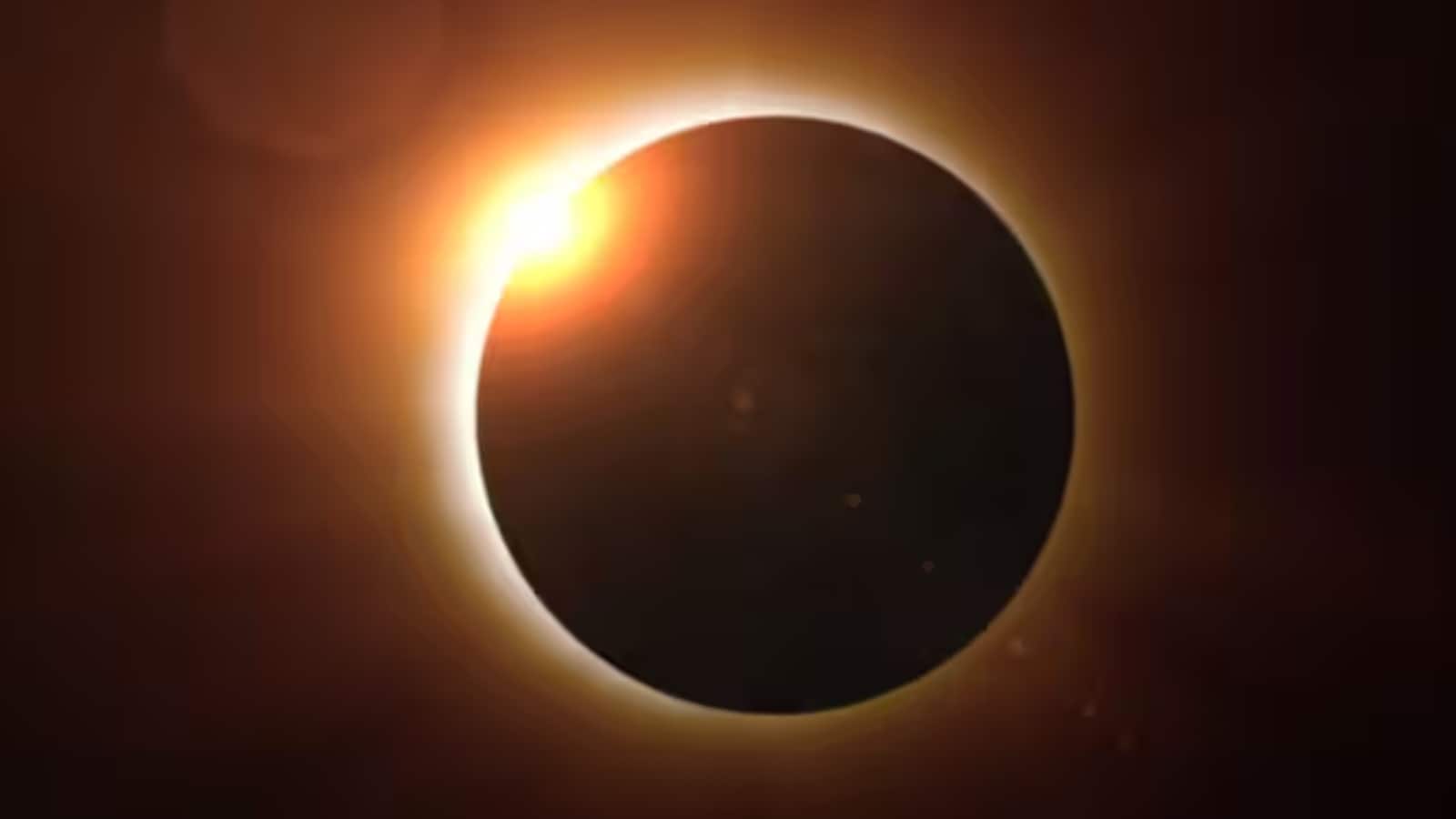
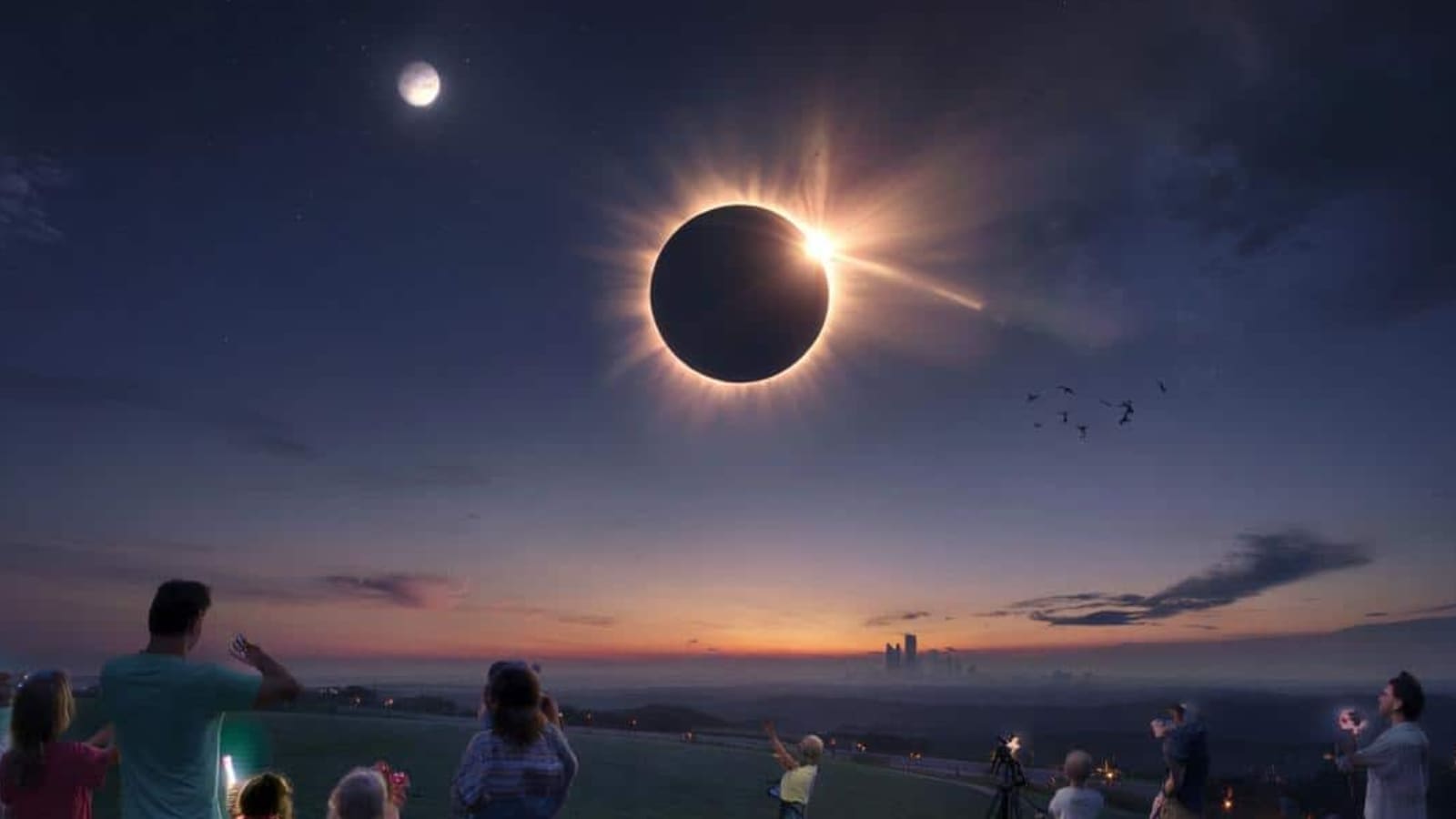
For those curious about India, there is still a way to watch it safely. It is expected that many international space agencies, including NASA, will broadcast the eclipse live through their official platforms. Many astronomy websites will also carry the live stream. This allows viewers to experience the event virtually without needing any special equipment.
Now we move to the religious aspect. In Hindu tradition, a solar eclipse (Surya Grahan) is considered to have spiritual significance. It is believed that the Sotak period begins 12 hours before the solar eclipse. During this time, people usually avoid cooking, eating, visiting temples and performing auspicious activities.
Here is the important clarification: Since this solar eclipse will not be visible in India, the Sutak period will not be considered valid in the country. Most theologians and astrologers agree that restrictions regarding eclipses only apply in areas where the celestial event is visible.
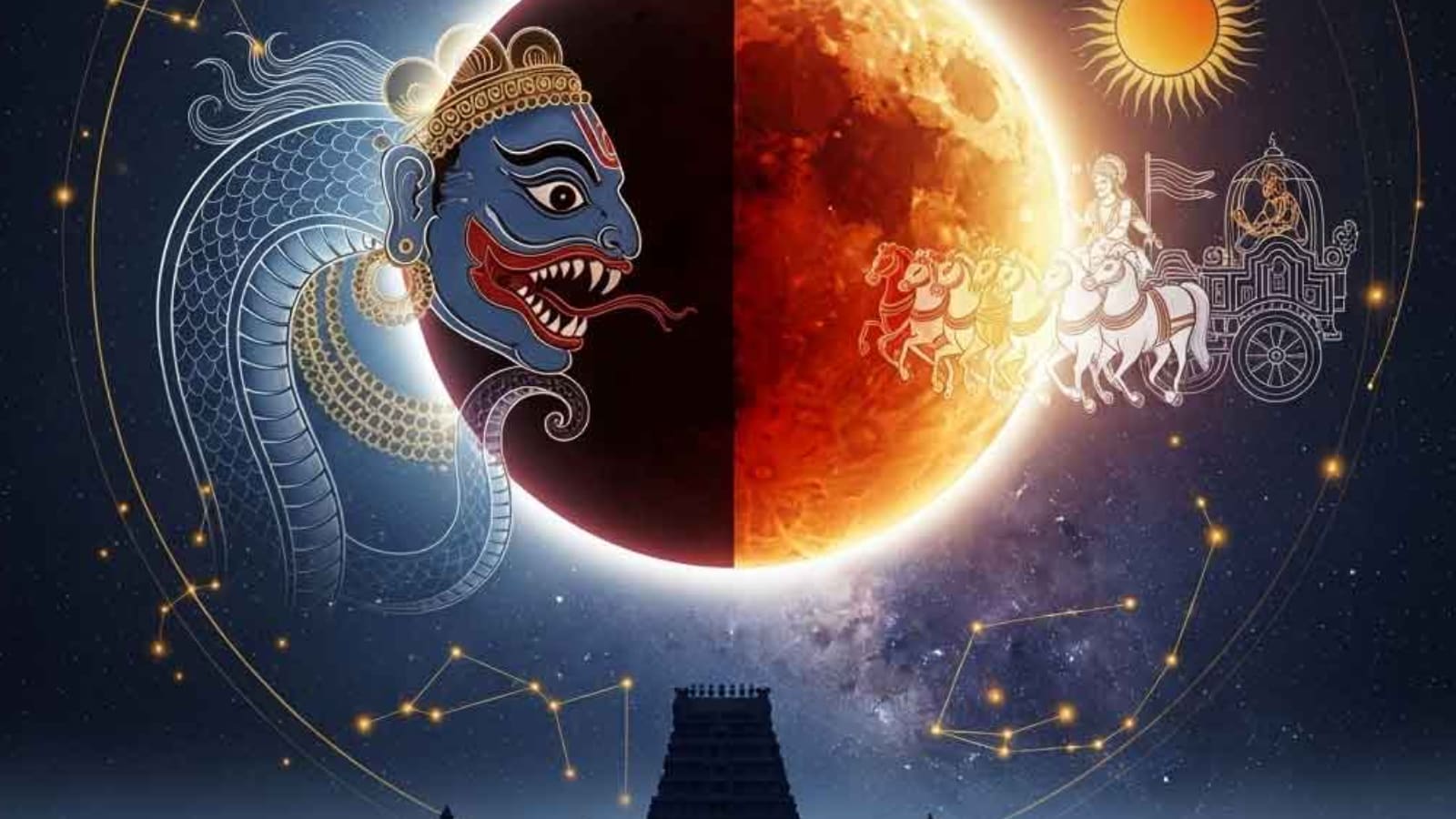
Traditionally, when an eclipse is visible, people avoid touching idols, close temple doors and chant mantras dedicated to the Sun or Lord Shiva. Reciting Vishnu Sahasranama or Guru Mantra is also beneficial.
After the visible eclipse ends, people usually bathe, sprinkle Ganges water at home and purify the temple idols before resuming worship. Charity is also encouraged at the time of the eclipse. Donations of food, clothes, money, wheat, rice, jaggery, black sesame seeds and yellow fruits are also considered auspicious.
Since February 17, 2026, the eclipse will not be visible in India, and there is no scientific or religious pressure to follow this ritual here. Hence, ritual observance becomes a matter of personal faith and family tradition. Astrologically, there will be no direct impact in India, and daily life can continue as usual.