

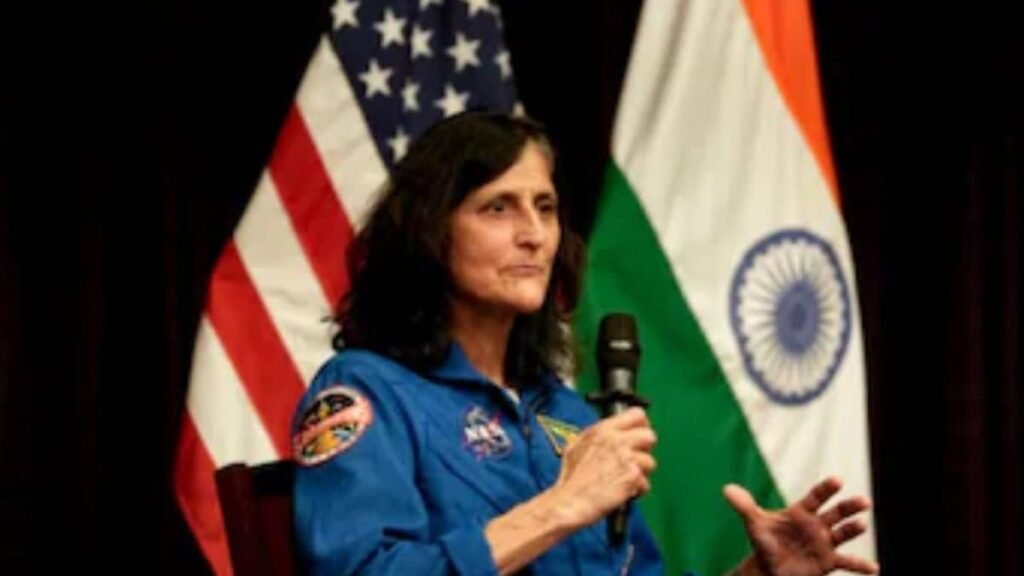
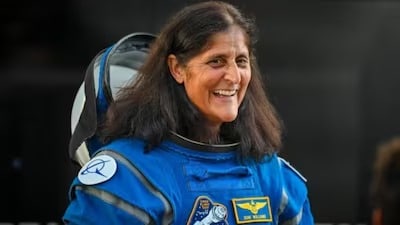
After spending nearly three decades with NASA, Indian-origin astronaut Sunita Williams has officially retired from active service. Her retirement takes effect on December 27, 2025, just after Christmas, NASA announced on Tuesday, January 20. This marks the end of an era for one of the world’s most famous astronauts.
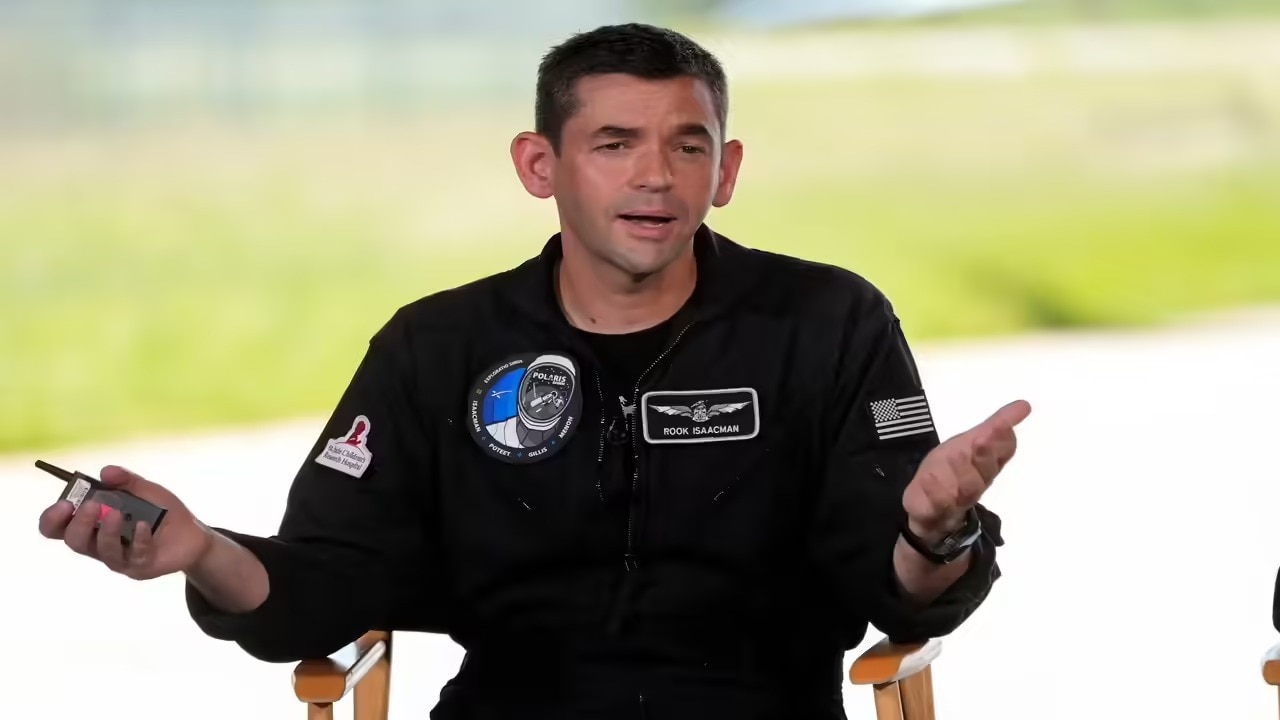
NASA Administrator Jared Isaacman praised Williams as a “pioneer in human spaceflight” whose leadership on the space station helped shape the future of exploration. He further stated that the contributions strengthened the foundation for Artemis missions to the Moon and future missions to Mars.
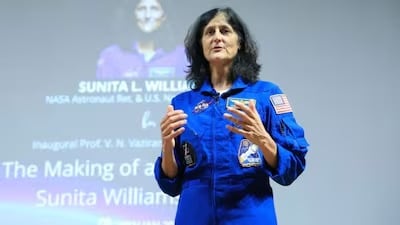
While her space accomplishments are extraordinary, another question arises: What does life after NASA look like for Williams? Williams will not receive a direct pension from NASA. According to a report by NDTV, she is eligible for retirement benefits under the Federal Employees Retirement System (FERS). This pension is calculated based on 27 years of service and the average of the three highest paid years in a row.
Since she spent 27 years at NASA, the calculation works out to roughly 1 percent of her average pay from her three highest-paid years of service. I have held a senior position in the GS-15 category with an estimated annual salary of Rs 1.20-1.30 crore, so the final return is expected to be significant.
Although the exact figure has not been officially revealed, the report suggests that her annual pension could be close to $43,200, which is around Rs 36 lakh. This calculation also takes into account the period of service attributable to her previous role as a commander in the US Navy which is counted toward her total period of service.
In addition to her FERS pension, Williams will also continue to receive payments from the U.S. Social Security system that will provide her with a separate monthly income. Post-retirement benefits also include lifetime access to federal health and life insurance along with post-mission medical and psychological support. Her savings in her Thrift Savings Plan (TSP), a retirement savings and investment plan similar to a 401(k), will continue to grow.
During her 27-year tenure at NASA, Williams participated in three space missions during which she spent a total of 608 days in space, the second-highest cumulative total among all NASA astronauts. She is also participating in the sixth longest solo spaceflight by an American, having spent 286 days aboard the International Space Station alongside astronaut Butch Wilmore.
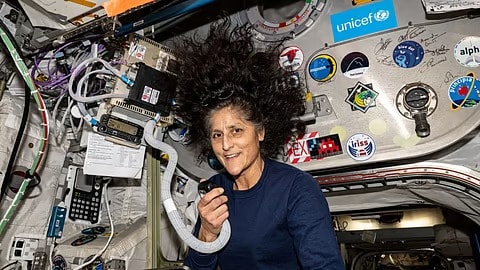
Williams has deep Indian roots through her father, who was born in the Mehsana region of Gujarat before later moving to the United States. He married Bonnie Pandya, who is of Slovenian origin. Over the years, Williams has often spoken about how her multicultural background has shaped her outlook and journey. Looking back on her career, she described space as her “absolute favorite place.” She also said that being part of missions that advance scientific research and exploration was one of her greatest honors.
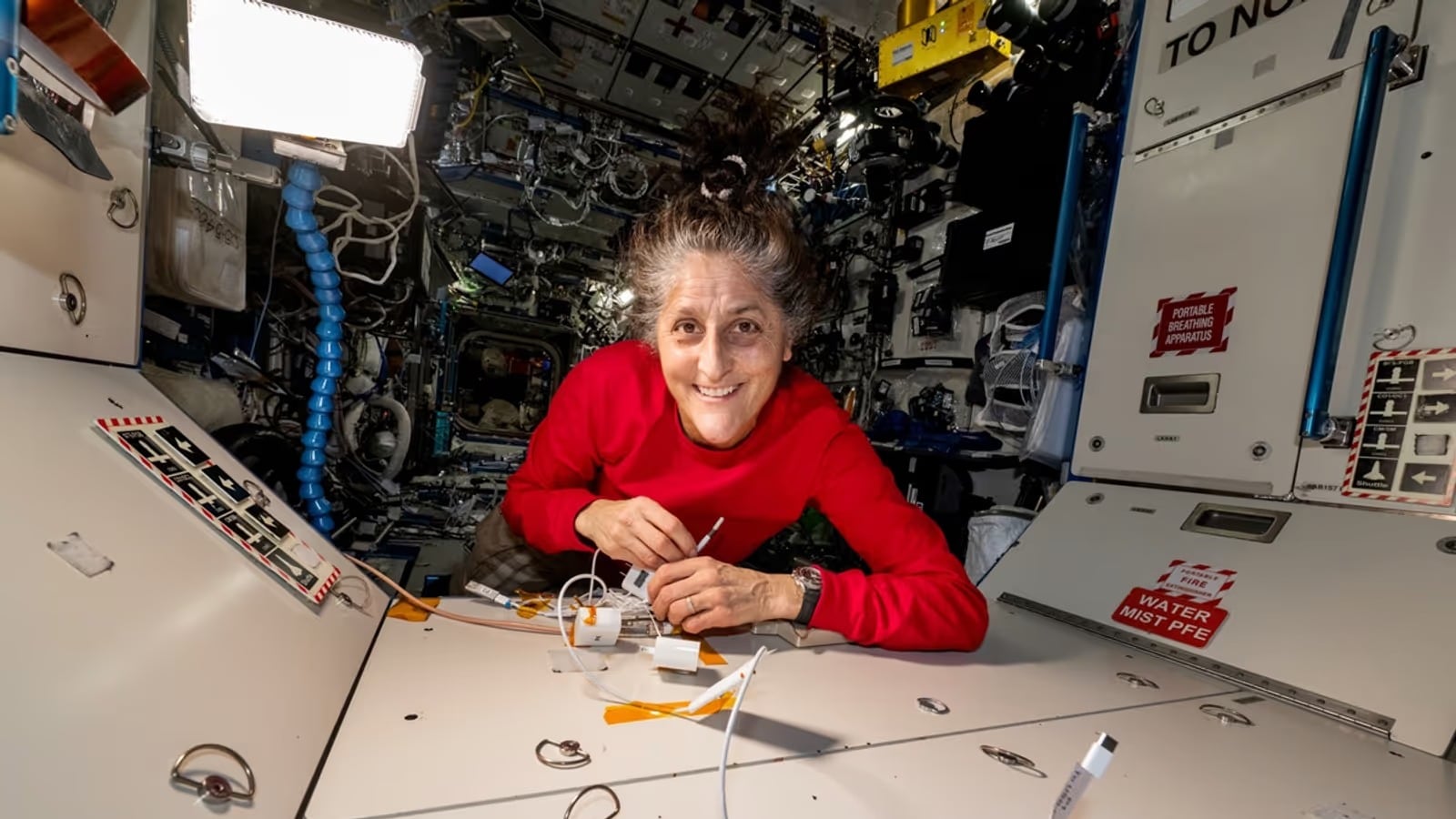
During her tenure, she completed nine spacewalks totaling 62 hours and 6 minutes. This is the largest number of astronauts and the fourth highest total in NASA history. She also has the distinction of being the first person to run a marathon in space.
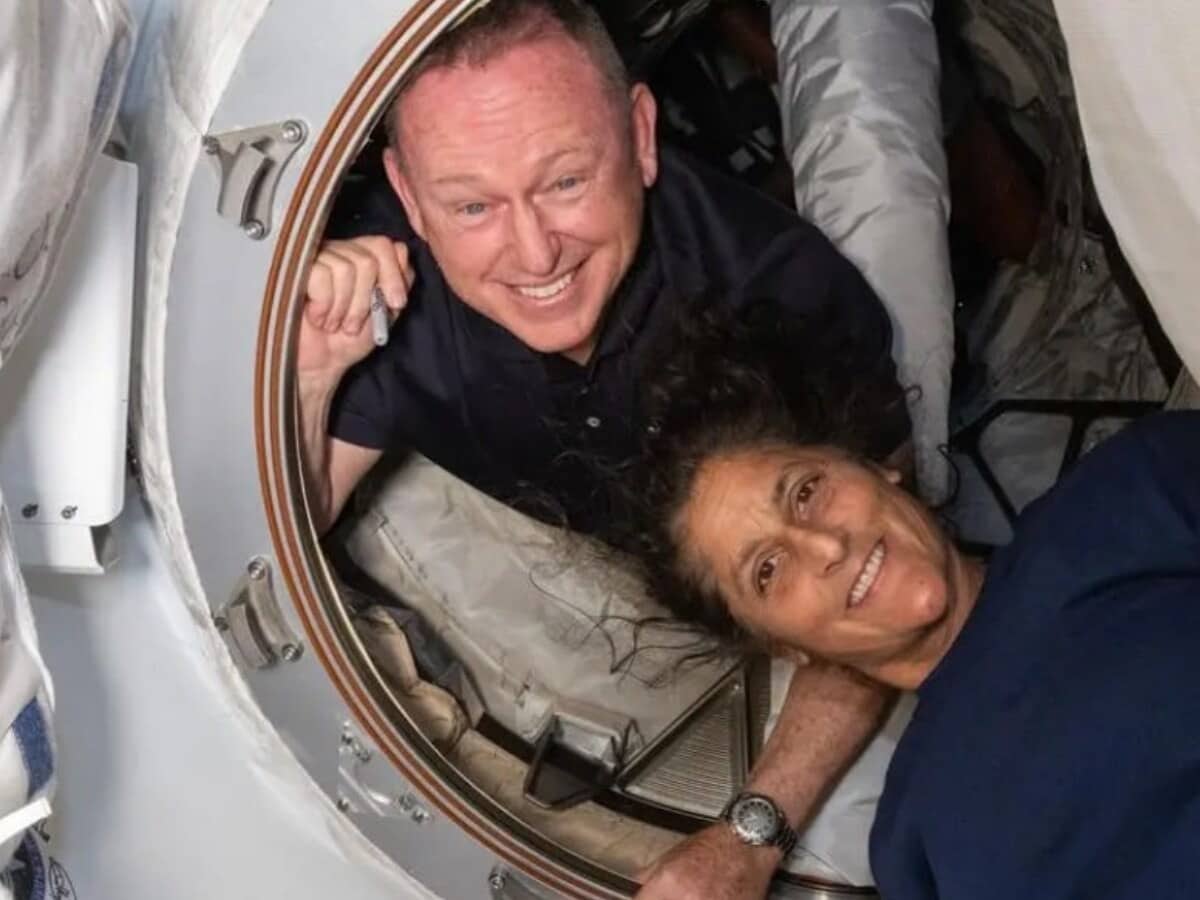
She made her first spaceflight in December 2006, traveling aboard the Space Shuttle Discovery during missions 14 and 15. It returned to orbit in July 2012. The space shuttle was launched from Kazakhstan for Expeditions 32 and 33, a mission that later saw her take over as commander of the International Space Station. Its last flight into space took place in June 2024 on a Boeing Starliner. After this launch, it became part of Expeditions 71 and 72 and once again commanded the International Space Station before returning safely to Earth in March 2025.