
Latest update:
Gender-changing animals: Nature is more dynamic and interesting than we can imagine. While humans generally view sex as a stable biological characteristic, the animal kingdom is the exact opposite, a world where adaptation to circumstances is the key to survival. In oceans, rocky shores, and even coral reefs, many organisms have developed an amazing ability to change sex in response to adverse conditions, social order, or reproductive needs…
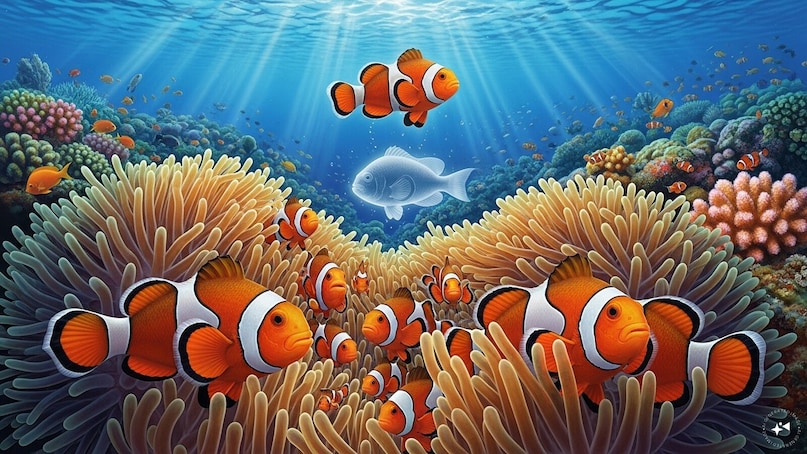
Clownfish: Made famous by the movie Finding Nemo, clownfish are large hermaphrodites, meaning they begin life as males. Within the group, the largest fish becomes the dominant female. If she dies, the second largest male fish will biologically replace her and take her place. This is an interesting survival strategy that helps maintain the structural integrity of the group.
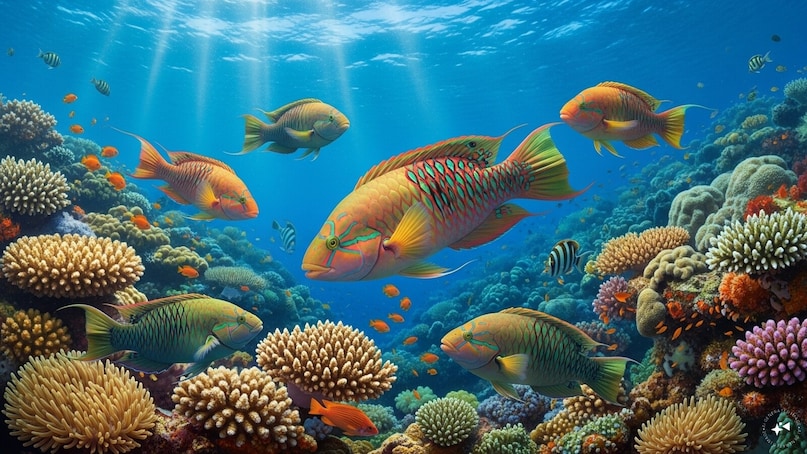
Rays: Rays are known for their bright colors and their dramatic sex changes. Many species are born female and later turn into male, a process known as “primary parturition.” In some cases, this change may occur within days, and is often caused by the absence of a dominant male within the group.
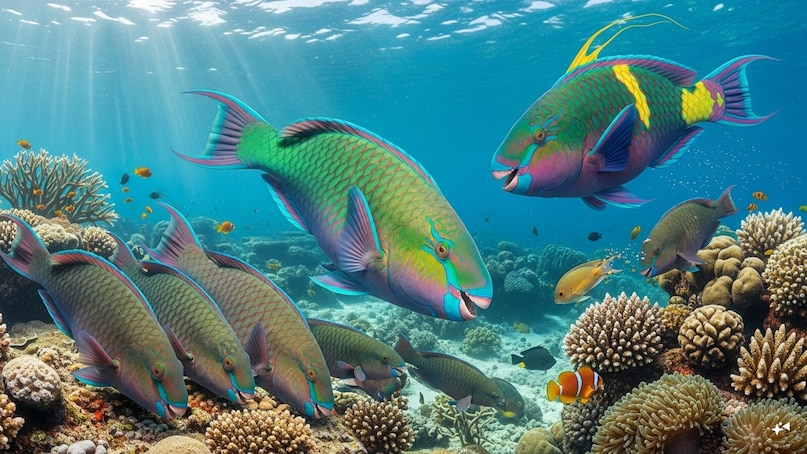
Parrot Fish: Not only does a parrot fish change its sex, but its color and behavior also change during the process. Many parrotfish start out as females and later become males; When they do this, their colors become more vibrant, and they begin to display more aggressive territorial behavior.
Add News18 as
Favorite source on Google
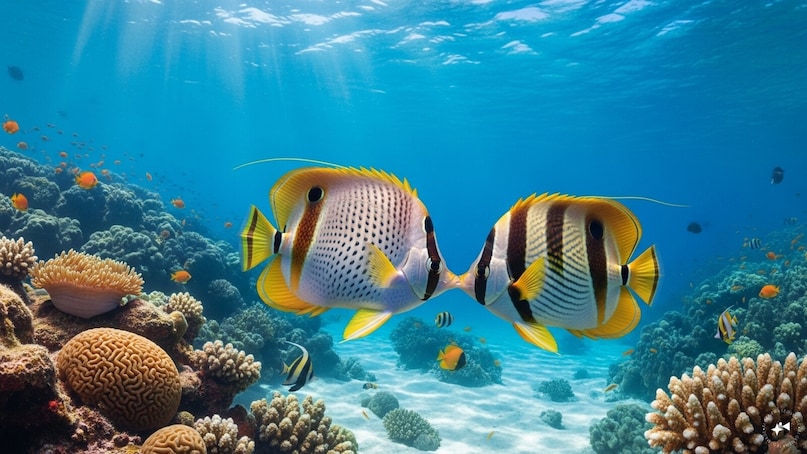
Butterfly Fish: These beautiful and bright butterfly fish usually live in pairs. If one partner dies, the surviving fish may change sexes to form a new breeding pair. This ensures continuity and increases their chances of survival within the coral reef ecosystem.
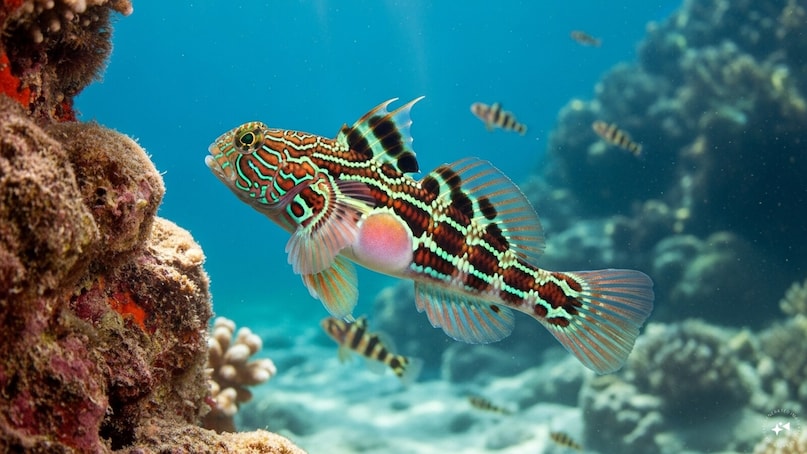
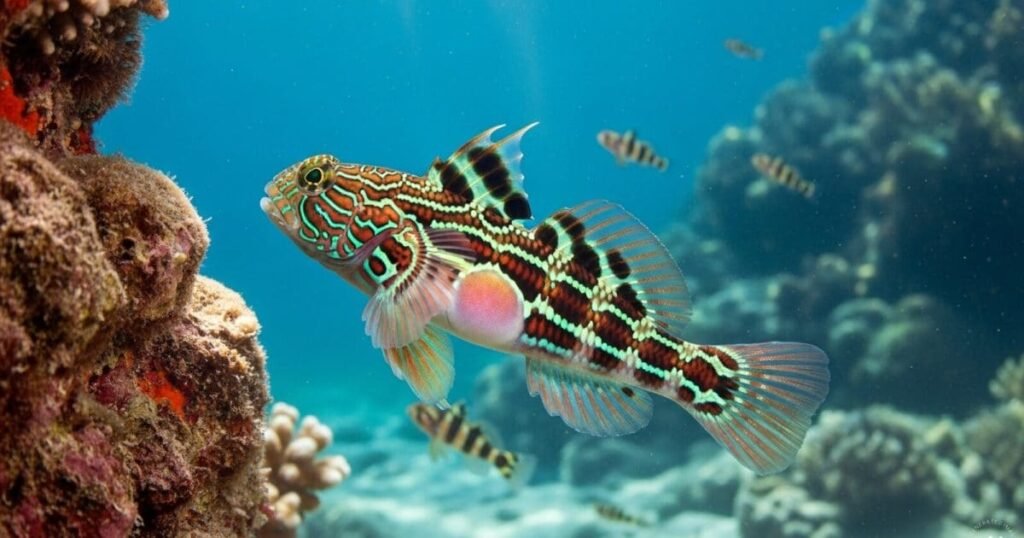
Gobies: Small and powerful, gobies are a great example of resourcefulness. Some species have the ability to switch between male and female roles multiple times, allowing them to change their sex to suit their specific social environment. This rare ability makes them some of the most adaptable creatures in the ocean.
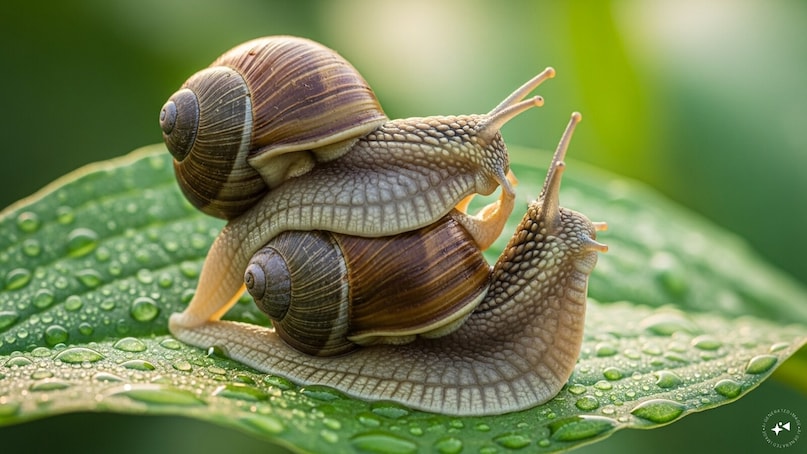
Snails: Many species of snails are hermaphrodites. It contains both male and female reproductive organs at the same time. Although they do not change sex like fish, they can perform both roles during reproduction, doubling their chances of producing offspring.
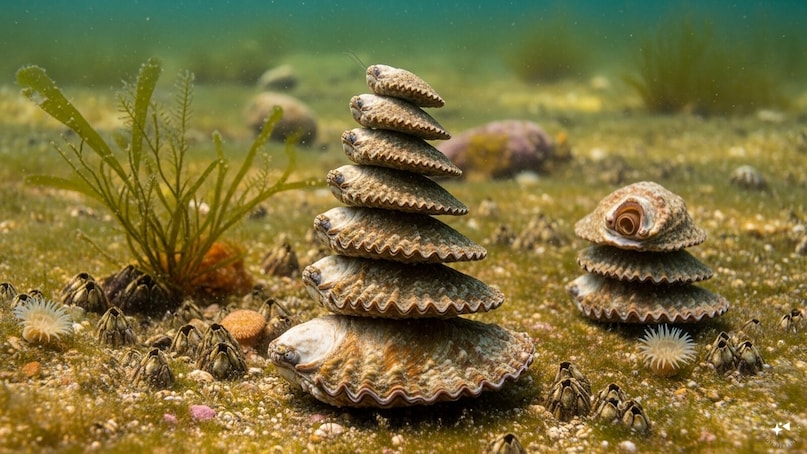
Slipper Limpet: Slipper Limpet has a unique social structure. These snails live in a pile on top of each other, with the females at the bottom and the males at the top. If the female is removed, the larger male becomes the female, maintaining the reproductive hierarchy.