Last update:
The linguistic discussion escalated after allegations that MNS pressed companies and individuals to use the marathi for signs and communication.

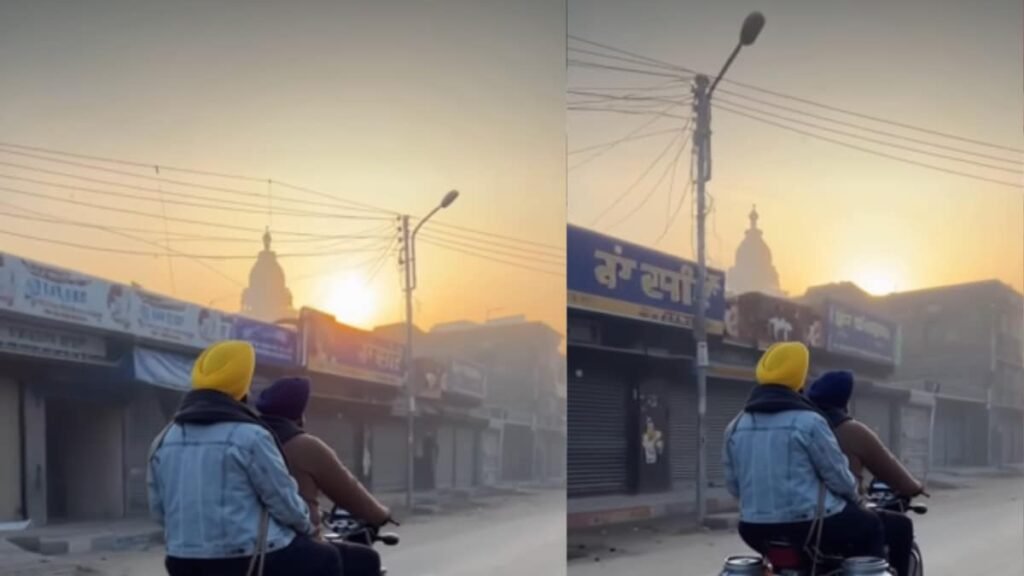
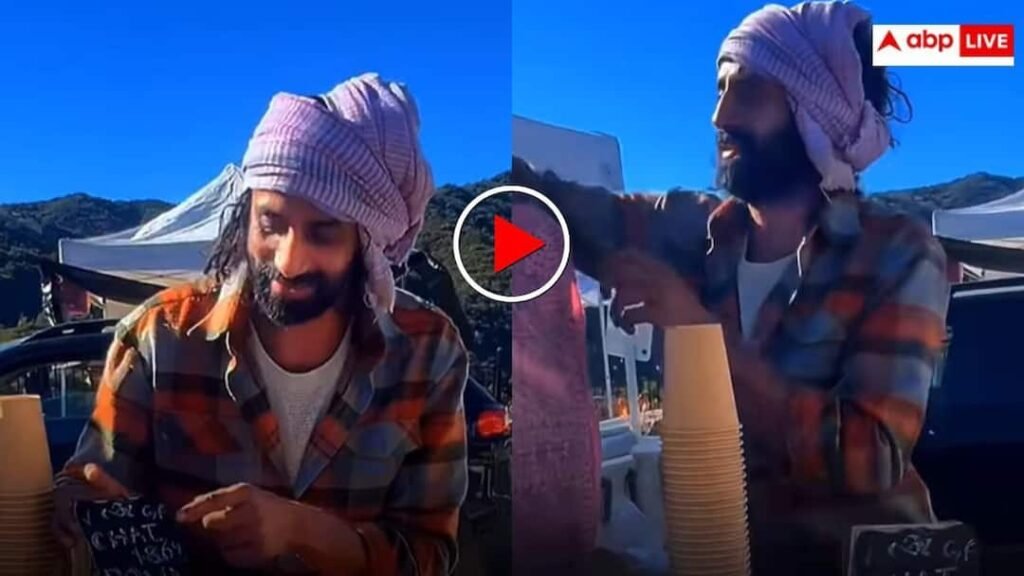
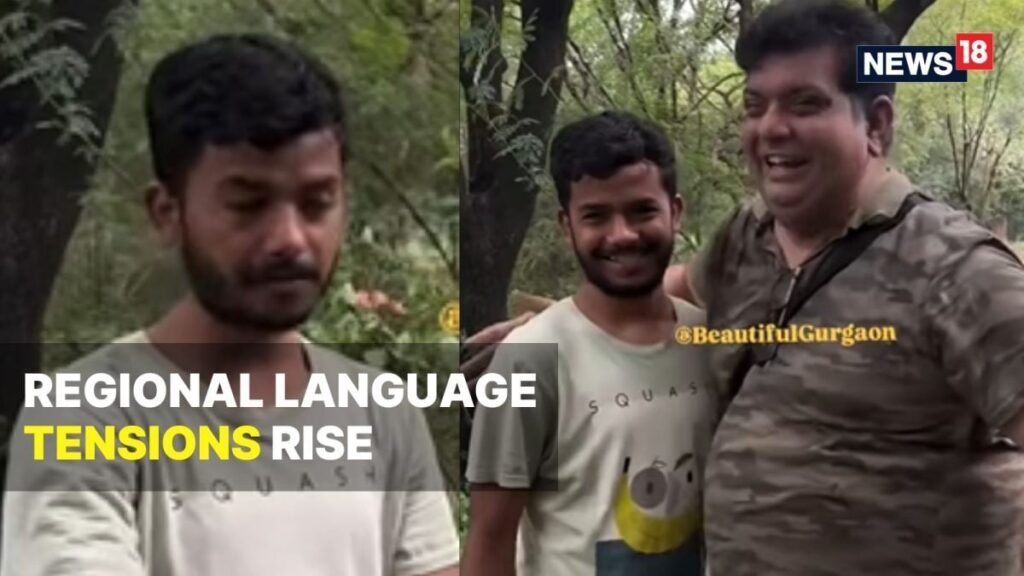
A video from Haryana highlights his quiet and strong message. (Credit Image: Instagram)
The linguistic debate has attracted Maharashtra in recent weeks. Videos, clashes and strong political data raised questions about linguistic identity and regional pride. In the midst of all of this, there is increasing tension on whether Indian speakers are not fairly targeting in the state.
The current row is condensed after allegations against political groups such as MNS, who have been accused of pressing companies and individuals to use the marathi for signs and communication.
Haryana man’s message on the unit
Amid noise, a video from Haryana highlights his quiet and strong message. A subscriber on Instagram, he starts with a man who is walking to a group of workers and asks, “Who is the Maharashtra? Call them.”
One worker is stepping forward and says he is from your discussion. Harranvi man calls, “Speak in Harranvi.” The man responds from your discussion that he does not know the language. The questions continue, “How did you come here? How do you work here?” Who leaves the worker silent.
But then, a tone turns. The man is divided into a smile and says: “If you do not work here, who will do? This is your country, do what you want. This is India, spices.”
“The strength of India lies in its diversity – let it stop linguistic hatred and assembly as one.”
Watch the video here:
“Do not use the name Shevage for the Language Police”: The creator explains history
Another video clip, shared by Jatin Bhatt on Instagram, challenging those who use the name Maraatha Christrapi Shivaji Maharaj to justify the targeting of Indian speakers. Shevaji Mehraj was the founder of the Martha Empire.
“In Maharashtra, the ordinary people are beaten not to speak with marathi. Those who do this claim that they are acting in the spirit of Chattabati Shivaji Mehraj,” he says.
Then Gatin explains, “He knew more than nine languages fluently – including Persian and Sanskrit.
Gatin adds that Chattabati Sibabahji Mehraj, son of Chattabati Shivaji Mehraj, also had a deep respect for the languages. “He knew more than thirteen languages fluently. It was said that he was speaking better than the Mongols themselves. He wrote all his poetry in Indian. He wrote three books – Naika Bhaid, Nakchchik and Sat Chatak. They are all in one book in one book in one book of a book.” Marathi, “Gatin continues.
He concludes, “So please, stop distorting Shivaji and Samahaji Mehraj in the name of the language. Personally, I love the marathi, some of my close friends are the marathi. They speak in the marathi with each other, but they will turn until you learn.” Therefore, for all my marathgic brothers and sisters, please do not let political agents distort the image of all the Ashrashtra and Marathi.
What if the non -speakers leave Maharashtra?
While some look to history, others turn to numbers. The creator Shayif Sharma shared a video on Instagram asking viewers to imagine the consequences if all the marathine speakers leave Maharashtra.
It begins with talking about business and economics, saying: “Although Maharashtra is the richest state in India, only one of the five best businessmen here is the Marathi.”
Then it highlights the contribution of Bollywood to the state’s gross domestic product. “Bollywood alone contributes 18,000 rupees per year, and 90 percent of those concerned are Indian speakers. Icons such as Shah Rukh Khan and Amitab Bachchan, who determine the film industry in Mumbai, from Indian -speaking states,”.
Shifam also refers to the role of other countries in operating the infrastructure in Maharashtra, “Maharashtra does not have coal, uranium or iron. This comes from Indian -speaking areas such as JHARKHAND, Christtisgarh and Madhya Pradesh.
Speaking of national security and social responsibility, he said: “The commando of Marin Bravin Tiotia, who risked his life during the 2008 Mumbai attacks, is from the state of Uttar Pradesh.”
Shevam concludes with a strong message: “The constitution gives every Indian the right to work and speak in any language in any state. I respect the marathi and its people, but I am proudly speaking Indian.”
What is the controversy?
The ongoing row began with an accident on the first of July in Bahianander, where the owner of the dining booth was hit to not speak in the Marathi. It was claimed that the attackers are linked to MNS. Seven of their workers were detained by the police and were later released by legal notifications.
After that, the local traders protested demanding strict measures against the participants in the attack. In response, MNS announced counter -bodies, where its long -term request is renewed that the marathi be used prominently in stores, banks and other places.

A team of the book in news18.com brings you stories about what creates the Internet online while exploring science, cake, technology, gender, Population and Culture.
A team of the book in news18.com brings you stories about what creates the Internet online while exploring science, cake, technology, gender, Population and Culture.
View comments
- location :
Delhi, India, India
- It was first published: