

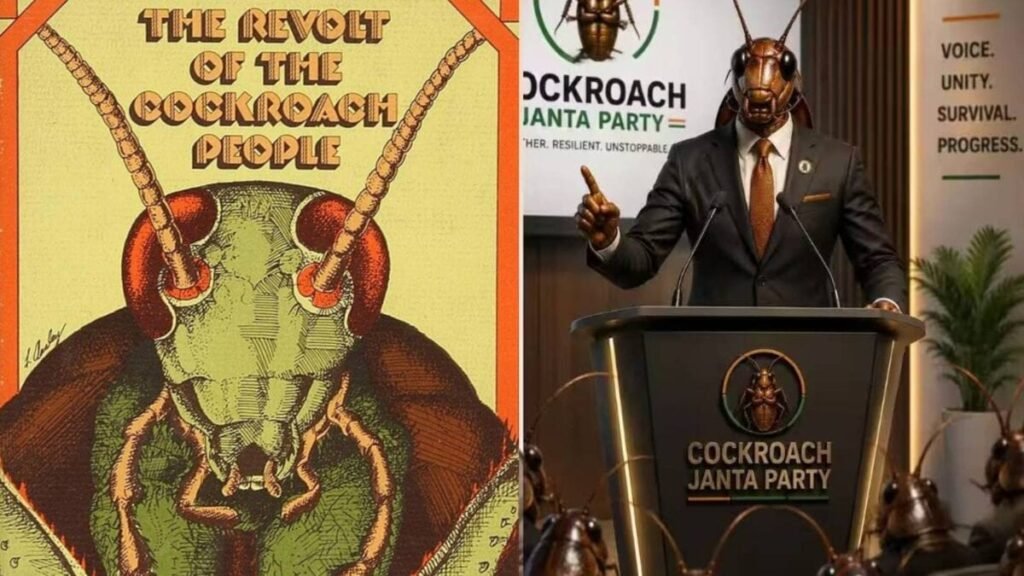
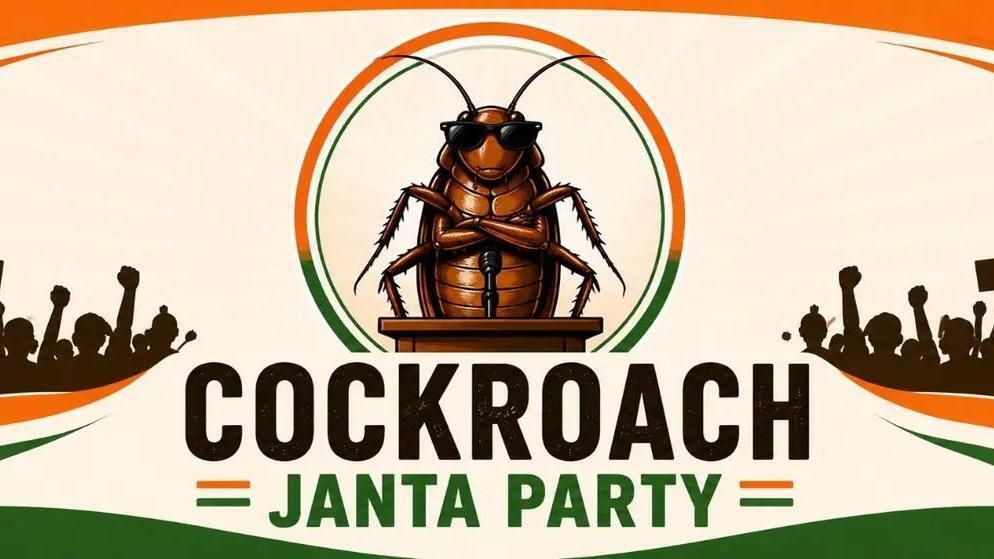
As the satirical ‘Cockroach Janta Party’ spreads across Indian social media through memes, political jokes and satirical posters, many users have discovered that cockroaches have long been used as symbols of resistance, survival and social commentary in literature as well. One clear example of this is The Revolt of the Cockroach People, a classic novel that remains as chaotic, provocative, and politically charged today as it was when it first appeared in the 1970s.
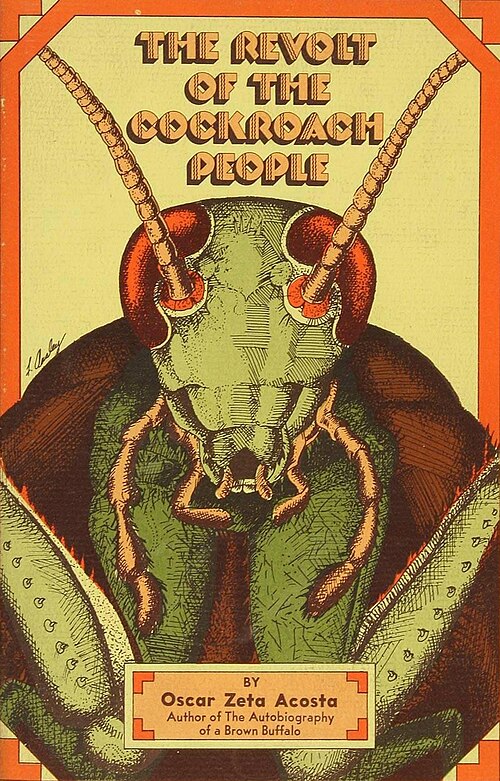
Mexican-American lawyer, activist, and author Oscar Zeta Acosta wrote The Cockroach People’s Revolution is not actually about insects. Instead, the “cockroach people” symbolize marginalized communities, especially Chicanos and minorities in America, who were looked down upon, ignored, or treated as disposable by those in power.
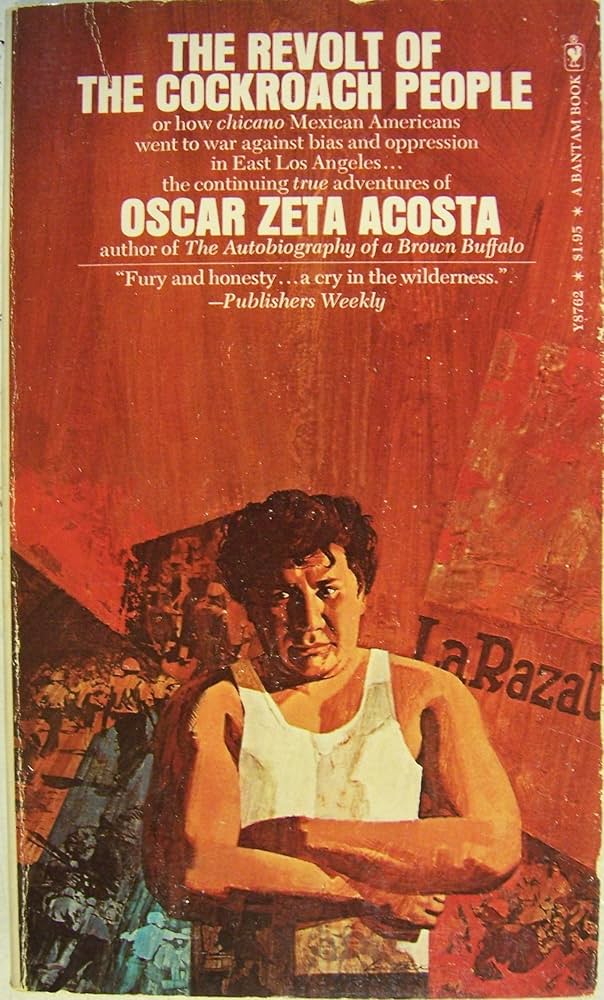
Published in 1973, the semi-autobiographical novel follows Acosta’s fictional character, Buffalo Zeta Brown, a rebellious lawyer who navigates political unrest, racial discrimination, police violence, and activist movements in Los Angeles during the late 1960s and early 1970s. The book mixes satire, courtroom drama, protest politics, black humor, and counterculture energy in a style that feels raw, almost anarchic. What made the novel notable was its refusal to present activity in a polished or heroic way. The characters are angry, flawed, impulsive, and often self-destructive. However, this chaos is exactly what gave the book its originality. Acosta embodied the frustration of people who felt invisible within mainstream American society.
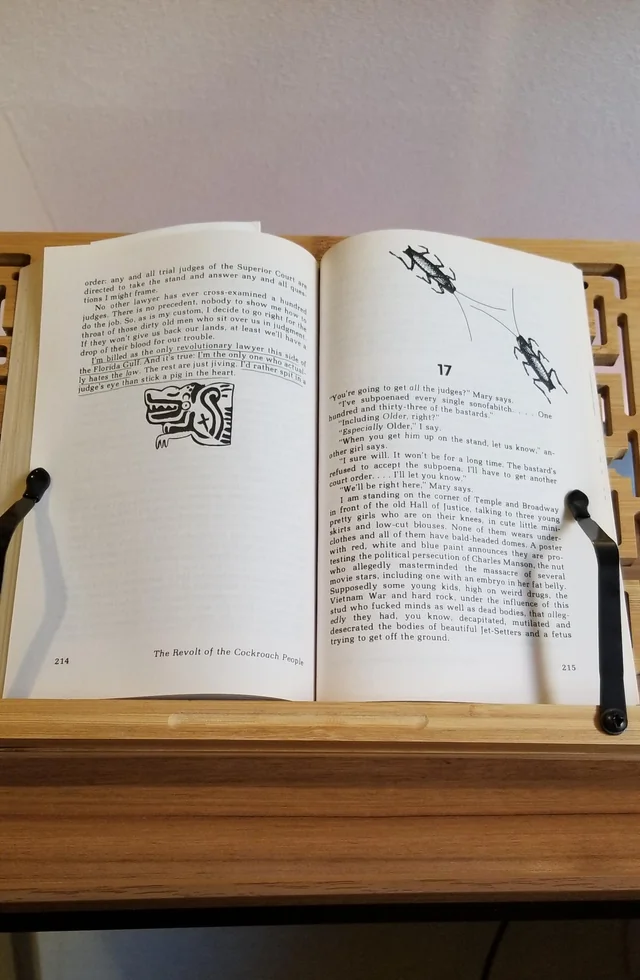
The title itself was deliberately provocative. Cockroaches are creatures that most people want to eliminate, however they are also known to survive almost anything. In Acosta’s hands, the metaphor becomes a statement about resilience, the ability of oppressed people to continue to exist, to resist, and to demand visibility despite constant attempts to silence them.
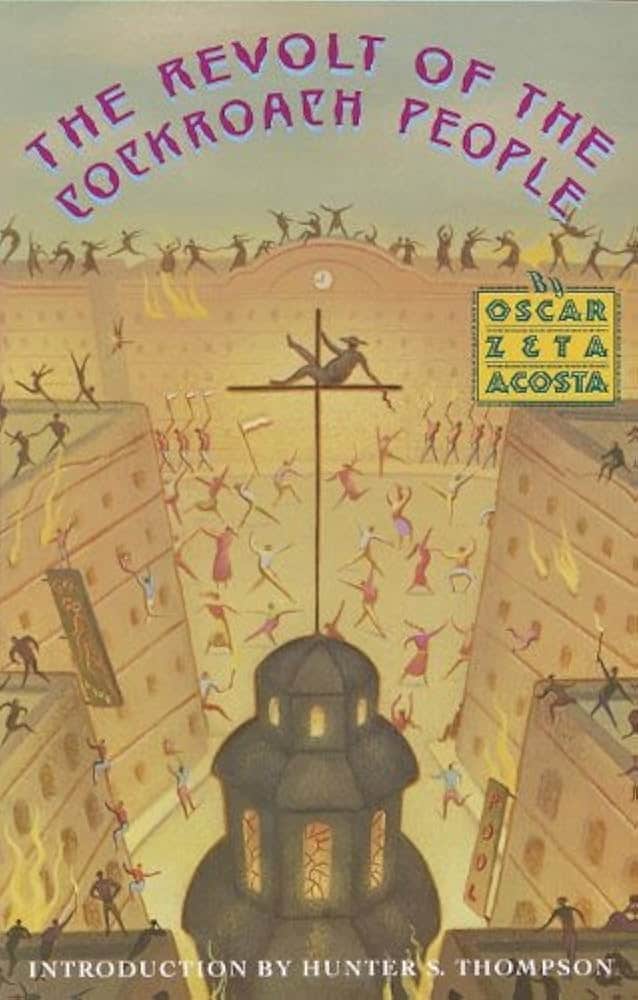
The novel also gained attention due to Acosta’s close association with Hunter S. Thompson, creator of “Gonzo journalism.” Thompson reportedly used Acosta as inspiration for the famous lawyer Dr. Gonzo in Fear and Loathing in Las Vegas. Much like Thompson’s writing, Acosta’s work blurred the line between fiction and reality, creating a frenetic reading experience that reflected the turmoil of his time.
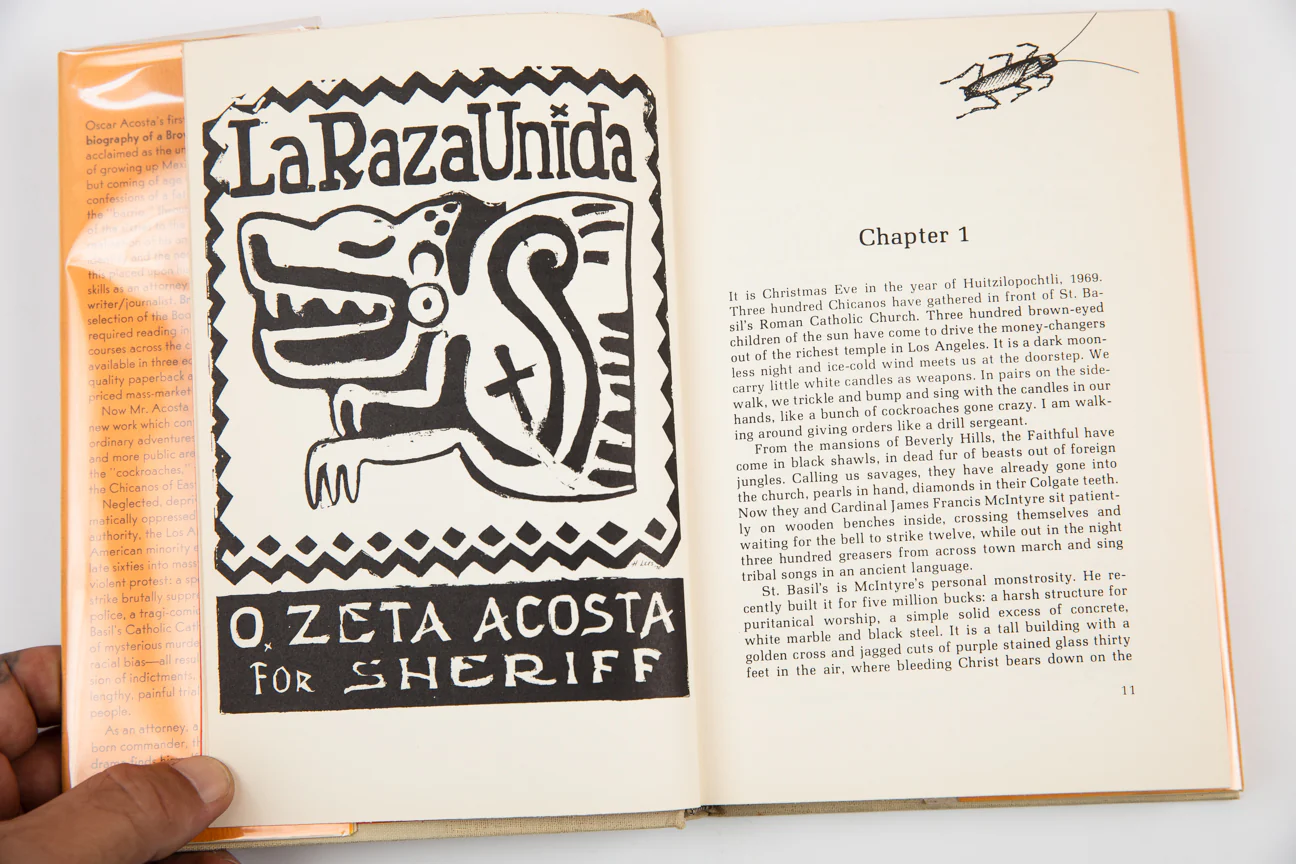
Over the decades, The Revolt of the Cockroach People has become an important text in Chicano literature and political writing. Universities continue to teach to explore identity, systemic racism, protest culture, and radical politics. At the same time, the book’s absurd humor and anti-establishment tone make it relevant to the meme-driven internet culture.

This may explain why references to “cockroach politics” or satirical movements such as the “Cockroach Janta Party” are so common on the Internet today. The image of the cockroach – impossible to get rid of, surviving every crisis, thriving in chaos – has become a surprisingly powerful metaphor in political satire across cultures.