



Long before there was electricity or air conditioning, Indian palaces found a natural way to beat the scorching summers. The secret was the jali screen, an intricately carved stone grid that cooled the interior even when outside temperatures rose to nearly 50 degrees Celsius. (Image-AI)
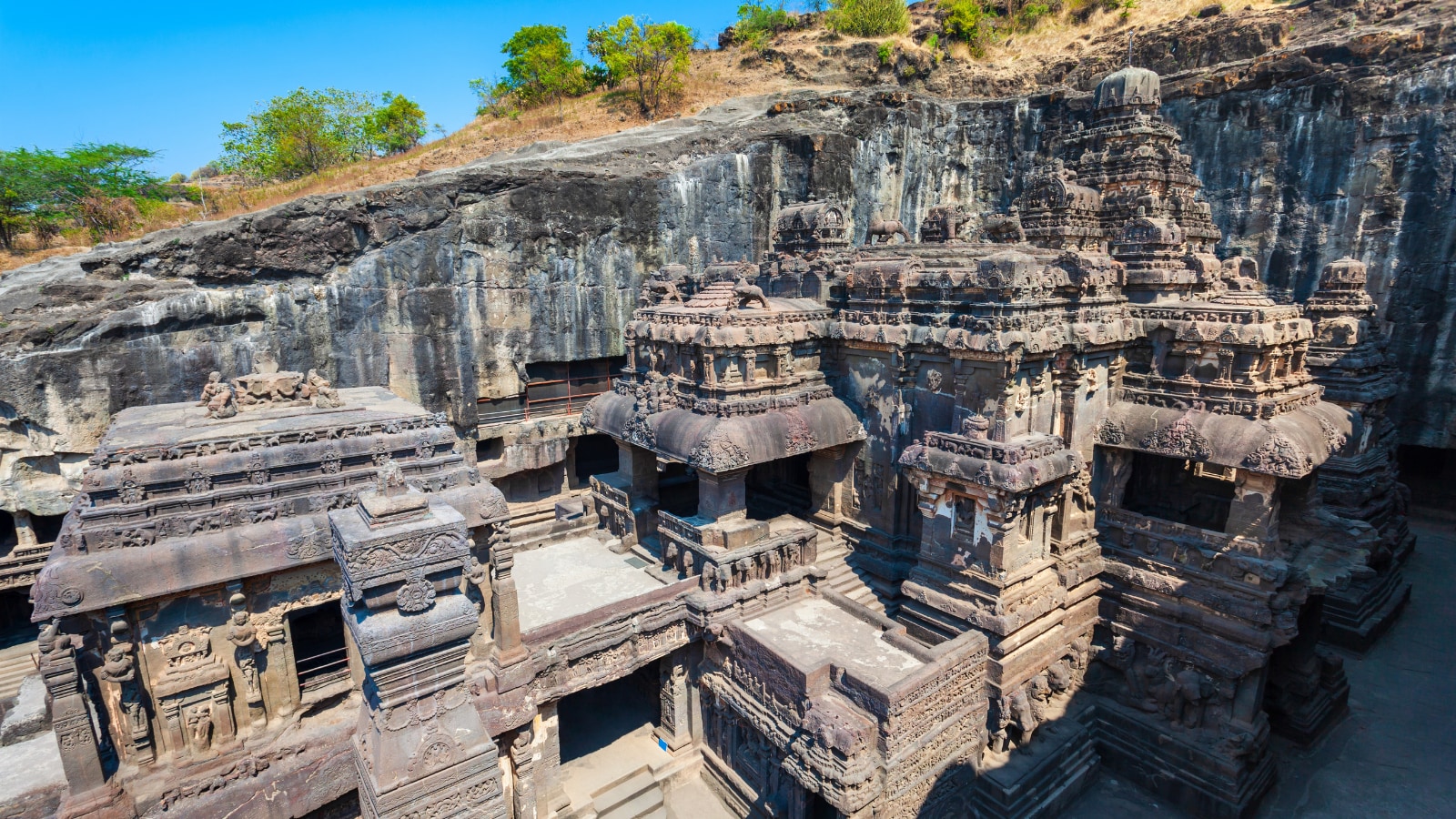
Galle screens date back to at least the 8th century, and appear in monuments such as the Kailasa Temple in Ellora and the Pattadakal temples. While the Mughals improved this art by blending Persian engineering with Indian craftsmanship, they did not invent it. (Image-Canvas)
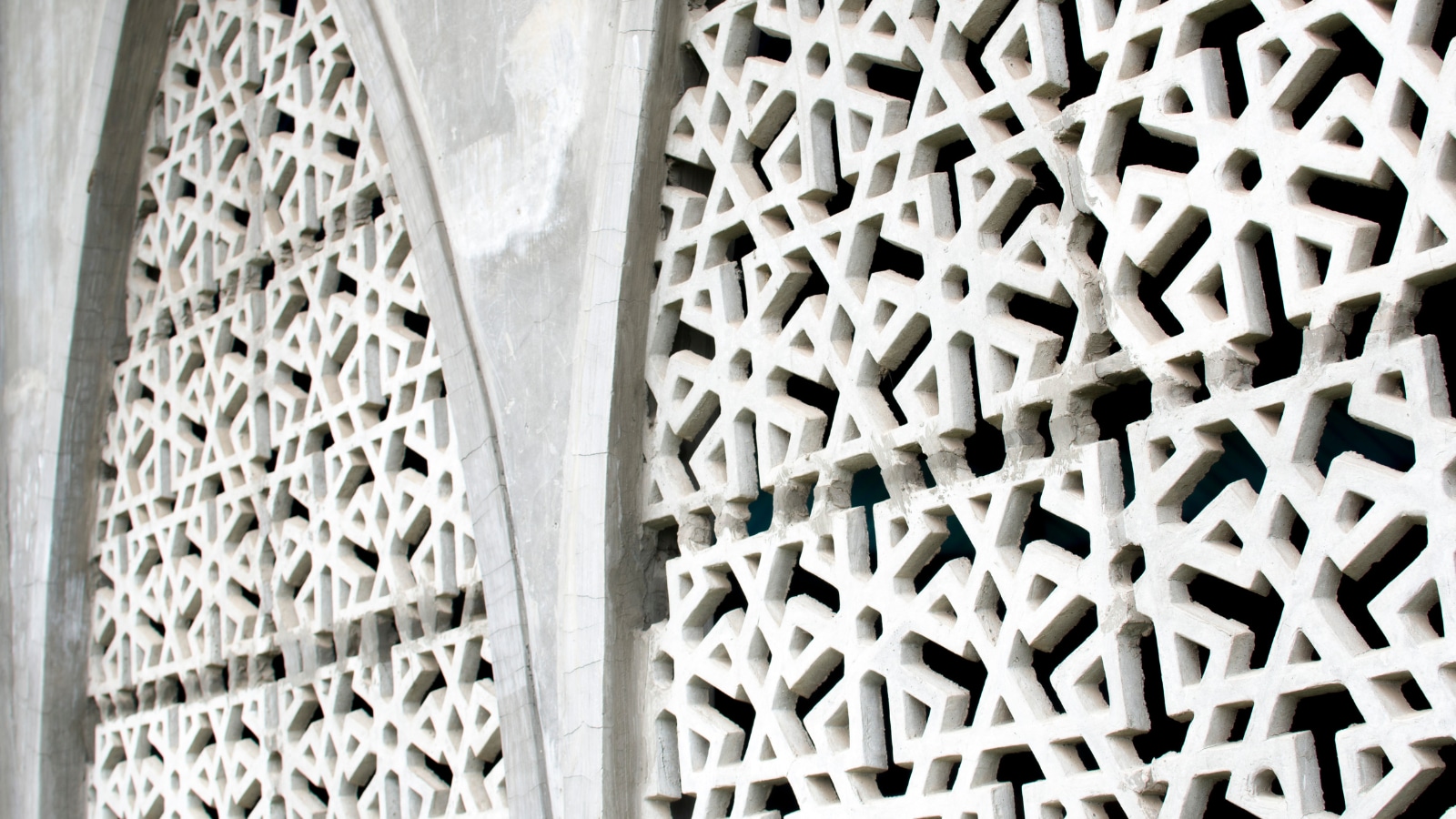
The cooling effect of Galle is not just limited to architectural beauty; It’s science. When air passes through its small openings, it accelerates and cools before entering the building. Research suggests that these stone barriers can lower internal temperatures by about 4-5 degrees Celsius without consuming energy. (Image-Canvas)
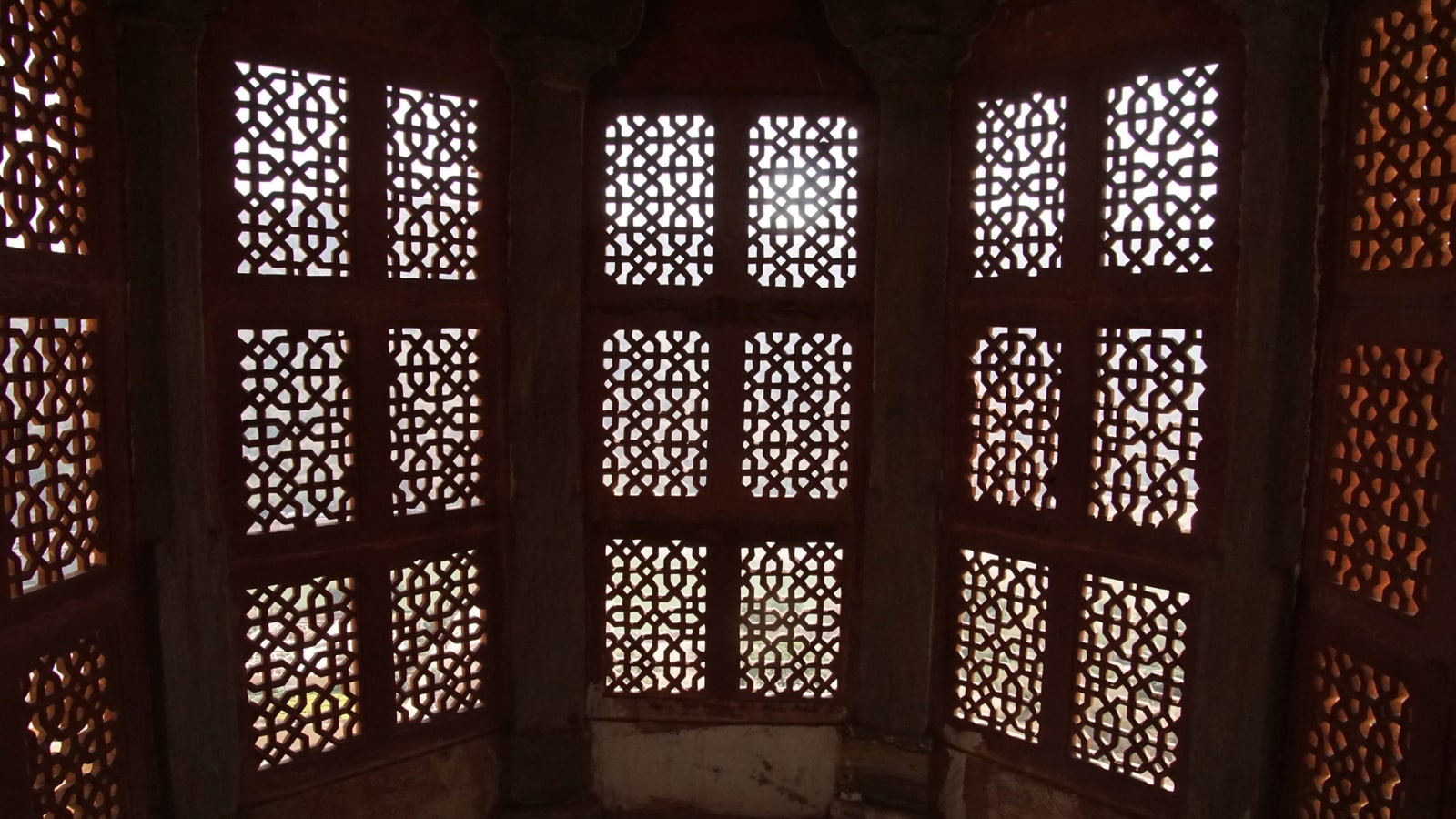
Jaalis has never been one-size-fits-all. In Rajasthan, dense, compact styles reduced heat and harsh sunlight, while more open designs in Kerala encouraged coastal breezes. The craftsmen have carefully adapted each design to suit the local climate and surroundings. (Image-Canvas)

India’s most famous monuments proudly feature the magnificent works of Galle. The Hawa Mahal’s 953 windows kept the palace airy, the iconic Tree of Life in Sidi Syed Mosque inspired the logo of IIM Ahmedabad, while the marble parapets of the Taj Mahal create soft, glowing interiors. (Image-Canvas)
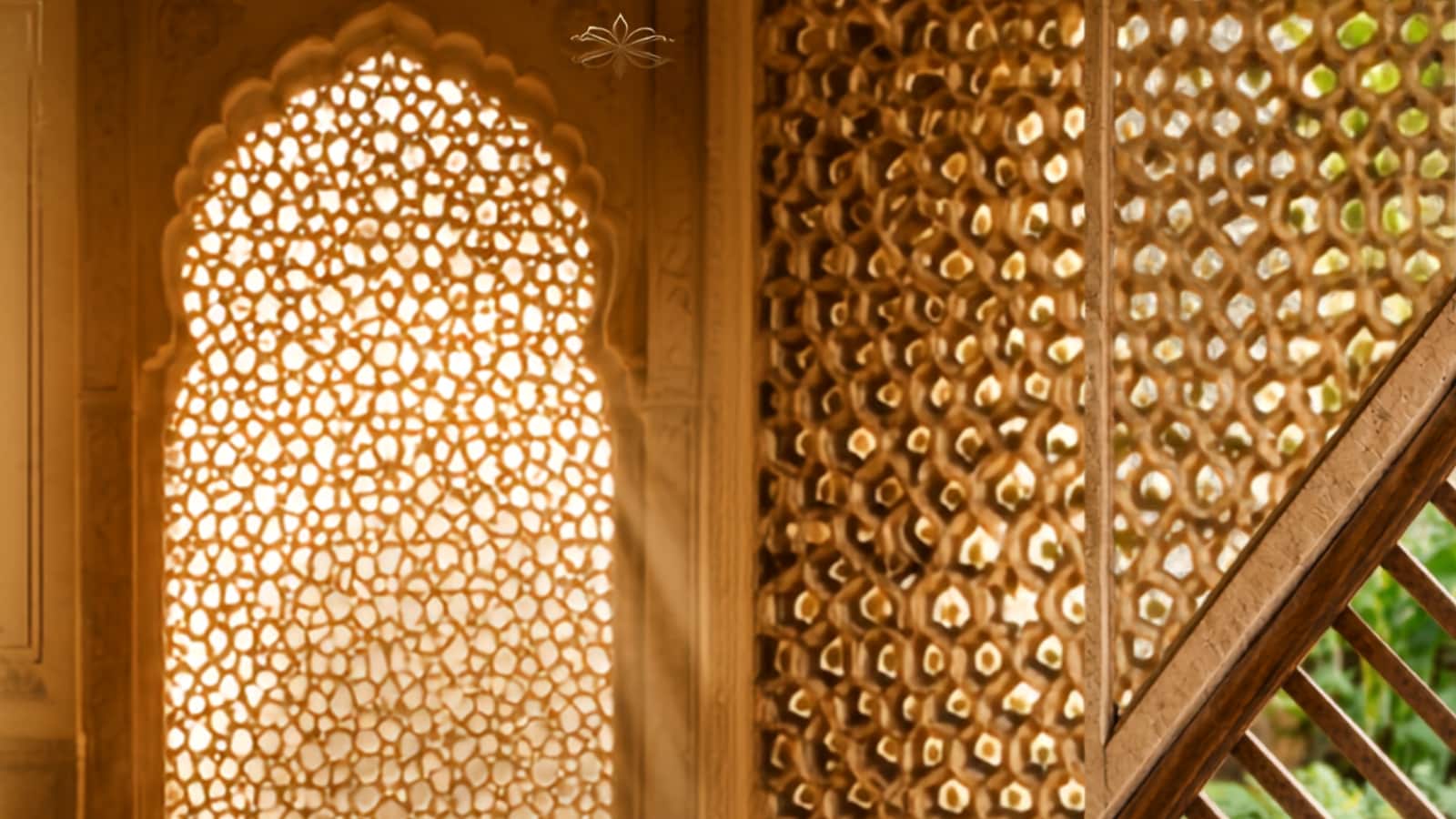
Cities like Jaipur, Jodhpur, Jaisalmer, Agra and Makrana are still famous for their jali skill. Skilled craftsmen patiently drill, chisel and polish each opening by hand, ensuring the perfect balance of light, airflow and structural strength. (Image-Canvas)
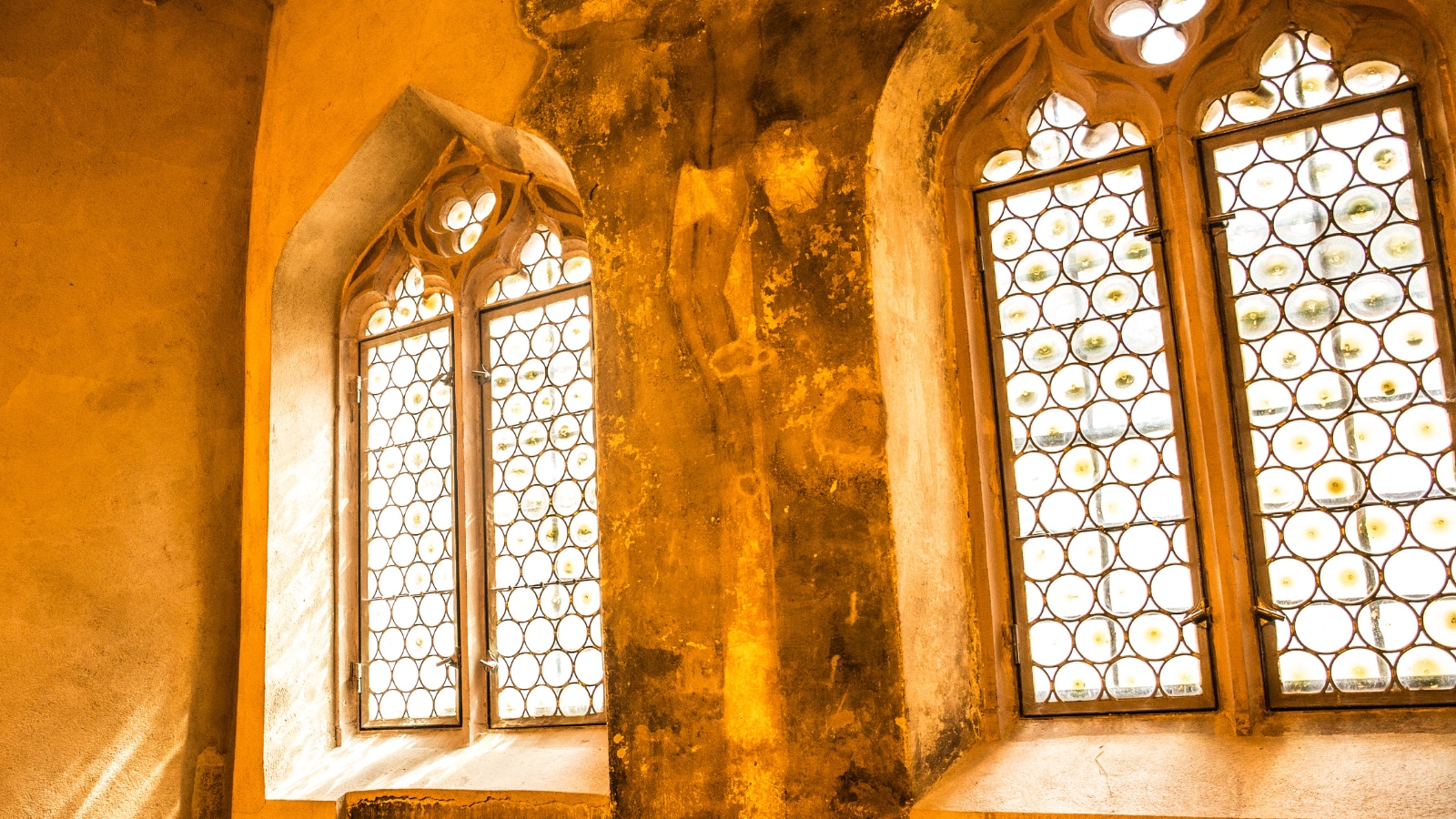
As Indian cities grapple with rising temperatures, architects are rediscovering jali as a sustainable solution. (Image-Canvas)