

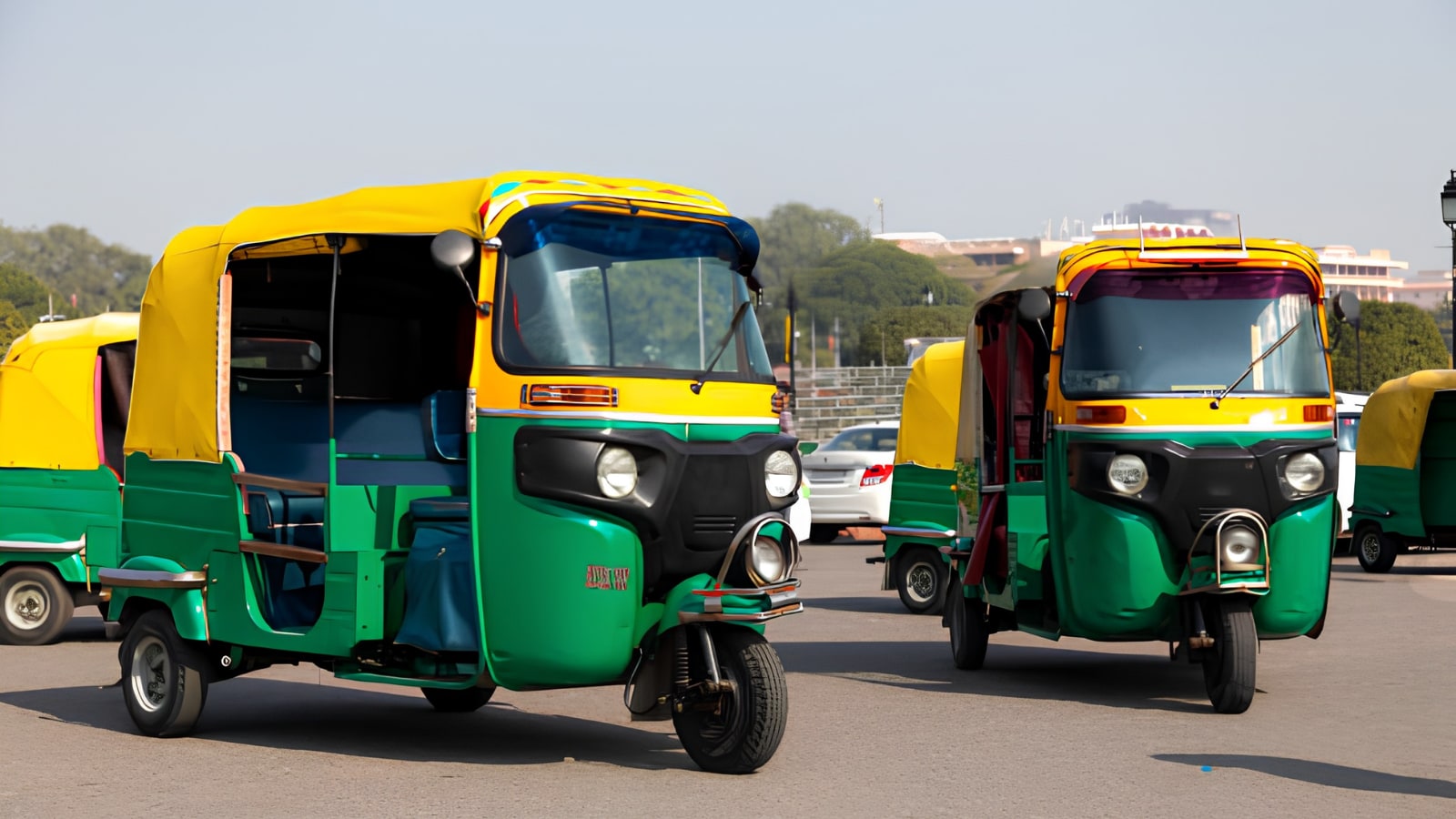
Auto rickshaws are among the most popular tourist attractions on Indian roads. But have you ever wondered why so many of them have the same yellow and green color combination? (Image-AI)
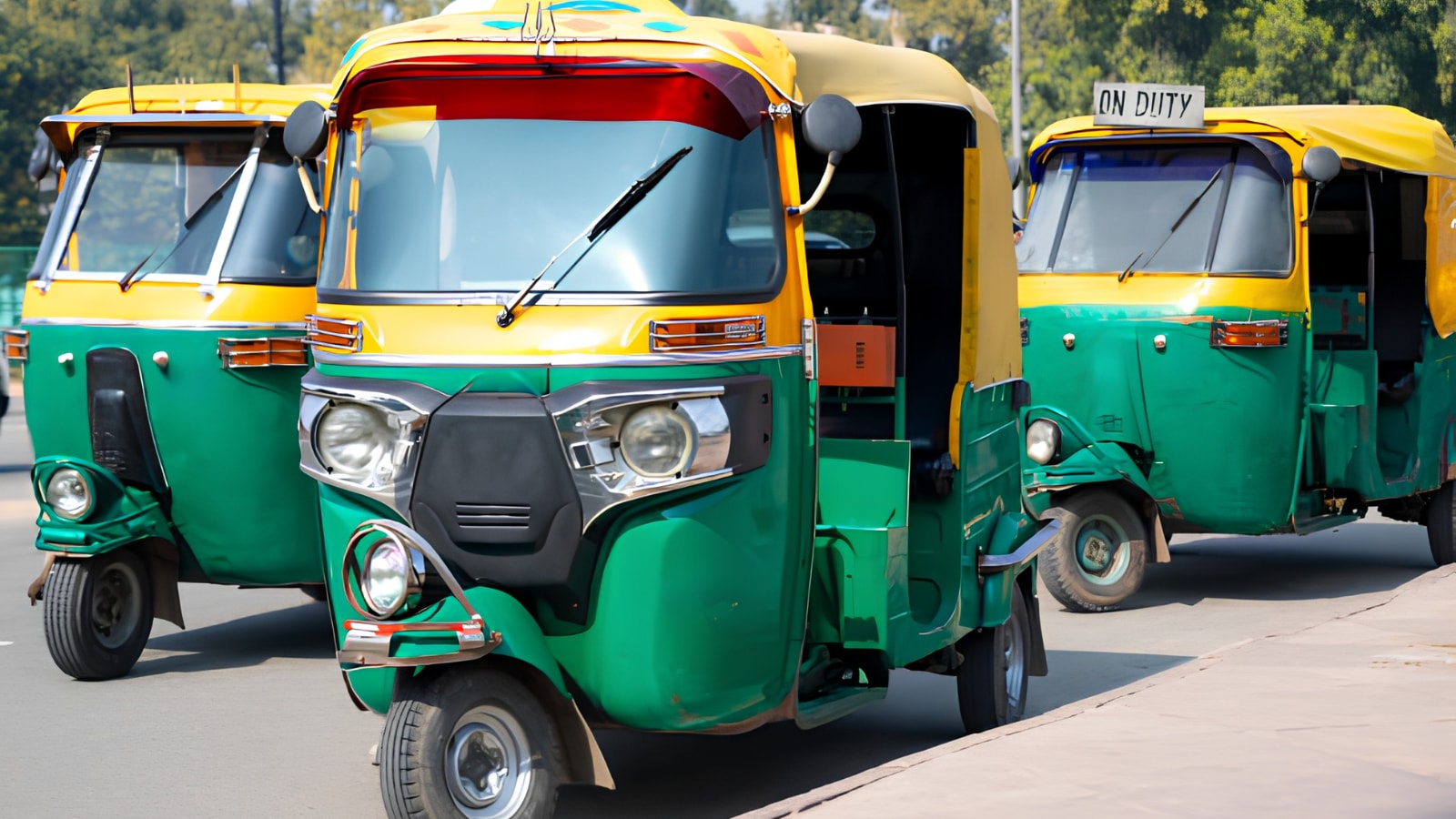
The familiar paint scheme was not chosen just for aesthetics. Over the years, transportation authorities have introduced specific color codes to help identify three-wheeled commercial vehicles across cities. (Image-Canvas)
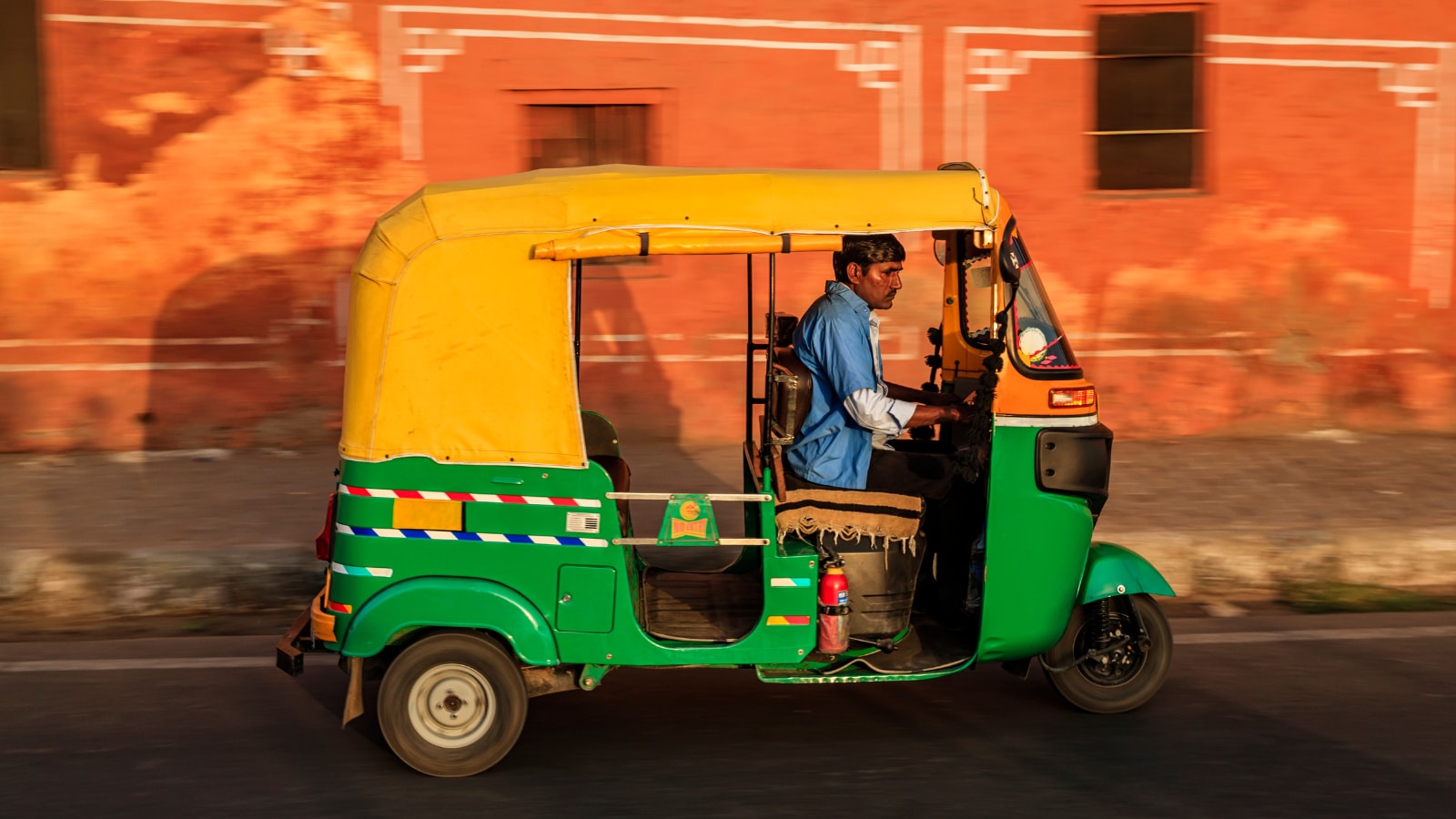
One of the main reasons behind choosing the color is environmental awareness. Many states have adopted the yellow-green theme while encouraging auto-rickshaws to switch to clean fuel alternatives. (Image-Canvas)
Green has become associated with environmentally friendly transportation, especially vehicles powered by compressed natural gas, liquefied petroleum gas, or electric power. The color helped distinguish clean cars from older, gas-powered versions. (Image-Canvas)
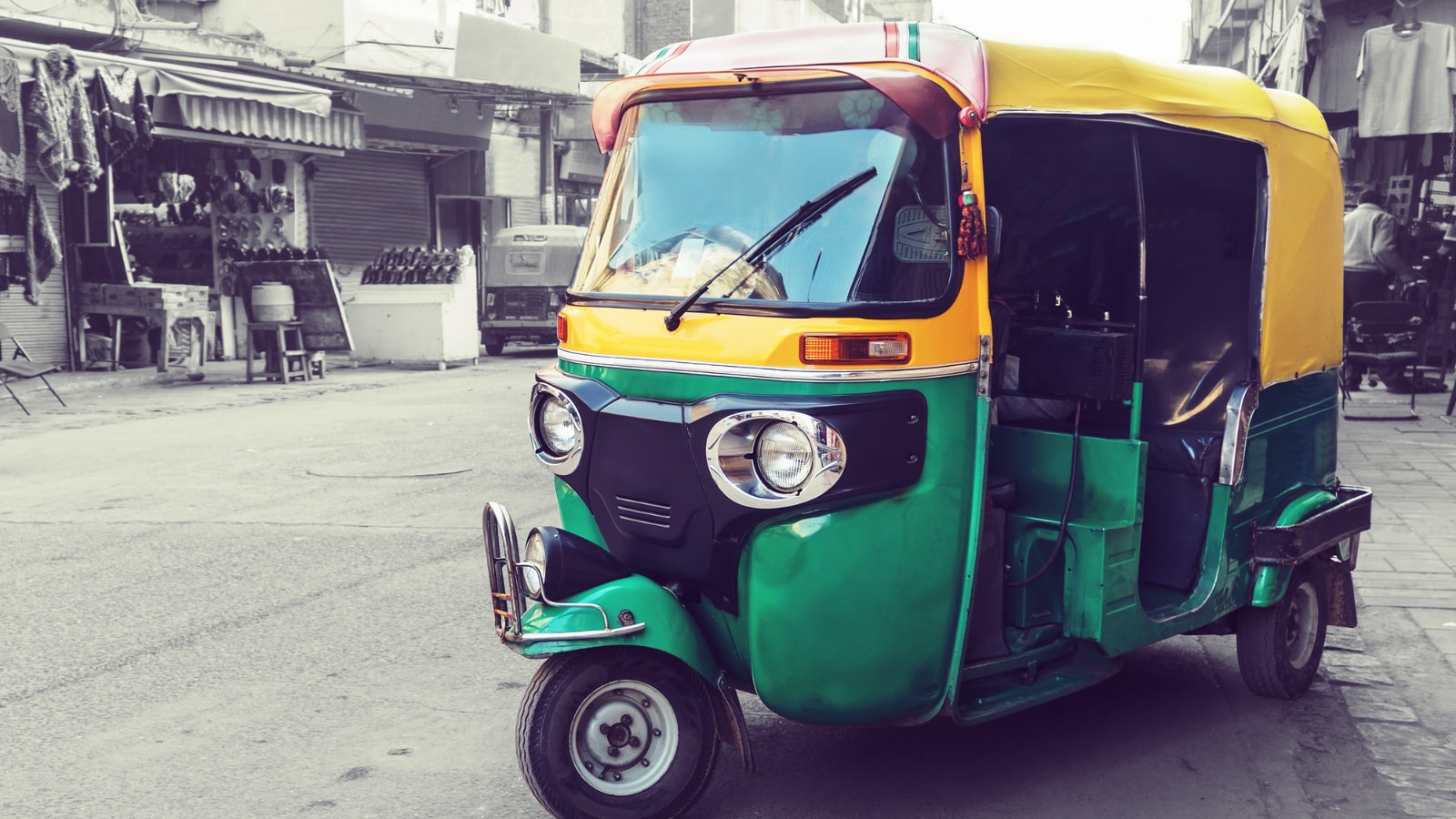
The bright yellow ceiling serves a practical purpose, too. Its high visibility makes it easier for passengers, pedestrians and motorists to spot busy traffic conditions. (Image-Canvas)
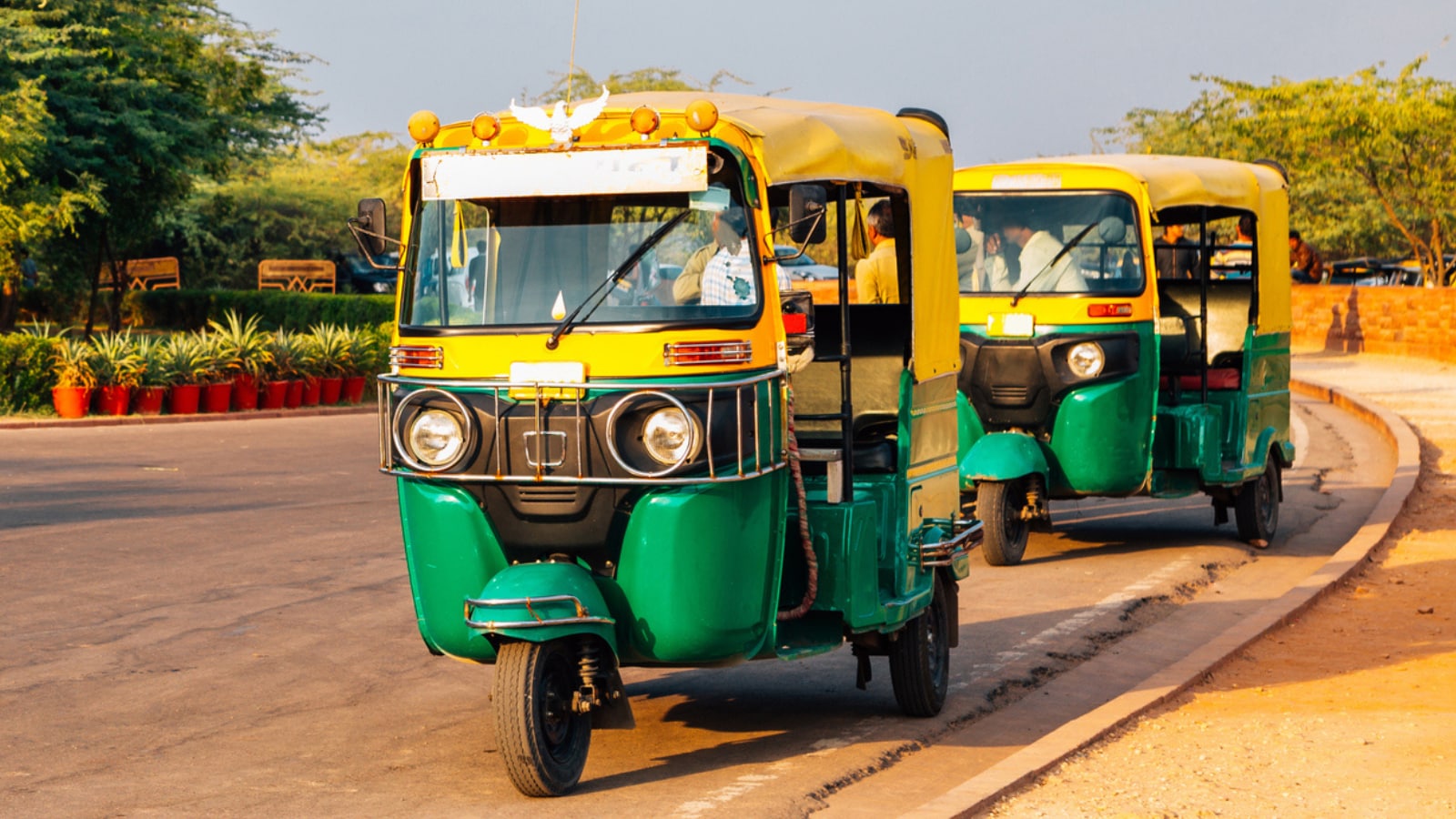
Different cities have followed different transportation policies over time. While some retained the old color schemes, others introduced green and yellow livery along with clean fuel conversion programs. (Image-Canvas)
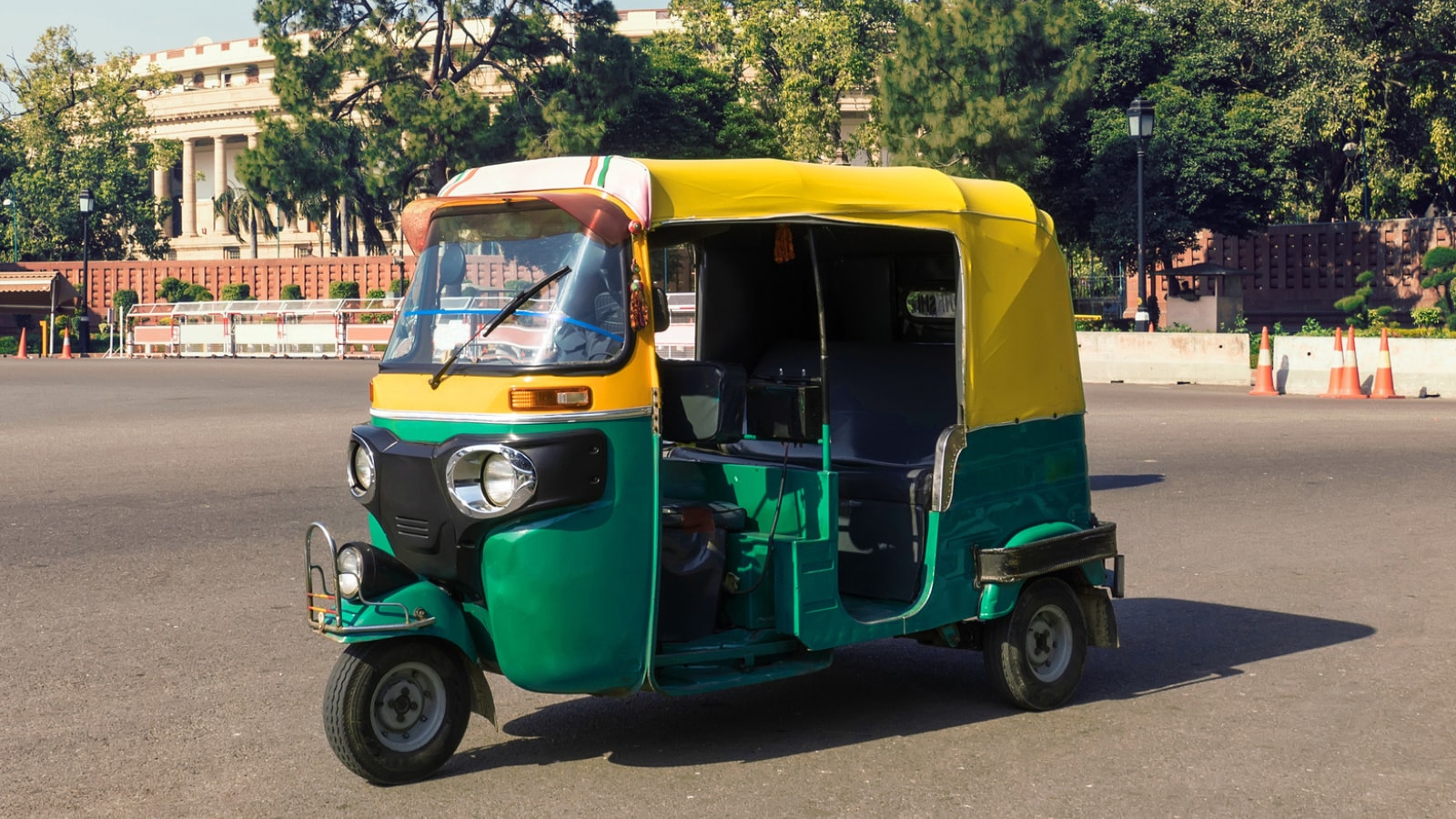
Although there are variations across India, the yellow and green rickshaw remains the most popular. It reflects a combination of safety, regulation and a push towards greener urban mobility. (Image-Canvas)