

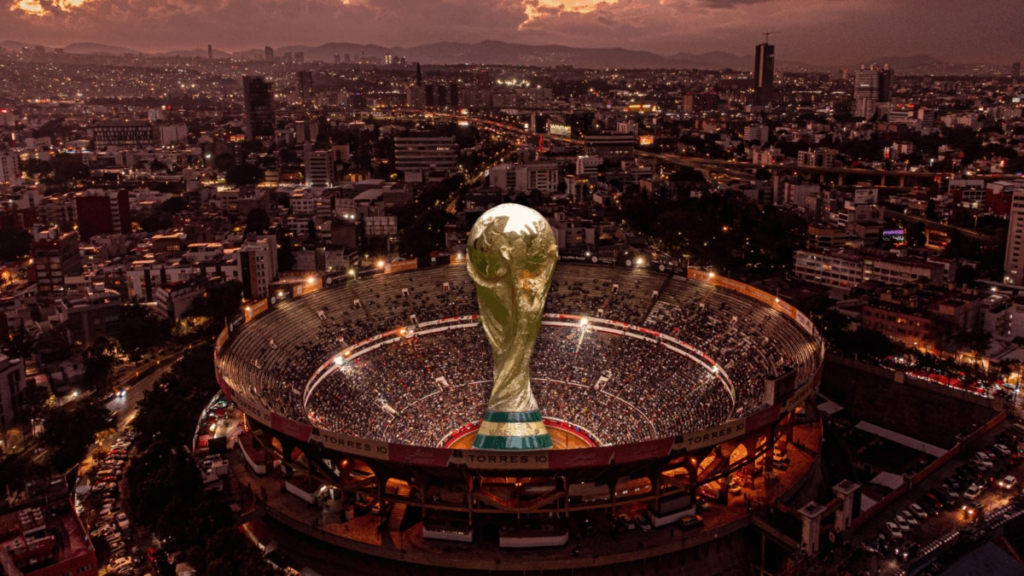
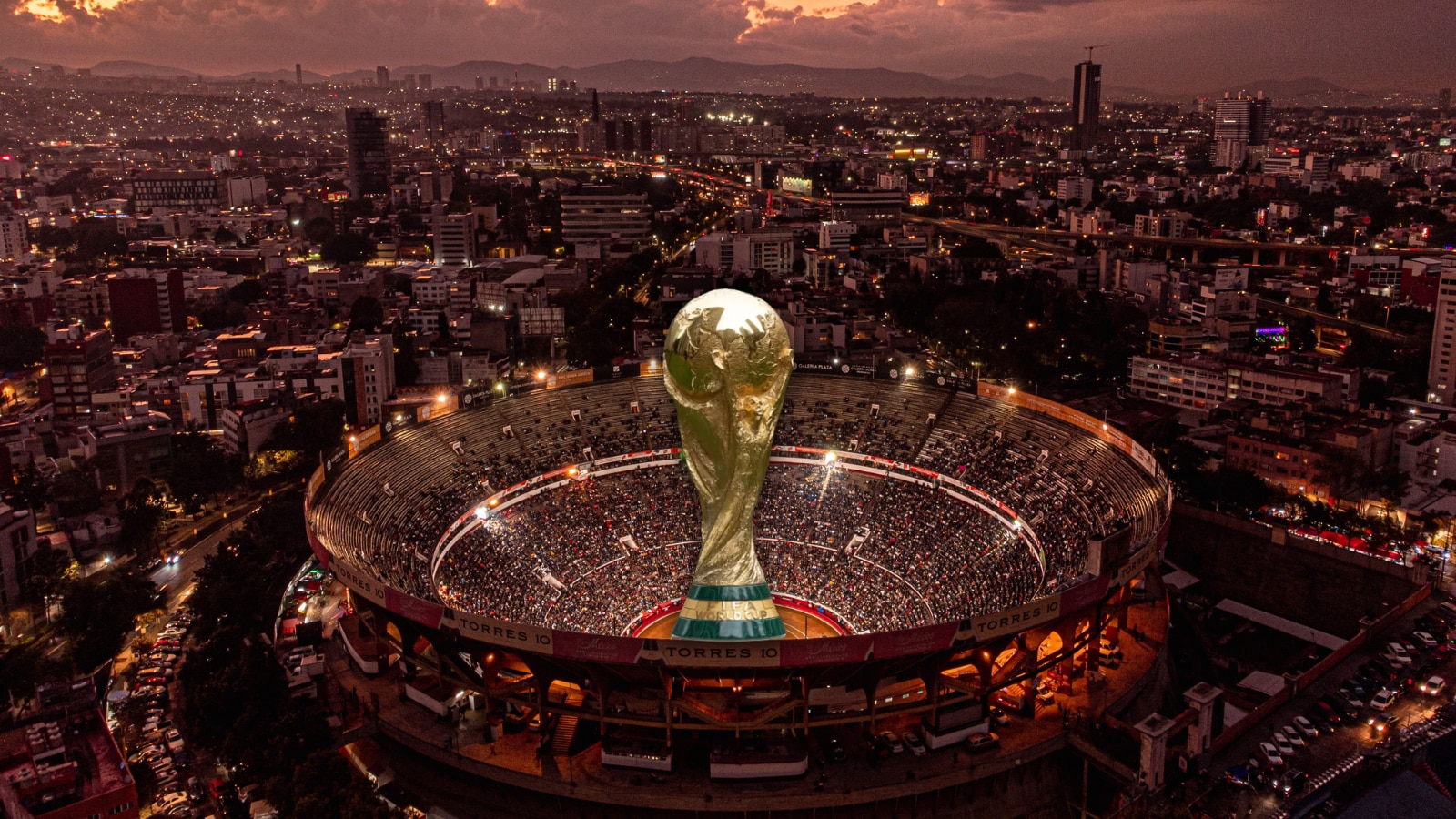
Do you think you know the history of the World Cup? One city stands above all others. From Pele and Maradona to the opening match of 2026, find out why Mexico City is the capital of the FIFA World Cup.
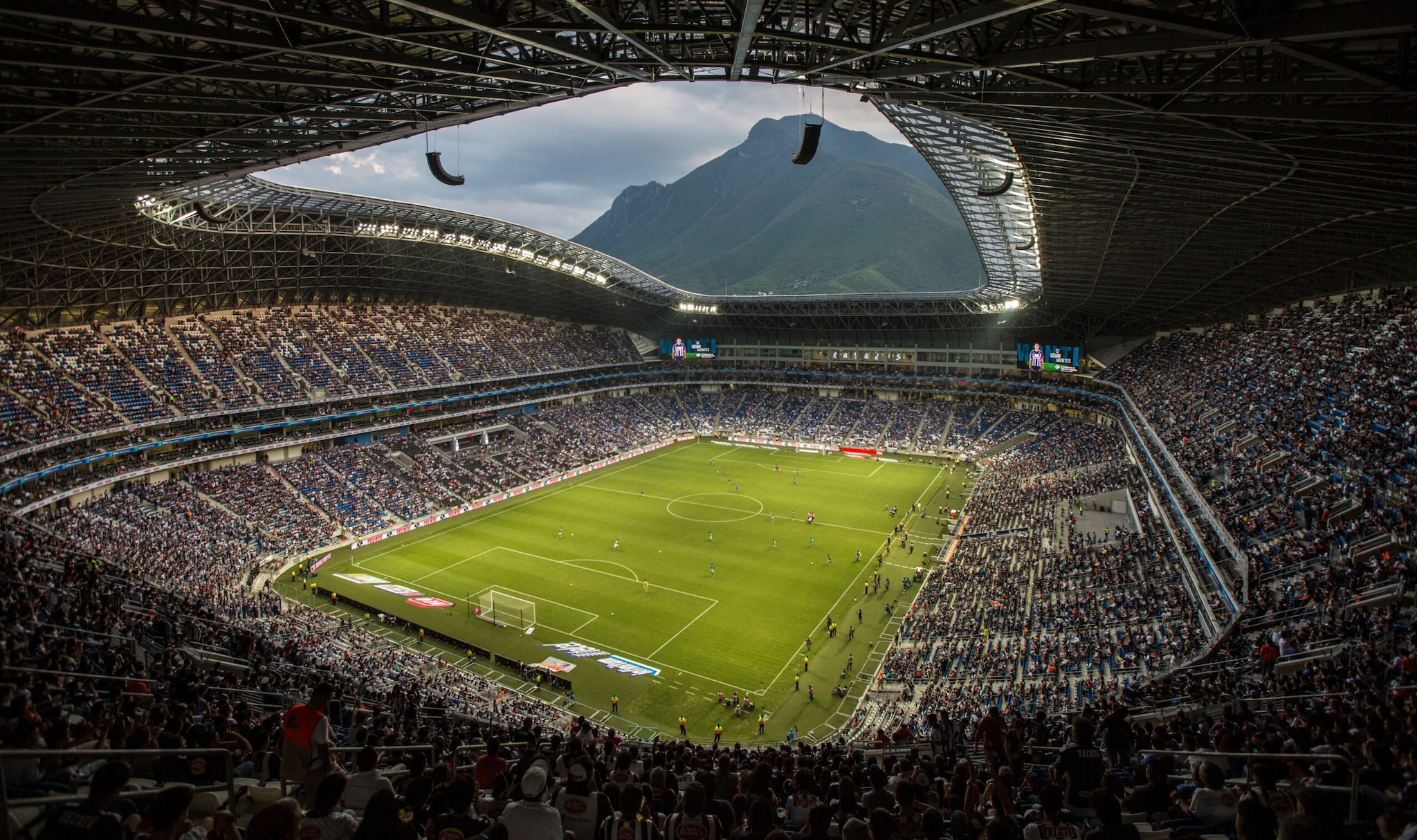
Mexico City earned its title as World Cup Capital with the Estadio Azteca, the only stadium in history to have hosted three FIFA World Cups. The stadium hosted the 1970 and 1986 tournaments, including their finals, and will open the 2026 edition on June 11. With a capacity of over 87,000 spectators, this iconic stadium has witnessed football legends such as Pele and Diego Maradona create magic. No other city matches this historic achievement. (Image: Pexels)
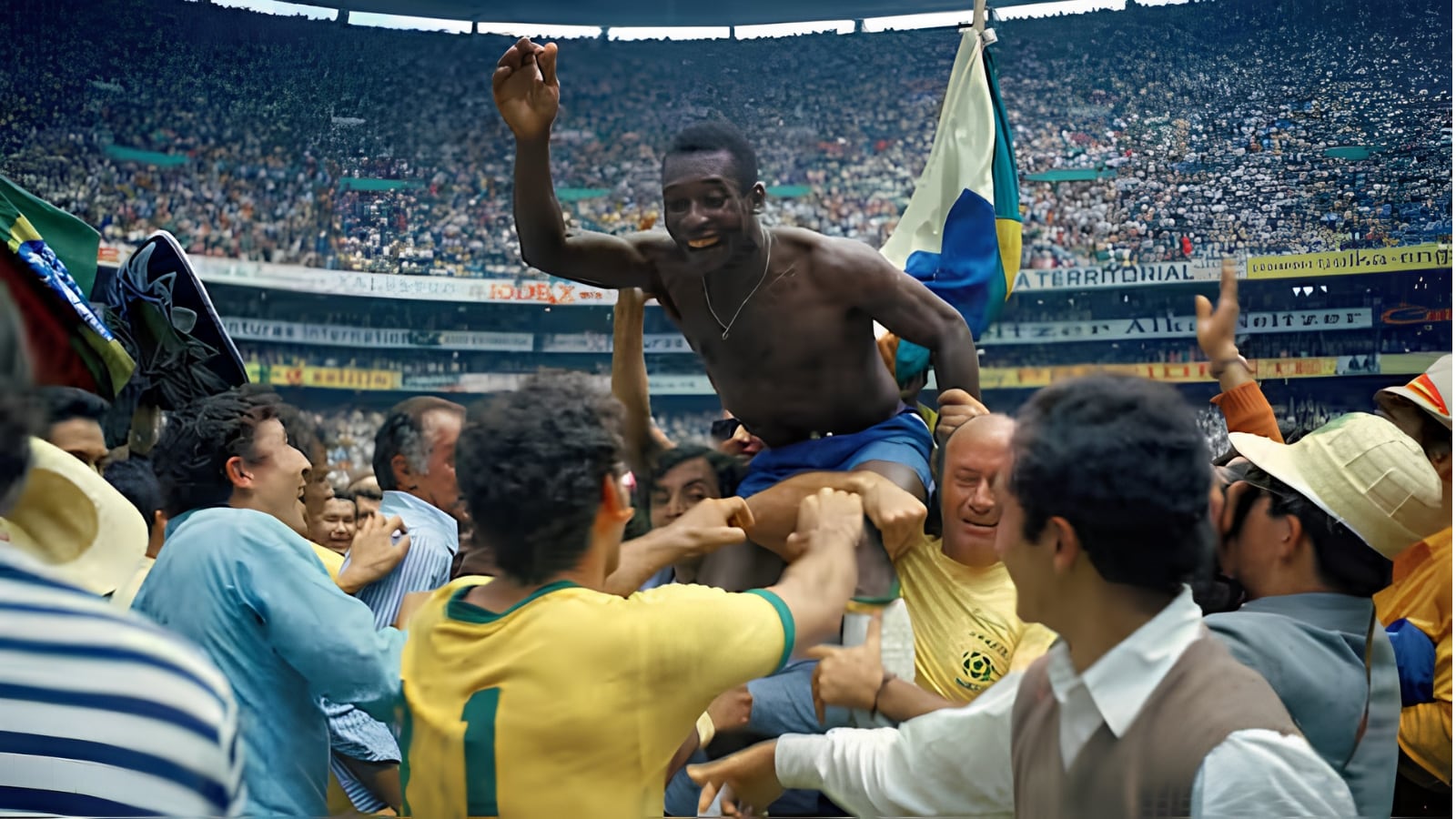
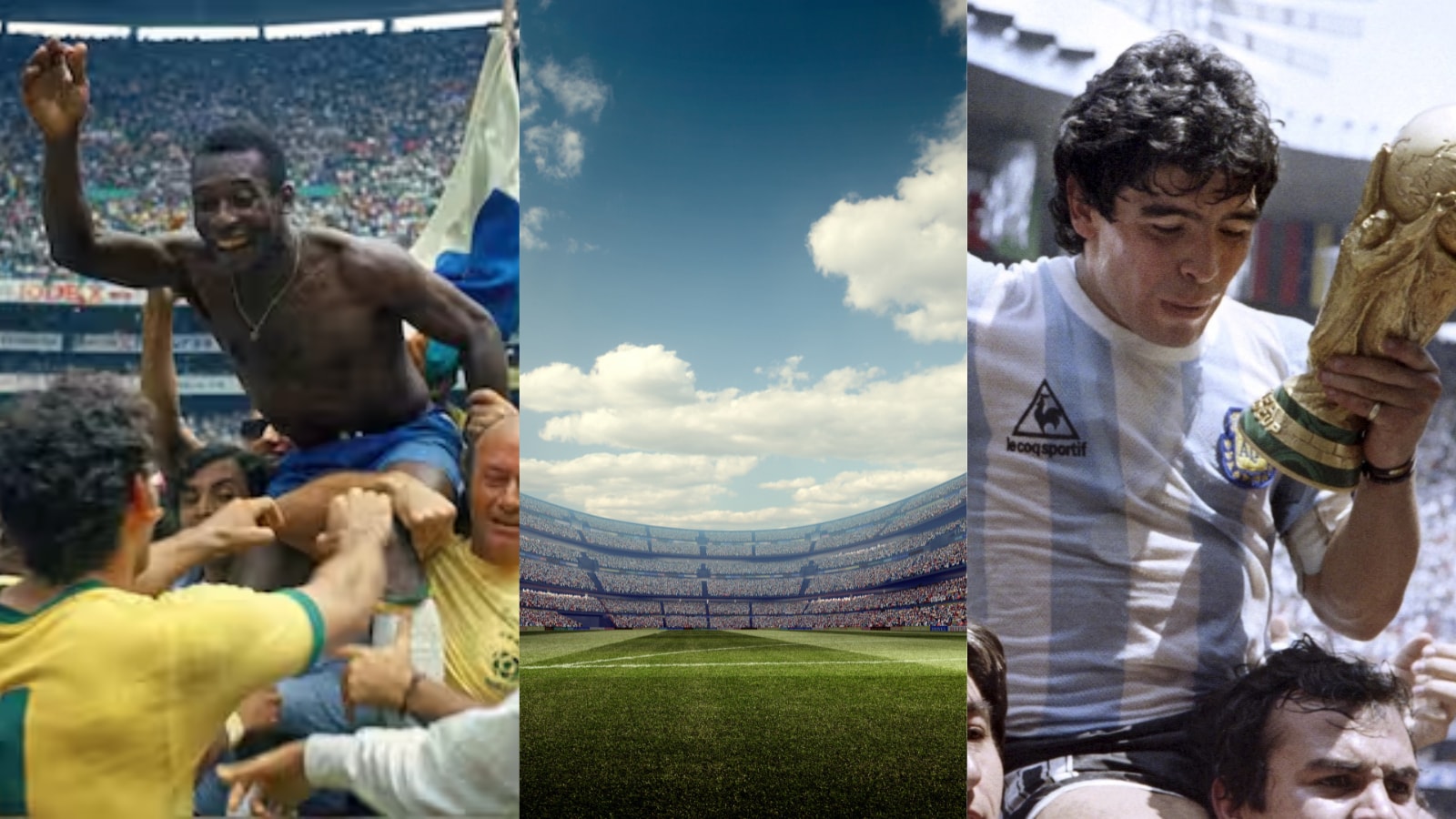
In 1970, Mexico City’s Estadio Azteca hosted the World Cup Final in which Pele’s Brazil claimed their third title with a 4-1 victory over Italy. The match is remembered for its amazing football and the emergence of the “Mexican Wave”. As the heart of Mexican soccer culture, the stadium cemented Mexico City’s position as a global soccer power. (Photo: FIFA) c
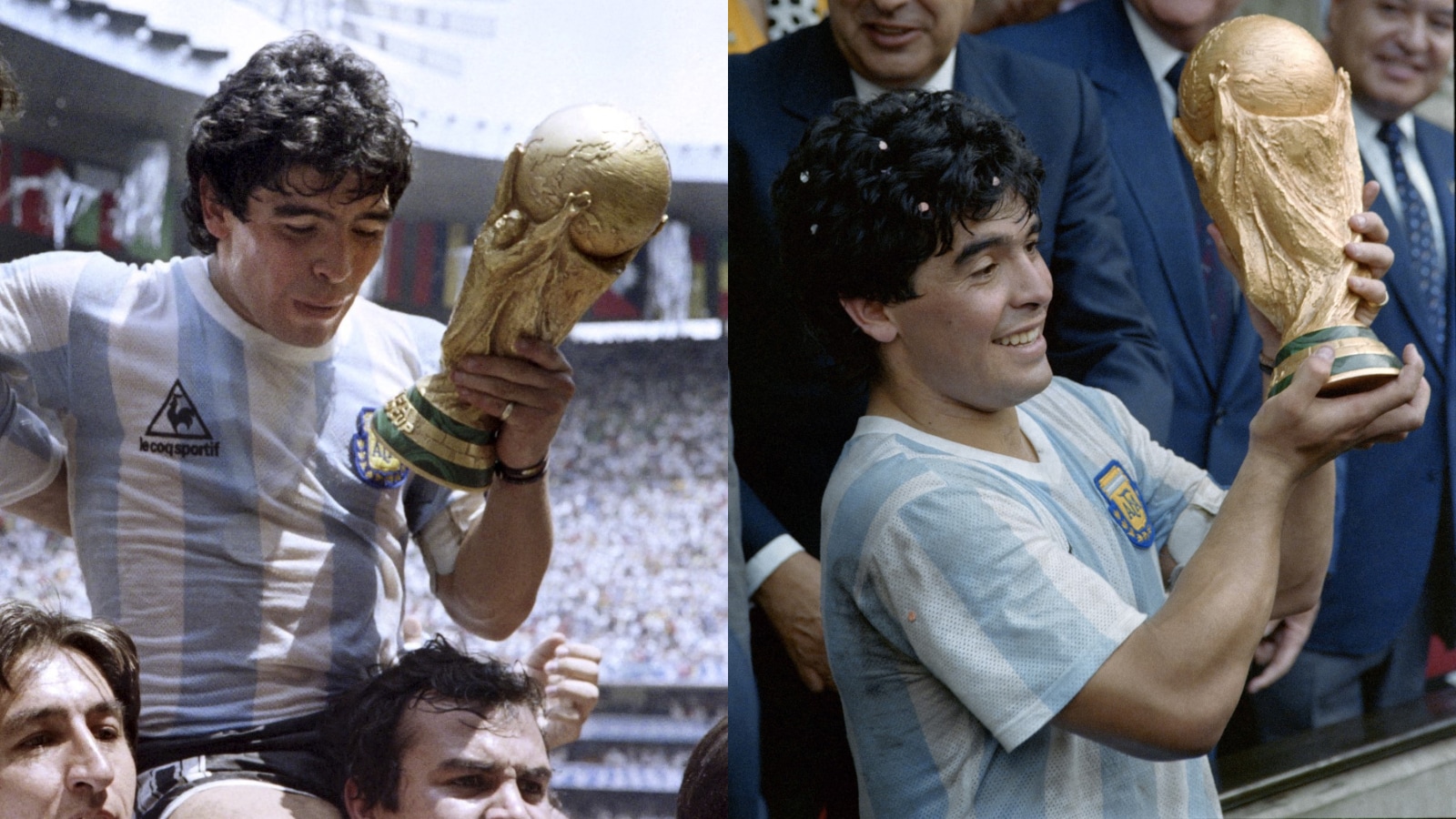
Mexico City took center stage again in 1986 when the Estadio Azteca hosted the World Cup final between Argentina and West Germany. Diego Maradona shined in Argentina’s 3-2 victory. The stadium also witnessed unforgettable moments in the quarter-finals. This second hosting cemented Mexico City’s reputation as the capital of the World Cup, the city where football history is written. (Photo: AFP)
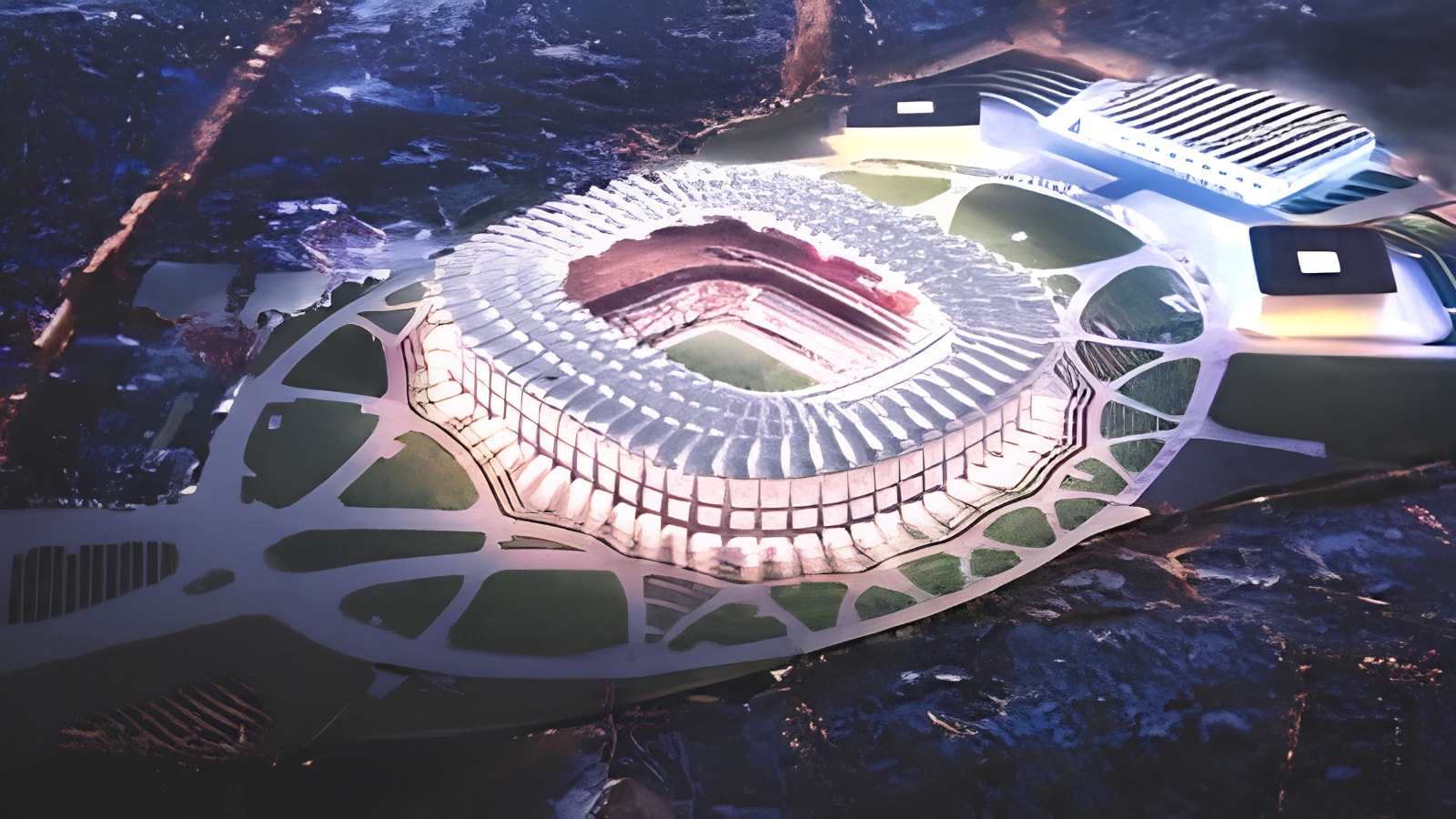
In a historic first, Mexico City’s Estadio Azteca (also known as Estadio Ciudad de México) will host the opening match of the 2026 FIFA World Cup on June 11, featuring the Mexican national team. It becomes the first stadium ever to host three opening matches in various World Cup editions, enhancing the city’s unparalleled legacy in world football. (Image: Pexels)
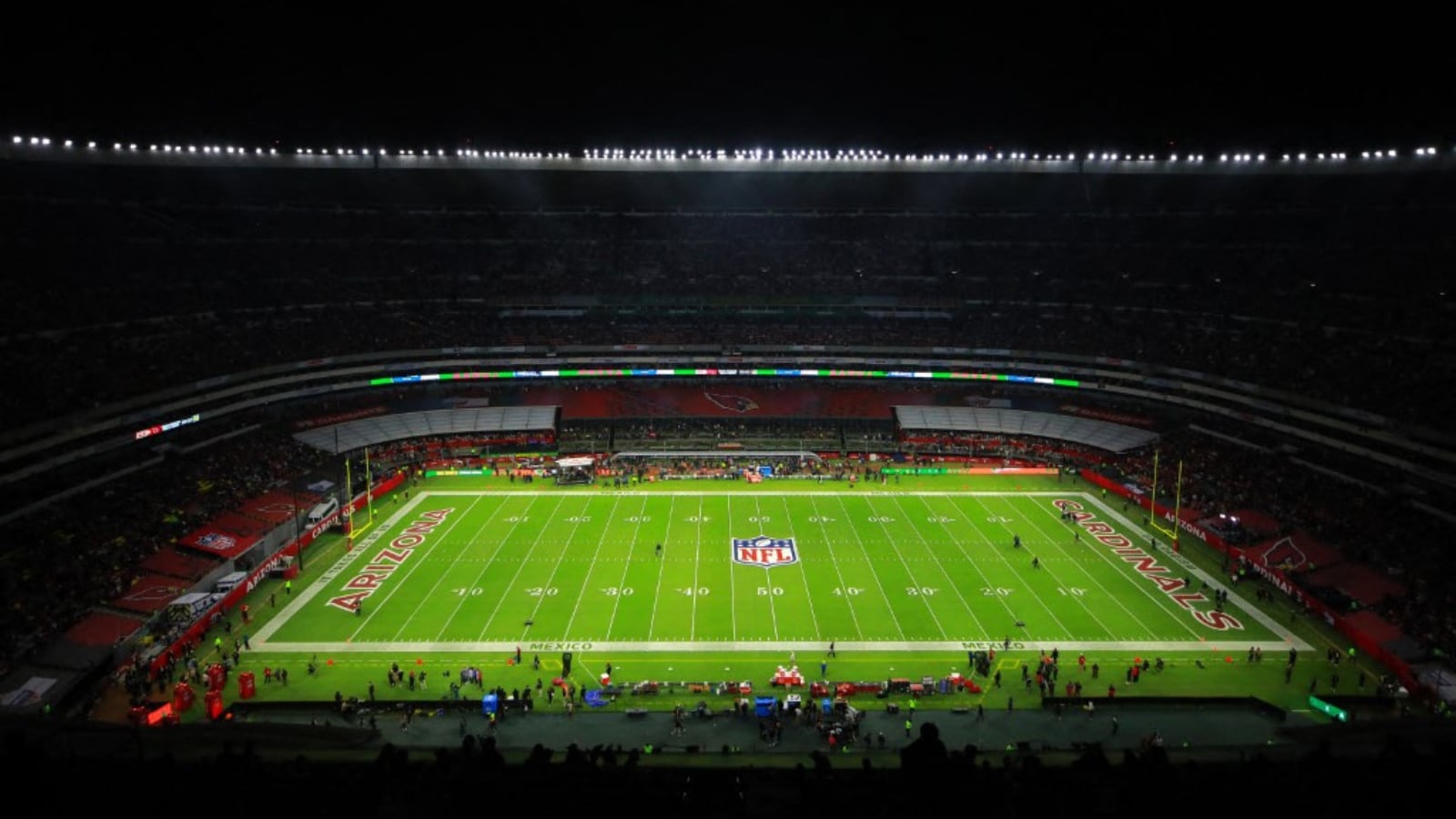
Mexico City will host five matches during the 2026 FIFA World Cup at the Estadio Azteca: three group stage matches, one round of 32 match and one round of 16 match. This important role in the expanded tournament highlights the city’s enduring importance and passion for the beautiful game, attracting fans from around the world to its vibrant streets. (Photo: Manuel Velasquez/Getty Images North America/Getty Images via AFP)

Off the field, Mexico City exudes soccer culture as a home to top clubs and passionate fans. This city, the largest in North America, blends ancient Aztec heritage with modern energy, making it the perfect backdrop for World Cup fever. Its repeated selection as host proves why it truly deserves the title of World Cup Capital. (Photo: Alfredo Estrela/AFP)
Off the field, Mexico City exudes soccer culture as a home to top clubs and passionate fans. This city, the largest in North America, blends ancient Aztec heritage with modern energy, making it the perfect backdrop for World Cup fever. Its repeated selection as host proves why it truly deserves the title of World Cup Capital.