Latest update:
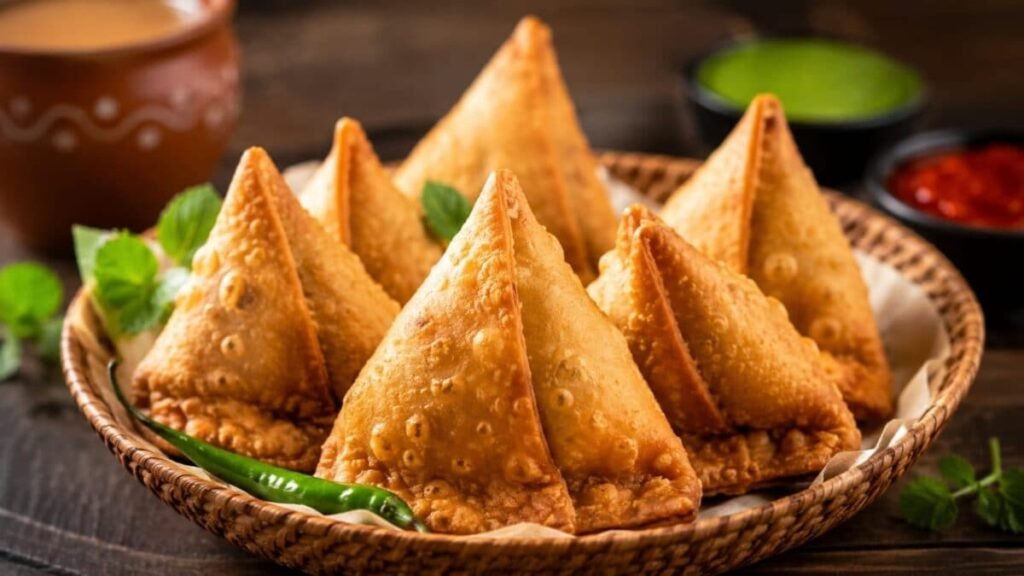
Halwai Style Samosas: Samosas are one of the most favorite snacks in India, but when they are made at home, they often do not get as crunchy as the ones in the market. Often the samosas become mushy, and their layer does not become crispy or explodes during frying. In fact, there are some easy but important techniques behind making sweets like samosas. Proper preparation of the dough, dry filling and frying over low heat are some of her biggest secrets. Tell us easy tips to prepare crispy and flaky halwa-style samosas at home.
Samosa recipe
Samosa dessert style: Be it evening tea, rainy season or any small function at home, hearing the name samosa makes the mouth water. The biggest identity of Halwai-style samosas available abroad is their crunchy and flaky layer, which begins to crackle as soon as you take a single bite. Meanwhile, home-made samosas often remain soft or lose their crispiness over some time. The reason for this is not only the recipe, but also the method of preparation. While making samosas, confectioners pay special attention to little things like the texture of the dough, the moisture of the filling and the frying temperature. The good thing is that by adopting these methods you can also prepare market-like samosas at home.
The first secret is to prepare the tough dough.
The biggest secret to crispy samosas lies in its flour. Many people knead the samosa dough softly like roti dough, which makes the crust not as crispy. The samosa dough should be a bit stiff. It is also necessary to add ghee or oil to it for kneading. By adding the right amount of moein, the samosas become thinner and become more crunchy.
Don’t forget to rest the dough
After the dough is ready, instead of rolling it out immediately, it should be kept covered for at least half an hour. As a result, the moisture in the dough spreads evenly and it becomes easier to roll. In addition, the possibility of cracks in the samosa layer is also reduced. This small step makes a big difference in the end result.
Do not keep the filling too wet
The potato filling inside the samosa should be tasty and dry. If there is too much moisture in the mixture, the samosa layer will quickly become mushy. Fry the potatoes well and cook the spices properly until the excess water disappears. The dry and spicy filling enhances the taste of the samosa.
Keep the prepared samosas covered
Many people make samosas and leave them open in the dish. As a result, the outer layer begins to dry out and cracks may appear during frying. Therefore, after the samosas are ready, they should be covered with a slightly damp cloth. This keeps them moist and gives better results when frying them.
It is important to seal the edges properly
If the edges of the samosas are not sealed properly, the filling may come out while frying. This spoils the oil and spoils the appearance of the samosas as well. Light flour paste or water can be used to seal the edges. Well-sealed samosas look nicer and cook evenly.
Follow the frying method on low heat
The biggest secret to making dessert-like samosas is low heat frying. If the oil is too hot, the samosas will brown quickly on the outside but will not cook properly on the inside. Whereas, by frying on low heat, their layer is cooked slowly and gets excellent crunch. For this reason, samosas in the market remain crispy for hours.
Why is it important to avoid very hot oil?
Many people fry samosas on high heat to finish the job quickly. As a result, bubbles may appear on the outer layer and the true crunchy texture is not formed. Samosas should always be placed in slightly hot oil and then fried over low heat until they turn golden. This method makes it flaky and delicious.
Be patient as it crunches like candy.
Rush is the biggest enemy in making samosas. Whether you have to rest the dough, prepare the filling, or fry it, it’s important to have some patience at each step. When all the steps are done correctly, the samosas are amazing in taste and texture.
About the author

Over 8 years of experience in the media industry, having worked with reputed organizations like ABP, NDTV, Dainik Jagran and India News. Particular skill in presenting stories of lifestyle, religion and culture in an interesting way.Read more