

Latest update:
Former PepsiCo CEO’s remarks comparing India and China as India ‘chaotic’ spark heated debate online on whether chaos defines the country or is being misread




Her comments divide opinion on culture and change. (YouTube/Hoover Institution)
Former PepsiCo CEO Indra Nooyi sparked online debate after calling India a “chaotic country” during a conversation that compared India and China. Her comments quickly went viral on social media and divided opinions, with many debating whether her view was fair or too harsh.
Speaking in an interview with political scientist and former US Secretary of State Condoleezza Rice, Nooyi, 70, spoke of how the two countries feel very differently about visitors. She said that China appears to be more consistent and easier to move, while India is characterized by the unpredictability of its constant activity.
“Chaos is what defines India.”
Nooyi said what many consider chaos is actually an essential part of the country’s identity. She added that people who are used to India often end up accepting and even getting used to this lifestyle.
“India is a chaotic country. The beauty of India is its chaos. Absolute chaos. And if you’re familiar with India, and you’ve traveled to India before, and you love that chaos all around you, go back to it. It’s like a drug. You get addicted to it.”
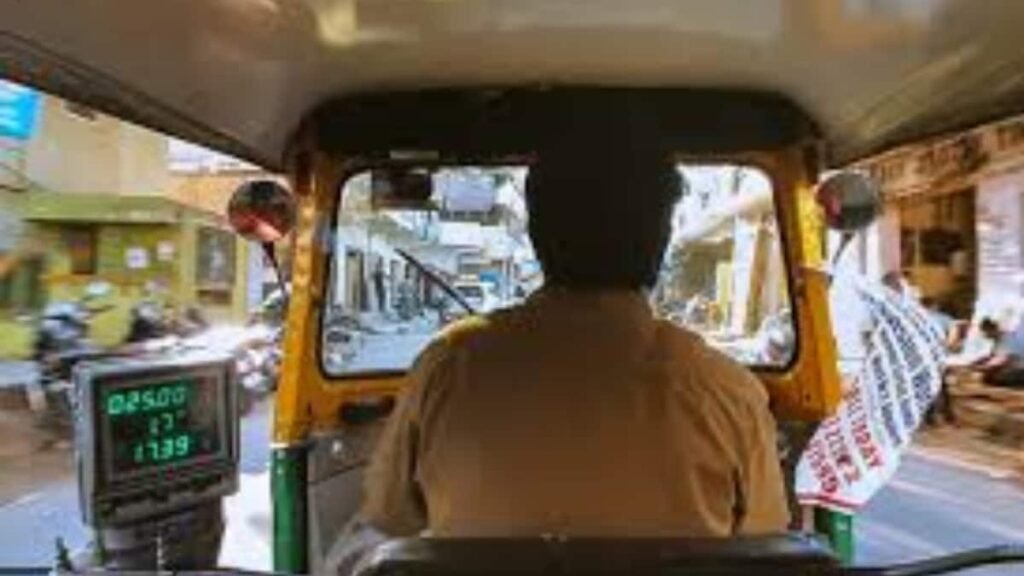
She also pointed to everyday street scenes, such as animals sharing roads with traffic, saying such scenes may seem unusual or confusing to first-time visitors. But for many Indians, this is just part of normal daily life.

“Accepting chaos as life goes on”
According to Nooyi, many Indians are developing a “this too shall pass” mentality, where everyday problems and disturbances are dealt with gradually rather than being seen as unusual. Her statements led to a wide range of reactions online.
Some users agreed with her, saying she was simply describing reality and that India faces real civic and governance issues that need attention. “She’s right, we need to change fast,” one user said. Another added that living outside India often makes people notice gaps in public systems and services more clearly.
However, many others disagreed with its comparison to China. Some said the disorder exists in different forms across countries and should not be used to name India alone. “This is absolute nonsense. There are places that are clean and places that are not. The same goes for China too,” one user commented.
Others disputed the idea that the chaos should be viewed in a positive light, claiming that it reflects deeper problems with systems and civic sense rather than cultural magic.
About the author

The team of writers at News18.com bring you stories about what’s buzzing on the internet while exploring science, cricket, technology, sex, Bollywood and culture.
Read more