


Latest update:
His life inside Paris’s Charles de Gaulle Airport was stranger than any movie, and yes, it was the inspiration for the Tom Hanks blockbuster. But the truth is more twisted.




News18
Imagine this. You are at the airport. Your flight was delayed by a few hours. She sighs, scrolls through Instagram, buys overpriced coffee, and complains. Now imagine the delay never ending. Not for a day, a week, or a month. For 18 years.
meet Mehran Karimi NasserThe man who turned the departure lounge into his permanent address, lost a country, found fame, and then chose to remain trapped when freedom finally came knocking.
This is not fiction. It’s one of the most bizarre bureaucratic nightmares in modern history, and it only ends in 2022, at the same airport.
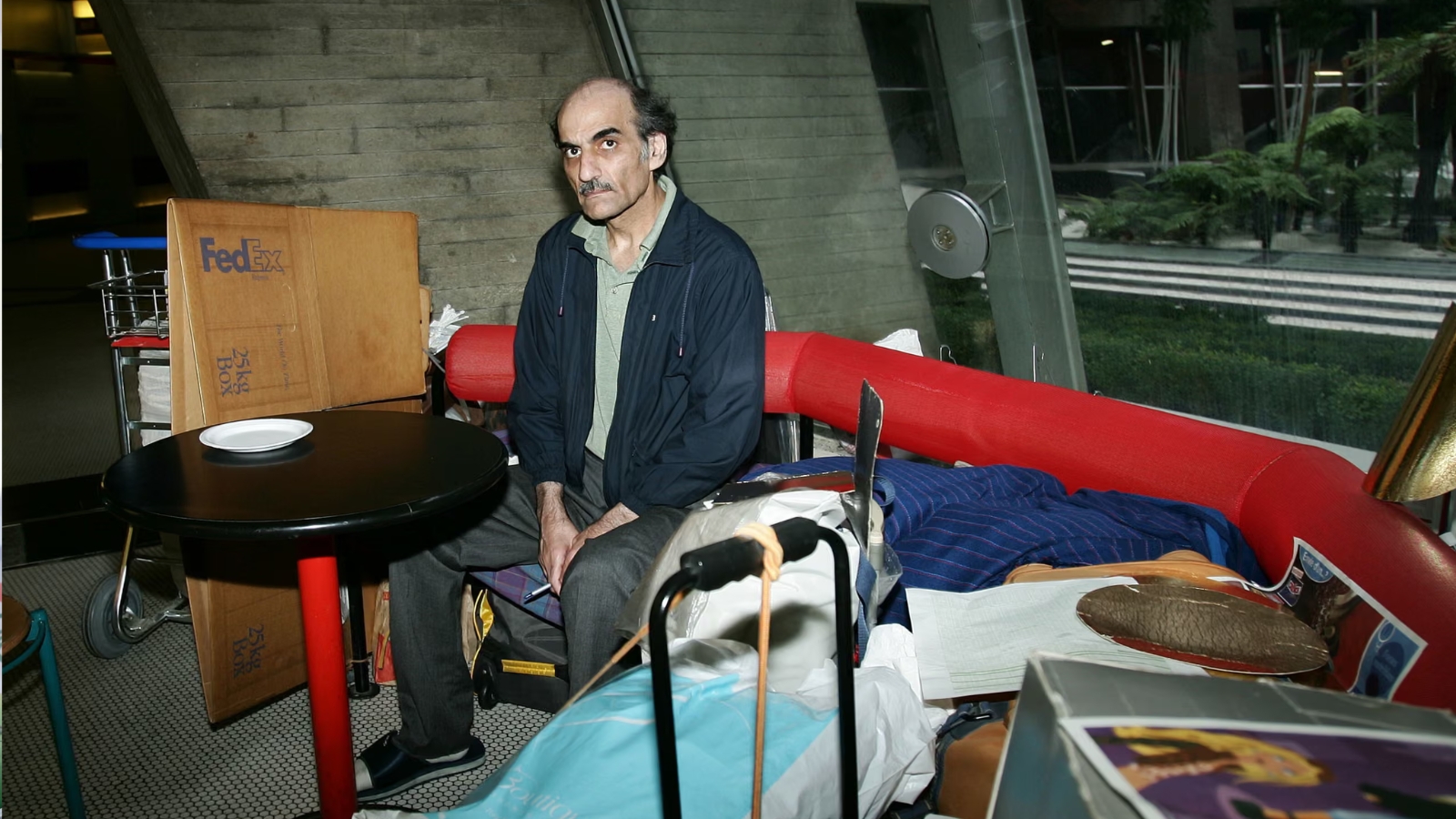
The missing refugee who disappeared at the passenger station
The story begins in 1988. Nasseri was an Iranian refugee who was expelled from Iran for protesting against the Shah. He wandered around Europe seeking asylum until he claimed that his bag containing all of his identity papers was stolen on a train in Paris.
Without documents, he was unable to prove his identity. France was unable to deport him, but it also did not allow him to enter the country. He was, in every sense of the word, a man who belonged nowhere. The only place the French authorities could legally allow him to stay? The international transit area of Terminal 1 of Charles de Gaulle Airport.
Thus, Nasseri put his life on hold on a red plastic seat, and never checked in for the flight again.
McDonald’s, Mercy, and a Little Empire of Red Seats

This is where it gets almost poetic. Not only did Nasseri survive, he built an eccentric career inside one of the world’s busiest airports.
His daily routine: wake up on the bench, shower in the men’s room, and eat breakfast from McDonald’s in the lobby. Airport staff loved it. They brought him food, newspapers and small gifts. The cleaners helped him keep his corner tidy. He has become a familiar ghost, as much a part of the airport as the departure boards.
Passengers started leaving him spare parts and clothes. Soon he had a mountain of luggage filled with T-shirts, books and letters donated from curious strangers from all over the world. He wrote in his diary for hours each day, documenting the surreal passage of time.
From crazy to movie star (without moving an inch)
As the years passed, global media arrived. Nazarene was front-page material. Tourists were actively searching for the “Airport Man.” They brought him a guitar, a portable television, and a library of books. He became a celebrity in prison.
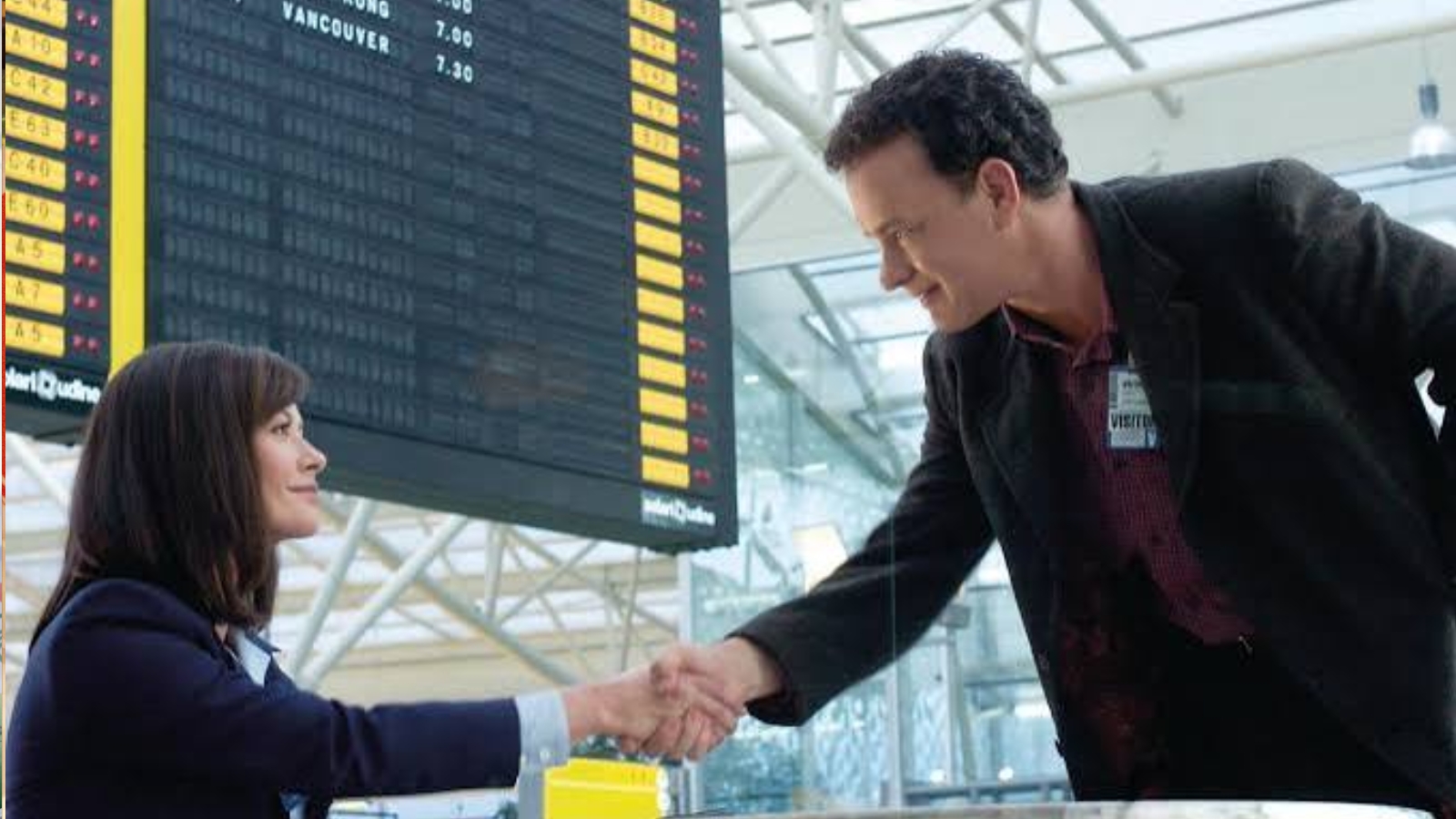
Then came Hollywood. Steven Spielberg’s studio DreamWorks reportedly paid him a six-figure sum for the rights to his life story, which became the 2004 film The Terminal, starring Tom Hanks. Except Hanks’ character, Viktor Navorski, is a likable Eastern European caught up in a coup in his fictional homeland. Nassiri’s reality was darker, lonelier, and completely resistant to a precise solution.
The sad and strange final act
In 2006, after eighteen summers and winters under the terminal’s glass roof, Nasseri finally left the airport. He was hospitalized for an unspecified illness and later moved to a homeless shelter in Paris. For the first time in decades, it had a ceiling that was not part of public infrastructure.
But the airport became his home. In a final and heartbreaking development, just weeks before his death in November 2022, Nasseri returned to Charles de Gaulle Airport. He died in an airport lounge, surrounded by the same harsh fluorescent light that had been his sun and moon for most of his adult life.
Why can’t you look away?
Nasiri’s story draws us in because it lies at the crossroads of tragedy and absurdity. One bag missing, a life in limbo. It’s a dark reminder of how fragile our sense of belonging is. It raises an uncomfortable question: How long before the transit lounge feels like home?
Next time you’re stuck at an airport, look at that empty row of seats near the charging station. Think of the man who turned a bench into a bed, a dining hall into a kitchen, and a PA system into an alarm clock for 6,570 consecutive days.
Will it last 18 years? Tell us in the comments – or better yet, share this story with someone complaining about a two-hour delay.
About the author

Anushito Banerjee is a digital journalist at CNN-News18, specializing in Indian foreign policy, global diplomacy, geopolitics of South and West Asia, and strategic affairs. His reports cover difficult news…Read more
Read more