


Latest update:
Forget weather apps for a moment. In parts of Madhya Pradesh, farmers believe that bird eggs can reveal how the monsoon blows each year!




Chicks hatch from lapwing eggs (local 18)
While cities like Mumbai wait for the monsoon to regain momentum and Delhi faces storms and changing weather patterns, many across India are turning to weather apps and IMD updates to get the latest forecasts. But in the villages of Madhya Pradesh’s Vindhya district, some farmers are still looking forward to an unexpected predictor: a small, ground-dwelling bird known as a lapwing.
For generations, communities in the region have relied on the nesting habits of birds and their eggs to predict the upcoming monsoon. While modern meteorology relies on satellites, radar and complex climate models, this centuries-old tradition is rooted in careful observation of nature.
How can a bird predict rain?
According to local belief, lapwing eggs provide clues about the intensity and pattern of the rainy season. The bird usually lays four eggs, and village elders associate it with the four months of the monsoon. Each egg is believed to represent rainfall during a particular month.
Local farmer Anshuman Singh said Local18 This practice is not seen as a myth but as traditional environmental knowledge passed down through generations. According to him, past societies developed an understanding of natural signs through careful observation of the behavior of birds and animals over long periods.
The nesting place is also important
The location where the lapwing lays its eggs is as important as the eggs themselves. If the bird chooses a high bridge or other high place, villagers believe it indicates a season of heavy rains and possible flooding. The reason is that the bird instinctively chooses safer ground to protect its eggs from rising water levels.
On the other hand, eggs laid on low or flat ground are often interpreted as a sign of weaker monsoon conditions or below-average rainfall.
What eggs reveal
Local traditions also attach importance to the shape and orientation of the eggs. Villagers believe that if the pointed ends are facing down, heavy rain is likely. The direction in which the eggs are laid is also believed to indicate the path of the upcoming monsoon and the direction of the prevailing winds.
Although these methods are not part of scientific weather forecasting, they are still followed by many agricultural societies that have long relied on seasonal rainfall for agricultural purposes.
Get to know Abu Tait
The lapwing is a fast-moving bird, distinguished by its light brown and white plumage and a distinctive red mark near its eyes and beak. Their breeding season generally extends from March to August, with egg laying peaking during the hot month of May. The eggs usually hatch within 28 to 30 days.
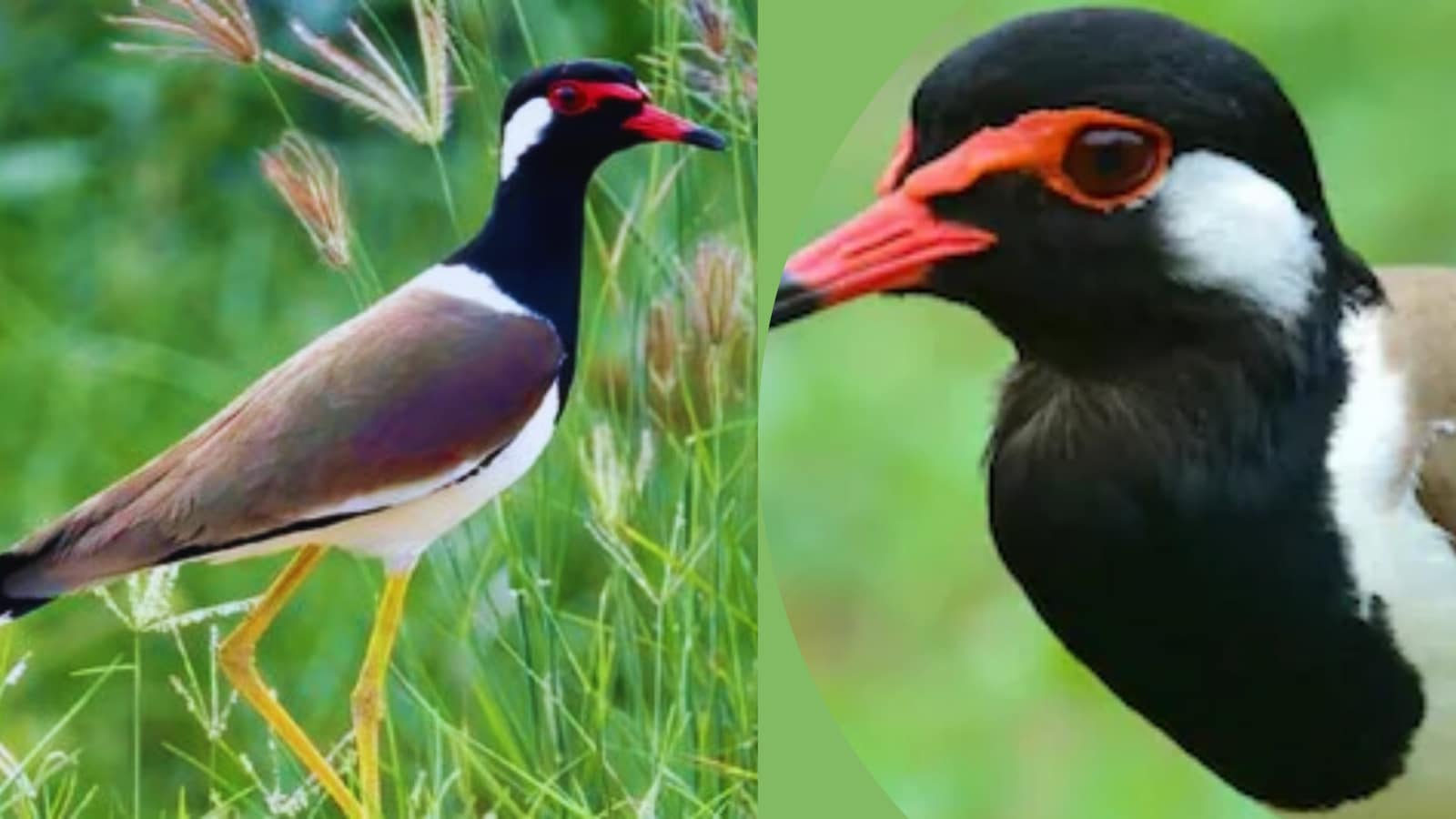
This bird is commonly found in Vindhya district, especially in Satna, Rewa, Siddhi, Singrauli and Panna districts, where it inhabits open fields, river banks and areas around ponds.
Interestingly, lapwings do not build traditional nests. Instead, they lay their eggs directly on the ground among stones and gravel, making them difficult to see. During the nesting season, the birds become extremely protective and have been known to emit loud alarm calls whenever anyone approaches their eggs.
A tradition that lives on
As weather patterns become increasingly unpredictable and climate change impacts rainfall across India, many rural communities continue to value traditional knowledge alongside modern forecasts, and the lapwing remains an enduring symbol of how people have long tried to understand nature’s signals.
While meteorologists rely on sophisticated technology to forecast the weather, in parts of the Vindhya region, the arrival of the monsoon is still read in part from the eggs of a small bird that has shared the landscape with local communities for centuries.
Madhya Pradesh, India, India
Read more