
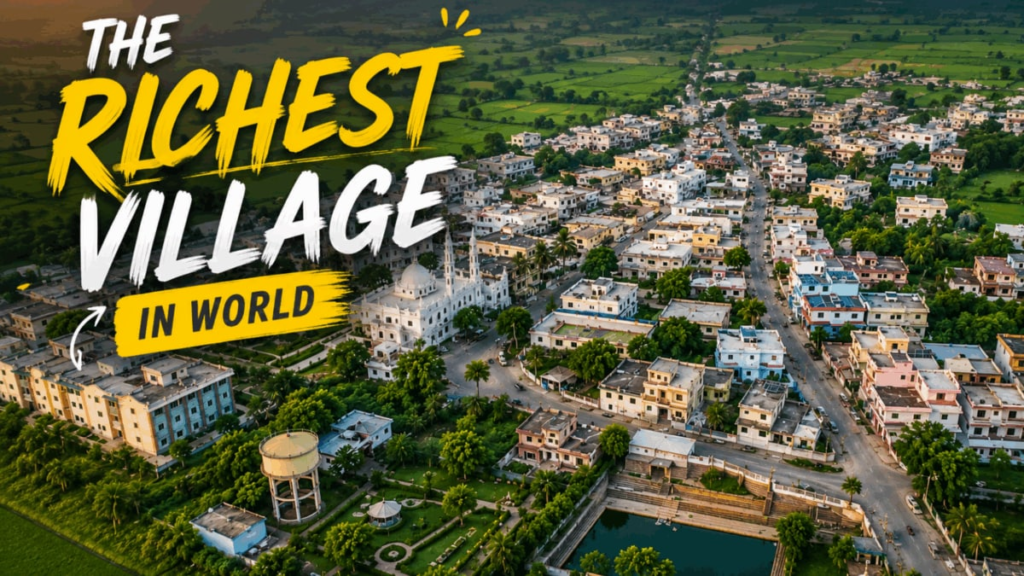
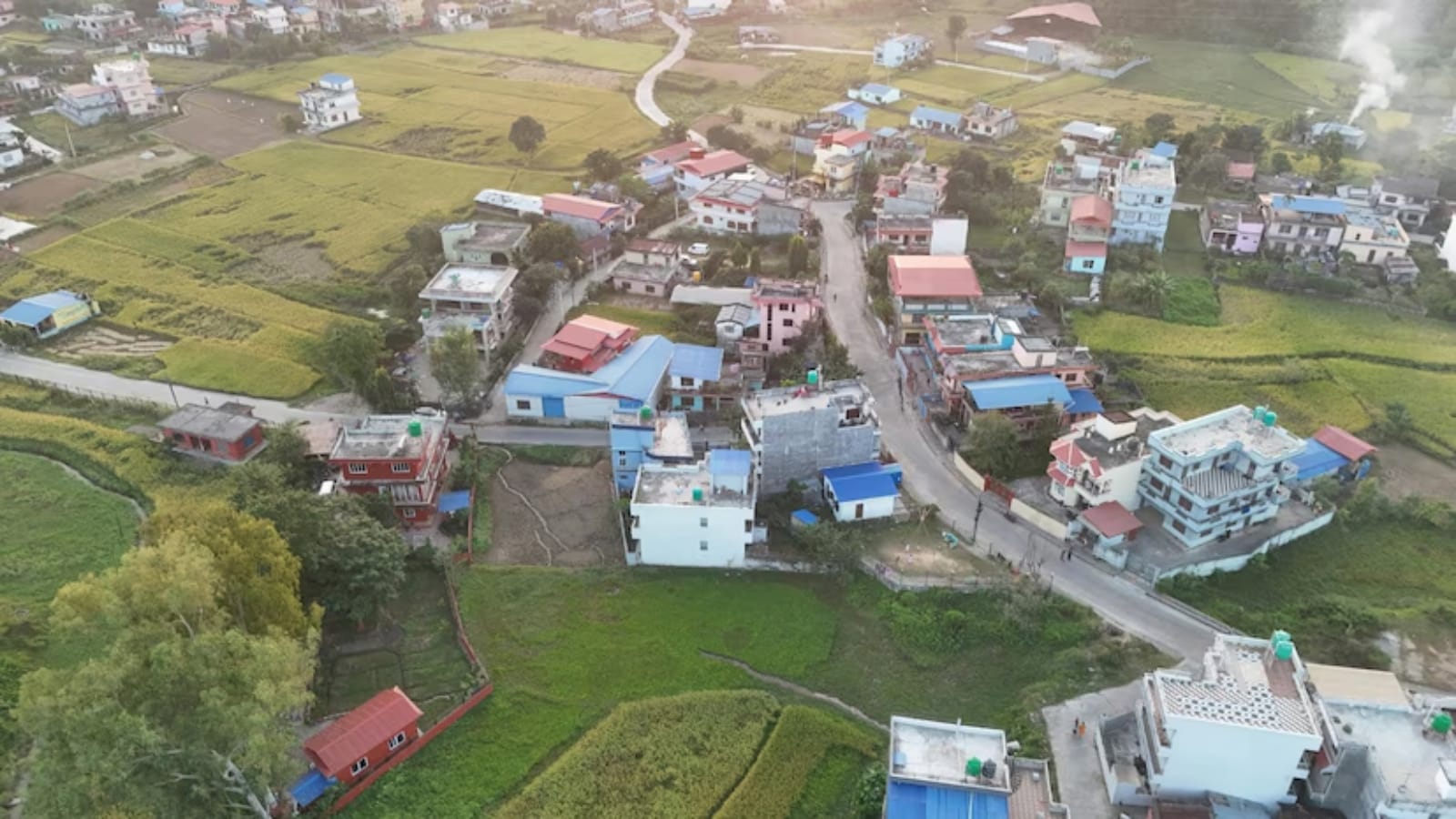
When you think of a village, images of unpaved roads and modest houses may come to mind. But Madhapar, in Gujarat’s Kutch district, tells a very different story. Home to around 7,600 families, the village has 17 bank branches, with residents collectively holding more than Rs 5,000 crore in deposits. Reports also indicate that, on an average, each resident has around INR 15 lakh in their bank account.

Much of Madhapar’s success is thanks to its strong global community. A large number of villagers have settled in the United Kingdom, the United States, Canada, Africa and the Gulf countries, where they have built successful careers and businesses. Despite living abroad, many continue to invest in their hometown, contributing to education, healthcare, infrastructure and overall development.
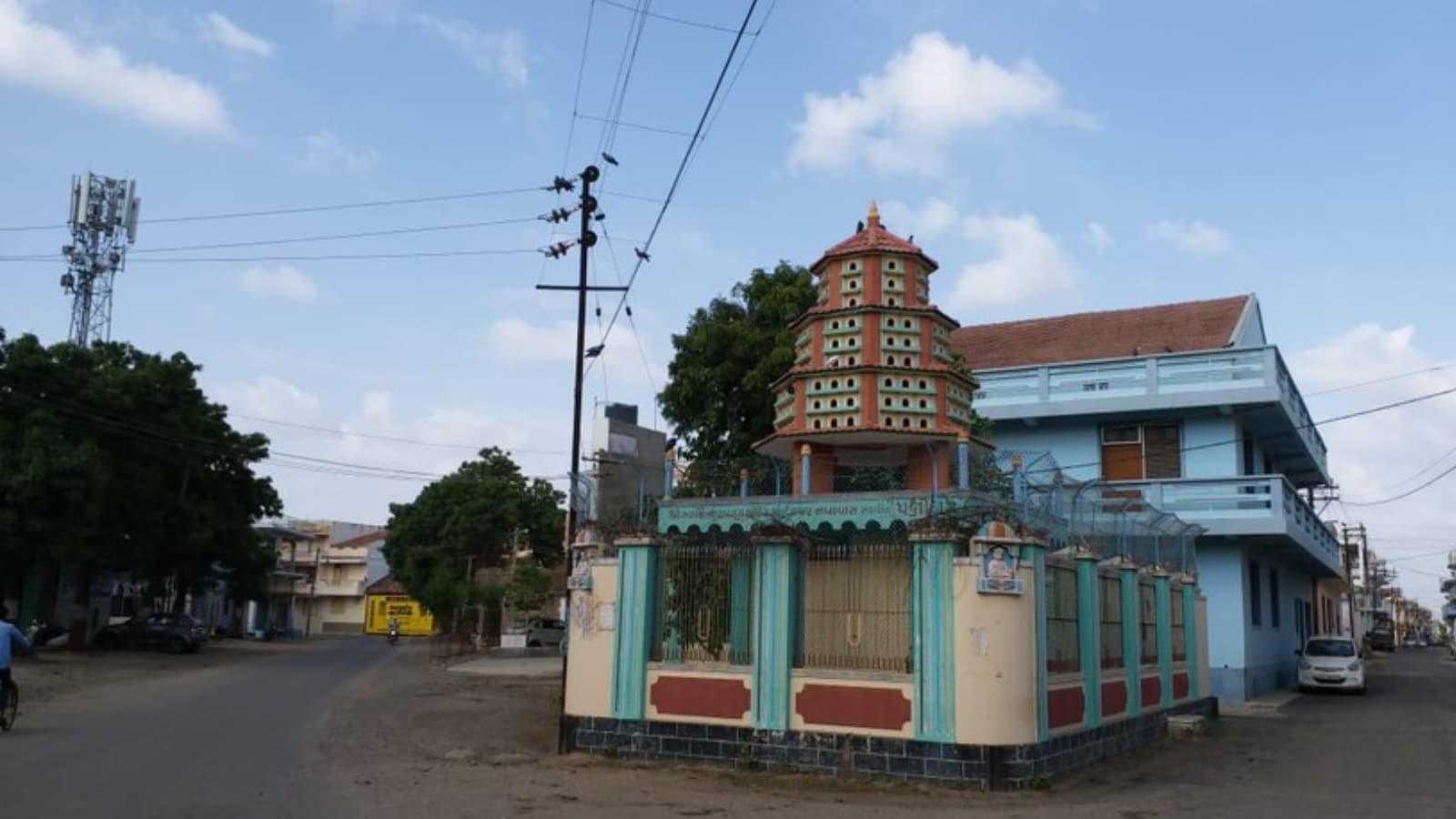
The Madhapar Village Association, founded in London in 1968, continues to strengthen ties between the village and its community abroad. The association also runs an office in Madhapar, to help manage community affairs and development projects while ensuring that NRIs remain closely connected to their roots.
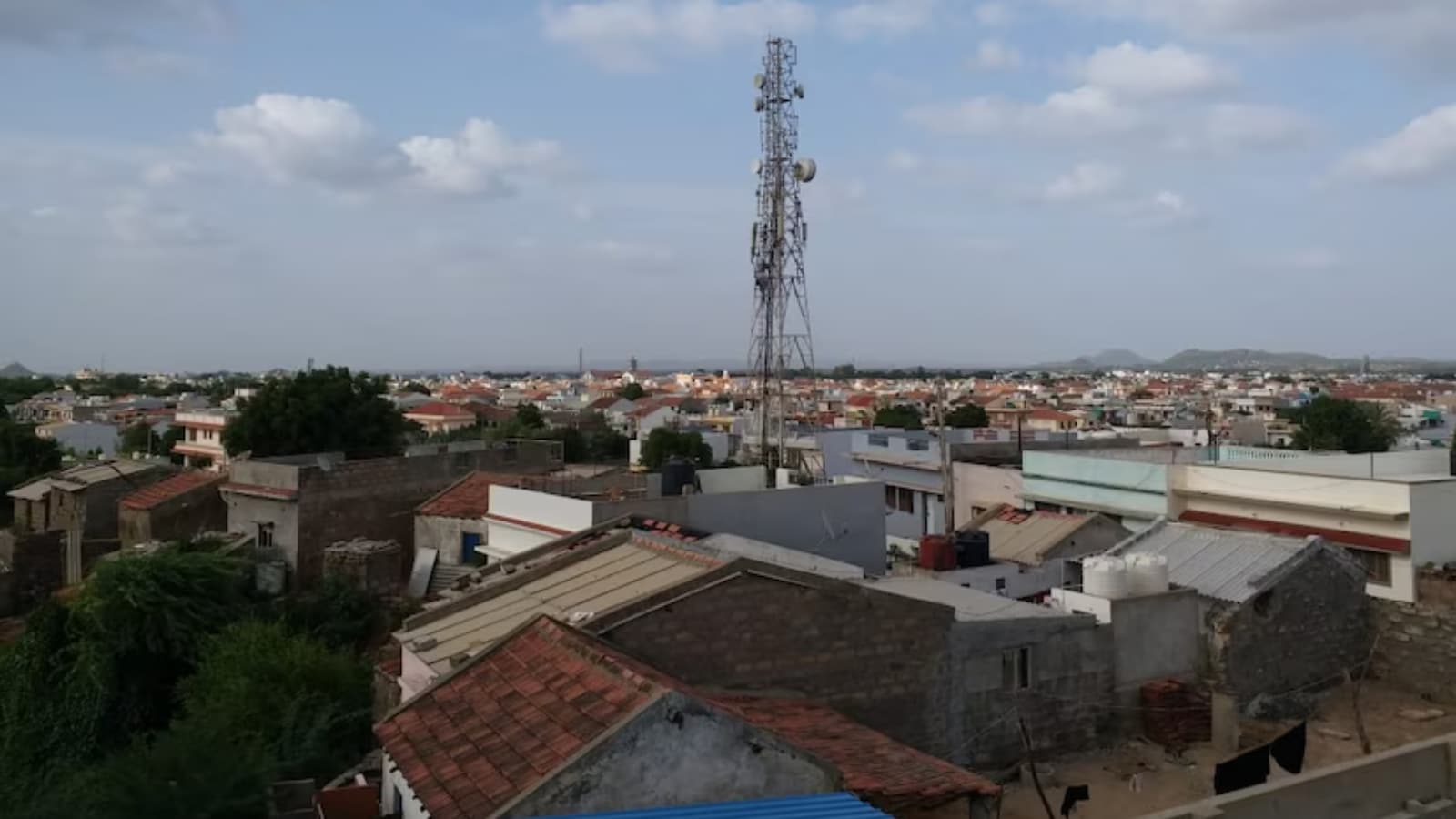
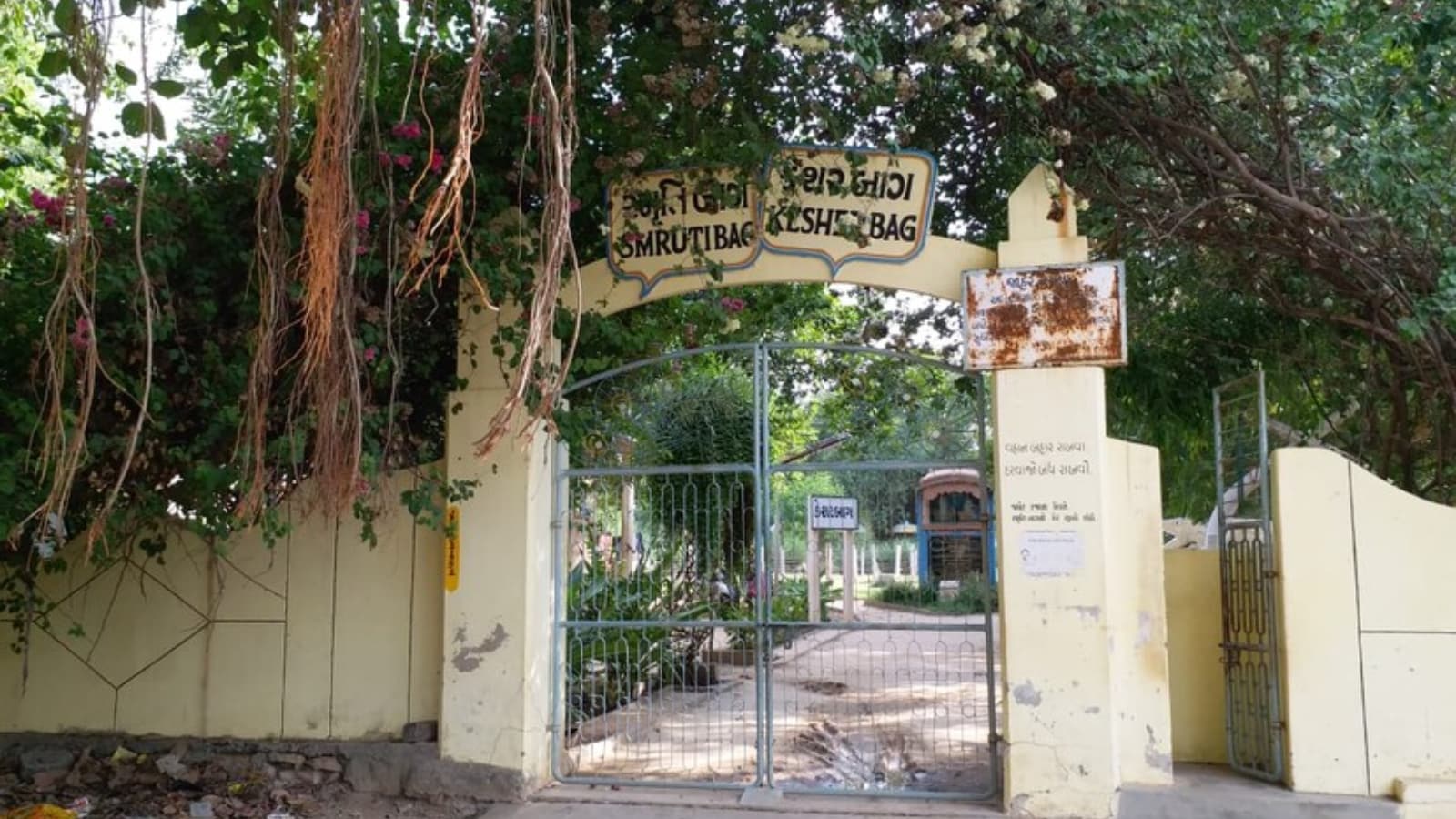
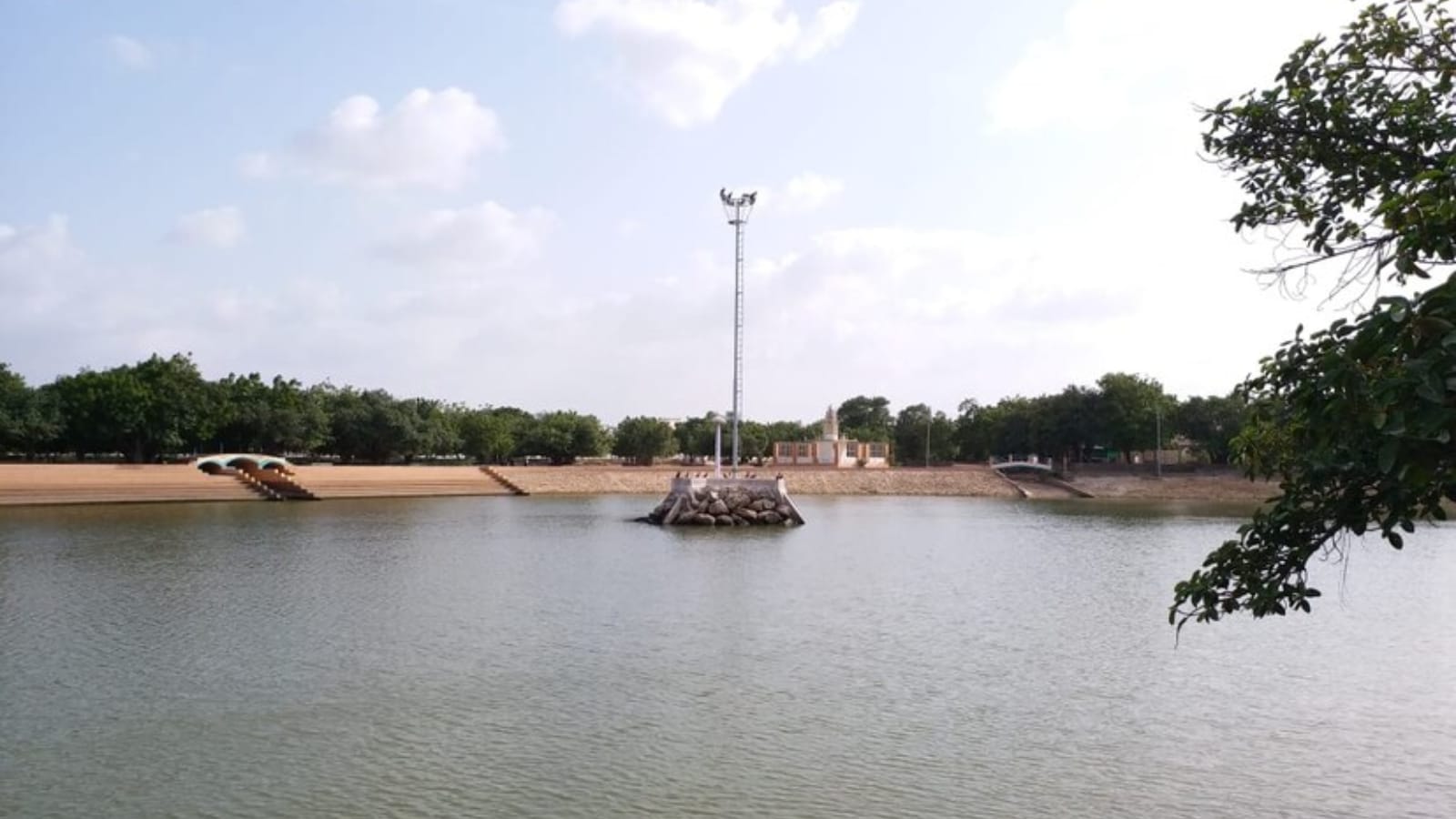
Madhabar’s prosperity is reflected not only in its bank balances but also in its infrastructure. The village is equipped with schools, colleges, healthcare centres, parks, lakes and dams. It also contains a modern cowshed, highlighting how rural development and community well-being advance alongside economic growth.
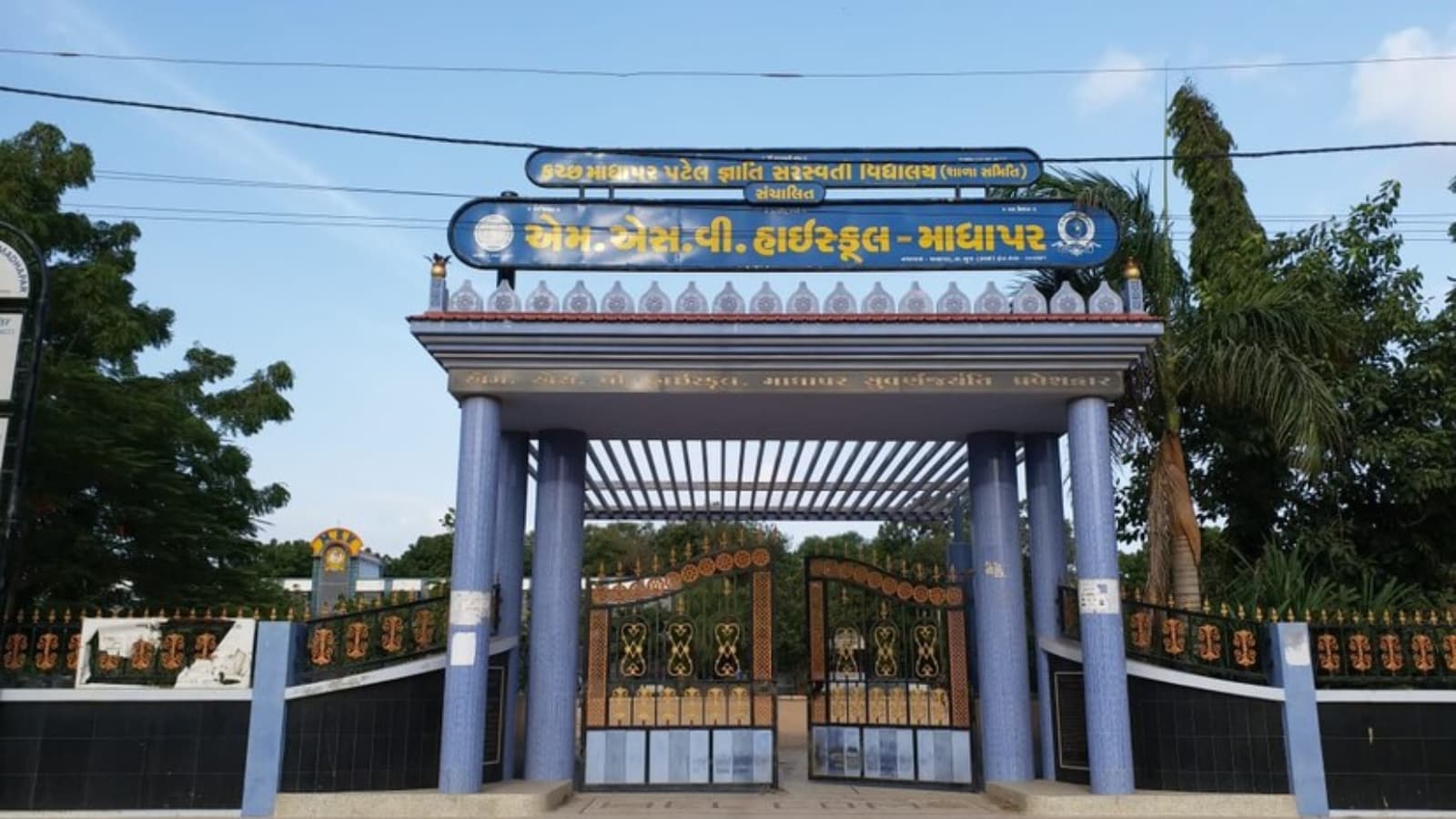
Madhapar was founded in the 12th century by the Mistry community of Kutch, famous for building temples and historical monuments. Over the centuries, people from different communities have settled here, enriching its cultural heritage. Today, the village stands as an example of how tradition and modern development can grow together.
Madhabar has a population of about 80,000 and has a large presence abroad. Reports indicate that approximately 65% of the families belong to the Non-Resident Indian (NRI) community. Many residents live in Britain, the United States, Africa and the Gulf countries, and maintain strong economic and emotional ties to the village.
Agriculture remains an important part of Madhabar’s economy, with produce supplied to major cities, including Mumbai. Combined with a strong NRI network, modern amenities and rich cultural identity, the village has become a fine example of rural prosperity while remaining strongly connected to its roots.