

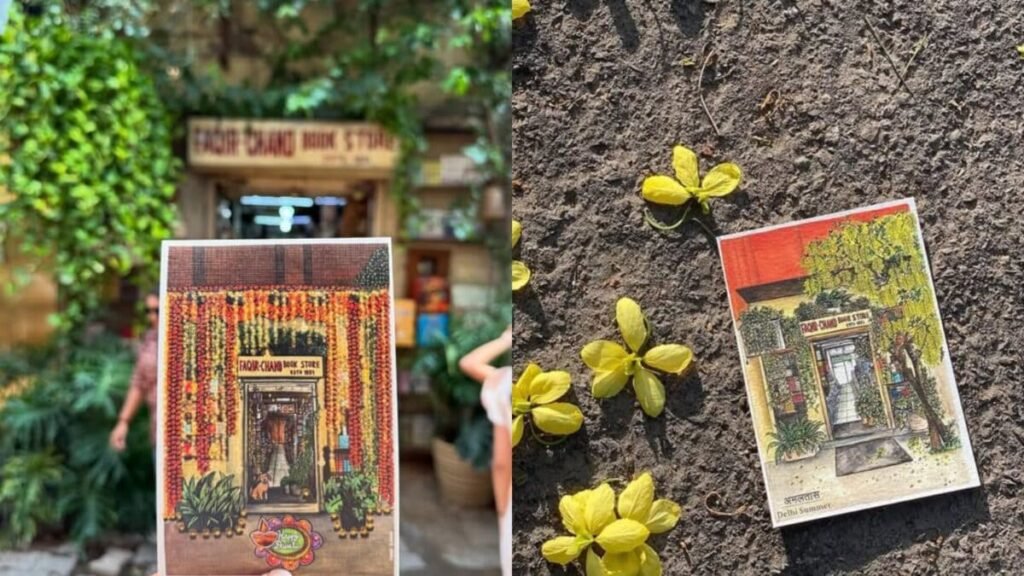
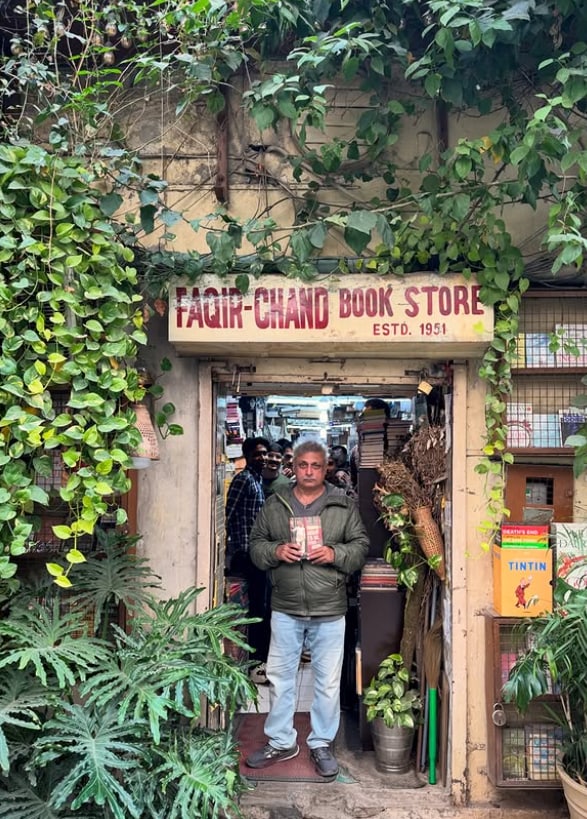
Hidden among the cafés, luxury boutiques and crowds of Khan Market lies a bookshop untouched by time. With full shelves, the smell of old paper and customers browsing lazily for hours, Faqir Chand Bookshop is more than just a shop – it is one of the last remaining literary havens in Delhi.
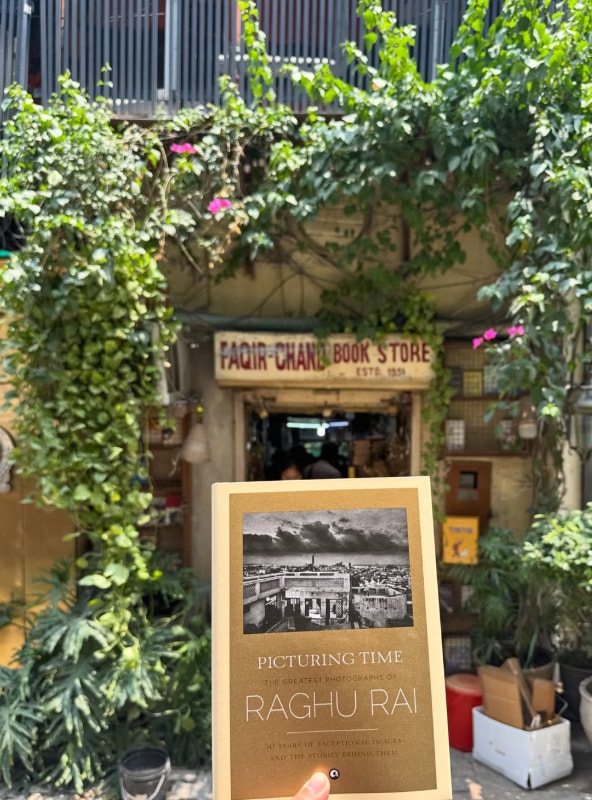
For generations of readers, writers, and wanderers, the bookstore has become as much about conversations and nostalgia as it is about books. Long before “aesthetic bookstores” became social media trends, Fakir Chand had already built a loyal community of readers who kept coming back to him for his warmth and charm.
The library’s story began in 1931 in Peshawar Cantonment, where founder Fakir Chand started the Oriental Book Library. But partition changed everything. As communal tensions rose, the family was forced to leave their home and move to Delhi, leaving behind the life they had built.
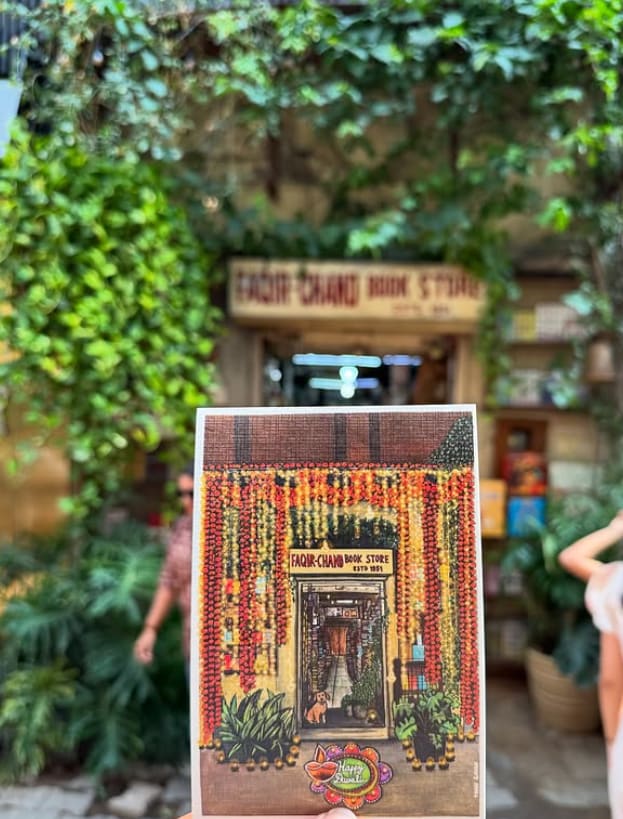
In 1951, after a shop in the newly established Khan Market was set aside for divided refugees, the family restarted the bookstore from scratch. Over the years, this small shop has slowly transformed into one of Delhi’s most iconic cultural landmarks.
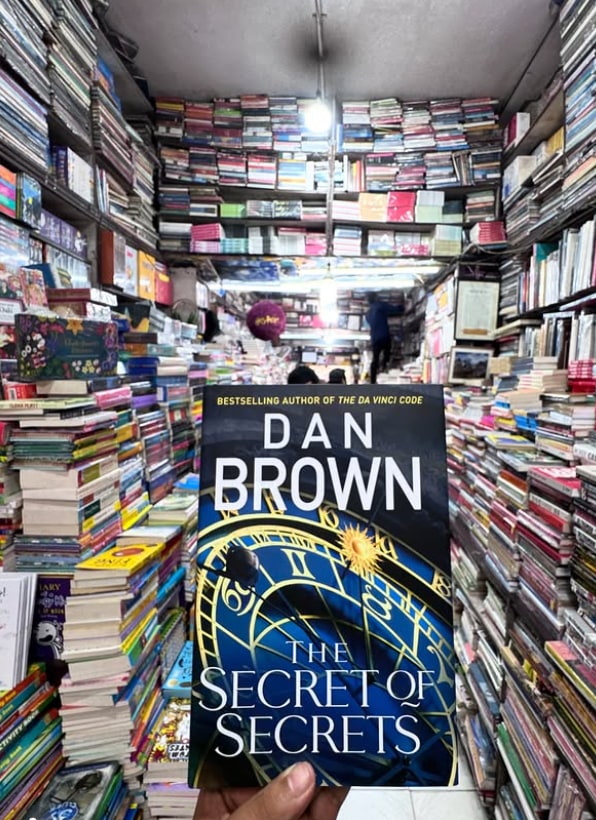
What makes the library special is how little it has changed. Unlike modern libraries organized by genres, Fakir Chand still embraces beautiful chaos. Books fall from crowded shelves, forgotten titles resurface unexpectedly, and customers often discover books they never looked for.
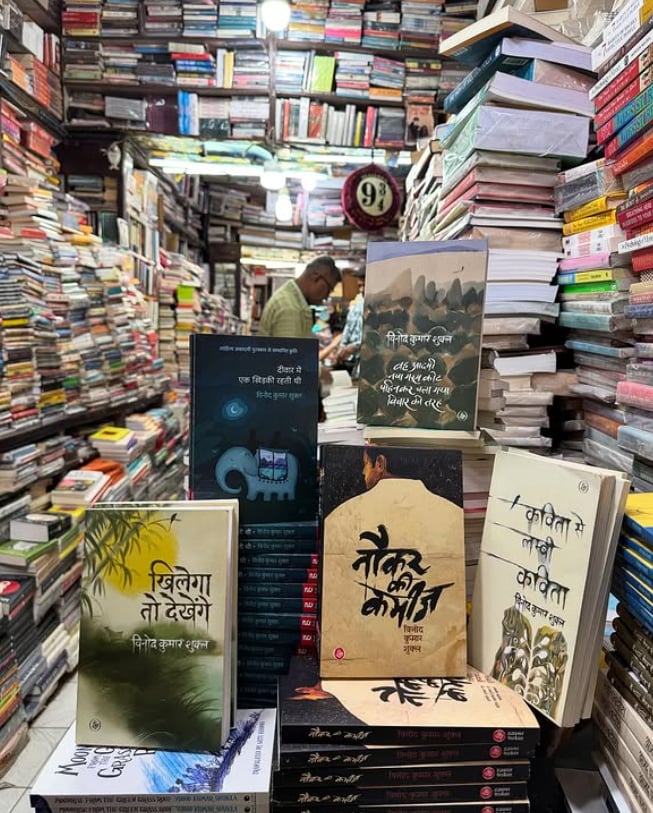
The family intentionally kept the store’s old “1951” feel. The furniture remains untouched, the shelves remain tightly packed, and the browsing experience remains slow and personal. It’s the kind of place where people lose their sense of time.
For decades, much of the store’s warmth came from attorney Anup Bamhi, who passed away earlier this year from a heart attack. Along with his wife Mamta, granddaughter of founder Faqir Chand, Bamhi has become an integral part of the library’s identity. Customers remember that he would greet visitors warmly from behind the small desk inside the store.
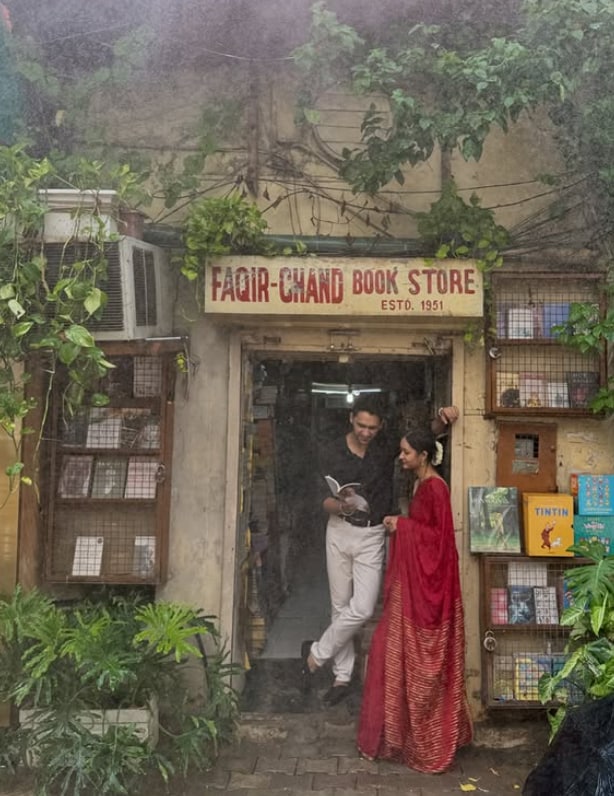
Today, the fourth generation of the family continues the legacy through Abhinav Bamhi. Having grown up surrounded by books and later studying English literature, he now spends his days in the store interacting with readers, recommending titles and continuing a tradition built on human connection.
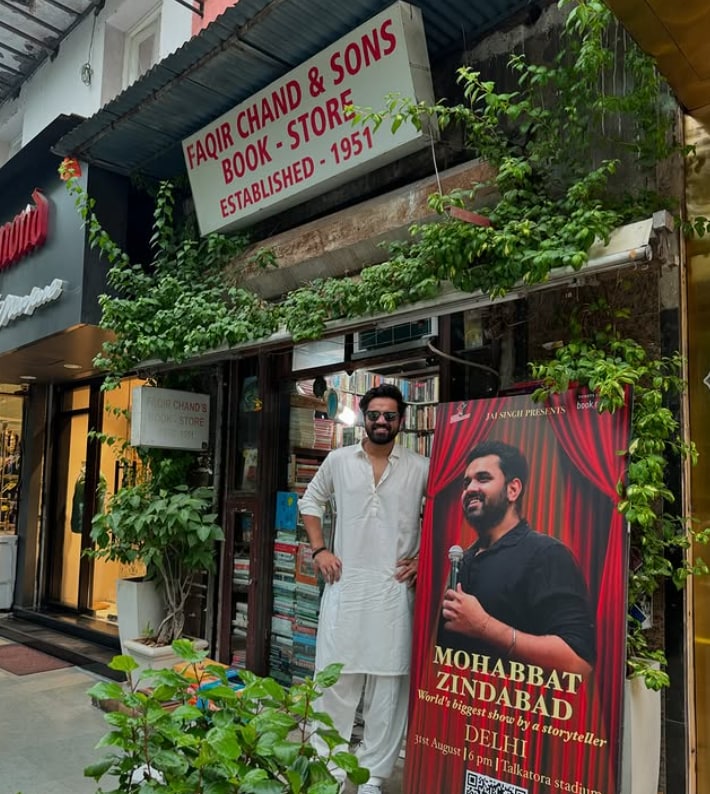
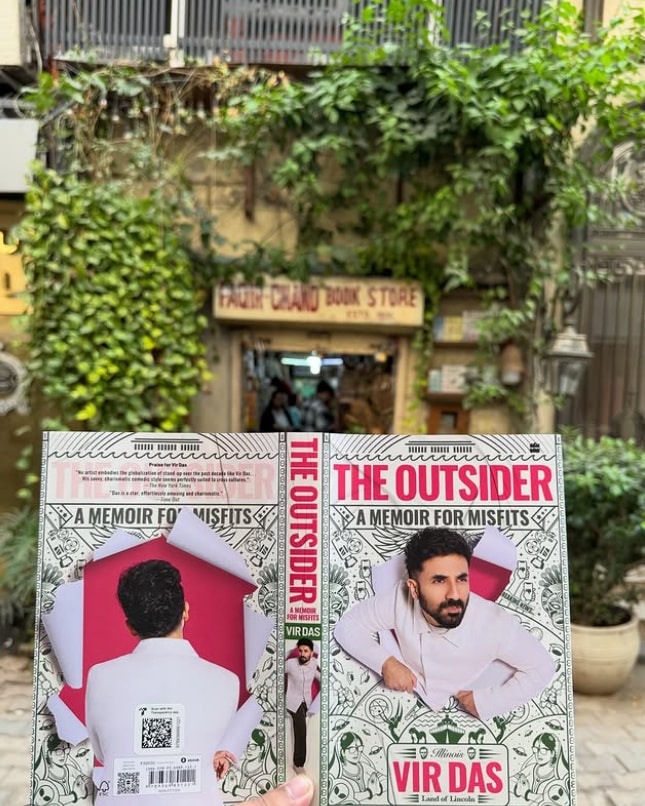
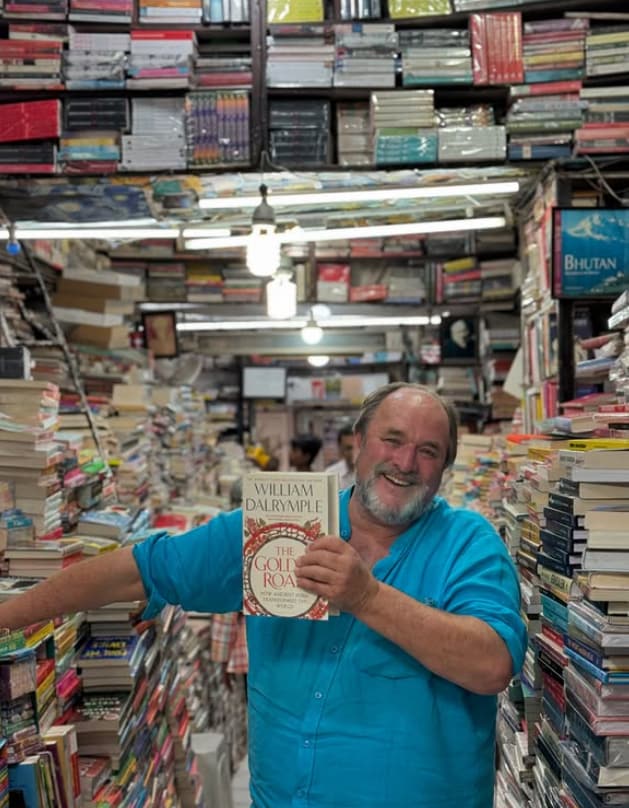
Over time, the library also became a cultural landmark beyond literary circles. Its vintage interiors and endless shelves have turned it into one of Delhi’s favorite Instagram spots. The store’s social media pages frequently feature visitors including singer-songwriter Piyush Mishra, historian William Dalrymple, Kapil Sibal and Smriti Irani.
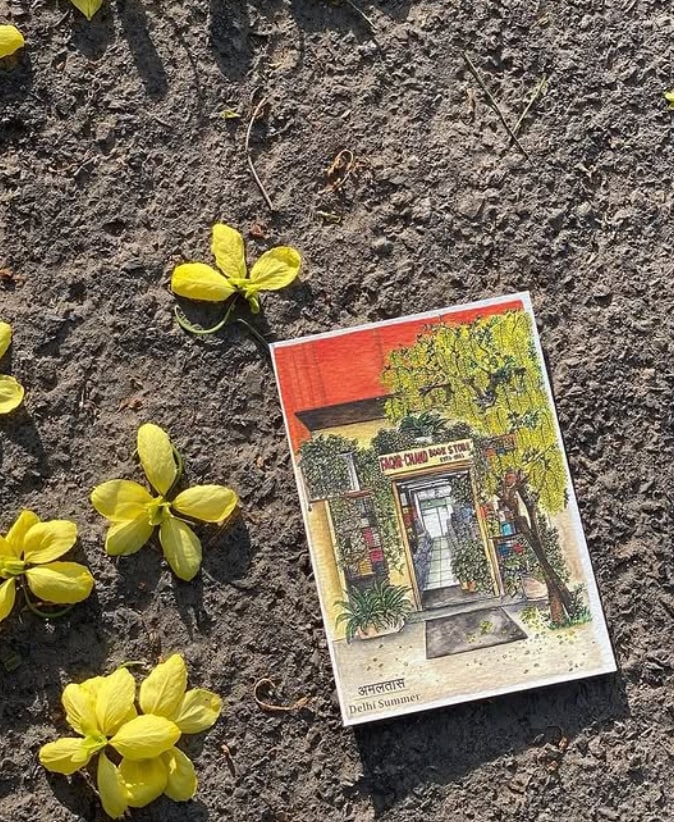
Perhaps this is why Fakir Chand still feels charmed in an increasingly fast-moving city. Amidst the chic cafes and luxury shops of Khan Market, the bookstore looks like an old grandfather quietly watching Delhi develop around him. It has survived Partition, generational changes, and the rise of online shopping – all without losing its soul.