Sonam Wangchuk hunger strike: Social activist Sonam Wangchuk’s indefinite hunger strike at Delhi’s Jantar Mantar entered its 19th day on Thursday, raising health concerns. Wangchuk lost around nine kilograms during the strike he launched to demand reforms to India’s examination system in the wake of the NEET-UG 2026 controversy. Doctors have now reportedly warned that he has entered a critical phase, prompting his supporters to urge him to end his fast. The growing concern has revived memories of 2018, when environmentalist G D Agrawal tragically died fighting to save the Ganges.
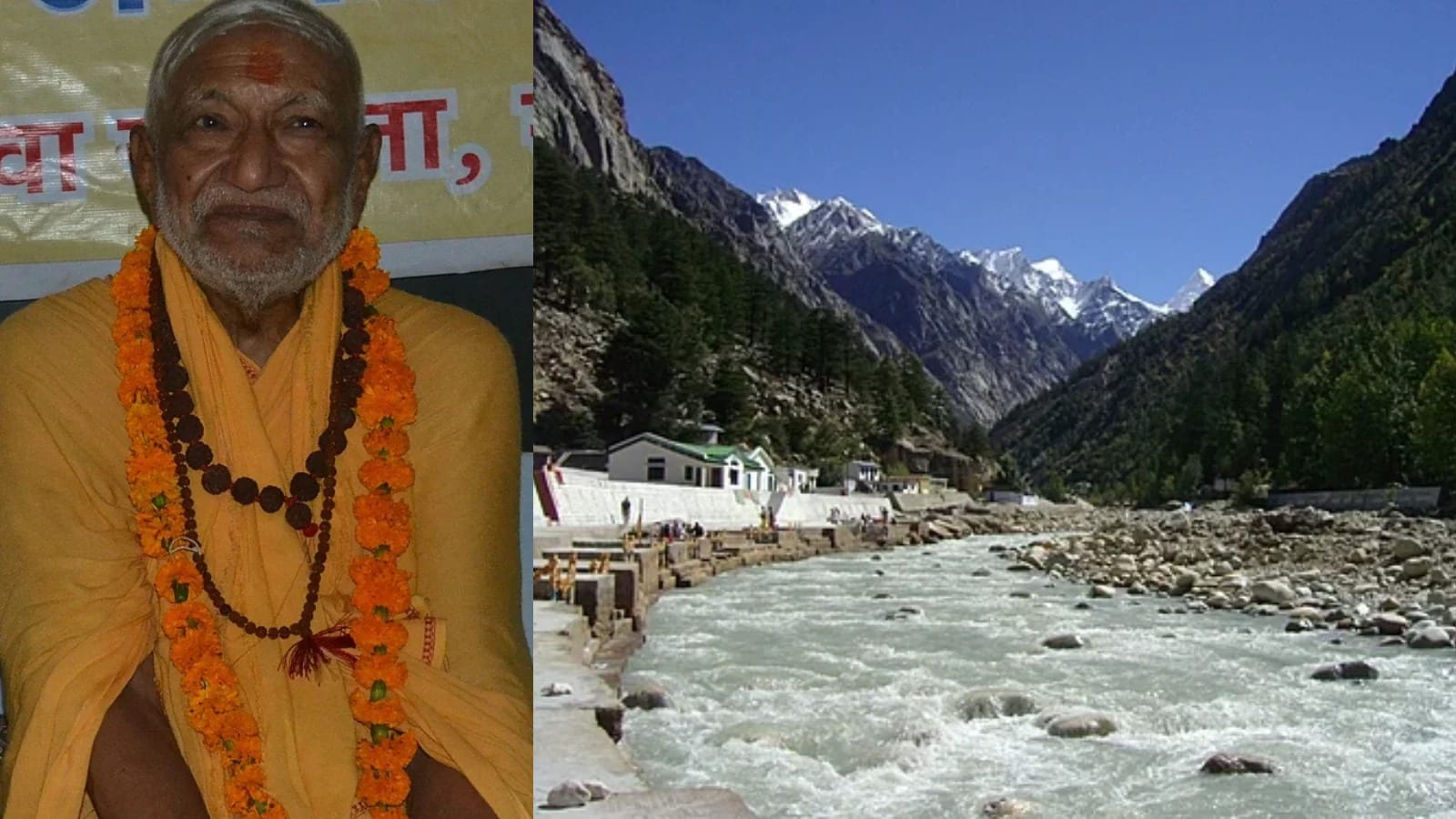
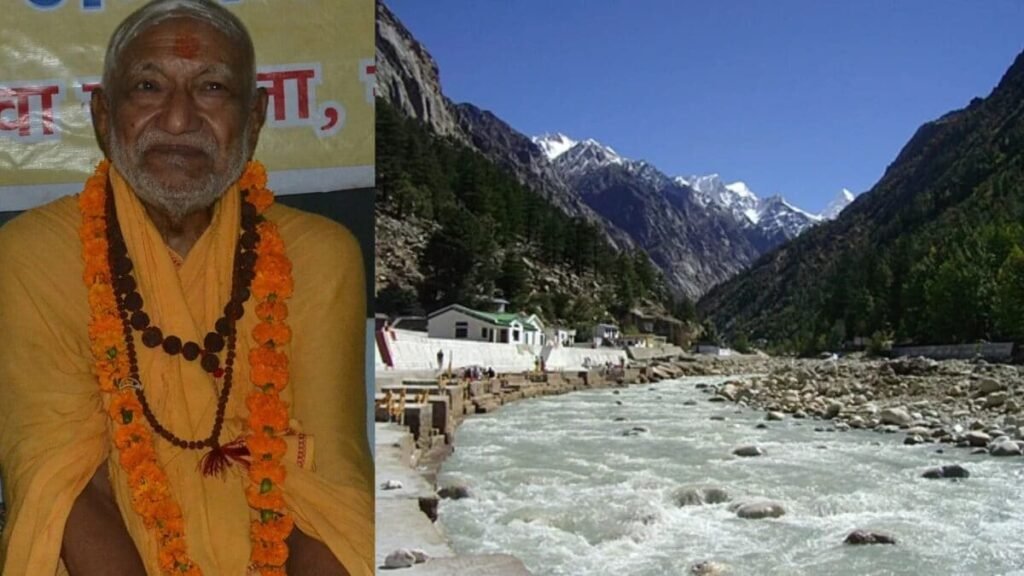
G D Agrawal was an environmental activist and former professor at the Indian Institute of Technology who became a fortuneteller known as Swami Gyan Swaroop Sanand. In 2018, the activist went on an open hunger strike that lasted about four months. His demand was for a clean Ganges River, which he believed was dying because governments had failed to protect it despite repeated promises. (file photo)
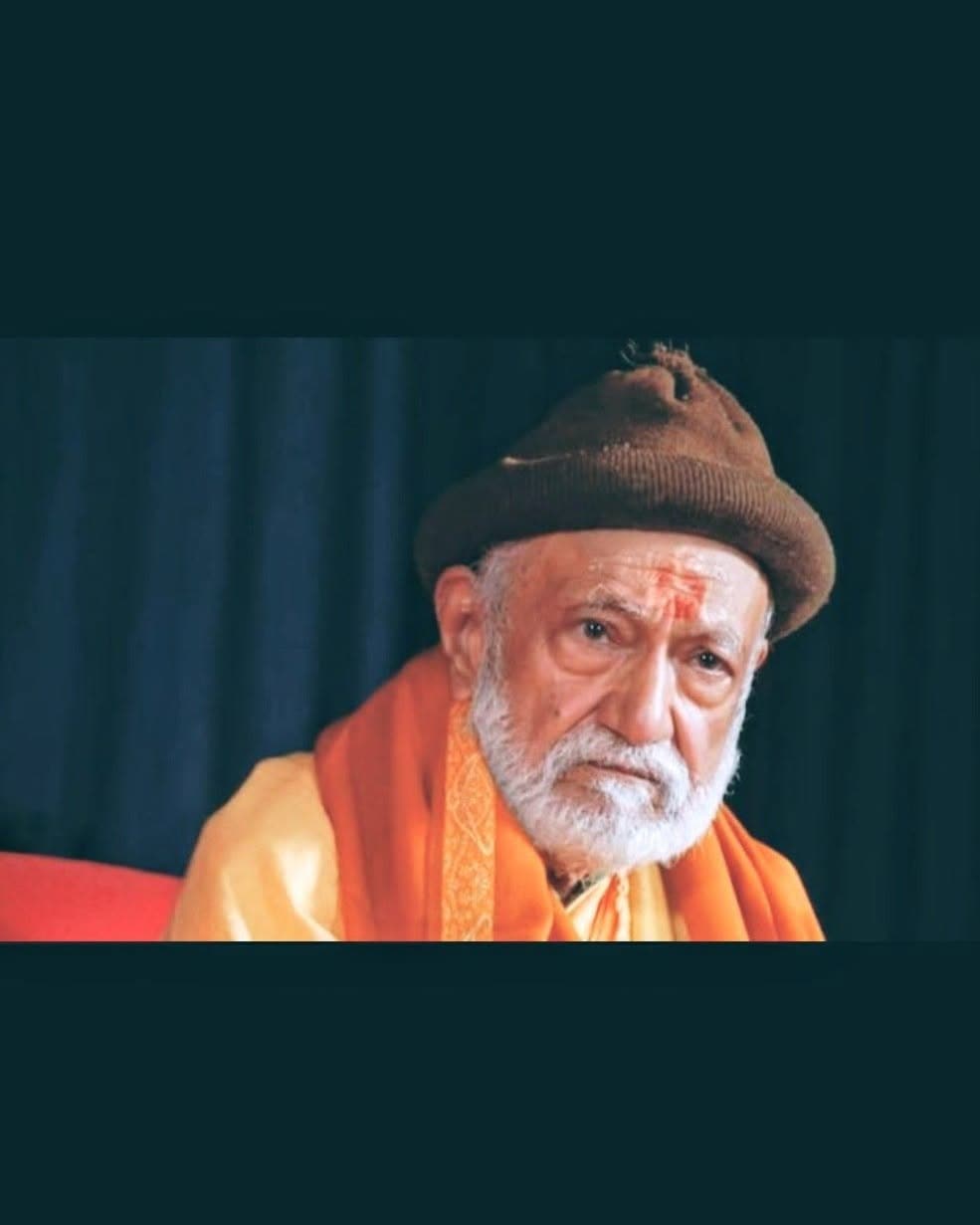
The activist spent 111 days on hunger strike, and is said to have been surviving only on wax mixed with water for several months. In the final stage of his protest, he stopped drinking water, saying that he would rather die than give up his demands. (Image: Instagram)
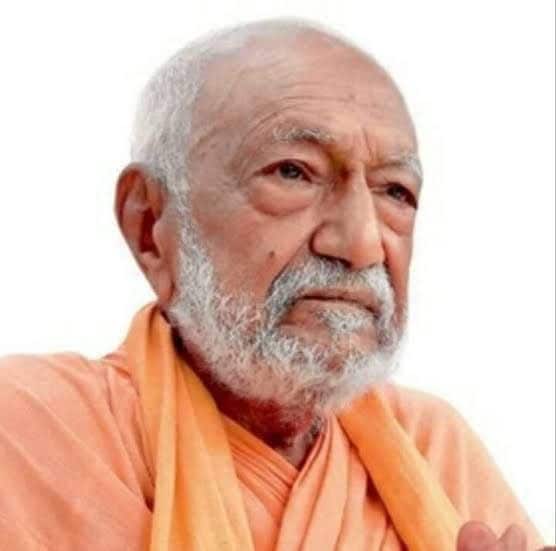
On October 11, the 112th day of his fast that began in June in protest against the government’s inadequate efforts to clean the Ganges, G D Agrawal, a well-known river activist, died of a heart attack at AIIMS, Rishikesh. He was 86 years old. (Image: Facebook)
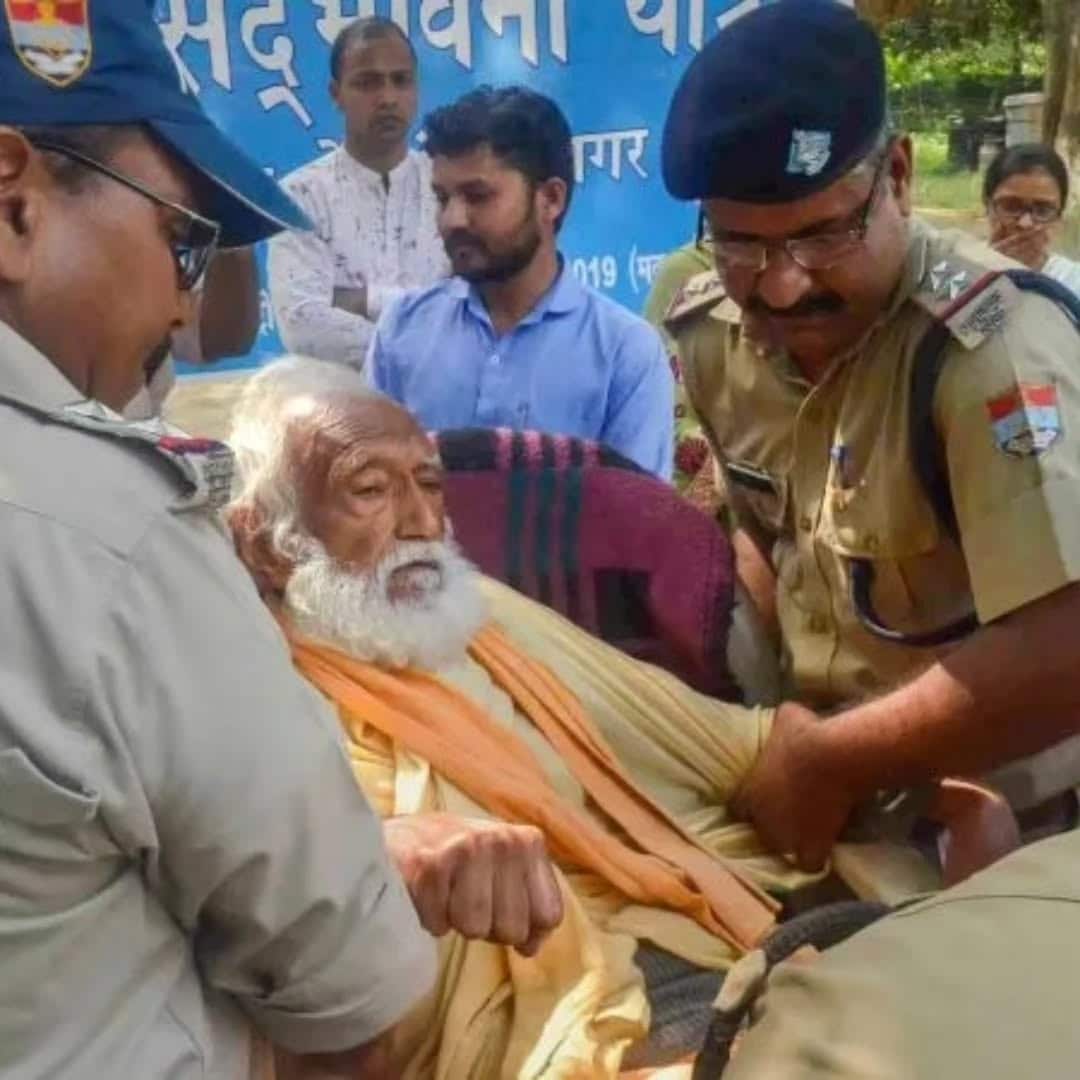
The activist has been vocal about not allowing hydropower projects in Uttarakhand along the Ganges, and expressed his disappointment towards the Central and Uttarakhand governments for not doing enough to protect the river. His fast was reportedly motivated by “unfulfilled” promises by Prime Minister Narendra Modi, who pledged to clean up the Ganges after winning the Varanasi seat. (Image: Instagram)
What are his latest demands?
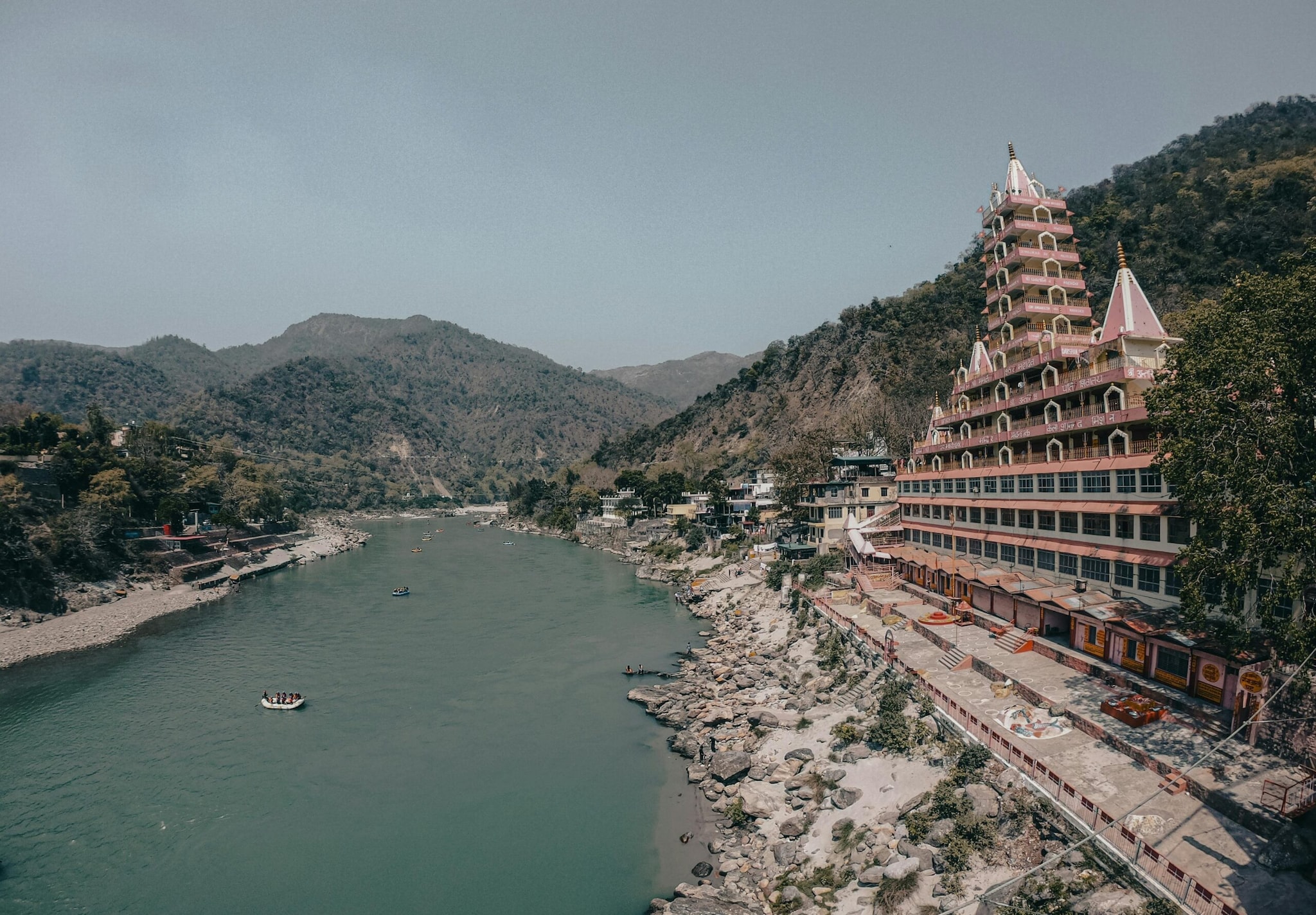
Bringing the Ganga into law was one of Agarwal’s major demands, as were instructions to give legal status to the Ganga Bhakti Parishad, which would have the supreme authority to decide on matters related to the river. He also sought a ban on all proposed dams on the upper reaches of the Ganges and on sand mining along the river. Throughout the protest, he continued to write letters and issue appeals, demanding tougher action against illegal mining, sand extraction, hydropower projects, and activities that disrupted the natural flow of the river. (representational image)
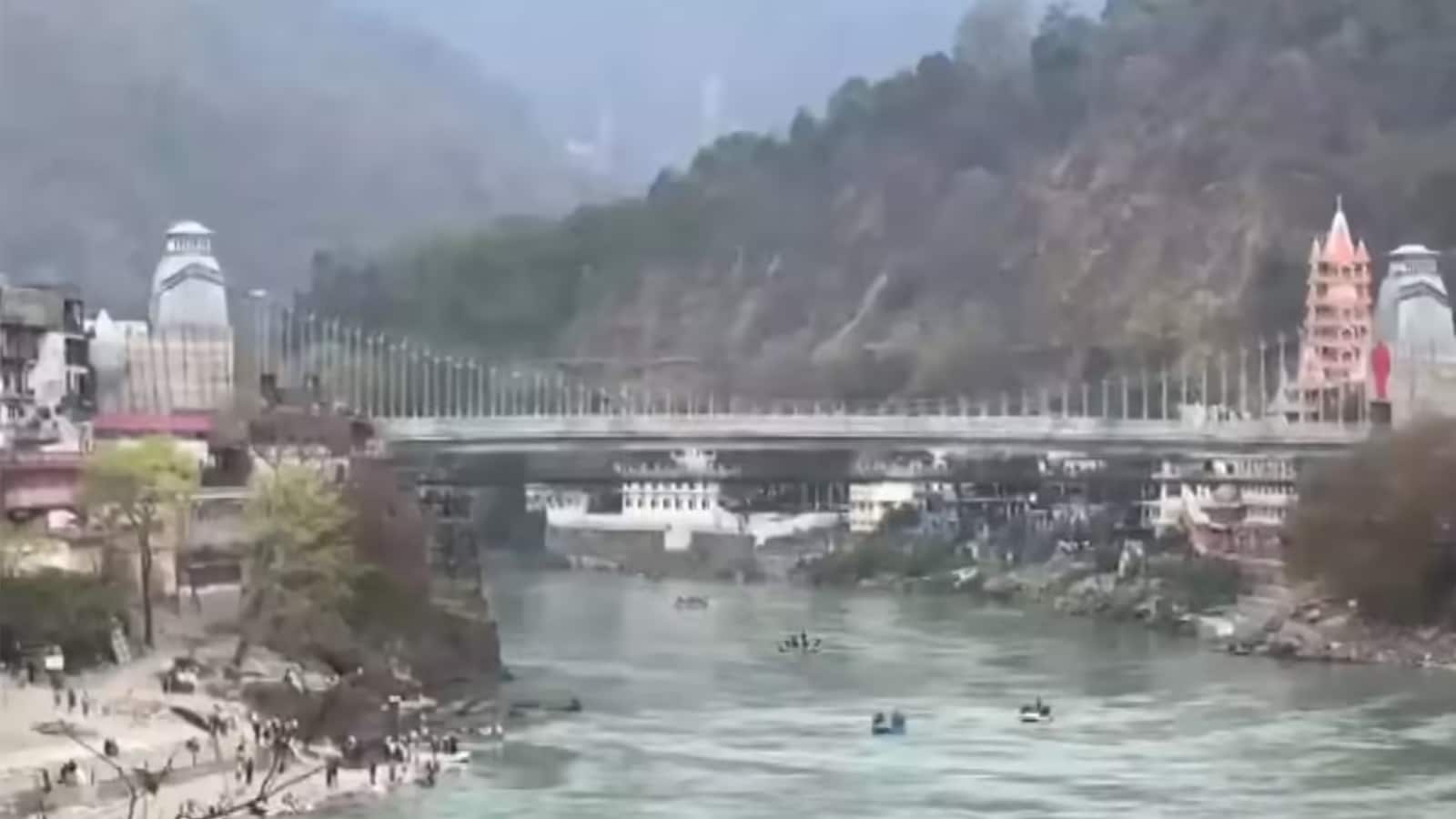
After his death, the government confirmed that it had made every effort to save him. Around the same period, it also notified the Minimum Environmental Flow Standards for the Ganges and continued work on the proposed Ganga Act. (representational image)