

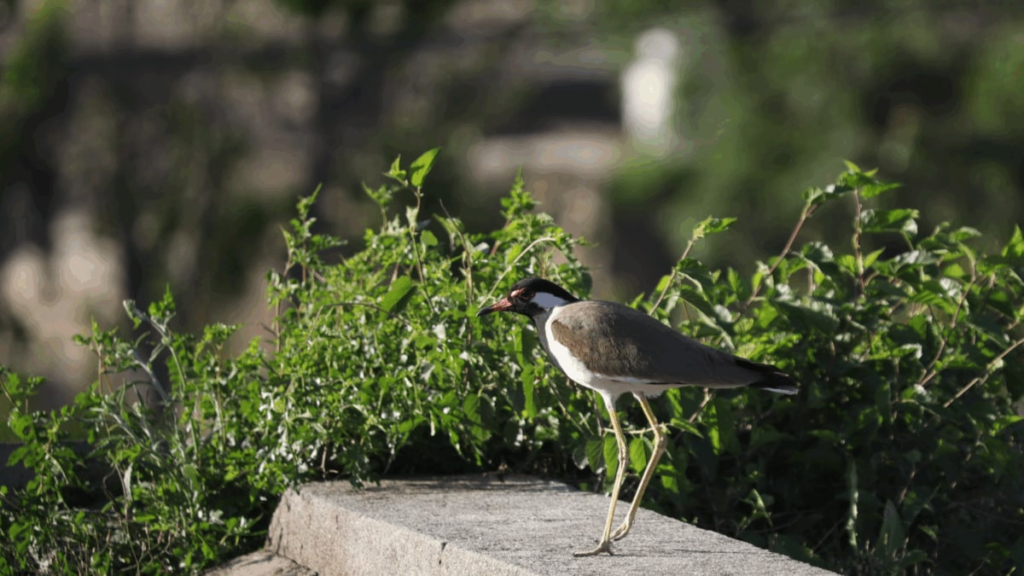
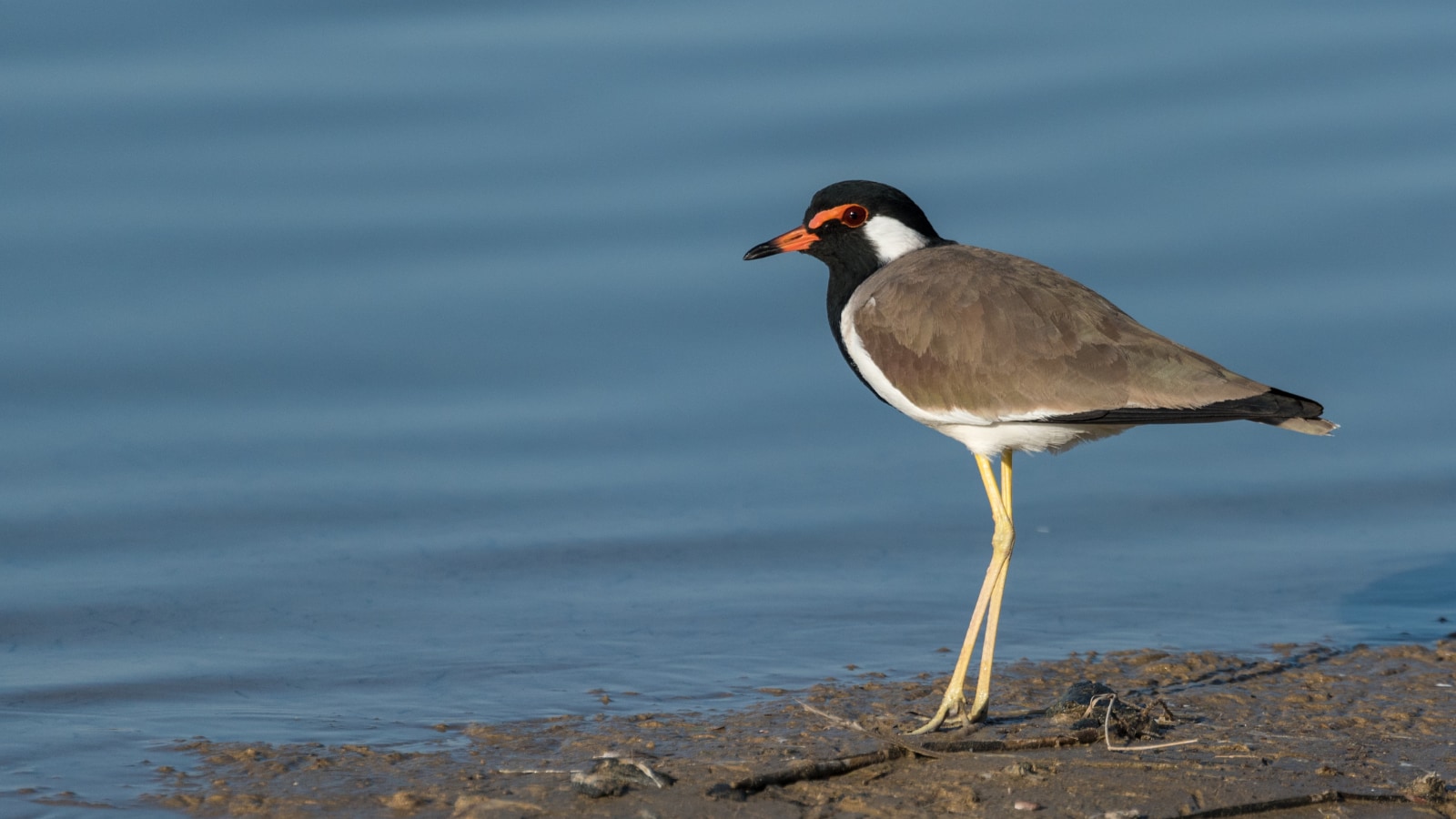
Come the monsoon season, one bird often becomes a topic of discussion in many rural communities: the titihari, also known as the lapwing. According to an Indian News18 report, long before modern weather forecasts, people believed that this bird could provide clues about the arrival and intensity of rainfall through its nesting and egg-laying behavior.
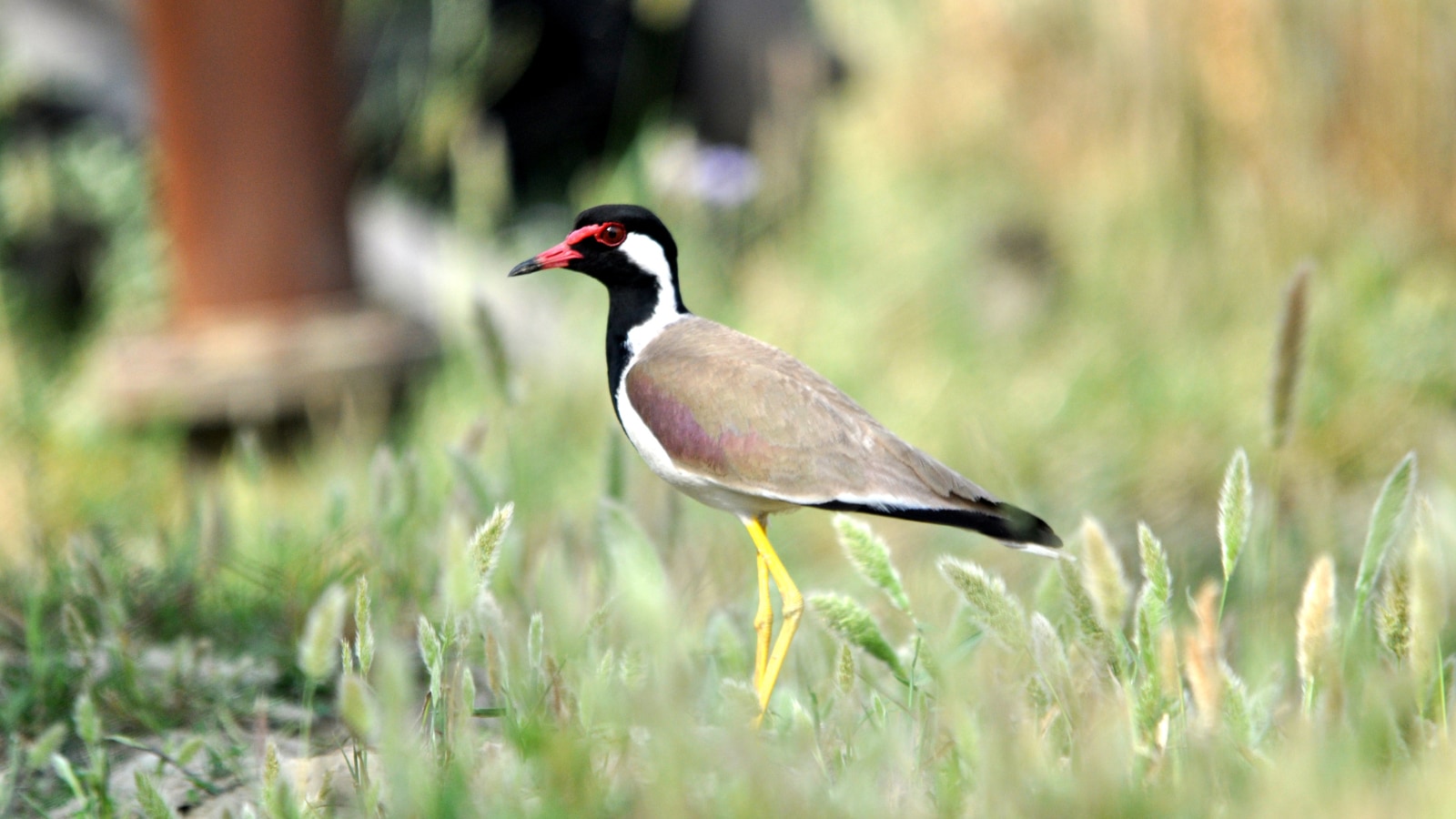
According to local tradition, the Titihari is more than just a bird. Many people believe that their eggs can indicate the amount of rain an area may receive. These beliefs have been passed down through generations and are still discussed during the monsoon season.
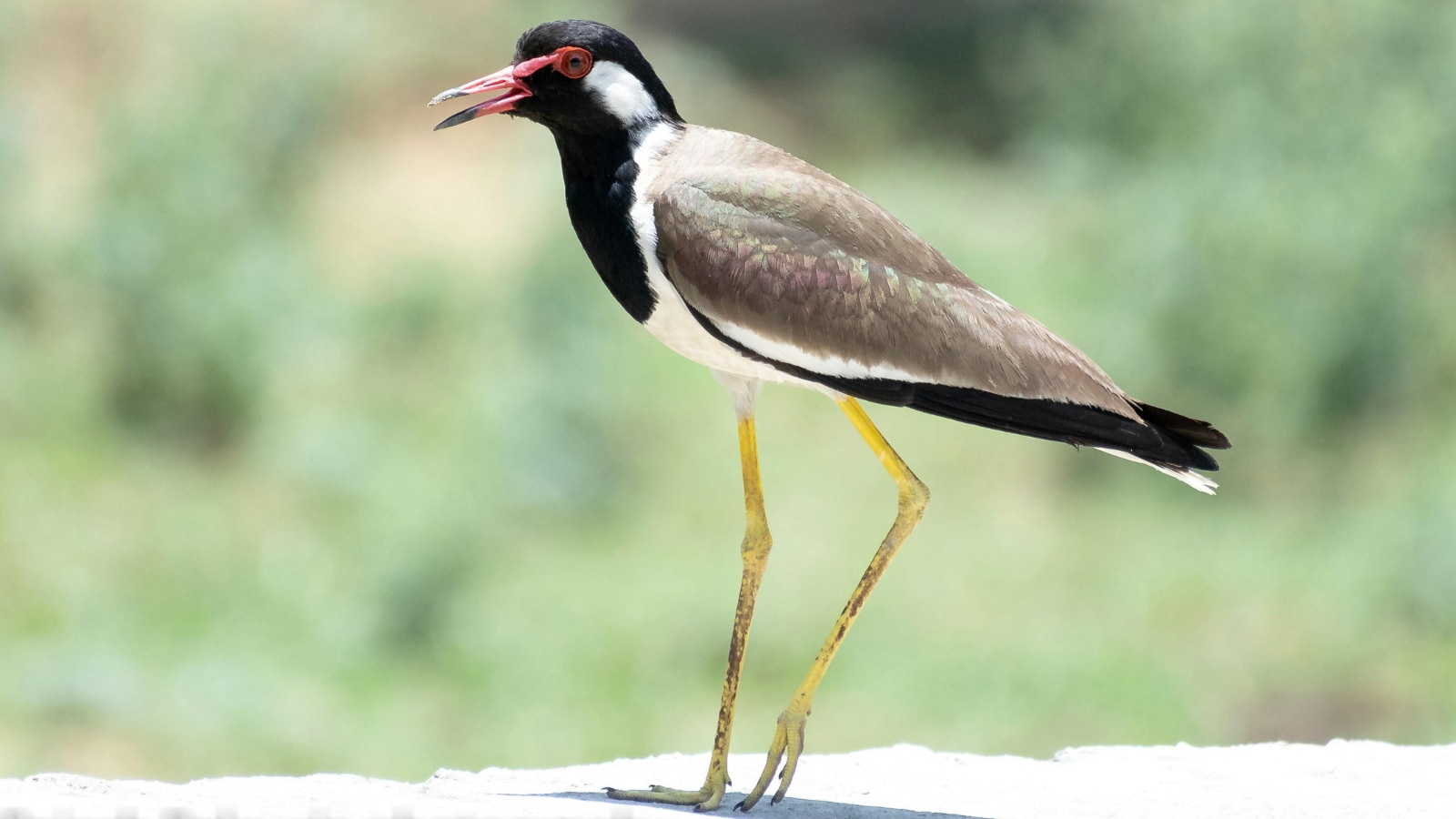
Jeevan Lal Upadhyay, 90, a resident of Rahli in Madhya Pradesh’s Sagar district, says he has never seen Titihari sitting on a tree. He explains that elders traditionally believe that the number of eggs a bird collects after a disturbance can indicate how many months of rainfall are expected that year.
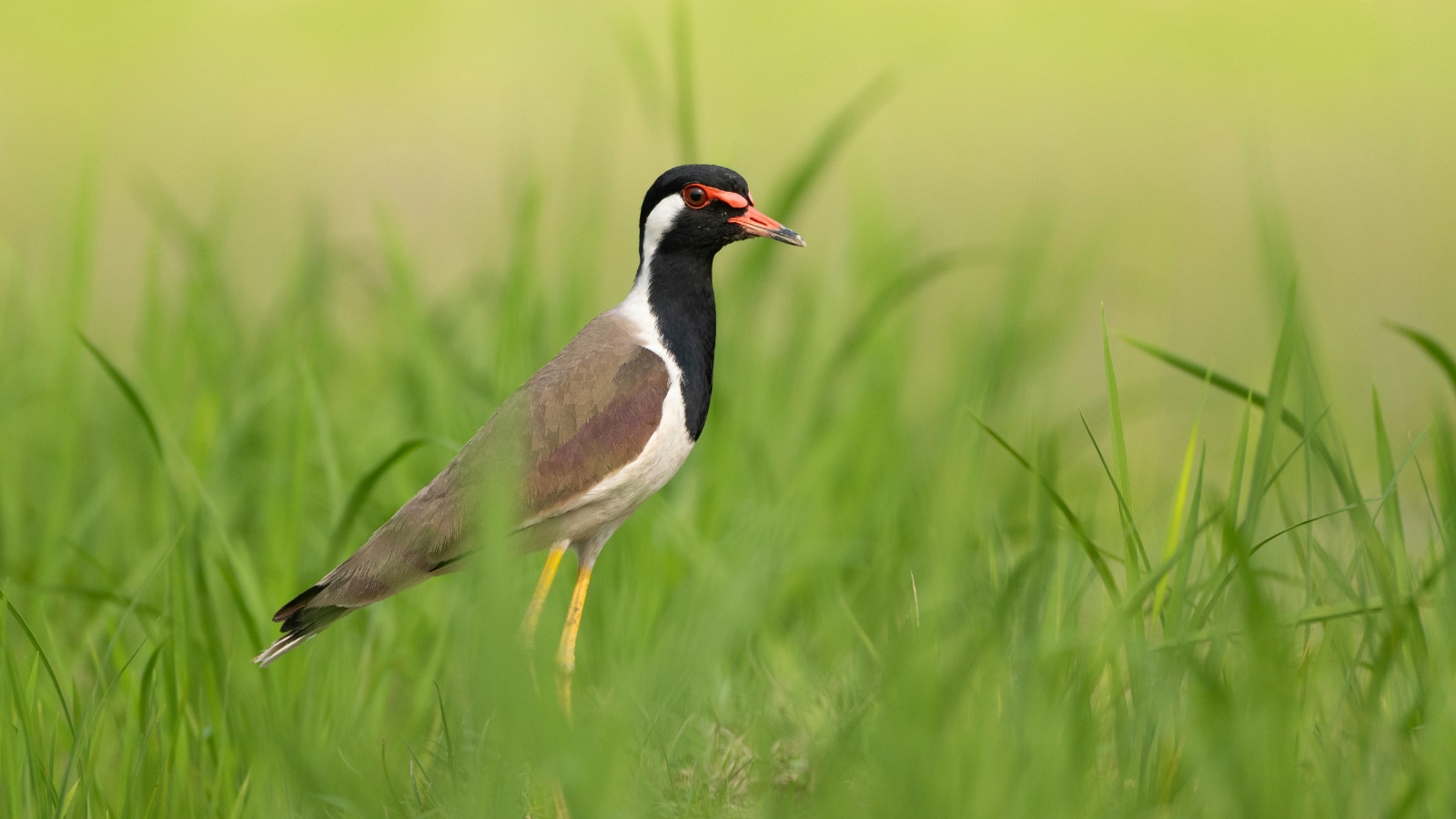
Another common belief is related to the place where the bird lays its eggs. According to local folklore, if a Titihari lays eggs near a riverbed, the river flow is not expected to rise significantly until the chicks hatch. People often interpret this as a sign of decreased precipitation or delayed heavy rainfall.
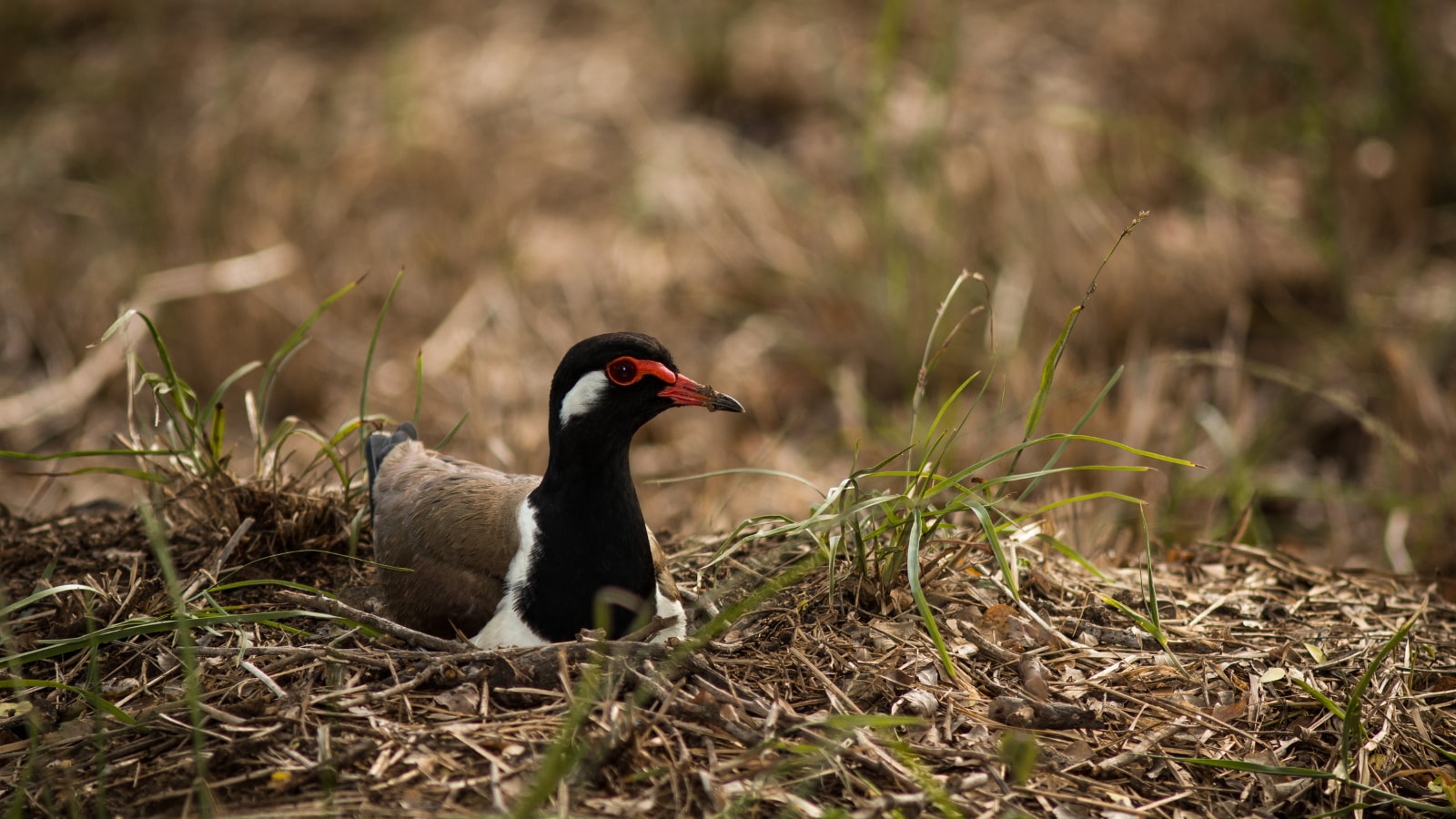
Titihari is often called the farmer’s friend. The bird feeds on insects found in agricultural fields. It is often seen following tractors or bullock carts during plowing and sowing, and feeds on insects that emerge from the soil.
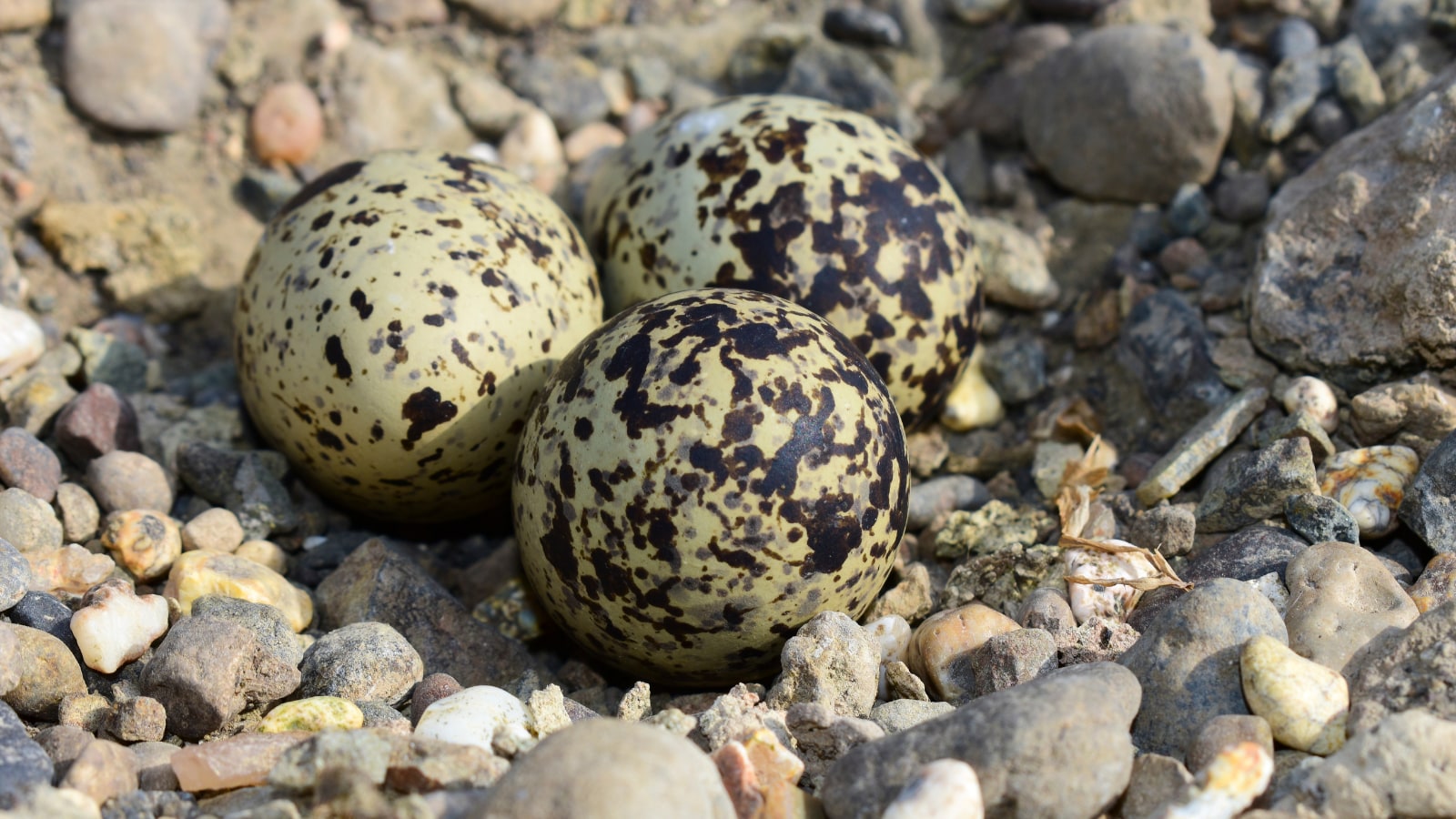
Although these stories are widely known in rural areas, there is currently no scientific evidence linking monsoon rainfall patterns to bird eggs or nesting behaviour, says Dr Manish Jain, a visiting researcher at the Department of Zoology at Bhandri College in Sagar.
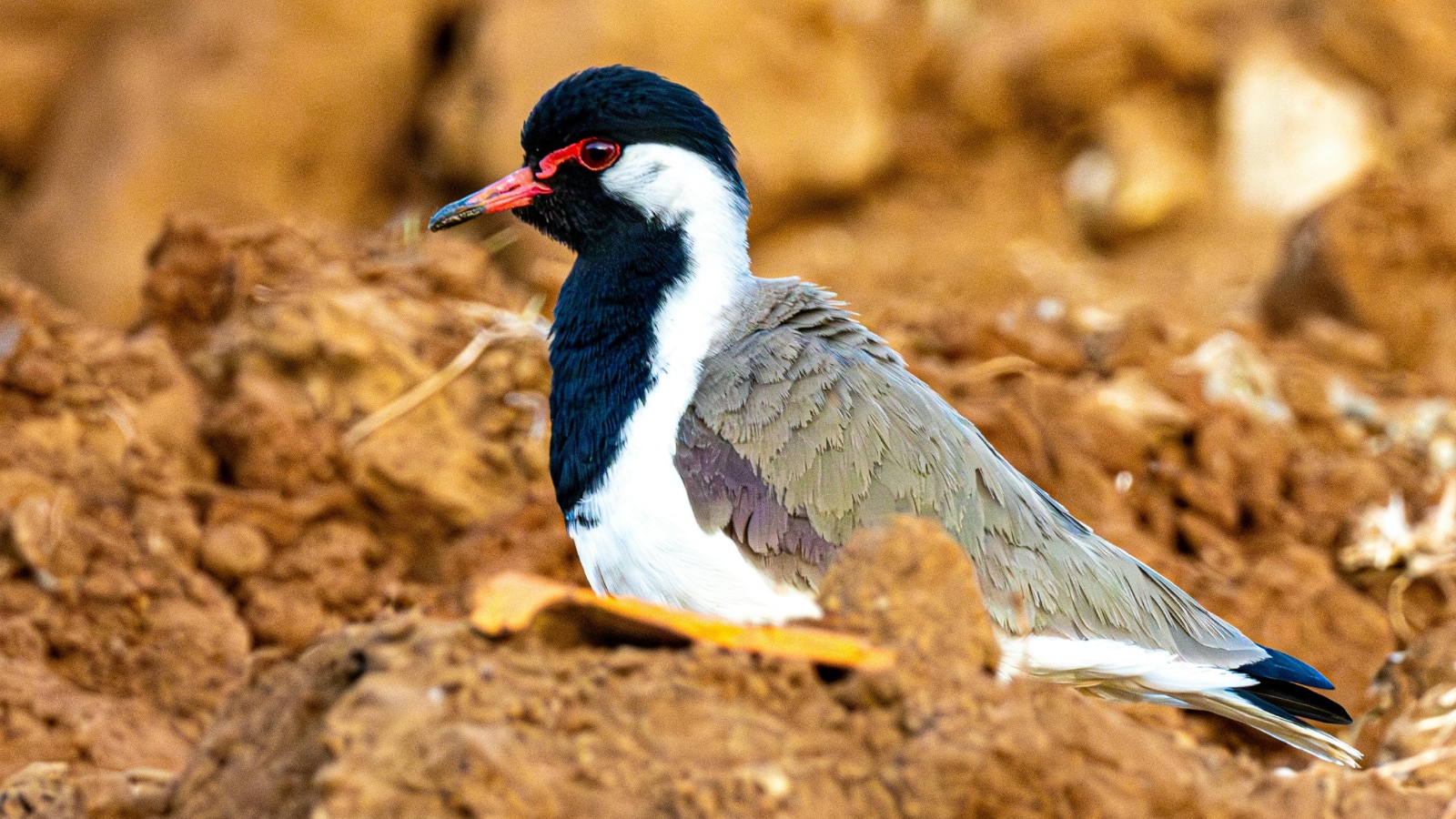
However, experts point out that Titihari could indicate the presence of nearby water sources. The bird usually lays its eggs on the ground in wet areas, and both males and females take turns protecting them. Its presence often indicates the availability of water nearby.
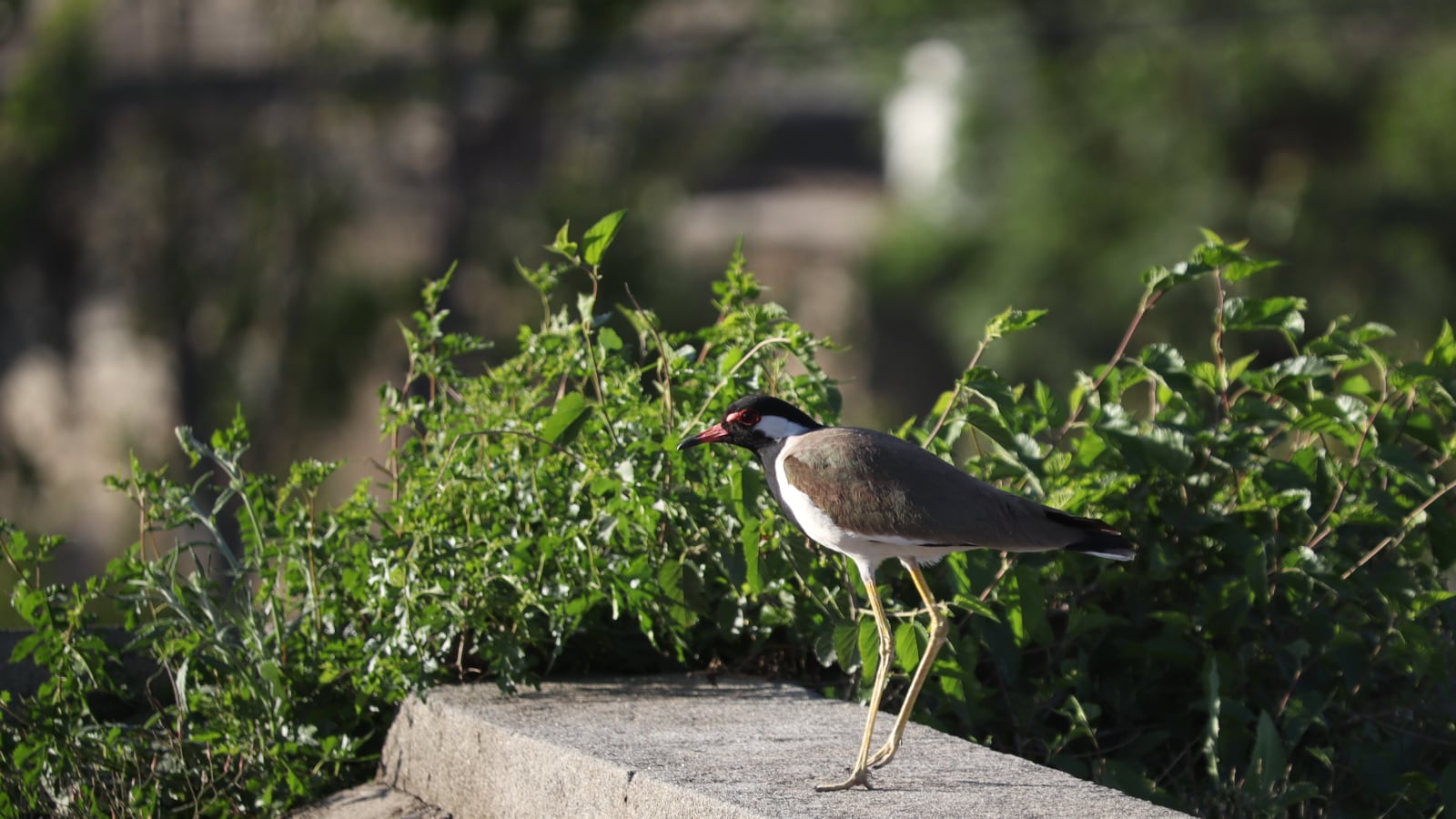
Whether viewed through folklore or science, the Titihari bird remains one of the most fascinating birds associated with the monsoon. His behavior continues to arouse curiosity, blending conventional wisdom with observations of the natural world.