

Latest update:
High oil prices lead to higher transportation, food, and daily expenses, putting pressure on families already suffering from inflation




News18
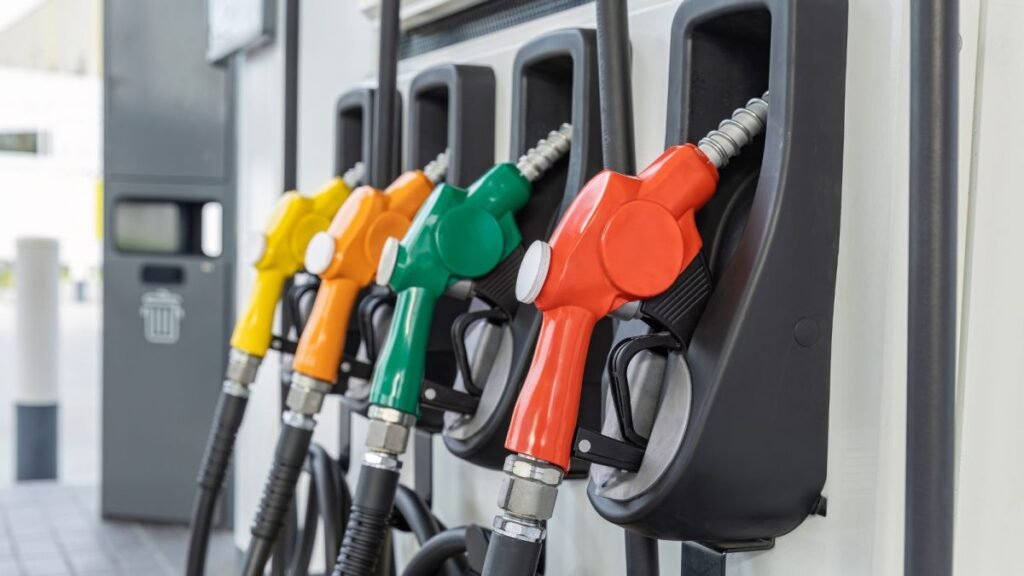
Pakistan is facing one of the most severe fuel price shocks in decades, and it is starting to show in everyday life.
What started as a sharp rise in global oil prices linked to the Iranian conflict is now hitting home, according to a report by Al Jazeera. Prime Minister Shehbaz Sharif recently said the country’s oil import bill had jumped from about US$300 million before the conflict to nearly US$800 million. In practical terms, this is a massive increase in a very short period of time, and it is already undoing much of the economic progress achieved over the past two years.
The impact doesn’t stop at the petrol pumps.
Fuel costs are at the center of the economy. When they rise, almost everything else follows. Transportation becomes more expensive, food prices start to rise, and daily expenses become more difficult to manage. Diesel alone powers much of the system, such as trucks transporting goods, buses carrying passengers, and tractors in work fields. When its price rises, the effect spreads quickly.
Economists say this kind of chain reaction is predictable.
High fuel prices lead to higher costs of transporting goods, which fuels inflation, reduces people’s purchasing power and slows down economic activity in general.
Central bank intervention is already underway.
The State Bank of Pakistan raised interest rates from 11.5 percent, citing risks of increased energy costs, energy shortages, and uncertainties resulting from the current conflict situation.
It becomes more difficult because Pakistan is highly vulnerable to all these developments.
The country relies heavily on imported fuel, so any jump in global oil prices can be felt almost immediately at home. Meanwhile, the economy is still dealing with debt pressure and slowing growth. There is also concern that remittances – money sent by workers abroad, especially from Gulf countries – could be affected if the situation persists.
You can actually see the pressure on the ground.
In cities like Lahore, transport workers and drivers took to the streets to protest rising fuel costs. For many people, it’s not about political debates, it’s about whether they can still afford to make it through the month.
This leaves the government in a difficult position.
If higher fuel costs are passed on, they risk provoking public anger. If it tries to soften the blow with subsidies, it will put more pressure on already limited financial resources – especially since IMF conditions limit the amount of room available for spending.
Here the pressure increases.
What began as a global crisis is now turning into a local crisis, and if prices continue to rise, economic pressures could quickly turn into a political problem as well.
Read more