



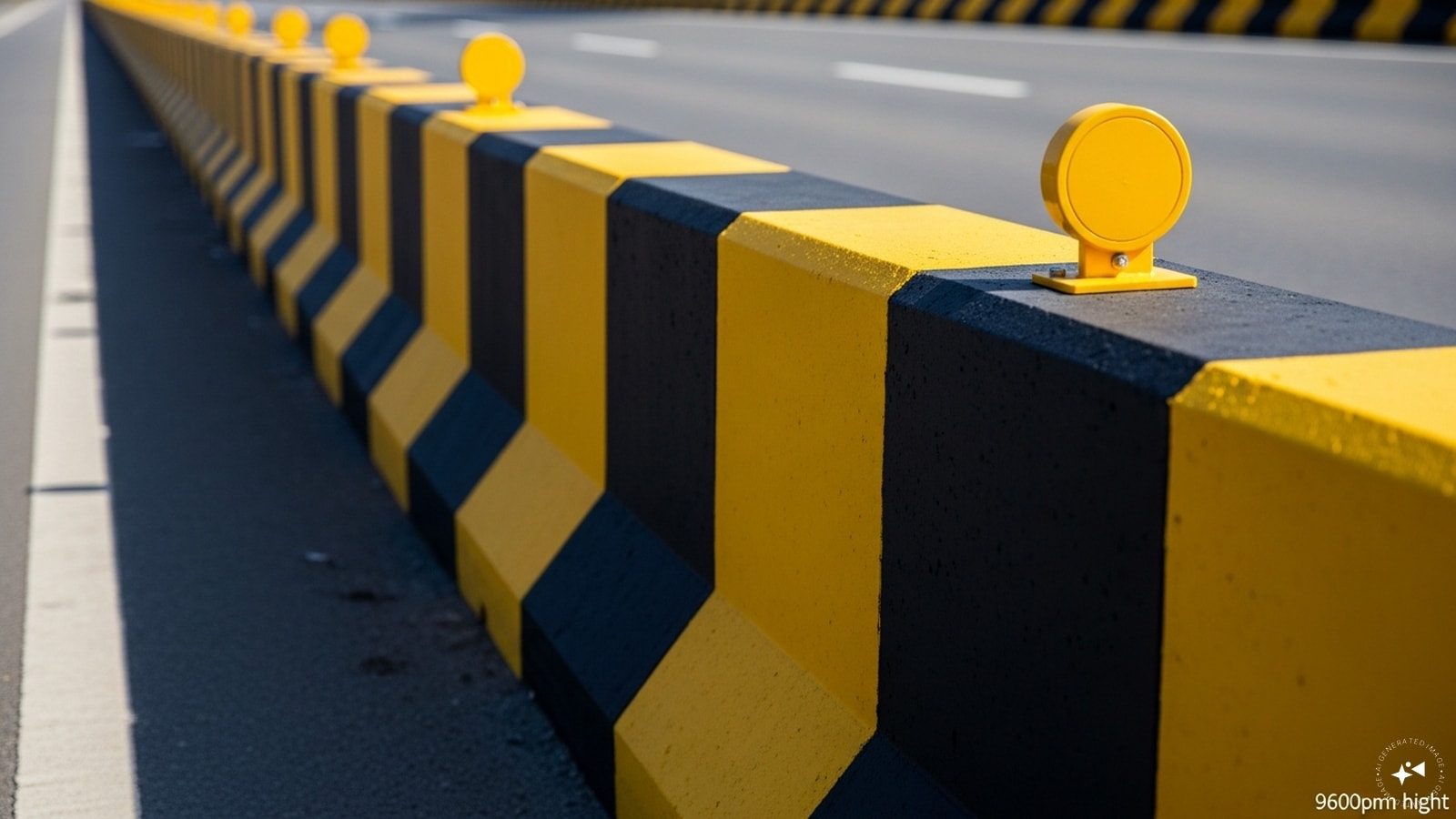
If you’ve ever traveled on city roads or highways, you’ve probably noticed that road dividers are usually painted with alternating black and yellow lines. While many people assume that this pattern is just for decoration, these colors actually serve an important road safety purpose.
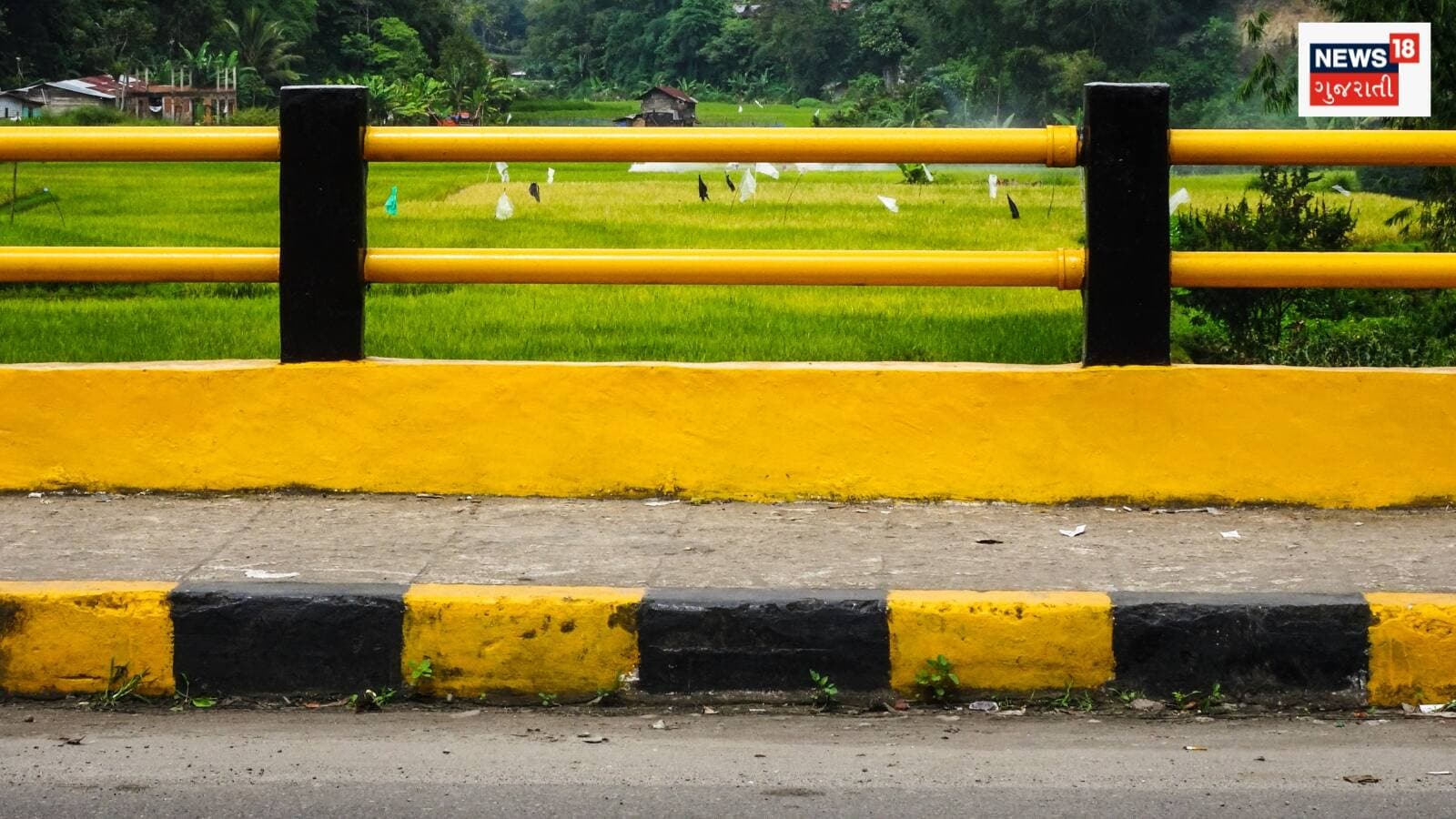
The black and yellow combination was specifically chosen because it creates a strong visual contrast, making the dividers highly visible from a distance. Whether it is day or night, contrasting shades help drivers quickly determine the boundaries and direction of the road, allowing them to react in time and reduce the risk of accidents.
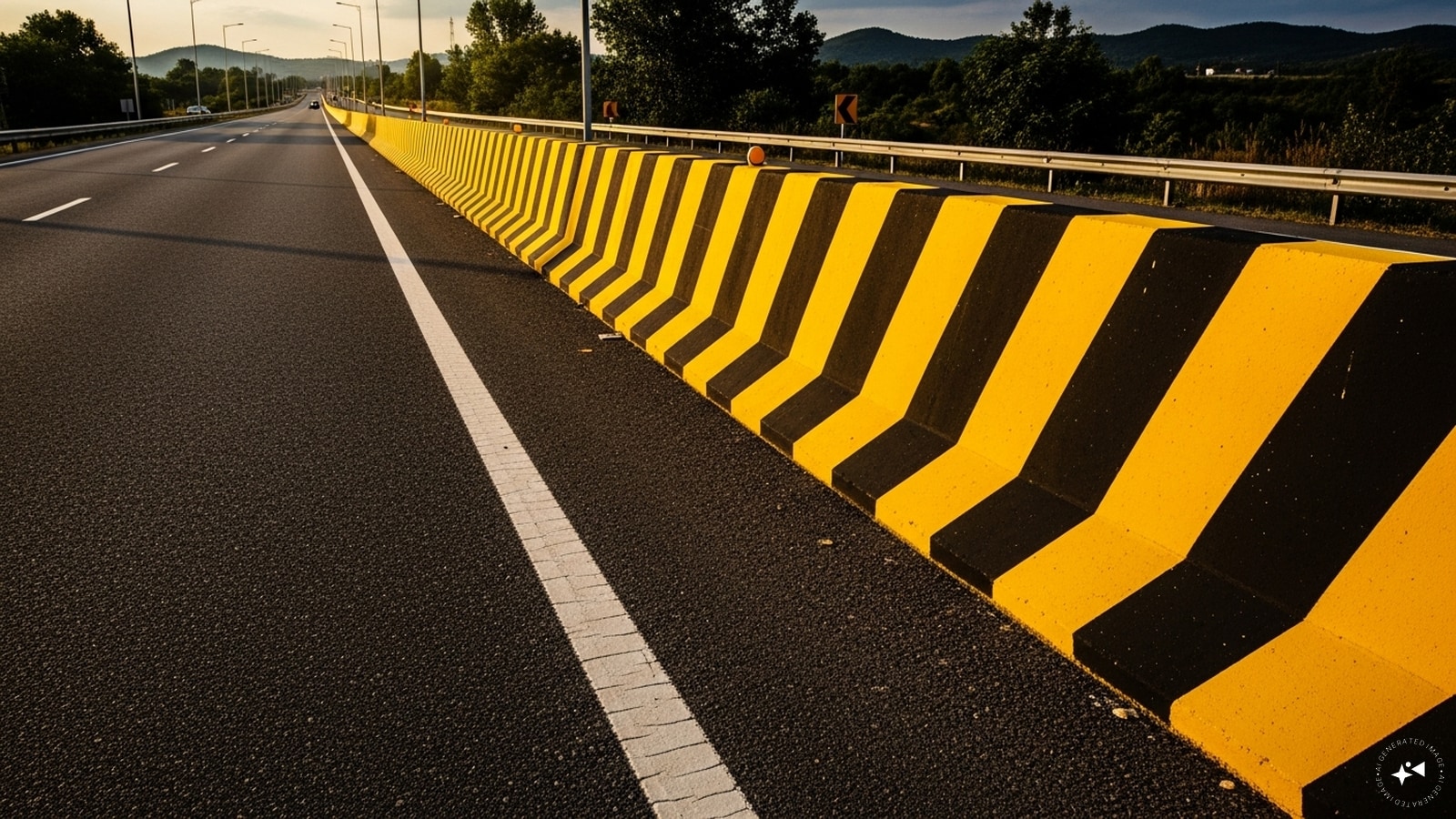
The visibility benefits become even more important after dark or during adverse weather conditions such as dense fog, when drivers often have difficulty seeing clearly. Under car headlights, black and yellow markings stand out more effectively than many other color combinations. In many locations, authorities also use reflective paint or special reflective materials on these lines, which makes them shine when illuminated by headlights and helps motorists spot the breaks from afar. (Image-AI)
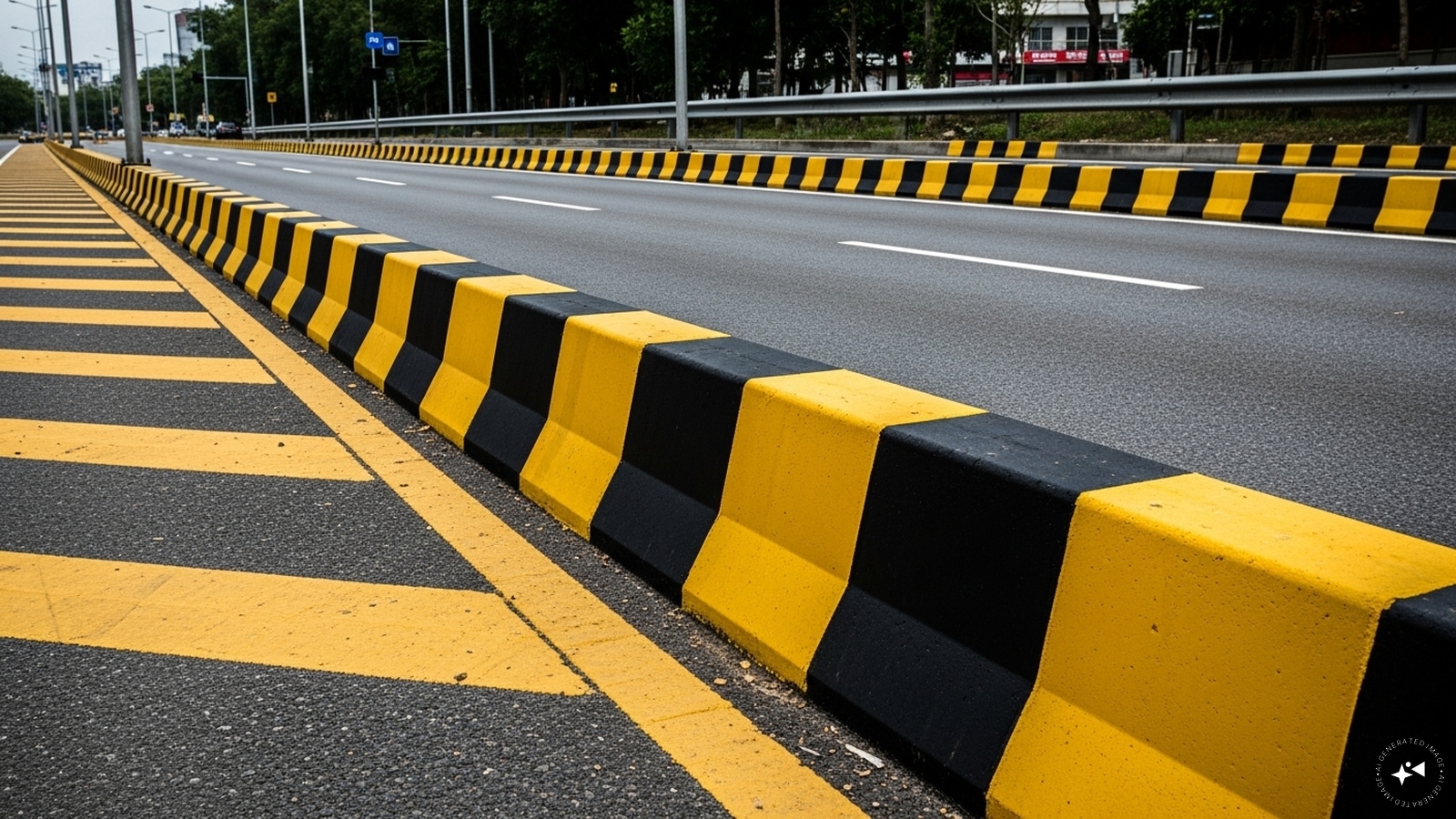
The use of black and yellow is not limited to India. International road safety guidelines often use these colors in warning signals and direction indicators because they immediately attract attention. Their primary purpose is to alert drivers to potential hazards and encourage them to maintain proper speed and lane discipline. (Image-AI)
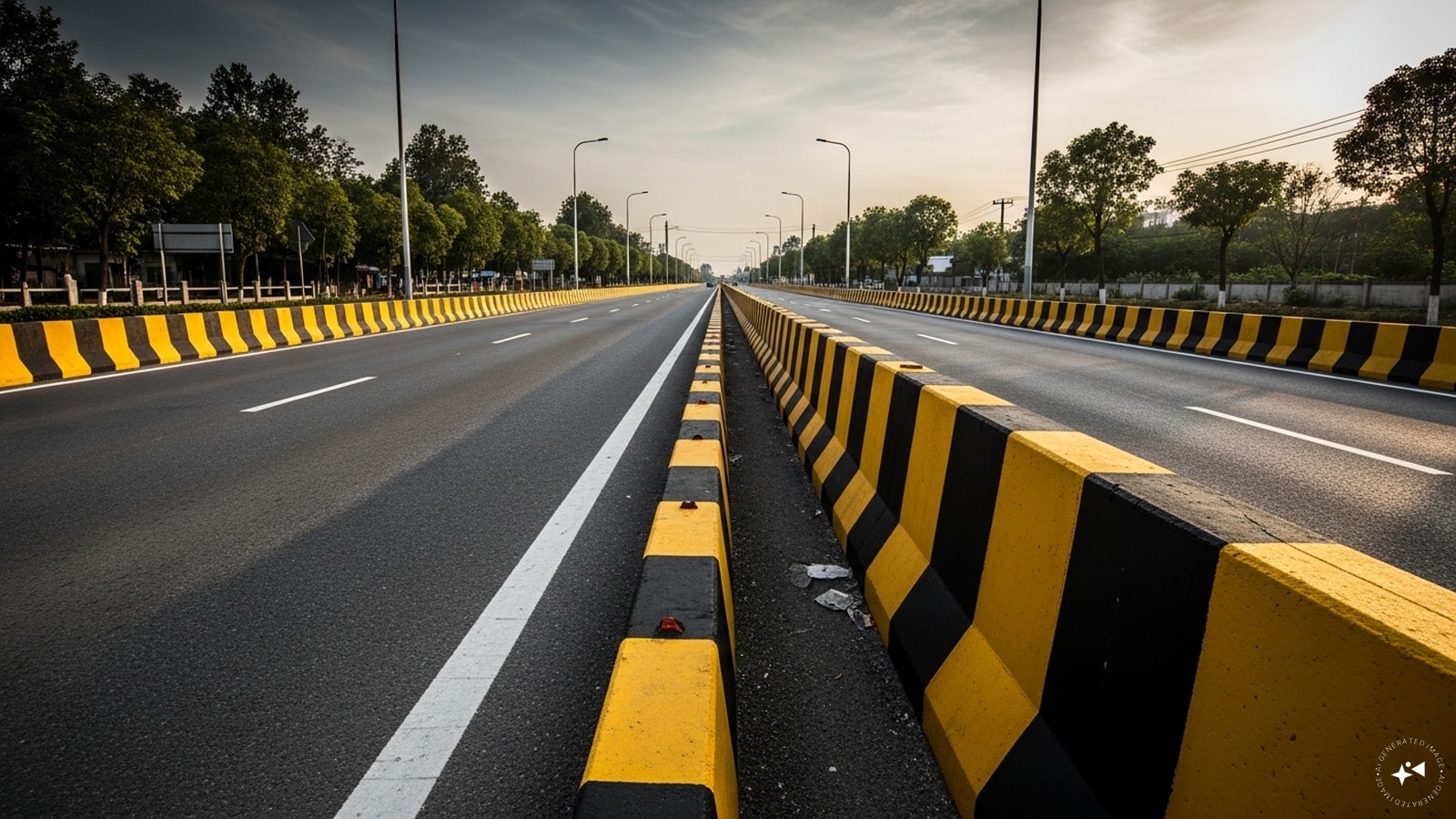
Road markings are equally important in maintaining traffic safety. White lines painted on roads convey specific instructions to motorists. A solid white line generally indicates that drivers should not cross into another lane to overtake. On the other hand, a dashed white line indicates that overtaking is permissible, provided that it is safe to do so.
These colour-coded signs and indicators play a crucial role in regulating traffic flow, improving visibility and preventing accidents. What may seem like a simple paint pattern is actually an essential component of modern road safety infrastructure.