
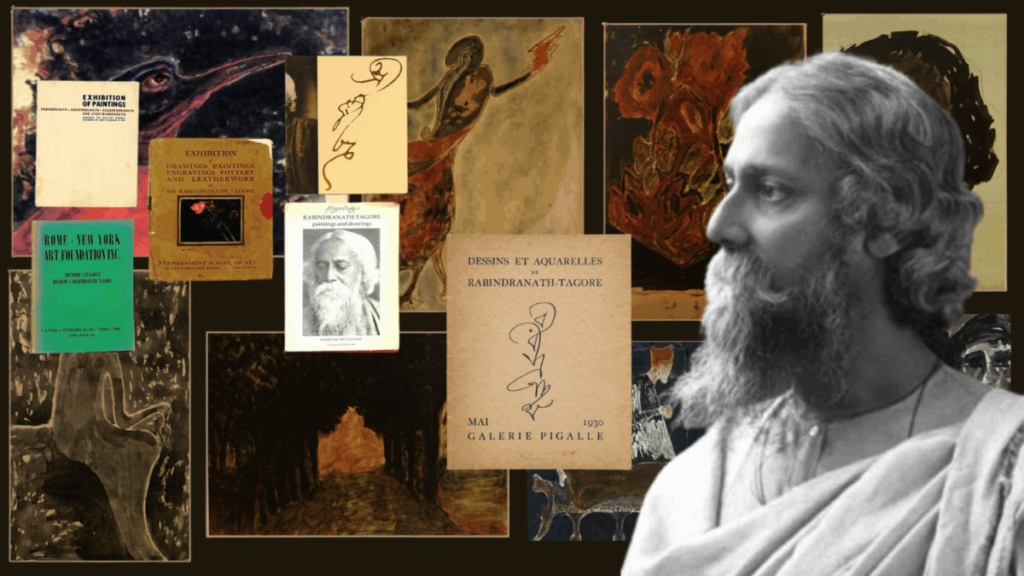
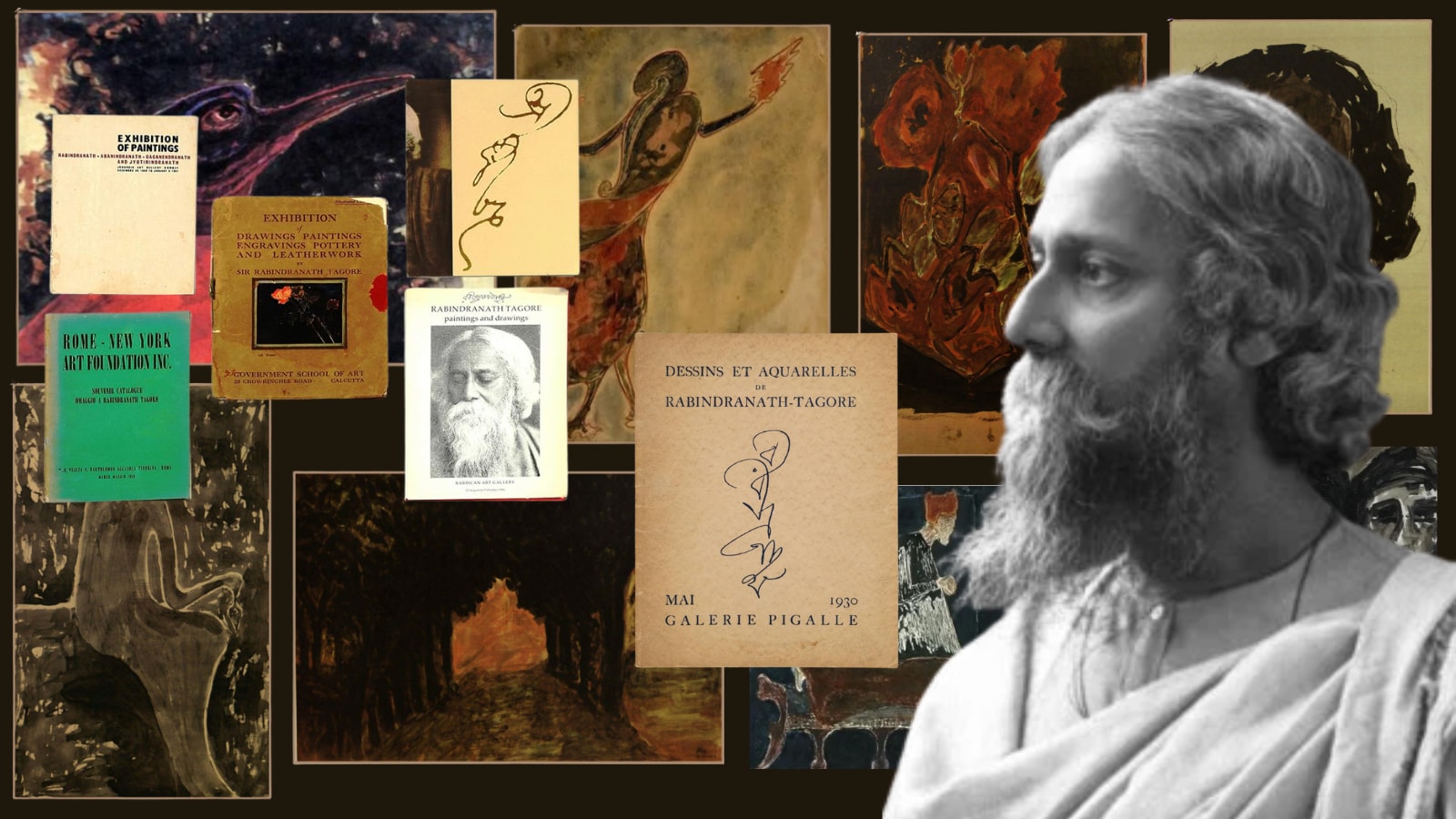
Most people know that Rabindranath Tagore is a Nobel Prize-winning poet, but few know that he was also an amazing painter. With no formal training, he created nearly 2,500 works of art in the final years of his life, transforming simple doodles into powerful modern art.
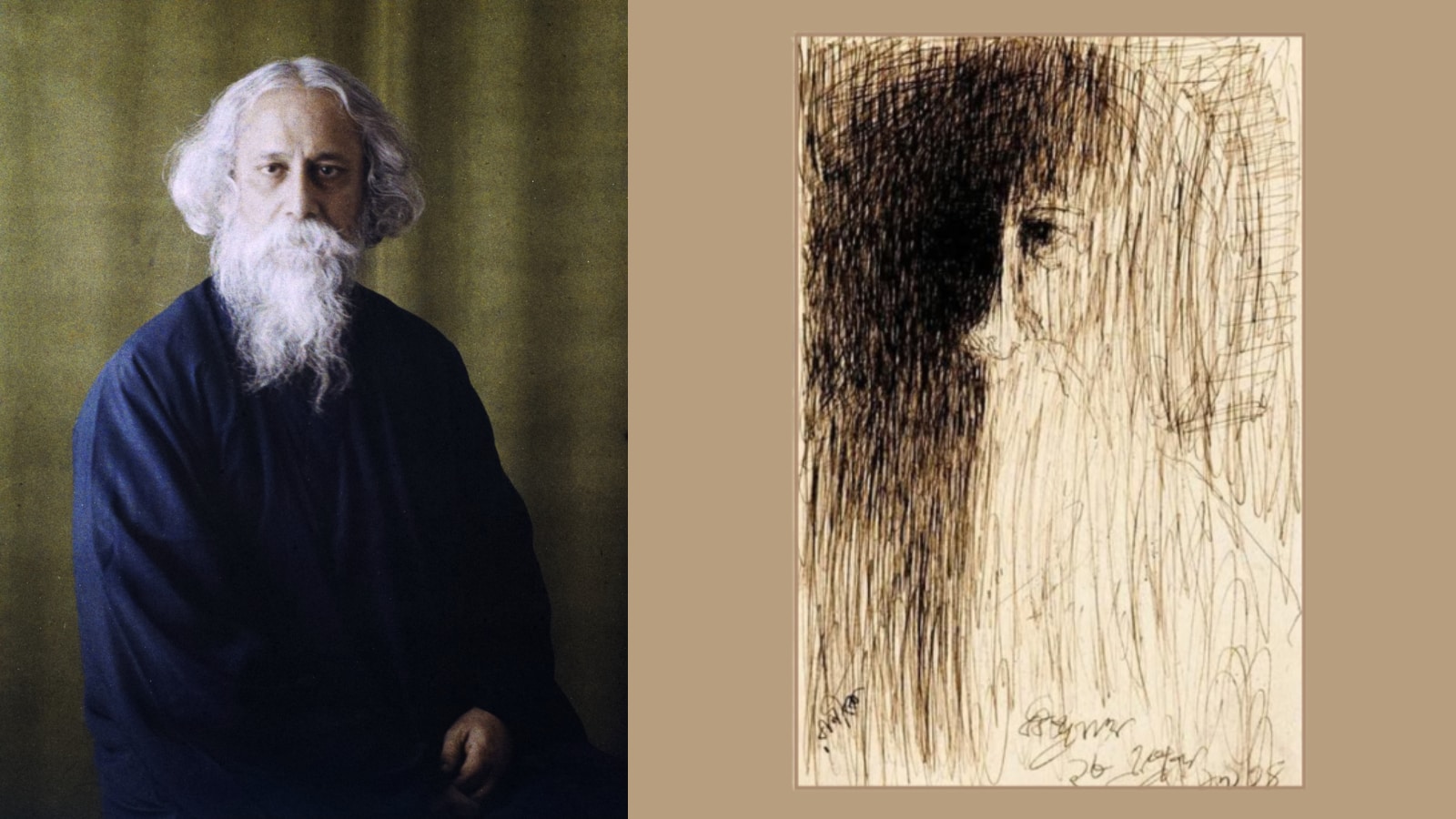
Tagore began painting at the age of 67: Renowned as a poet, philosopher and Nobel laureate, Rabindranath Tagore turned to painting surprisingly late in life. Without any formal training, he began drawing unintentional doodles on manuscripts. In just over a decade, he created nearly 2,500 artworks, becoming one of India’s most unexpected contemporary artists. (Image: Instagram/indianhistorycollective,
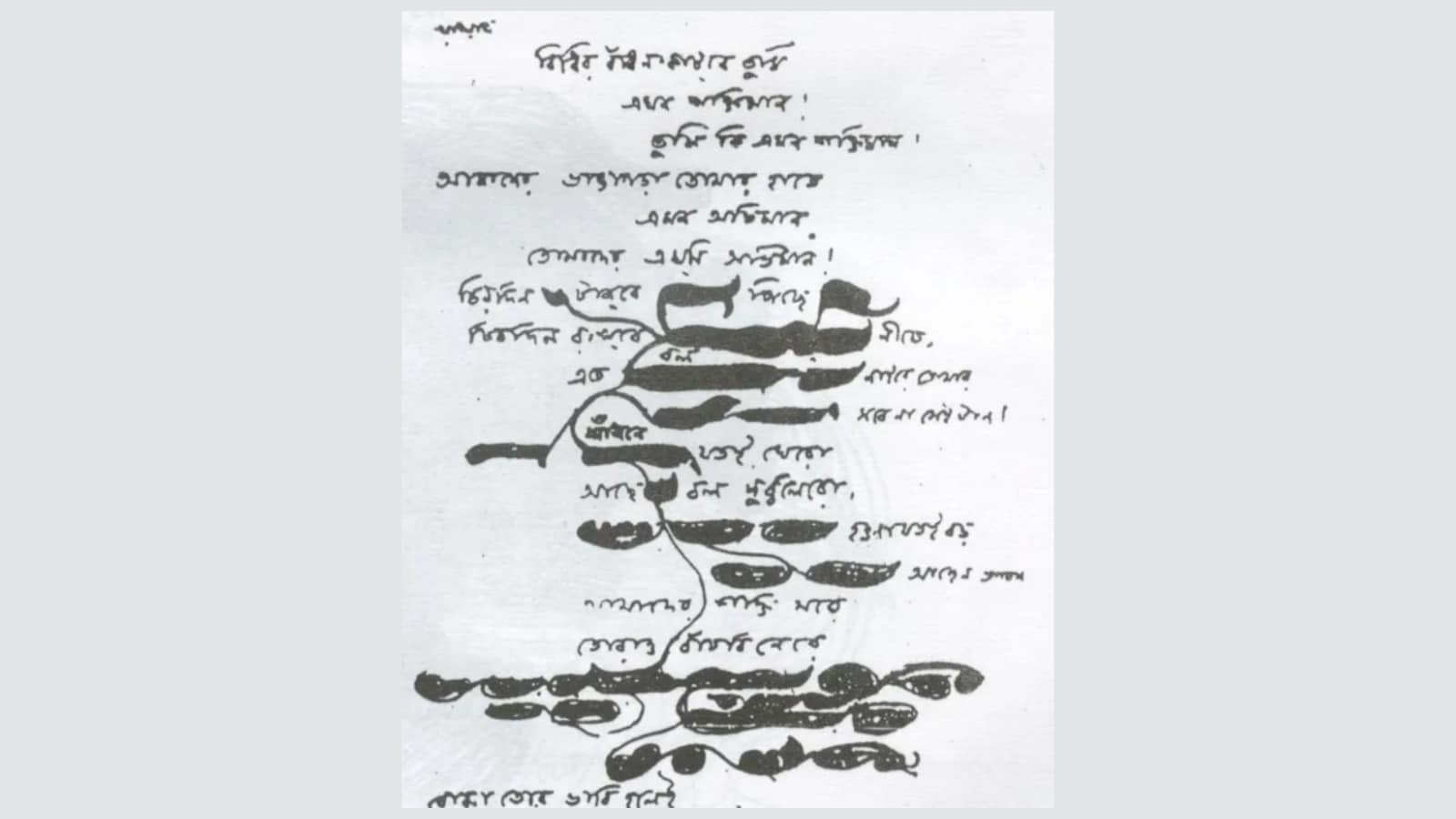
His paintings began as scribbles on poems: Tagore disliked the crossed-out words on his handwritten pages and began transforming those edits into strange shapes and patterns. These doodles slowly evolved into dreamlike faces, creatures and shapes. What started as playful corrections eventually turned into a completely new artistic language, unlike anything in Indian art of that time. (Photo: Instagram/indianhistorycollective)
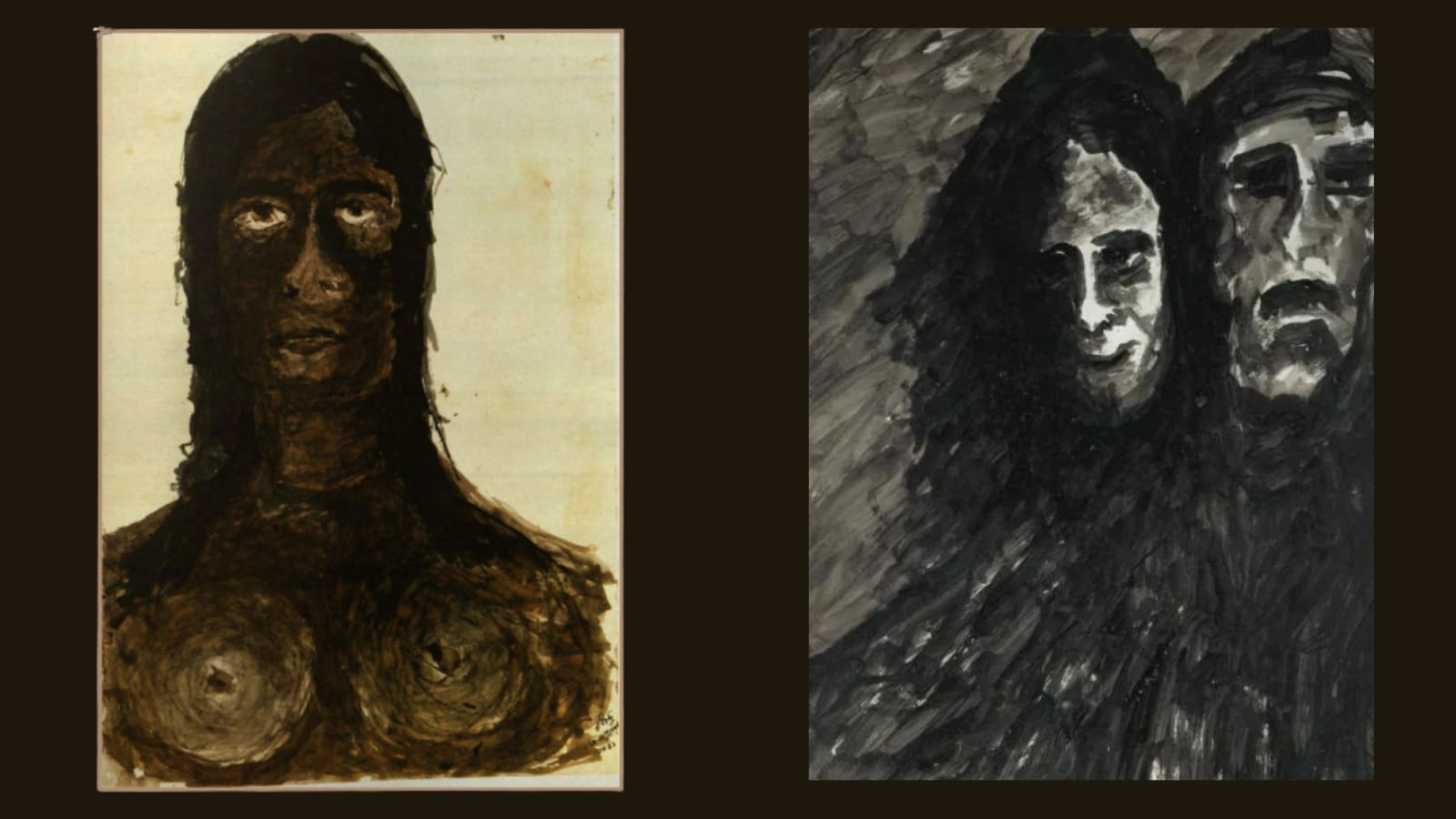
His art revealed his dark side: while Tagore’s poetry was often lyrical and spiritual, his paintings explored mystery, loneliness, fear and the subconscious. Many of the artworks featured distorted faces, creepy masks, and fantastical creatures. Critics believe that his paintings express the emotions and anxieties that his writings carefully concealed beneath beauty and refinement. (Photo: Instagram/indianhistorycollective)
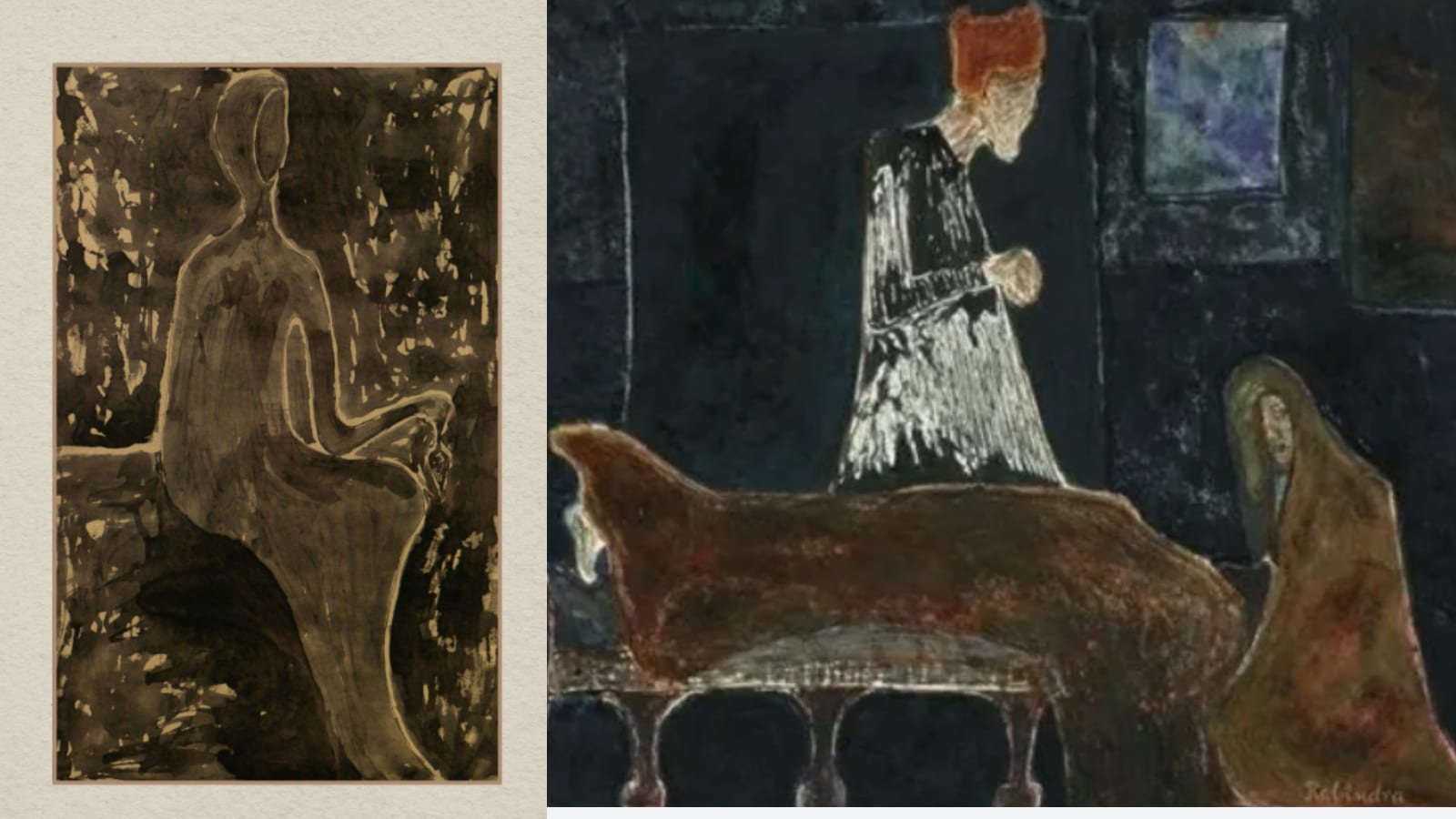
He never planned or painted his paintings: unlike trained painters, Tagore rarely made rough drafts or preliminary sketches. He painted instinctively, often completing works in a single sitting using pen, ink and watercolor on whatever paper was nearby. He once admitted that even he didn’t fully understand where many of his strange characters came from. (Photo: Instagram/indianhistorycollective)
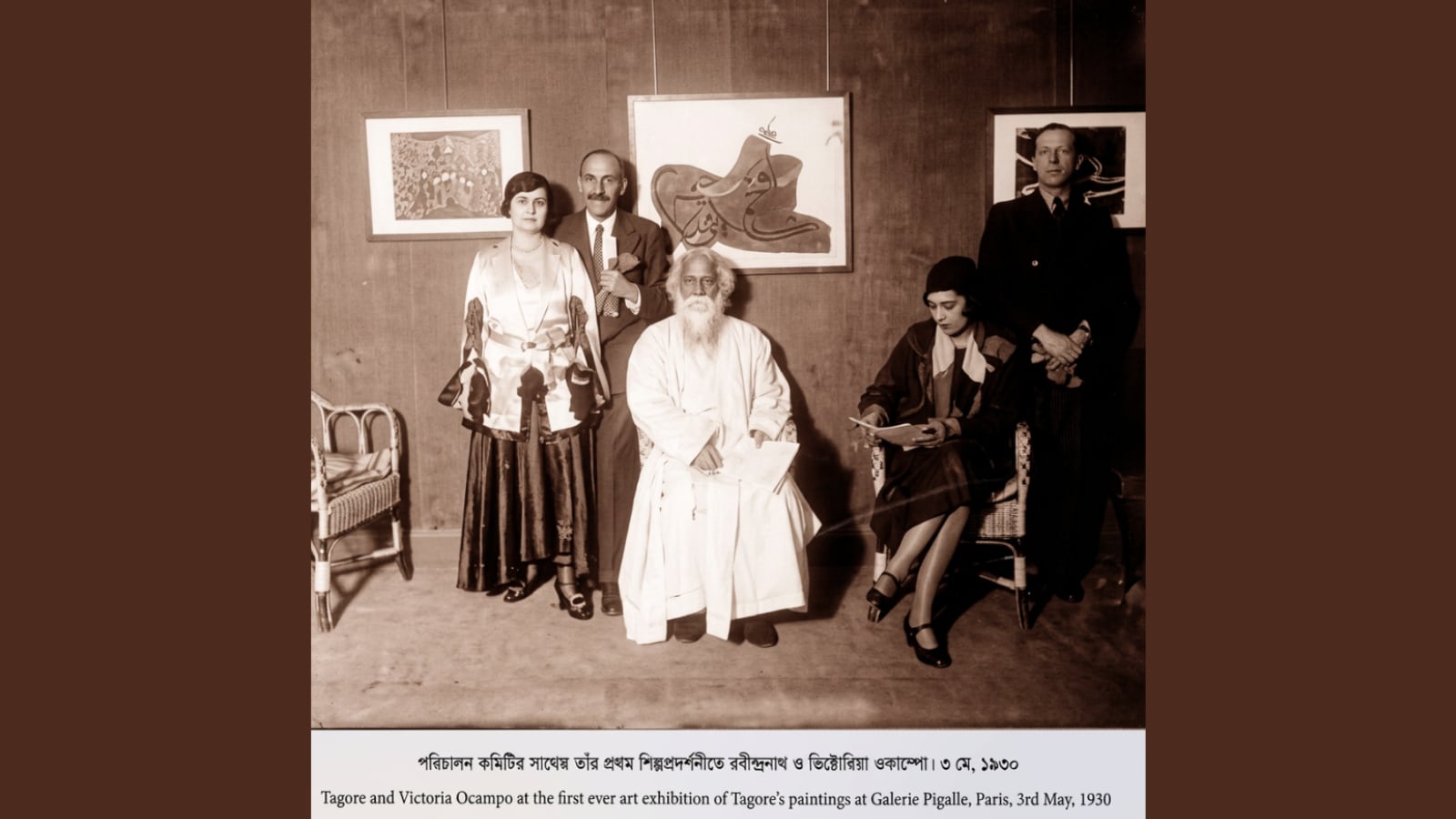
Europe celebrated his art before India did: Tagore’s paintings were exhibited internationally for the first time in Paris in 1930 at the Galerie Pigalle. European critics admired the raw imagination and modernist quality of his work, comparing it to avant-garde expressionism. However, many British critics initially rejected the paintings, unable to separate the artist from the colonial politics of the time. (Image: Instagram/indianhistorycollective and Facebook/Russian Embassy in India)
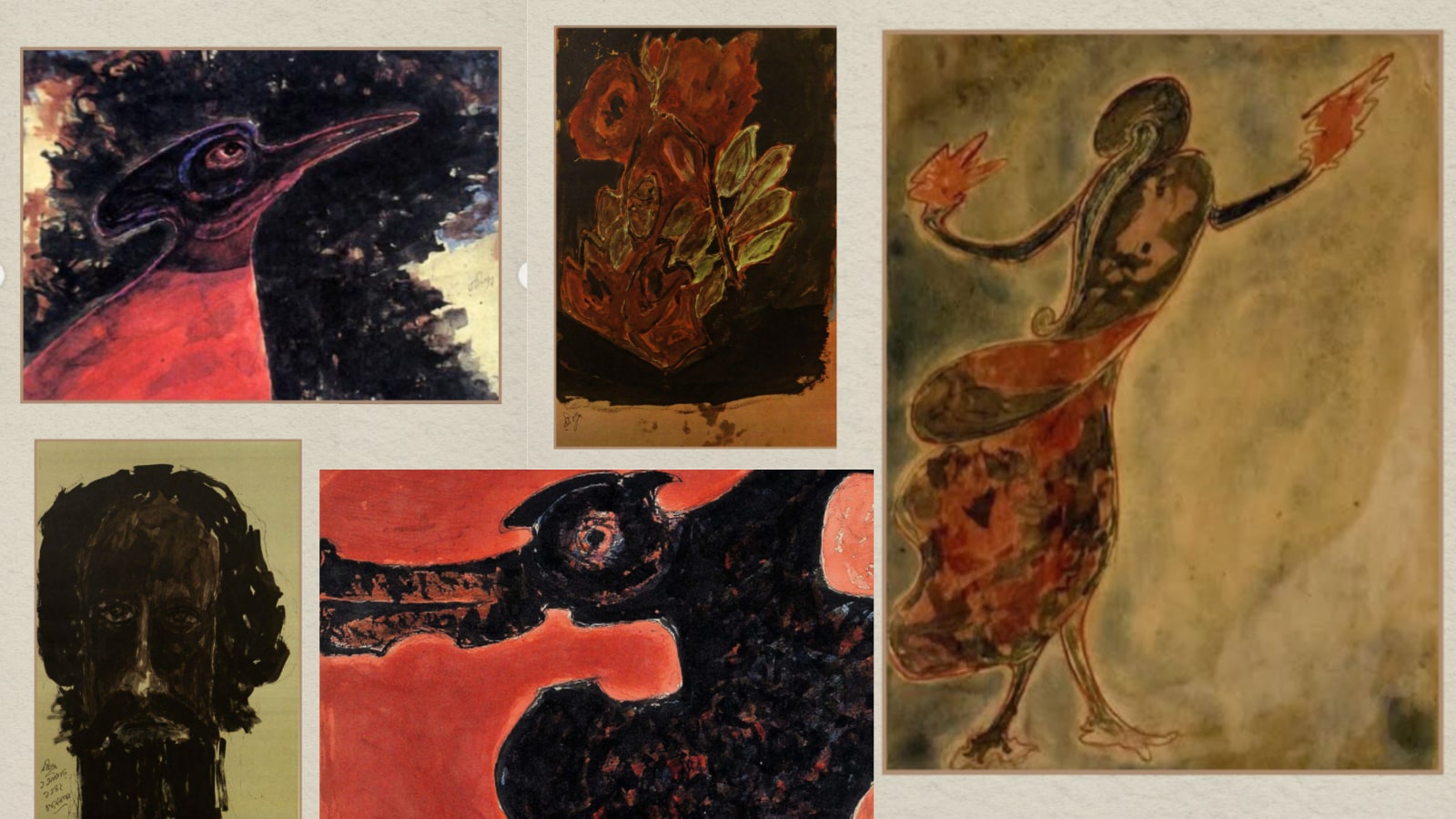
Nature, masks and human faces dominated his works: Tagore’s art was deeply inspired by nature, tribal forms, Japanese aesthetics and primitive masks. Birds, lone women, mysterious faces and surreal landscapes frequently appeared in his paintings. His images often seemed like masks concealing hidden emotions, reflecting his fascination with identity, memory, dreams, and the unconscious mind. (Photo: Instagram/indianhistorycollective)