


Latest update:
Why shopping bags are brown: You must have often bought goods from shopping malls. When you buy things and bring them home, have you ever noticed that most of the bags you got were brown or grey. Have you thought about that? In fact, there are deep secrets hidden behind it. If the bag is not plastic, more than 90 percent of the bag in paper bags is brown. Let us know the science behind it.

If you have noticed, you will notice that when you buy something in a mall, you often get the goods in brown bags. Have you ever wondered why this happens? The trend of brown paper bags in shopping malls is not just a coincidence, there are practical, economic and psychological reasons behind it. Many people do not know why these bags are brown. There are many relevant scientific and industrial reasons behind this.
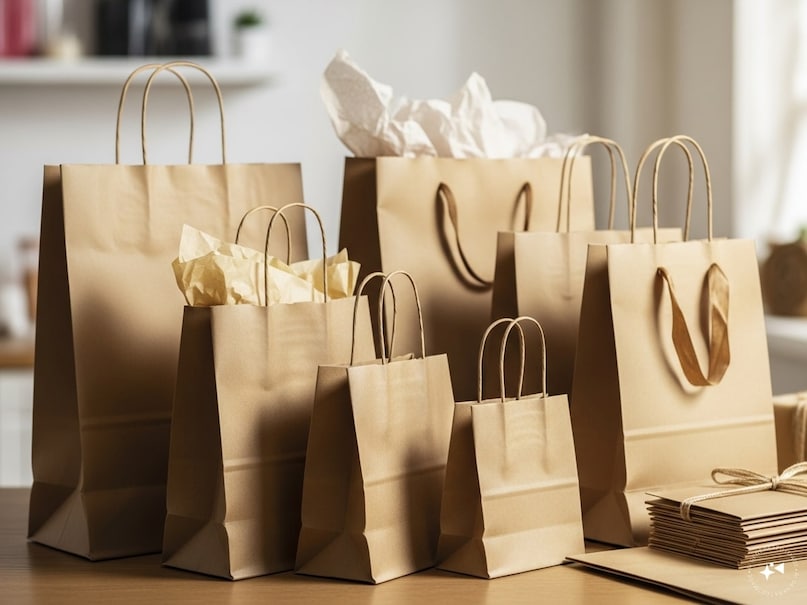
Artisanal Process: When making paper, wood chips are boiled with chemicals such as sodium hydroxide and sodium sulfide. This breaks down a substance called lignin that is found in wood and helps make paper. After this process the paper is not bleached. So the natural brown color of the wood remains intact. The word “craftsmanship” means “strength” in German.

Most brown bags are made of “kraft paper”. The paper is not bleached during the manufacturing process, allowing it to remain its natural brown color. It is less harmful to the environment and can be easily recycled. The fiber structure of unbleached brown kraft paper is stronger than that of white paper bags. The bleaching process weakens the paper fibres. Since people buy heavy items (shoes, clothes, boxes) in malls, brown bags are more reliable to handle the weight.
Add News18 as
Favorite source on Google
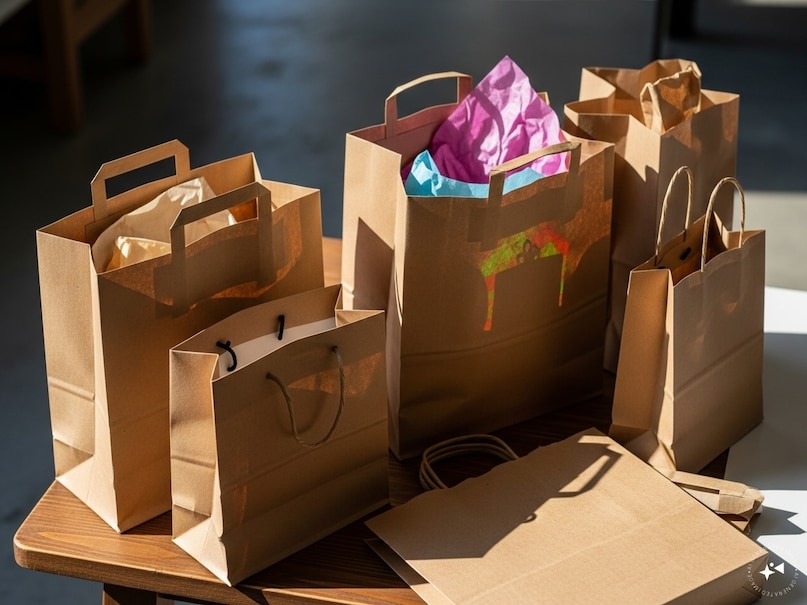
Strength and Durability: When paper is bleached, its fibers become slightly weaker. According to research, the strength of bleached paper decreases by about 10-15 percent. But in unbleached kraft paper the fibers remain long and strong. So these brown paper bags are durable and good for carrying groceries or heavy items.
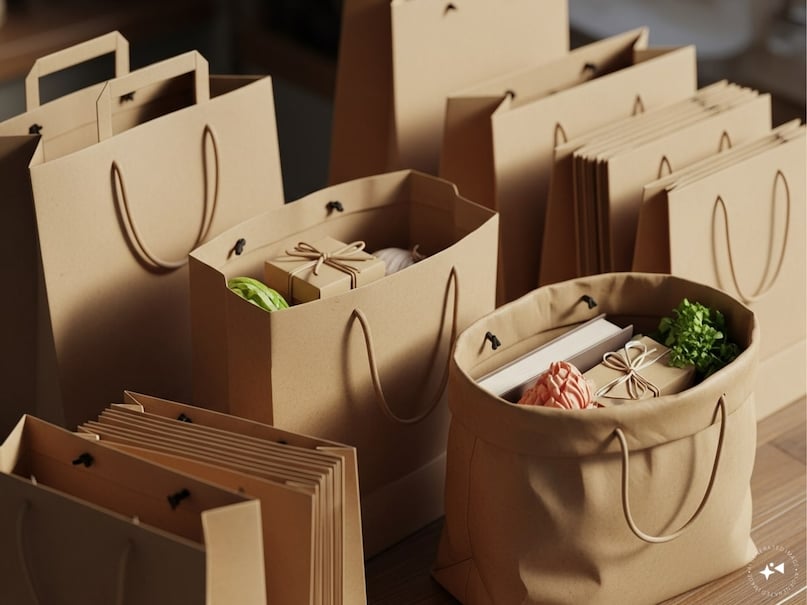
Reduced production costs: If the paper bleaching process is skipped, production steps are reduced. It does not require a lot of chemicals. Thus, factory expenses can be reduced by about 15-20 percent. Therefore, it is economically easier to make and use brown paper bags.

BETTER FOR THE ENVIRONMENT: Unbleached kraft paper uses fewer chemicals. Therefore, it can be easily recycled and dissolves quickly in the soil. Sometimes these can also become compost. For this reason, they are less harmful to the environment than plastic bags. Due to new environmental policies and anti-plastic measures, the use of these paper bags has increased all over the world.
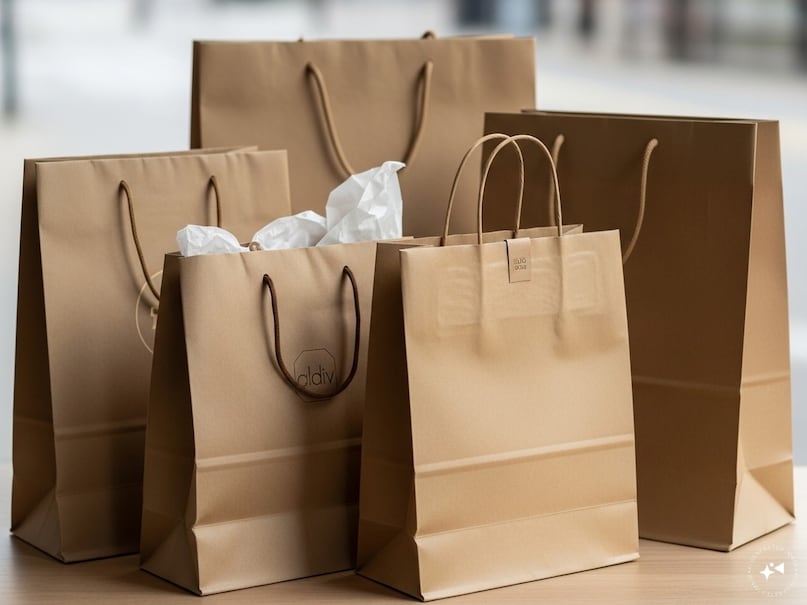
Natural Appearance: Many companies intentionally use brown paper bags. Consumers consider this color “natural,” “organic,” or beneficial to the environment. This creates a good image and identity for the company. White kraft bags are also manufactured as per requirements. To print clearly colored logos or designs on it, it is bleached and made white. These white bags are typically used in clothing, gift, or branded product stores. But unbleached brown paper bags are more beneficial in terms of energy saving and environmental protection.

According to psychology, brown conveys stability, reliability and a feeling of being “organic”. Under today’s “sustainability” branding, companies are intentionally using brown bags to show their environmental awareness. White bags get dirty very quickly or show visible signs of scratching. On the contrary, the brown color easily hides dust or light stains, making the bag look neat and clean when you take it home after shopping.

Simply put, the brown color of a paper bag is not a trivial matter. On the one hand, it is the result of the factory process and on the other hand, things such as energy saving, expense reduction and environmental protection are associated with it.