

Latest update:
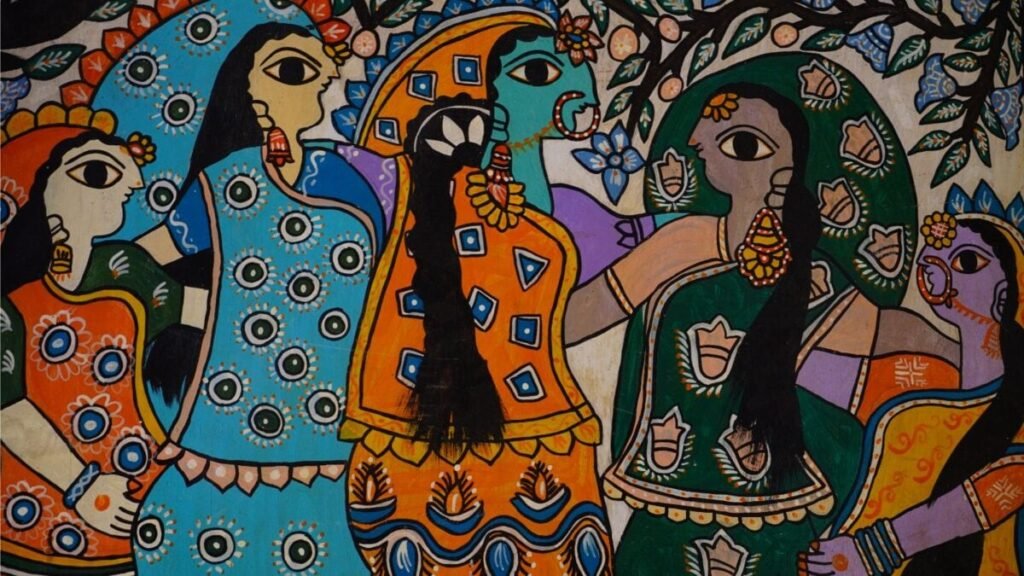
In the heart of Bihar’s Mithila district, women continue an age-old tradition of creating stunning works of art with fingers, twigs and natural colours, turning everyday walls into stories.




News18
Visit villages like Jiturpur and Ranti in Bihar’s Madhubani district, and you’ll quickly notice something unusual. The walls are not clear. The arenas are not empty. Almost every surface seems to tell a story.
This is the home of Mithila painting, known throughout the world as Madhubani art.
For generations, women in the region have transformed mud walls into colorful paintings using techniques passed down from their mothers and grandmothers. The tools are surprisingly simple: fingers, twigs, bamboo sticks, and homemade dyes. However, the results are not the same.
It is believed that this art dates back centuries. Local folklore links its origins to the wedding of Sita and Rama Ramayana. According to the story, King Janaka ordered his kingdom to be decorated to mark the occasion. Be it legend or history, the tradition has become deeply rooted in Mithila culture.
Originally, these paintings were created during weddings, festivals and religious ceremonies. Women painted scenes from mythology, images of gods and goddesses, animals, birds, and symbols associated with prosperity and good luck.
What makes Mithila painting instantly recognizable is its striking style. Bold black outlines, bright colors and intricate patterns fill every available space. Blank backgrounds are rare.
The colors themselves traditionally come from nature. Turmeric produced yellow, soot produced black, the flowers were red and the leaves were green. Each shade has been carefully prepared by hand.
Many designs carry symbolic meaning. Fish are often associated with prosperity, peacocks with love and beauty, while lotuses represent spirituality. A painting is rarely just a decoration, it is also a visual expression of local beliefs and traditions.
For centuries, this art remained largely confined to village homes. That changed during Bihar’s severe drought in the 1960s, when women were encouraged to transfer their murals to paper for sale. What started as a way to earn income soon introduced Mithila art to art galleries and collectors around the world.
However, despite its global fame, this tradition remains deeply personal. In the villages of Mithila, women still gather before festivals, dip their toes in natural colors and create art as their ancestors did centuries ago.
Read more