

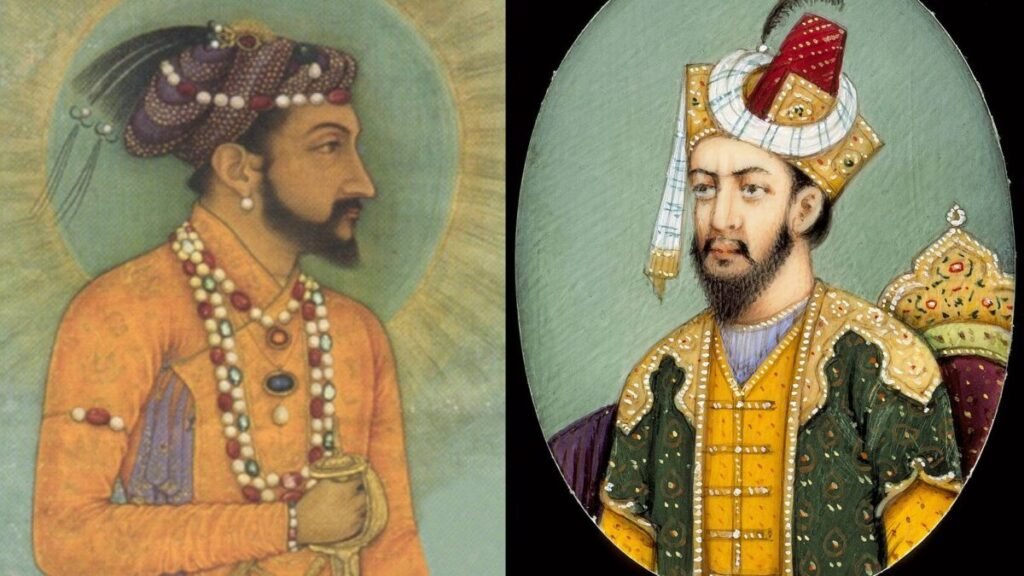

Imagine a scorching summer afternoon in Delhi. The temperature is extremely high, the sun is relentless, and air conditioners are still centuries away from being invented. However, within the grand palaces of the Mughals, emperors sipped cold drinks, enjoyed cold desserts, and even used ice for medicinal purposes. Seems impossible? not quite. (Image: Pexels)
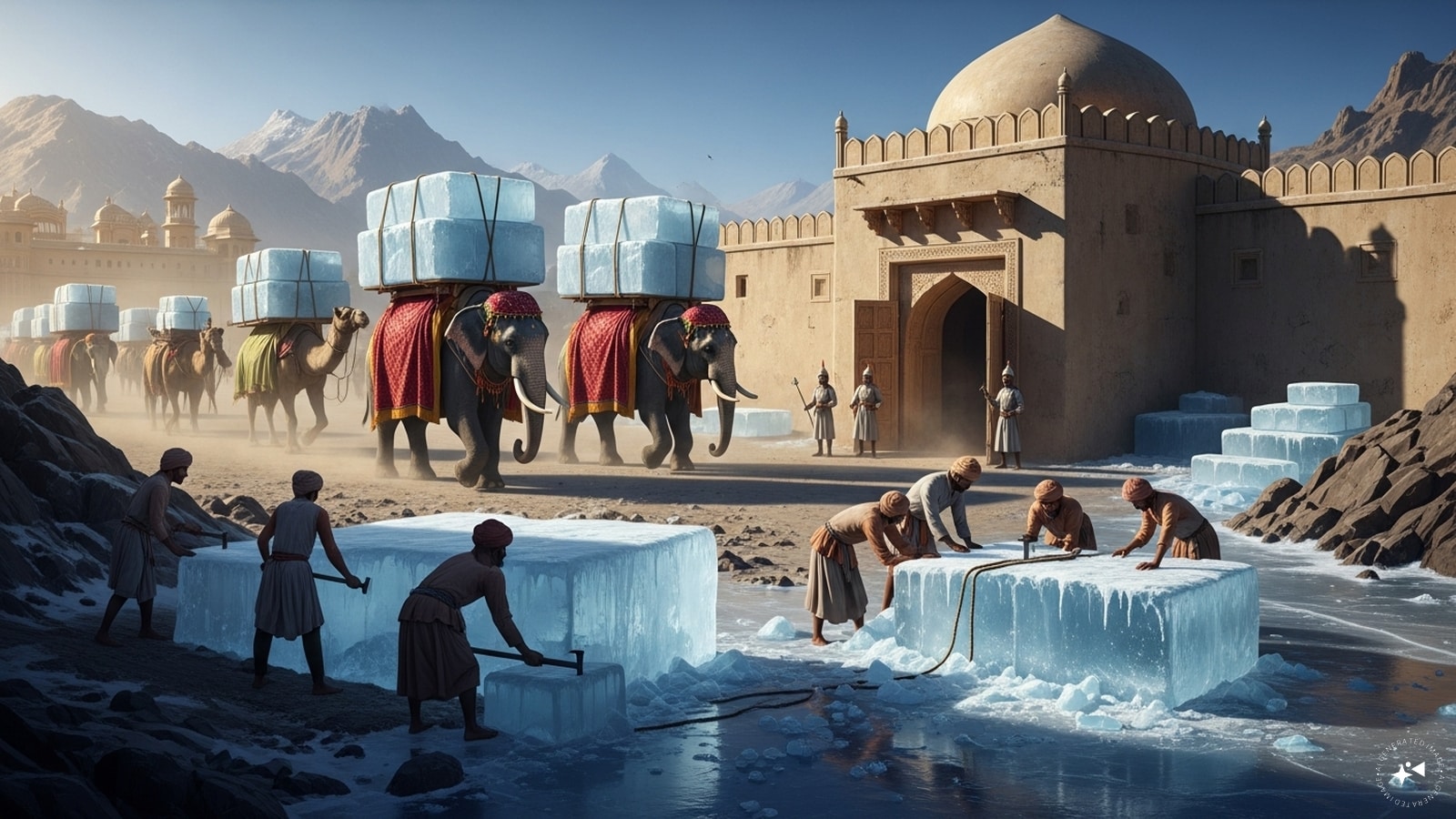
Long before refrigerators entered Indian homes, the Mughals had developed surprisingly efficient ways of obtaining, transporting, and preserving ice. Their methods combined ingenuity, logistics and a touch of royal opulence. (Image: generated by artificial intelligence)
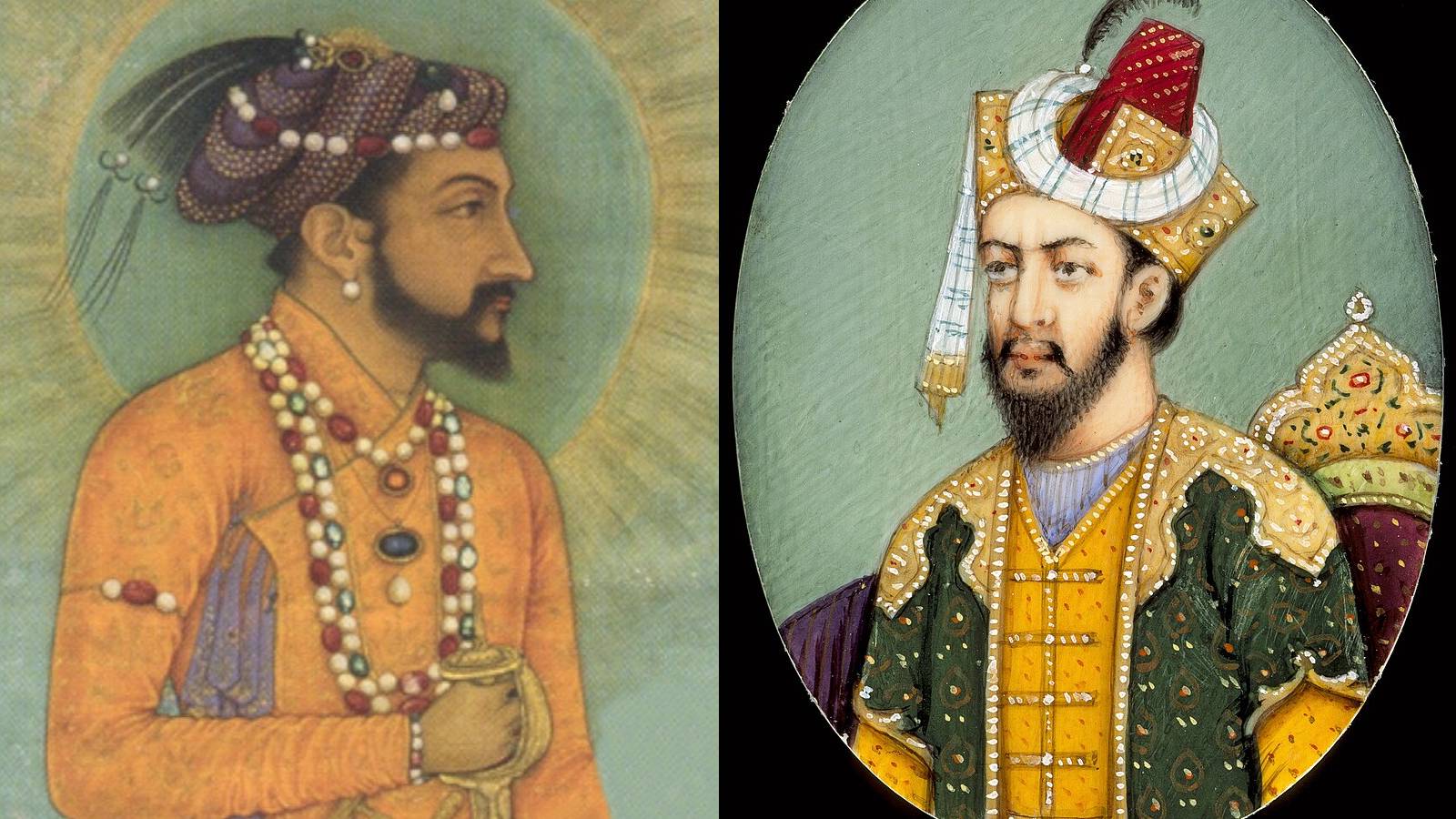
During the reigns of emperors like Humayun, Akbar, and Shah Jahan, natural ice was transported from the snow-covered regions of Kashmir, Himachal Pradesh, and Garhwal. Workers would cut large blocks of ice during the winter and send them on a carefully organized journey towards the imperial cities of Delhi, Agra and Lahore. The challenge wasn’t getting the ice, but preventing it from melting on the way. (Images: Wikimedia Commons)
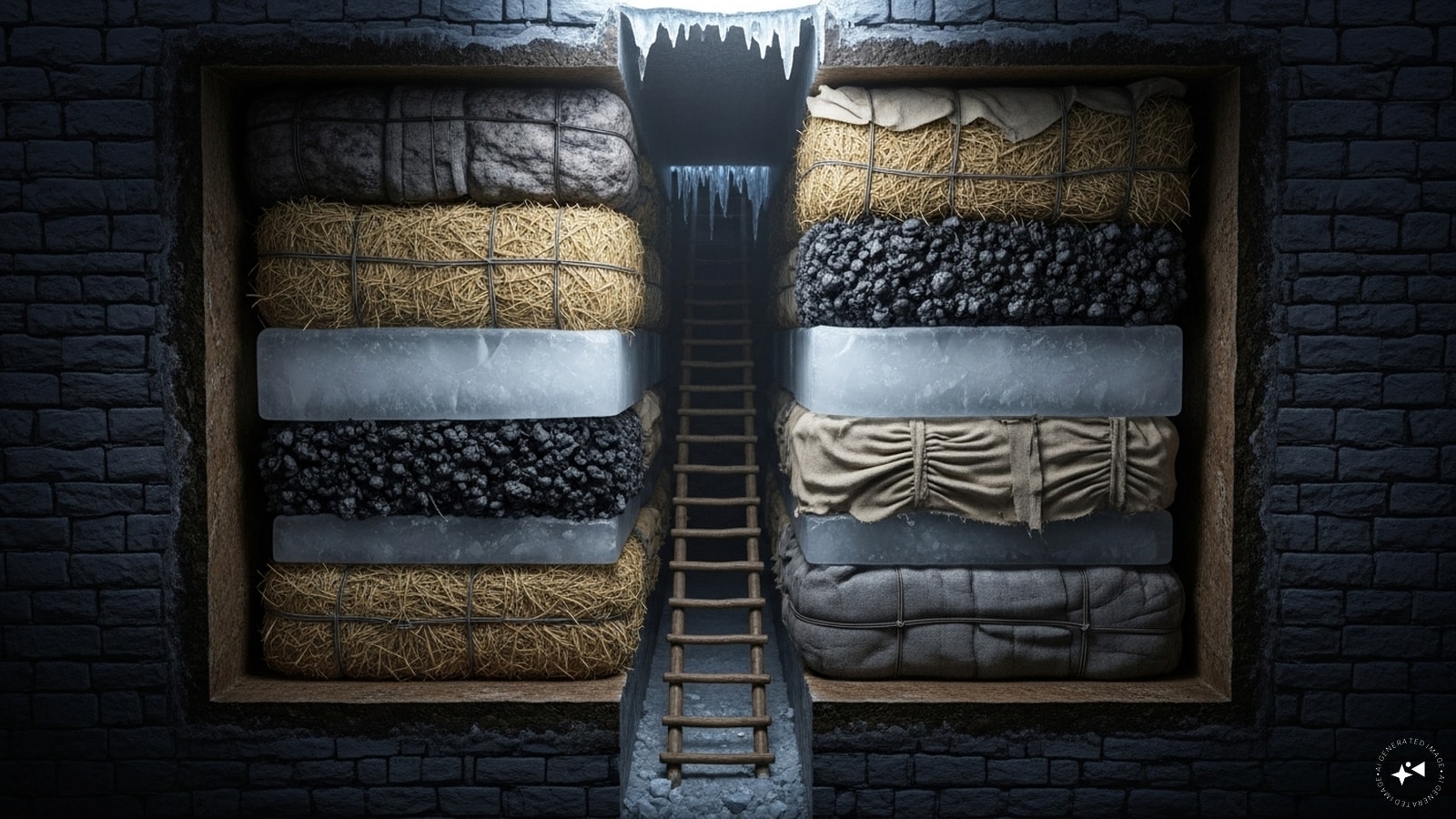
Once the ice reached its destination, it was stored in special structures known as parav khanas or ice houses. These were deep underground chambers with thick, insulated walls designed to keep temperatures low. Ice blocks were wrapped in straw, cloth, ash and other insulating materials before being stored. This simple but effective technique helped preserve ice for months, even during the hottest period of the year. (Image: generated by artificial intelligence)
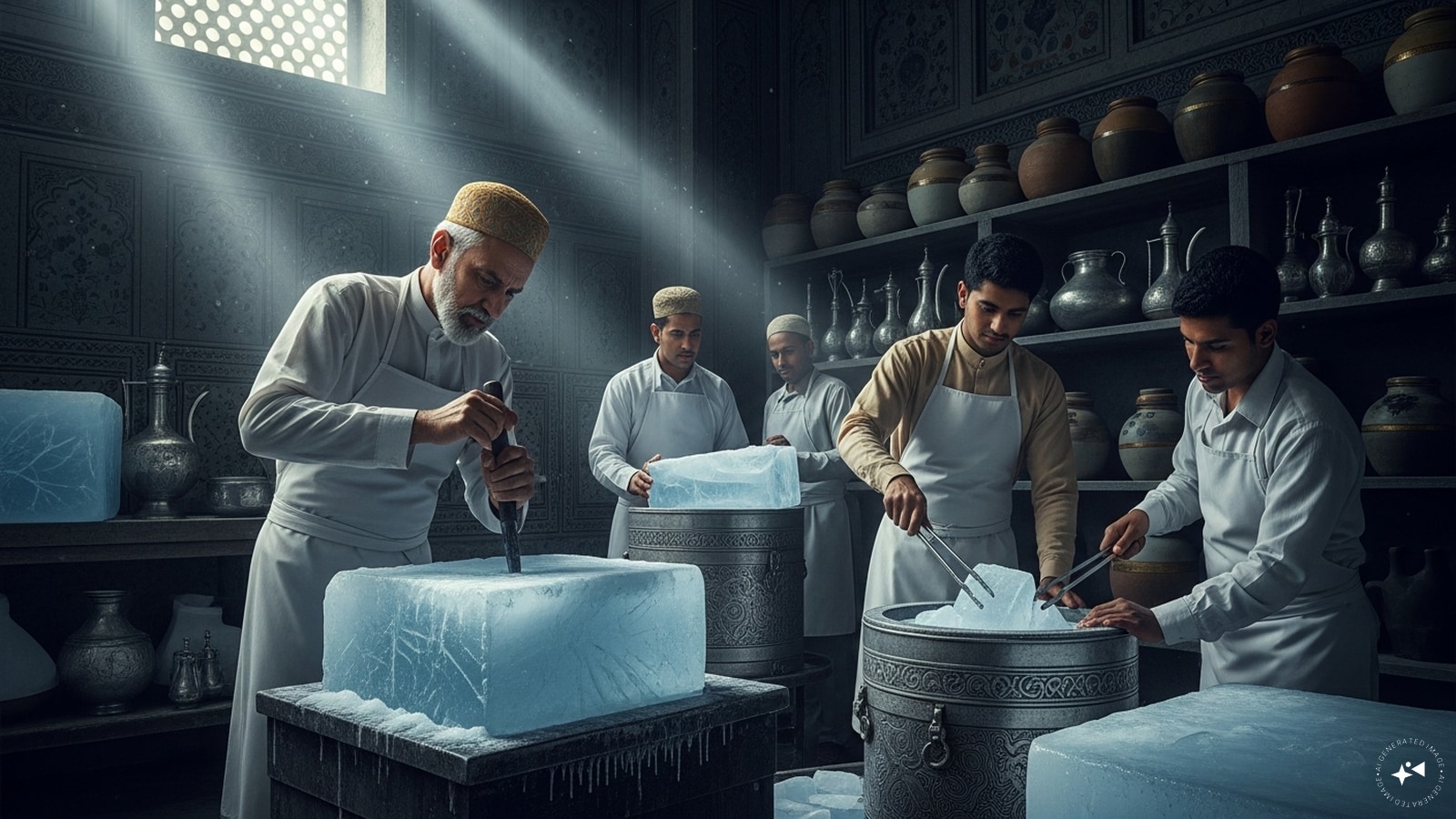
The Mongols took ice seriously. Special officials known as abdar were responsible for storing, protecting and distributing ice within the royal household. Their duties included ensuring that the Emperor’s drinking water remained cold and that ice was available for kitchens and special events. (Image: generated by artificial intelligence)
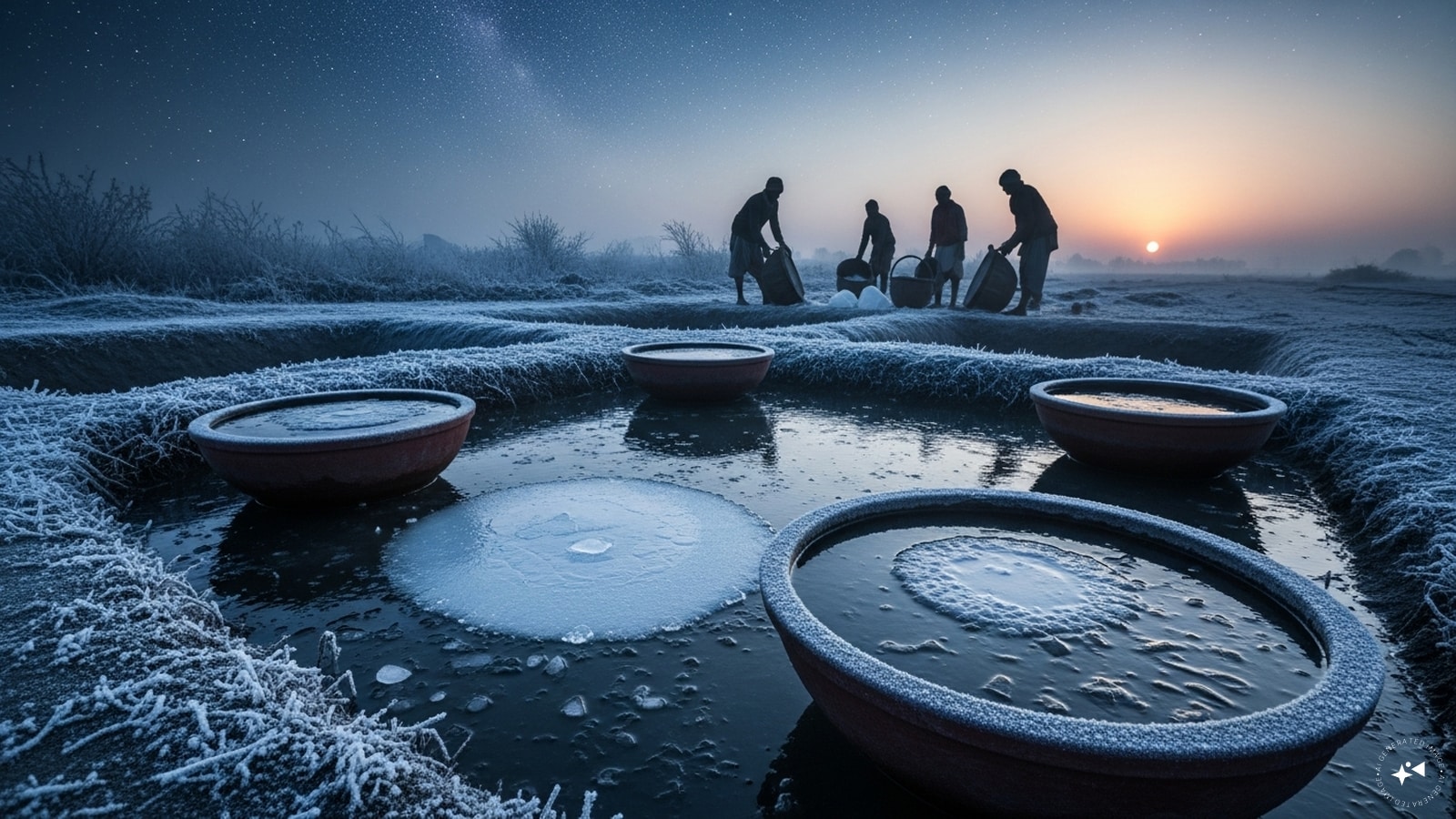
Perhaps the most fascinating part of the story is that the ice did not always come from distant mountains. During frigid winter nights in parts of northern India, shallow pits and clay bowls filled with water were left outdoors. Under the right conditions, a thin layer of ice will form overnight. This ice was collected before sunrise and transported to storerooms where it could be preserved for later use. This technology demonstrated a remarkable understanding of refrigeration and insulation long before modern science explained the process. (Image: generated by artificial intelligence)
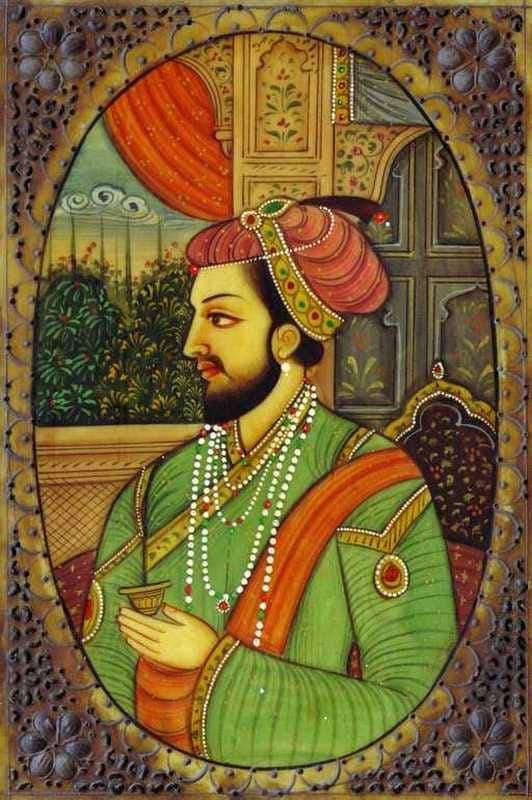
For the Mongol elite, ice was much more than just frozen water; It was a status symbol. Chilled rosé sherbet, fruit drinks, cold desserts and even early versions of kulfi were enjoyed at court. Historical accounts also indicate that emperors would distribute ice and snow to nobles during the summer months, highlighting its value and status. (Photo: Wikimedia Commons)